
Can You Heat Up Almond Milk In The Microwave: Safe Tips
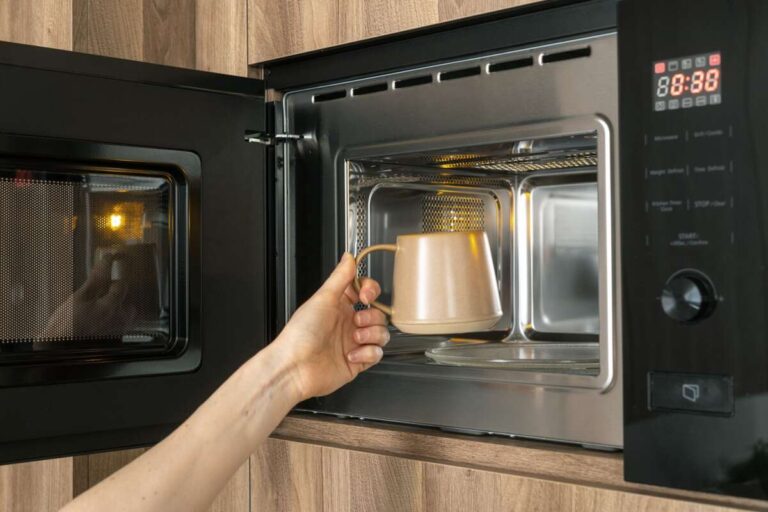
Yes, you can heat up almond milk in the microwave safely when you use low power and short heating intervals.
Can you heat up almond milk in the microwave without ruining its taste or texture? Yes, but almond milk needs gentle heat. It can scorch, foam, or boil over faster than dairy milk. This guide explains the safest method, the best temperature, common mistakes, and how to use warm almond milk in coffee, oatmeal, recipes, and drinks.
Can You Heat Up Almond Milk in the Microwave?
Yes, you can heat up almond milk in the microwave. The key is to heat it slowly and stir it often. Almond milk contains water, plant proteins, oils, and other ingredients that can separate or form a thin skin when overheated.
Unlike solid food, milk can develop hot spots in the microwave. One part may feel warm while another part is very hot. Stirring helps spread the heat and lowers the risk of burning your mouth.
You can microwave refrigerated almond milk, shelf-stable almond milk, sweetened almond milk, and unsweetened almond milk. However, the exact heating time depends on the amount, the microwave wattage, and the starting temperature.

How to Heat Almond Milk in the Microwave Safely
Can you heat up almond milk in the microwave for coffee, cereal, or a warm drink? Yes. Use a microwave-safe container and follow a slow heating method.
- Pour the almond milk into a microwave-safe mug or bowl.
- Fill the container only halfway to two-thirds full. This leaves room for rising foam.
- Set the microwave to 50% power if that option is available.
- Heat the almond milk for 20 to 30 seconds.
- Remove the container and stir well.
- Continue heating in 15 to 20-second bursts.
- Stir after each burst.
- Let the milk stand for about 30 seconds before drinking or using it.
For one cup, or about 8 ounces, the total time is often 60 to 90 seconds in a typical microwave. Start with less time. You can always heat it more, but you cannot easily fix scorched almond milk.
A kitchen thermometer can help. For most drinks, almond milk feels pleasantly warm at about 120°F to 140°F. If you plan to steam or froth it, avoid boiling. Very high heat can change the texture and make the milk taste flat or slightly burnt.
How Long Should You Microwave Almond Milk?
The answer depends on the amount and your microwave’s power. A high-wattage microwave heats almond milk faster than a small or older model.
Use these times as a starting point:
| Amount of almond milk | Suggested power | Starting time |
|---|---|---|
| 4 ounces | 50% | 20 to 40 seconds |
| 8 ounces | 50% | 60 to 90 seconds |
| 12 ounces | 50% | 90 to 120 seconds |
| 16 ounces | 50% | 2 to 3 minutes |
These times are estimates, not strict rules. Stir the milk often, especially when heating more than one cup.
Can you heat up almond milk in the microwave straight from the refrigerator? You can, but cold milk takes longer. For a small amount, short bursts work best. Heating a large container at once may create uneven temperatures.
Do not microwave almond milk in its carton unless the packaging clearly says it is microwave-safe. Cartons often contain layers of paper, plastic, and other materials. Pour the milk into a suitable container first.

The Best Container for Microwaving Almond Milk
A glass measuring cup, ceramic mug, or microwave-safe bowl is a good choice. Choose a container with extra space because almond milk may foam as it warms.
Avoid metal containers and travel mugs with hidden metal parts. Metal can spark and damage the microwave. Also avoid sealed containers because pressure can build up as the liquid heats.
A wide bowl can heat milk more evenly than a narrow, tall cup. Still, stirring remains important. The microwave does not warm liquid in a perfectly even way.
Before heating, check that the container is clean and dry. Small bits of old coffee, food, or soap can affect the taste of the almond milk.
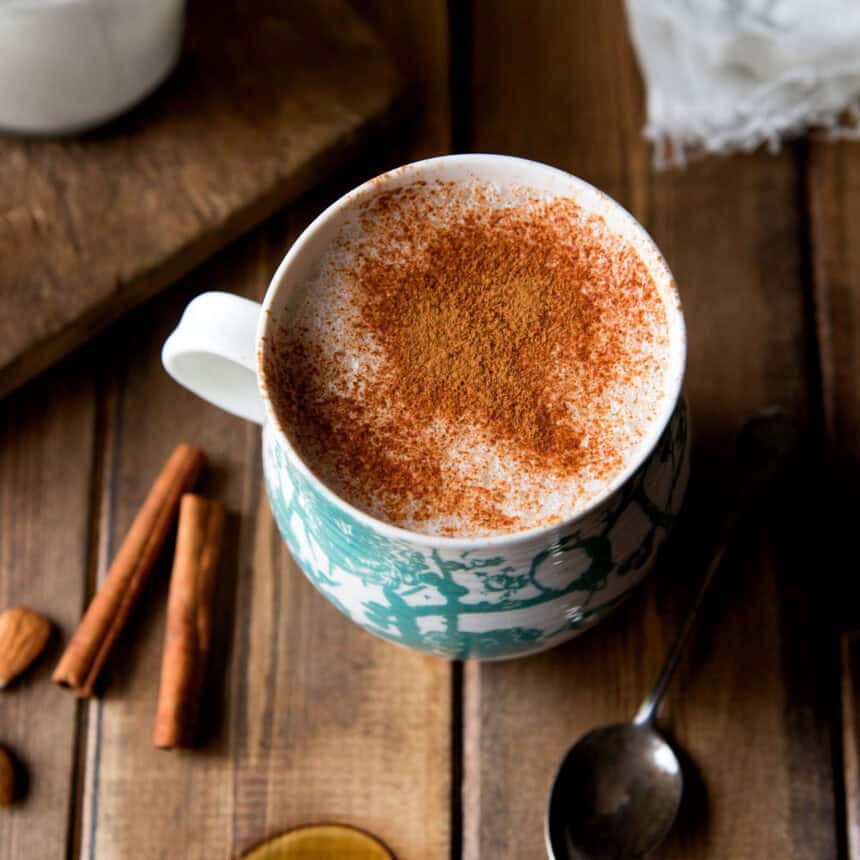
Why Almond Milk Can Separate in the Microwave
Almond milk may separate because heat affects its water, oil, and plant particles. Some brands also contain gums, starches, minerals, or emulsifiers. These ingredients help create a smooth drink, but high heat can still disturb the mixture.
Separation does not always mean the almond milk is spoiled. If it smells fresh and has been stored properly, gentle stirring may restore most of its smooth texture.
You may notice:
• A thin film on the surface
• Small floating particles
• Slight graininess
• A layer of liquid and solids
• More foam than usual
Can you heat up almond milk in the microwave and keep it smooth? Usually, yes, if you use low power and avoid boiling. Stirring before and after heating also helps.
Some barista-style almond milks handle heat and frothing better than basic versions. They often contain stabilizers that improve texture in coffee. Even then, overheating can cause curdling or separation.
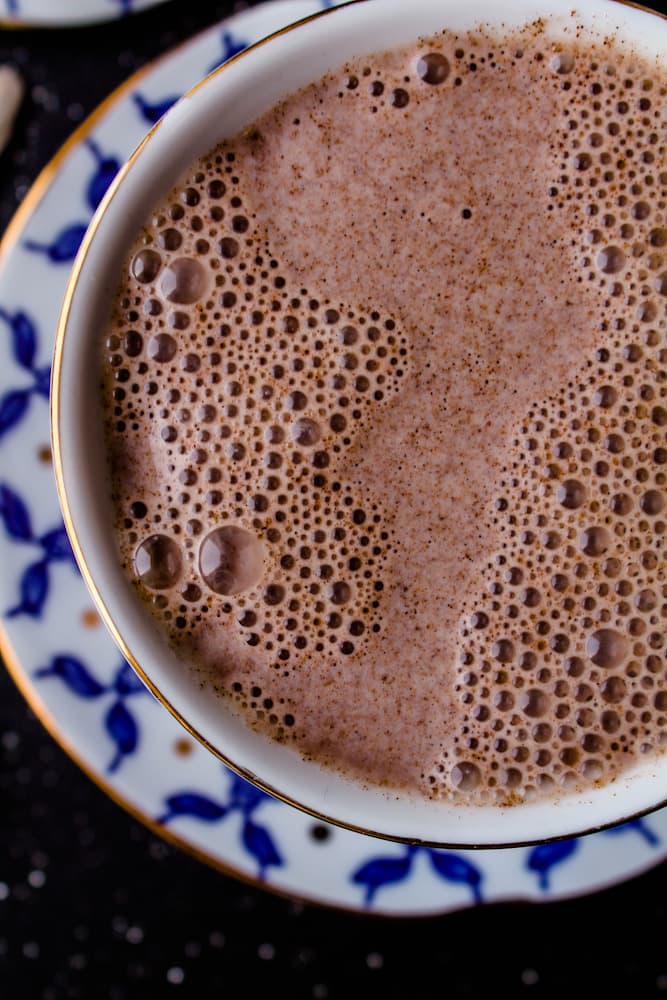
What Happens If You Boil Almond Milk?
Boiling almond milk is not recommended. It may foam suddenly, spill over, or form a thick film. The flavor can also become cooked, bitter, or slightly nutty in an unpleasant way.
Very hot almond milk may separate more severely. In coffee, this can create small flakes or a curdled look, especially when the coffee is acidic.
If almond milk begins to bubble strongly, stop heating it. Let it cool for a moment, then stir. A few small bubbles around the edge are different from a rolling boil.
In my own kitchen tests, the biggest mistake was heating one full mug for too long without stirring. The top looked calm, but the bottom was much hotter. Short bursts produced a warmer and smoother result.
Can You Microwave Almond Milk for Coffee?
Yes, you can heat up almond milk in the microwave before adding it to coffee. Warm the milk in a separate mug, then pour in the coffee slowly.
For a better texture:
• Use unsweetened almond milk for a less sugary drink.
• Warm the milk to about 120°F to 140°F.
• Stir it before adding coffee.
• Add coffee gradually.
• Avoid using boiling coffee with overheated milk.
Coffee is acidic, so it may cause almond milk to separate. This is more likely when the milk is very hot or the coffee is highly acidic.
For a latte-style drink, warm the almond milk first. Then whisk it by hand, use a milk frother, or shake it in a safe open container after it cools slightly. Never shake a sealed hot container.
Can You Heat Up Almond Milk for Oatmeal and Cereal?
Can you heat up almond milk in the microwave for oatmeal? Yes, and it is one of the easiest uses. Add the almond milk to oats in a large microwave-safe bowl, leaving space for expansion.
Cook in short intervals and stir between them. Oats can absorb liquid and swell quickly, so a large bowl helps prevent spills.
For cold cereal, heat the almond milk in a separate container. Pour it over the cereal only when it reaches your preferred temperature. Warm almond milk can soften cereal faster than cold milk.
You can also use warm almond milk for:
• Chia pudding
• Hot chocolate
• Pancake batter
• Mashed potatoes
• Creamy soups
• Smoothie preparation
• Instant breakfast drinks
When using almond milk in a recipe, unsweetened plain almond milk gives the most neutral flavor. Vanilla or sweetened versions may change the taste.

Can You Heat Up Almond Milk for a Baby?
Do not assume almond milk is suitable as a main drink for an infant. Infants have different nutrition needs, and plant-based drinks may not provide enough protein, fat, calories, or other nutrients.
For babies, follow guidance from a pediatrician. If a child drinks almond milk, check the product label and use safe serving temperatures. Test a few drops on the inside of your wrist before serving.
Never microwave a baby’s bottle without careful mixing and temperature testing. Microwaves can create dangerous hot spots. The safest approach is to warm the bottle using warm water and shake or stir it well.
This advice also applies to toddler drinks and fortified plant milks. Age, diet, allergies, and health needs all matter.
Is Microwaved Almond Milk Safe to Drink?
Microwaved almond milk is safe when it is fresh, heated in a microwave-safe container, and not left at room temperature for too long. Microwaving itself does not make almond milk unsafe.
Food safety agencies generally recommend keeping perishable foods out of the temperature danger zone as much as possible. Refrigerated almond milk should remain cold until you need it, and leftovers should be returned to the refrigerator promptly.
Check the package before heating. Do not use almond milk that:
• Smells sour or unusual
• Looks lumpy before heating
• Has a swollen or damaged container
• Has passed its use-by guidance
• Was left warm for an extended time
Shelf-stable almond milk is different before opening. After opening, it usually needs refrigeration. Follow the storage directions on the package because brands vary.
Common Mistakes to Avoid
Can you heat up almond milk in the microwave without problems? Yes, but several habits make trouble more likely.
Heating at full power
Full power can create hot spots and cause sudden bubbling. Medium or low power gives the milk time to warm more evenly.
Using one long heating cycle
A single long cycle may overheat the bottom while the surface looks normal. Short intervals are safer.
Filling the mug to the top
Foam can rise quickly. Leave room at the top to reduce spills.
Microwaving the carton
Unless the package specifically allows it, do not microwave the carton. Transfer the milk to glass or ceramic first.
Forgetting to stir
Stirring is the simplest way to spread heat. It also helps blend any mild separation.
Reheating many times
Repeated heating can weaken the flavor and texture. Heat only what you plan to use.
I once rushed a mug of almond milk before making coffee and skipped the stirring step. The first sip was much hotter than expected, and the milk had a thin cooked layer. That small mistake taught me that an extra 10 seconds of care makes a real difference.
How to Tell When Almond Milk Is Warm Enough
The best test depends on how you plan to use it. For drinking, the milk should feel warm but not painfully hot. Take a small sip only after stirring.
For coffee, aim for warm rather than steaming hot. Extremely hot almond milk may separate when it meets coffee.
For oatmeal, a gentle steam is usually enough. For a baby or young child, test the temperature carefully and follow medical guidance.
A thermometer gives the most consistent result:
• 100°F to 120°F: mildly warm
• 120°F to 140°F: warm and comfortable for many drinks
• 140°F to 160°F: hot; use caution
• Above 160°F: greater risk of scorching, separation, and burns
These ranges are practical kitchen guidance. The ideal temperature depends on the recipe and personal preference.
Frequently Asked Questions
Can you heat up almond milk in the microwave every day?
Yes, you can heat up almond milk in the microwave every day if you use a safe container and gentle heat. Heat only the amount you need, and avoid repeated boiling or reheating.
Does microwaving almond milk destroy its nutrients?
Normal gentle heating does not remove all of its nutrients. However, excessive heat and long cooking can affect some heat-sensitive nutrients and may damage the flavor and texture.
Can you heat up almond milk in the microwave for hot chocolate?
Yes. Heat the almond milk in short bursts, stir often, and mix in the cocoa after the milk is warm. Do not let it boil, or the drink may become grainy or develop a skin.
Why does almond milk curdle in coffee?
Almond milk may curdle when very hot milk meets acidic coffee. Lower heat, fresh coffee, and gradual mixing can reduce separation.
Can you microwave almond milk in a plastic cup?
Only use plastic labeled as microwave-safe. Glass or ceramic is often a better choice because it is less likely to warp, stain, or transfer unwanted odors.
Is it better to heat almond milk on the stove or in the microwave?
Both methods work. A saucepan gives you more control, while the microwave is faster for small amounts when you use short intervals and stir often.
Can you heat up almond milk in the microwave after it has been opened?
Yes, if the almond milk has been stored correctly and still smells and looks fresh. Keep opened almond milk refrigerated according to the package directions.
Conclusion
Can you heat up almond milk in the microwave? Absolutely. Use a microwave-safe mug, medium or low power, short heating bursts, and frequent stirring. Avoid boiling, sealed containers, full cartons, and long unattended heating cycles.
For the smoothest result, warm only what you need and use it right away. Try this method with coffee, oatmeal, hot chocolate, or another favorite recipe, then share your best almond milk heating tip in the comments.

Appliance Review Expert
Lucas Ramirez is a trusted voice at HomeFixGrid.com, known for his clear, practical, and creatively written guides that simplify appliance care for everyday homeowners. With a strong focus on hands-on testing and real-world problem-solving, Lucas brings expert insight into appliance reviews and troubleshooting techniques. Her work empowers readers to confidently maintain, repair, and choose the right appliances for their homes.