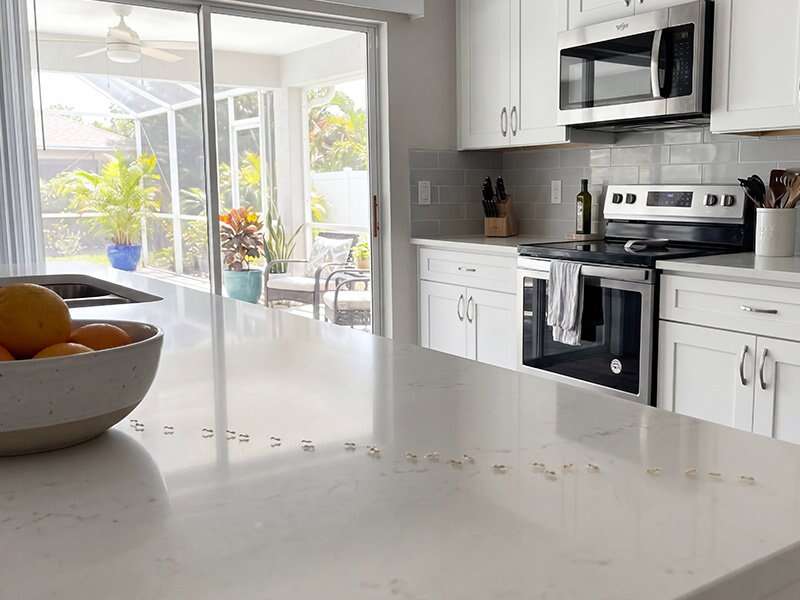
How To Get Rid Of Ants In Microwave Oven: Safe Tips
Remove food, unplug the microwave, clean it safely, and place ant bait near, not inside, the appliance.
Ants in a microwave are usually searching for food, water, or warmth. The safest way to get rid of ants in microwave oven areas is to remove the food source, clean the appliance, seal nearby entry points, and use bait outside the microwave. This guide explains the process step by step, including what to avoid and when to call an appliance professional.
Why Ants Get Inside a Microwave Oven
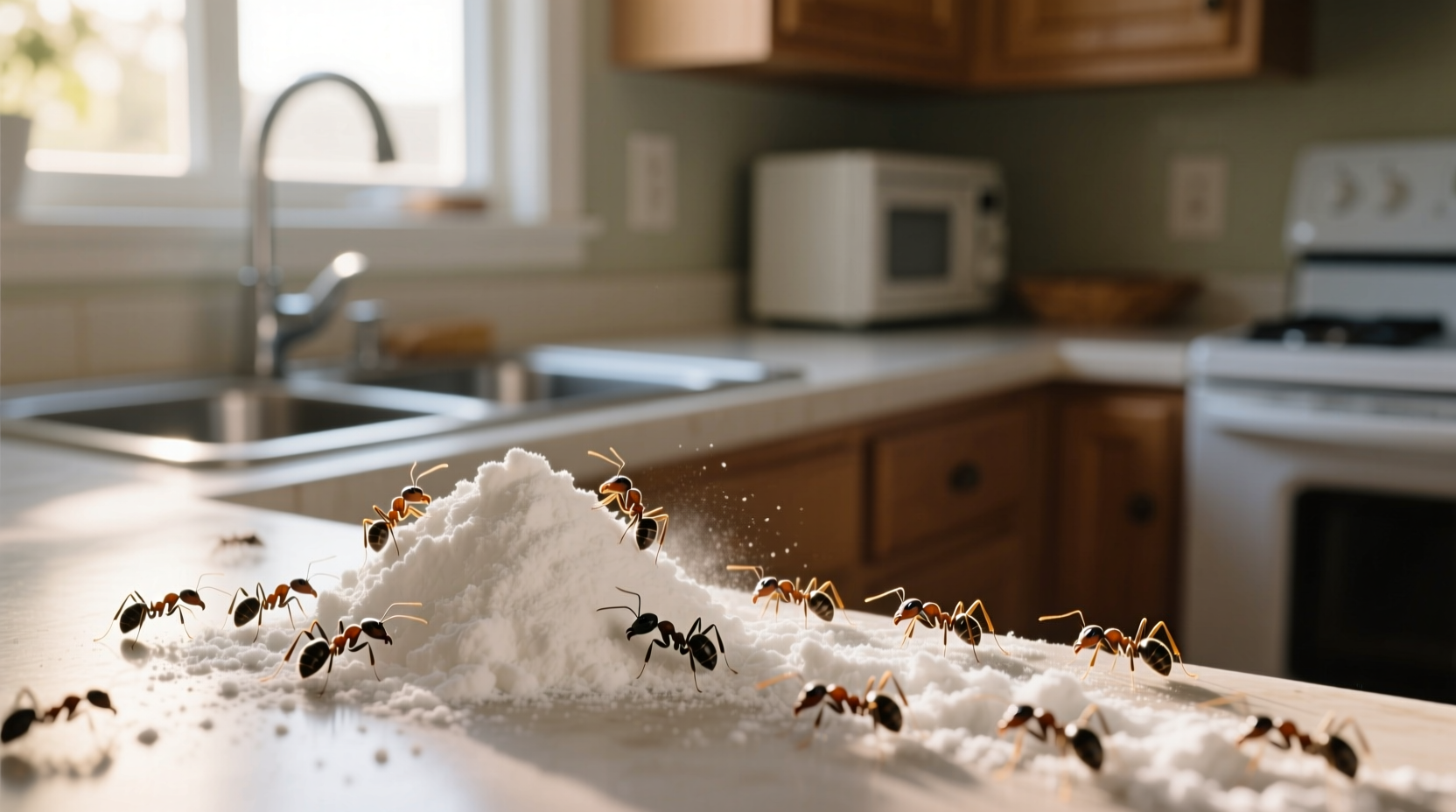
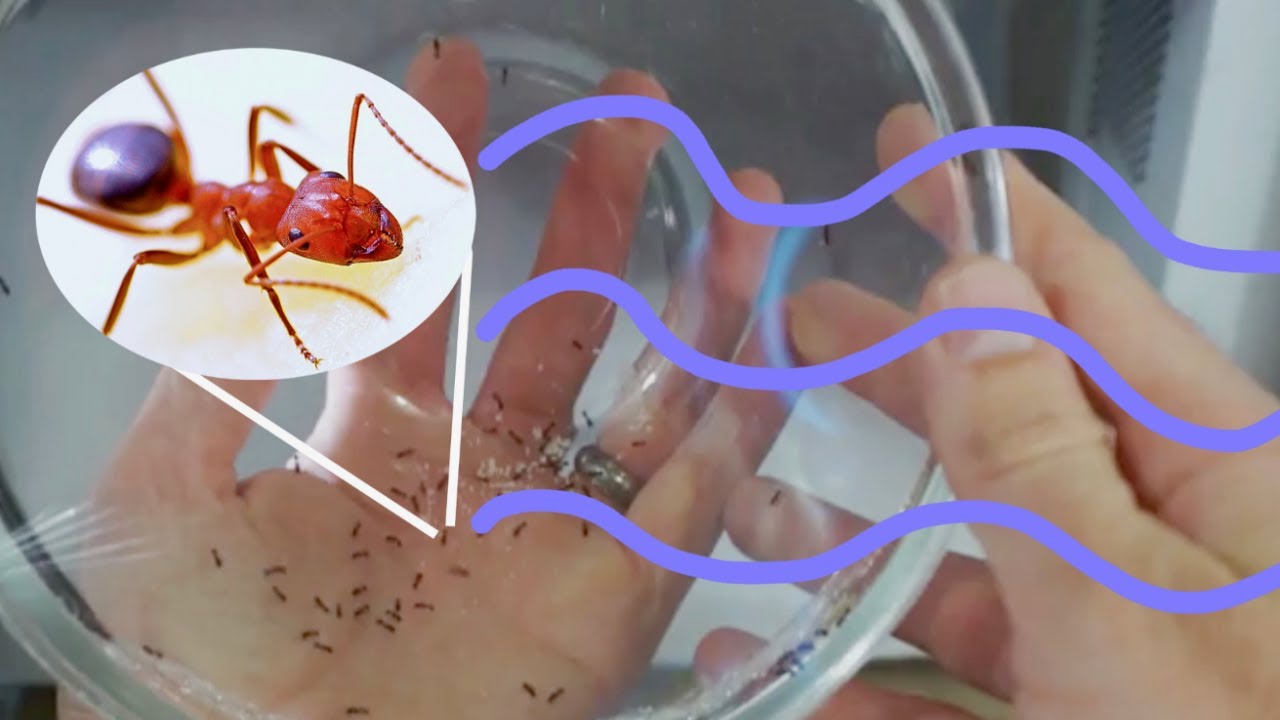
Ants do not usually enter a microwave because they are attracted to the microwave energy. They enter because crumbs, grease, sugar, and food smells are nearby. A microwave can also stay warm after use, which may make the area appealing to insects.
Small ants may enter through gaps around the door, vents, control panel, or cabinet space. If the microwave sits above a stove, food vapor and grease can collect around it. These residues can act like a tiny trail marker for ants.
Common causes include:
• Crumbs or food spills under the turntable
• Sweet drinks or sauces splashed inside the oven
• Grease near the vents or control panel
• Ant trails along the counter or wall
• A nest behind the cabinet, wall, or appliance
• Moisture from nearby sinks or plumbing
Finding one ant does not always mean the microwave contains a nest. Ants may simply be passing through. Still, repeated sightings suggest that the surrounding area needs attention.

Is It Safe to Use a Microwave With Ants Inside?
It is best to stop using the microwave until you inspect and clean it. Ants can contaminate food surfaces, and an infestation may indicate that insects have reached areas you cannot safely access.
Do not spray insecticide inside the microwave. Chemical residue can remain on surfaces and may be heated later. Never place ant bait, boric acid, essential oils, or cleaning chemicals inside the cooking chamber.
Unplug the microwave before cleaning the outside, vents, or control panel. If the unit is hardwired, switch off the correct circuit breaker. Do not remove the microwave’s outer cabinet. Even when unplugged, high voltage parts inside can hold a dangerous electrical charge.
You can usually clean the cooking chamber yourself. However, a technician should inspect the unit if:
• Ants come from the vents or control panel
• You see insects inside the display
• The microwave makes sparks, unusual sounds, or smells
• Buttons stop working
• The appliance has visible damage
• Ants return after thorough cleaning
Food safety guidance supports cleaning and sanitizing food contact surfaces after pest exposure. The key is to use products as directed and allow all surfaces to dry fully before cooking.
How to Get Rid of Ants in Microwave Oven Safely
Follow these steps to get rid of ants in microwave oven areas without exposing yourself, your food, or the appliance to unnecessary risk.
1. Unplug the microwave
Disconnect power before you clean the appliance. This reduces the risk of electric shock and prevents accidental operation while the door or turntable is being handled.
If your microwave is mounted over a range, ask another adult to help support the door or removable parts. Do not pull the unit away from the wall unless you know it is safe to do so.
2. Remove the turntable and roller ring
Take out the glass tray and roller ring. Wash both in warm water with dish soap. Look underneath them, since dried food often collects in that hidden space.
Rinse well and dry them completely. A damp roller ring can create odor and may attract more dirt.
3. Clean the inside
Use a soft cloth or sponge with warm water and a small amount of dish soap. Wipe the ceiling, walls, floor, door, and grooves around the door.
For stuck food, place a microwave safe bowl of water inside and heat it for several minutes. The steam can loosen residue. Wait until the bowl cools, unplug the appliance, and wipe the surfaces clean.
Do not run the microwave empty. Do not use steel wool, abrasive pads, bleach mixtures, or flammable cleaners.
4. Clean the door and seal
Wipe the inner door and the rubber or plastic seal with a damp cloth. Food particles can hide around the edges.
Do not bend, scrape, or remove the door seal. A damaged seal can affect safe operation and should be checked by a qualified technician.
5. Clean the exterior
Wipe the top, sides, handle, and control panel with a lightly damp cloth. Never pour liquid onto the controls or spray cleaner directly onto the appliance.
Use the cloth to lift ant trails and food residue. Ants follow scent trails, so simply killing visible ants may not solve the problem.
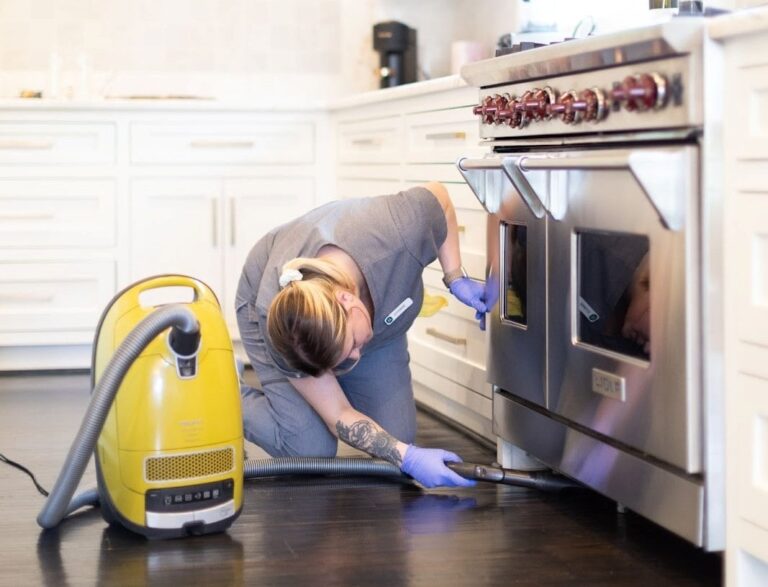
6. Clean the area around the microwave
Move the microwave, only if it is safe and practical to do so. Clean the counter, wall, cabinet, backsplash, and floor beneath it.
Look for:
• Crumbs
• Sticky spots
• Grease
• Water leaks
• Small cracks
• Ant trails
Dry the area well. Removing food and moisture is one of the most effective parts of learning how to get rid of ants in microwave oven areas.
7. Place ant bait outside the appliance
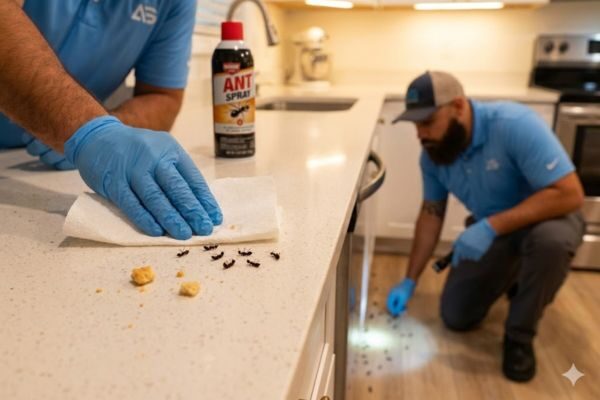
Use enclosed ant bait stations near the ant trail, but never inside the microwave. Place them along the wall, behind the appliance, or near the point where ants enter.
Bait works because worker ants carry it back to the colony. This approach is often more effective than spraying visible ants. Keep bait away from children, pets, food, and food preparation surfaces.
Follow the product label. Do not mix different pesticides, and do not place bait directly on a counter where food is prepared.

How to Clean Ant Trails Near a Microwave
Ants leave scent trails that guide other ants to the same food source. Cleaning visible ants without removing the trail is like erasing one footprint while leaving the road sign behind.
After removing food residue, wipe nearby surfaces with soapy water. This helps remove the trail. Some people use a mild vinegar and water solution on suitable, nonporous surfaces, but never mix vinegar with bleach or other cleaners.
Avoid spraying cleaner into:
• Vent openings
• Control panel seams
• Door gaps
• Electrical outlets
• Cabinet cracks connected to the appliance
For painted wood, stone, laminate, or stainless steel, test any cleaning solution in a hidden area first. Some surfaces can stain, dull, or corrode.
If ants continue to follow the same path, watch where they go. Their entry point may be behind a backsplash, under a cabinet, or through a wall gap.
How to Stop Ants From Coming Back
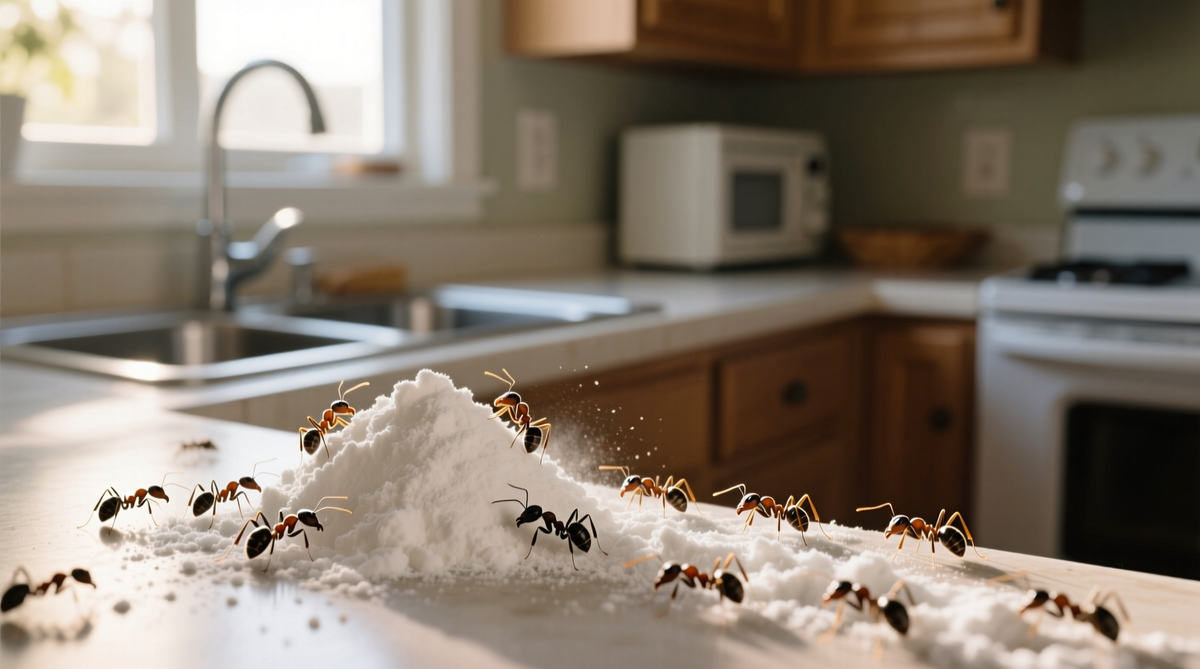
Cleaning solves the immediate problem, but prevention keeps it from returning. Think of ant control as closing a small door. If food, water, and access remain available, new ants may keep arriving.
Use these prevention steps:
• Store sugar, cereal, pet food, and snacks in sealed containers.
• Wipe counters after cooking.
• Clean spills as soon as they happen.
• Empty crumbs from toaster and microwave areas.
• Repair dripping faucets and plumbing leaks.
• Keep the sink dry at night.
• Seal cracks around cabinets and backsplashes.
• Trim plants that touch the house.
• Keep outdoor trash containers closed.
• Clean grease from the range hood and nearby cabinets.
Do not seal every crack before you identify the ant route if you plan to use bait. Sealing too early may force ants into another part of the kitchen. Bait first, monitor the activity, and then seal the entry point after ant traffic drops.
What Not to Do When Removing Ants From a Microwave
Some quick fixes can damage the microwave or create a health risk. Avoid these common mistakes:
• Do not spray insecticide inside the microwave.
• Do not place ant traps inside the cooking chamber.
• Do not heat vinegar, bleach, pesticide, or other chemicals.
• Do not run the microwave empty to kill ants.
• Do not pour water into vents or control buttons.
• Do not remove the outer cabinet.
• Do not use a damaged microwave.
• Do not ignore ants coming from the display or vents.
A microwave is not sealed like a storage box. It has vents, wiring, seals, and electrical parts. Heating chemicals or forcing liquid into openings can create toxic fumes, fire hazards, or equipment damage.
One mistake I often see in real homes is spraying the counter and microwave at the same time. The spray drifts into the vents, while the main colony remains untouched. Bait placed outside the appliance is a safer and more targeted choice.

When to Call a Pest Control Professional
You may need professional pest control if ants return after cleaning and baiting. Repeated activity often means the colony is inside a wall, cabinet, insulation space, or another hidden area.
Contact a licensed pest professional when:
• Ants appear in several rooms.
• You see hundreds of ants.
• Ants return daily for more than a week.
• You find winged ants.
• The insects look like termites.
• Bait does not reduce activity.
• You cannot locate the entry point.
A professional can identify the ant species and select a suitable treatment. Species matter because some ants prefer sweet bait, while others prefer protein or grease. Correct identification can prevent wasted time and unnecessary pesticide use.
If the ants have entered the microwave housing, contact an appliance technician as well. Pest control and appliance repair solve different parts of the problem.
How to Tell if the Microwave Needs Replacement
Most ant problems do not automatically mean you need a new microwave. A clean cooking chamber and working appliance can often remain in service.
Replacement or professional inspection may be wise if:
• Ants are inside the control panel.
• Wiring shows damage.
• The door does not close properly.
• The seal is cracked or loose.
• The microwave sparks.
• You smell burning plastic.
• The display flickers.
• The unit has been exposed to large amounts of liquid.
Do not test a questionable appliance repeatedly. Unplug it and arrange an inspection. The cost of a service call may be lower than the risk of electrical damage or fire.

A Simple Ant Control Plan for the Kitchen
Use this practical plan to get rid of ants in microwave oven areas and protect the rest of the kitchen.
Day 1
• Unplug and inspect the microwave.
• Remove and wash the turntable parts.
• Clean the inside and outside.
• Clean the counter, cabinet, and floor around it.
• Place enclosed bait near the active trail.
Days 2 through 7
• Leave the bait in place unless the label says otherwise.
• Avoid spraying near the bait.
• Wipe new food spills at once.
• Watch where ants enter and leave.
• Keep counters and sinks dry.
After activity drops
• Seal cracks and gaps.
• Wash the area again.
• Store food in sealed containers.
• Replace bait according to the product label.
This plan works best when every household member follows it. One open bag of sugar or one damp sponge can keep an ant trail active.
Frequently Asked Questions About How to Get Rid of Ants in Microwave Oven
Can I spray ant killer inside my microwave?
No. Insecticide can leave harmful residue and may release fumes when heated. Clean the microwave with dish soap and water, then place ant bait outside the appliance.
Can I use vinegar to remove ants from a microwave?
A mild vinegar solution may help clean some exterior, nonporous surfaces, but it is not a complete ant treatment. Never mix vinegar with bleach, and do not allow liquid to enter vents, controls, or electrical openings.
Should I throw away a microwave that has ants in it?
Not always. If ants were only inside the cooking chamber, careful cleaning may be enough, but ants inside the control panel or vents require professional inspection. Replace the appliance if it has electrical damage, sparks, smoke, or a faulty door.
Will running the microwave kill the ants?
Do not try to kill ants by running the microwave empty or by heating chemicals. This can damage the appliance and create a fire or fume hazard.
Where should I put ant bait near a microwave?
Place enclosed bait along the ant trail, near the wall, behind the appliance, or close to the entry point. Keep it out of the microwave and away from children, pets, food, and food preparation areas.
How long does it take to get rid of ants in microwave oven areas?
You may see fewer ants within several days after removing food and using bait, but complete control can take one to two weeks. If activity continues or spreads, the colony may need professional treatment.
Conclusion
The safest way to get rid of ants in microwave oven areas is to unplug the appliance, remove food residue, wash the removable parts, clean nearby surfaces, and place ant bait outside the microwave. Never spray pesticides inside the unit or pour liquid into vents and controls.
Keep the kitchen dry, seal food, repair leaks, and watch for ants returning from hidden gaps. If insects enter the control panel or the microwave shows electrical problems, stop using it and call a qualified technician. Take these steps today, and share your experience or explore more home pest control guides for lasting protection.

Appliance Review Expert
Lucas Ramirez is a trusted voice at HomeFixGrid.com, known for his clear, practical, and creatively written guides that simplify appliance care for everyday homeowners. With a strong focus on hands-on testing and real-world problem-solving, Lucas brings expert insight into appliance reviews and troubleshooting techniques. Her work empowers readers to confidently maintain, repair, and choose the right appliances for their homes.