Can You Microwave Applebee’s To Go Containers: Safe Tips
You can microwave some Applebee’s to go containers, but only when the package clearly says it is microwave safe.
The answer to “can you microwave Applebee’s to go containers” depends on the container material, lid, markings, and food inside. Packaging can vary by restaurant and menu item, so this guide explains how to check it safely, when to transfer your meal, and how to reheat leftovers without creating a mess or safety risk.
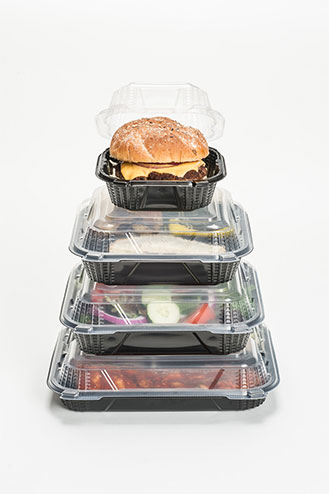
Can You Microwave Applebee’s To Go Containers?
Sometimes, but not every Applebee’s takeout container is made for microwave use. Some plastic containers can handle microwave heat, while foam, metal-lined, or unmarked packages may melt, warp, spark, or release unwanted chemicals.
The safest rule is simple: check the bottom or side of the container for a microwave-safe label. Look for words such as “microwave safe” or a symbol showing wavy lines.
If there is no label, move the food to a microwave-safe glass or ceramic dish. This small step removes most of the guesswork and is the method I recommend for Applebee’s leftovers.

How to Check an Applebee’s To Go Container
Before reheating your meal, inspect the container. A quick check takes less than a minute and can prevent spills, burns, and damaged packaging.
Look for these signs:
• A microwave-safe symbol with three wavy lines
• “Microwave safe” printed on the base
• A recycling code, especially number 5, which often indicates polypropylene
• Instructions from the restaurant about reheating
• A container that is firm, clean, and free from cracks
A recycling number alone does not guarantee microwave safety. It only identifies the type of plastic. The container must still be designed and approved for heating.
Also check the lid. A container may be microwave safe while its lid is not. Some lids have thin plastic, adhesive labels, or a tight seal that can trap steam.

Which Applebee’s Containers Are Usually Safer?
Applebee’s uses different packaging for appetizers, entrées, desserts, sauces, and drinks. Because packaging may change, there is no single answer for every Applebee’s container.
Plastic containers
A sturdy plastic container marked microwave safe may usually be reheated for a short time. Polypropylene, often marked with recycling code 5, is commonly used for heat-resistant food containers.
Still, do not rely on color or thickness alone. A black plastic box may look strong but have no microwave rating. If the package lacks clear instructions, transfer the food to glass or ceramic.
Foam containers
Do not microwave foam takeout containers unless the package clearly says they are safe for microwave use. Foam can soften, shrink, or deform when exposed to heat.
Even when it does not visibly melt, it may not be suitable for direct contact with hot food. Moving your meal to a microwave-safe plate is the better choice.
Paperboard containers
Paper containers can sometimes go in the microwave, but coatings, glue, printed ink, and moisture may affect their safety. Remove metal handles, foil liners, stickers, and any decorative parts before heating.
When the paper package is unmarked, use a glass or ceramic dish instead.
Aluminum or metal containers
Never put an aluminum tray, metal container, or foil-lined package in the microwave. Metal can cause sparks and may damage the appliance or start a fire.
If your Applebee’s order comes in a metal container, transfer the meal before reheating. Remove every piece of foil, including small covers around sauces or sides.

Can You Microwave the Applebee’s Lid?
The lid is often the least reliable part of a takeout package. Even if the base is microwave safe, the lid may warp, melt, or trap steam.
Follow these steps:
- Remove the lid unless it clearly says it is microwave safe.
- Place a microwave-safe cover over the dish.
- Leave a small gap so steam can escape.
- Never seal the container tightly during heating.
A loose microwave cover helps prevent splatters while allowing pressure to escape. A paper towel can also work for many foods, but keep it away from direct contact with very oily or extremely hot food.
If you are unsure whether you can microwave an Applebee’s to go container with its lid on, remove the lid. It is the simplest safe choice.
How to Reheat Applebee’s Food Safely
Knowing whether you can microwave Applebee’s to go containers is only part of the process. The food itself must also be heated evenly and stored correctly.
Use this method:
- Transfer the meal to a microwave-safe plate or bowl if the package is unmarked.
- Spread the food out so the center does not stay cold.
- Add a teaspoon of water to dry foods such as rice, pasta, or vegetables.
- Cover the dish loosely.
- Heat at medium or high power for 30 to 60 seconds.
- Stir or rotate the food.
- Continue in short bursts until it is hot throughout.
- Let the food stand for one minute before eating.
Large portions heat more evenly when divided into smaller servings. Sauces and soups can become very hot around the edges, so stir them carefully before tasting.
Food safety guidance recommends reheating leftovers to 165°F. A food thermometer gives the most reliable check, especially for chicken, steak, seafood, and thick pasta dishes.

Reheating Different Applebee’s Menu Items
Different foods need different microwave settings. A steak, a basket of fries, and a bowl of soup do not heat in the same way.
Steak and chicken
Cut thick meat into smaller pieces before reheating. Use short intervals so the outside does not become rubbery while the center stays cold.
Cover the meat loosely and add a small amount of broth, water, or sauce if it looks dry. A skillet or oven often gives better texture than a microwave, especially for grilled steak.
Burgers and sandwiches
Remove lettuce, tomato, pickles, and cold sauces before heating. These toppings can become limp or watery.
Heat the meat and bun separately when possible. Use short intervals, then add the cold toppings again after reheating.
Fries and boneless wings
Microwaves tend to make fried food soft. For better results, use an oven, toaster oven, or air fryer.
If you use a microwave, place the food on a paper towel and heat it briefly. Do not expect the same crisp texture as when the food was freshly served.
Pasta and noodles
Pasta often dries out in the microwave. Add a spoonful of water or extra sauce, cover loosely, and stir halfway through.
Heat in short bursts. This keeps the edges from becoming hard and overheated.
Soup and sauces
Use a deep microwave-safe bowl because liquids can bubble over. Cover it loosely and stir every 30 to 45 seconds.
Let the soup rest before moving the bowl. The container and liquid may be much hotter than they appear.

Why You Should Not Microwave an Unmarked Container
An unmarked container creates several problems. You may not know its plastic type, heat limit, coating, or intended use.
Possible issues include:
• Melting or warping
• Leaking hot food
• Steam pressure under the lid
• Uneven heating
• Chemical transfer from unsuitable packaging
• Damage to the microwave from hidden metal
The risk is not worth saving one dish. If you cannot confirm that you can microwave Applebee’s to go containers, transfer the food to a dish made for microwave use.
The FDA evaluates food-contact materials, but that does not mean every restaurant package is safe for every heating method. Packaging may be designed only for transport, refrigeration, or brief contact with warm food.
What I Learned From Reheating Restaurant Leftovers
The most common mistake I see with takeout leftovers is heating the entire sealed package at once. The food may look convenient, but trapped steam can make the lid pop and send hot sauce across the microwave.
A better approach is to remove the lid, stir the food halfway through, and use short heating cycles. I also find that separating cold toppings from the main food makes a major difference in taste and texture.
Another lesson is to trust the label, not the appearance. A thick container is not automatically microwave safe, and a thin container is not automatically unsafe. The printed instructions matter more than the color, shape, or feel of the package.
Can You Microwave Applebee’s To Go Containers From the Refrigerator?
Yes, a microwave-safe container can usually hold refrigerated leftovers during reheating. However, moving a very cold container directly into intense heat may cause some materials to crack or deform.
Glass is especially important to handle with care. Use only glass labeled for microwave use, and avoid placing a cold glass dish on a hot surface after heating.
For plastic, follow the package instructions. If the container is unmarked, move the food to a microwave-safe dish before heating.
Also remember that refrigeration does not make old food safe. Store leftovers in the refrigerator within two hours, and eat most cooked leftovers within three to four days.
Can You Microwave Applebee’s Containers More Than Once?
You can reheat food more than once, but repeated heating may reduce quality and increase handling risks. Each time food cools and warms, it spends more time in the temperature range where bacteria can grow.
For best results, heat only the portion you plan to eat. Keep the rest refrigerated and use clean utensils when serving.
Do not reuse a disposable container if it has warped, cracked, stained, or become greasy and soft. A damaged container is more likely to leak and may not perform as intended.
Safer Alternatives to Microwaving the Takeout Package
When you are unsure whether you can microwave Applebee’s to go containers, use one of these options:
• Transfer the food to microwave-safe glass
• Use a ceramic bowl without metallic trim
• Reheat fried foods in an oven or air fryer
• Warm sauces in a deep glass bowl
• Use a covered skillet for meat and pasta
• Follow the reheating directions on the restaurant package
Glass and ceramic are often the easiest choices because they do not melt and are simple to clean. However, avoid dishes with gold or silver decoration, since metallic trim can spark.
Common Mistakes to Avoid
Small mistakes can turn a simple reheating task into a messy or unsafe one. Keep these points in mind:
• Do not microwave metal, foil, or foil-lined packaging.
• Do not heat a tightly sealed container.
• Do not assume every plastic box is microwave safe.
• Do not heat food for several minutes without checking it.
• Do not place a hot container on a cold or wet surface.
• Do not eat leftovers that smell sour, look slimy, or were left out too long.
• Do not use a cracked or badly warped container.
When in doubt, transfer the food. That one habit solves most packaging concerns.
Frequently Asked Questions About Can You Microwave Applebee’s To Go Containers
Can you microwave Applebee’s plastic containers?
You can microwave Applebee’s plastic containers only when the container is labeled microwave safe or the restaurant provides clear heating instructions. If there is no label, transfer the food to glass or ceramic.
Can you microwave Applebee’s containers with the lid on?
It is safest to remove the lid unless it clearly says it is microwave safe and has a vent. Never microwave a tightly sealed lid because steam can build pressure and cause spills or popping.
Can you microwave Applebee’s Styrofoam containers?
Do not microwave Styrofoam or foam containers unless they are specifically labeled for microwave use. Transfer the food to a microwave-safe plate or bowl instead.
Can you microwave Applebee’s containers with foil?
No. Remove foil, metal handles, and foil liners before using a microwave. Metal can spark, damage the appliance, or create a fire hazard.
How long should you microwave Applebee’s leftovers?
Start with 30 to 60 seconds, then stir and continue in short intervals. Heat until the center reaches 165°F, especially for meat, poultry, seafood, and thick dishes.
Can you microwave Applebee’s takeout containers more than once?
Only reheat the portion you plan to eat, and avoid repeatedly heating the same disposable package. If the container becomes warped, cracked, or soft, discard it and use a microwave-safe dish.
Conclusion
You can microwave Applebee’s to go containers only when the package clearly confirms that it is microwave safe. Remove questionable lids, avoid all metal and foam, and transfer unmarked food containers to glass or ceramic.
Reheat leftovers in short intervals, stir them, let steam escape, and make sure the food reaches 165°F. When you are unsure, do not gamble with the package—move the meal to a microwave-safe dish. Share these tips with someone who often saves restaurant leftovers, and leave a comment with your favorite way to reheat Applebee’s meals.

Appliance Review Expert
Lucas Ramirez is a trusted voice at HomeFixGrid.com, known for his clear, practical, and creatively written guides that simplify appliance care for everyday homeowners. With a strong focus on hands-on testing and real-world problem-solving, Lucas brings expert insight into appliance reviews and troubleshooting techniques. Her work empowers readers to confidently maintain, repair, and choose the right appliances for their homes.