Can You Microwave Stuffed Animals: Safe Guide
You can microwave stuffed animals only when the label clearly says they are microwave-safe and gives heating instructions.
The question “can you microwave stuffed animals” sounds simple, but the safe answer depends on the toy’s materials, filling, seams, and care label. A regular plush toy can melt, scorch, catch fire, or hide dangerous parts inside. This guide explains how to check your stuffed animal, what risks to avoid, and safer ways to warm or clean it.
Can You Microwave Stuffed Animals?
Most stuffed animals should not go in the microwave. Standard plush toys often contain polyester fiber, plastic eyes, glue, foam, ribbons, synthetic fur, or metal parts. These materials can overheat or become damaged in only a few seconds.
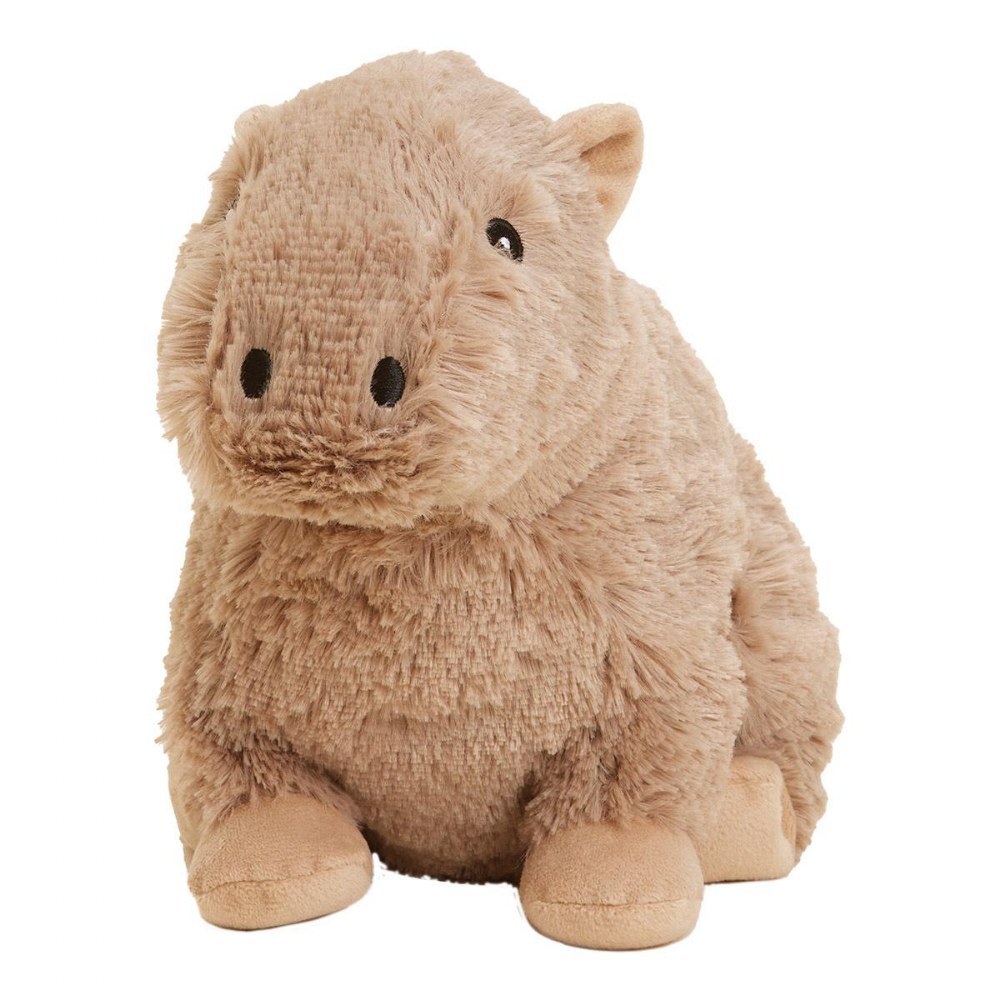
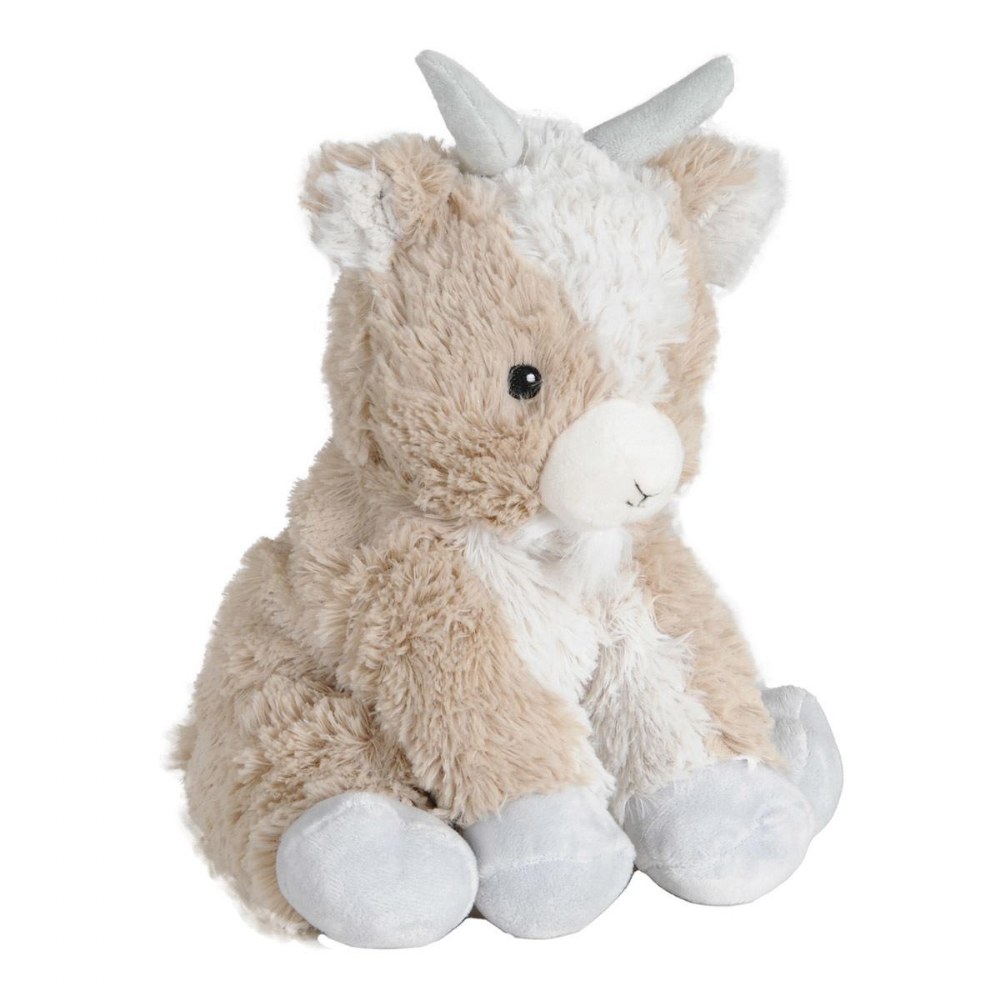
The only common exception is a purpose-made microwaveable stuffed animal. These toys usually contain dried grain, flaxseed, rice, or a sealed heat-safe insert. The packaging or care label must clearly state that the product can be heated in a microwave.
If the label does not give microwave instructions, treat the toy as unsafe. Do not rely on its size, softness, or appearance. A small plush toy can still contain plastic parts or flammable fabric.
<figcaption style=”font-size: 14px; color: #555; margin-top: 8px;”>
Source: youtube.com
Why Regular Stuffed Animals Are Unsafe in a Microwave
A microwave heats water molecules. That process can create hot spots inside a stuffed animal, especially when the toy has uneven filling or damp areas. The outside may feel warm while the center becomes dangerously hot.
Many plush toys also include materials that do not handle microwave heat well. Common problems include:
• Polyester stuffing can melt, shrink, or develop a burnt smell.
• Synthetic fur can scorch or become stiff.
• Plastic eyes, noses, and decorations can soften or warp.
• Glue can melt and cause parts to fall off.
• Metal threads, wires, or batteries can spark.
• Foam filling can overheat and release unpleasant fumes.
• A damp toy can produce steam and split along weak seams.
There is also a fire risk. Fire safety guidance warns that items heated unevenly or without enough moisture can ignite. A stuffed animal is not designed to distribute heat like food or a microwave-safe heat pack.
When Is It Safe to Microwave a Stuffed Animal?
You may microwave a stuffed animal only when it is specifically designed for that purpose. Look for clear wording such as “microwave-safe,” “microwavable,” or “heat according to the included instructions.”
A safe heatable plush should have:
• A manufacturer’s heating guide.
• A recommended microwave power level.
• A maximum heating time.
• A stated cooling or resting period.
• A removable cover when the design requires one.
• Filling made for controlled heat, such as grain, flaxseed, or a sealed gel pack.
Follow the instructions exactly. Do not add extra time because the toy “doesn’t feel warm enough.” Heat can continue moving through the filling after the microwave stops.
Some heatable plush toys are sold as comfort products for children. However, young children should use them only with adult supervision. A toy that feels pleasantly warm to an adult may be too hot for a child’s thinner skin.
How to Check a Stuffed Animal Before Heating It
Before you ask, “can you microwave stuffed animals,” inspect the toy carefully. A label is more reliable than guesswork, but a physical check can reveal additional risks.
Use this simple process:
-
Read every care label and instruction sheet.
-
Check whether the toy is made for microwave heating.
-
Look for batteries, sound boxes, wires, magnets, or metal parts.
-
Inspect the seams for holes or loose stitching.
-
Check for wet spots, stains, or cleaning chemicals.
-
Remove any clothing or accessories unless the instructions say they are safe.
-
Confirm the toy is not damaged, leaking, or unusually hard in one area.
-
Use the exact time and power setting printed by the manufacturer.
If the label says “surface clean only,” “do not heat,” or gives no heating guidance, do not microwave it. When information is missing, the safest choice is to use another warming method.

How to Microwave a Microwave-Safe Stuffed Animal
If you have a certified heatable plush, prepare it with care. The instructions that come with the toy should always take priority over general advice.
A cautious method is:
-
Remove plastic accessories, clothing, and detachable parts.
-
Make sure the toy is dry and clean.
-
Place it alone in the microwave.
-
Set the microwave to the recommended power level.
-
Heat it for the shortest listed time.
-
Let it rest for the recommended period.
-
Shake or gently knead it if the instructions require this.
-
Test the temperature on the inside of your wrist before giving it to a child.
Stop immediately if you notice smoke, sparks, an unusual smell, melting, or a popping sound. Keep the microwave door closed if a fire starts, turn off the appliance, and unplug it only if you can do so safely. Never use water on a microwave fire.
A useful lesson from testing heatable comfort products is that “warm” is not the same as “hot.” A gentle temperature is enough. Overheating does not make the toy safer or more effective.
What Happens If You Microwave a Regular Stuffed Animal?
Microwaving a regular stuffed animal may cause damage even when nothing dramatic happens at first. The toy can develop hidden heat damage, melted fibers, or weakened seams.
Possible results include:
• A burnt or chemical odor.
• Brown or black scorch marks.
• Melted plastic details.
• A torn seam from steam or pressure.
• Clumped or hardened stuffing.
• Smoke inside the microwave.
• Sparks from hidden metal.
• Fire damage to the toy or appliance.
A toy may also appear normal but become unsafe later. For example, a melted eye could loosen and become a choking hazard. This matters most when the stuffed animal belongs to a baby or toddler.
Do not try to “test” a regular plush toy for a few seconds. Microwave safety is based on the product’s design and materials, not on a short experiment.

Can You Microwave a Wet or Damp Stuffed Animal?
Do not microwave a wet stuffed animal unless the manufacturer specifically designed it for microwave heating. Water trapped inside the filling can turn to steam, expand, and push against the seams.
A damp plush toy may also dry unevenly. One section can become very hot while another remains wet. That uneven heating can damage the filling or create a burn risk.
To dry a washable stuffed animal:
• Press out excess water with a clean towel.
• Let it air-dry in a warm, well-ventilated place.
• Use a fan if needed.
• Turn the toy from time to time.
• Make sure the center is fully dry before storing it.
Avoid high heat from a hair dryer unless the care label allows it. Direct heat can damage synthetic fur, plastic parts, and delicate stitching.
Safer Ways to Warm a Stuffed Animal
If the goal is comfort, a microwave is not the only option. These methods are safer for ordinary plush toys:
• Place the stuffed animal near, but not on, a warm radiator.
• Put it in a clean dryer on a low, no-heat setting if the care label permits.
• Warm a separate microwave-safe heat pack and place it beside the toy, not inside it.
• Use a blanket or soft towel warmed at room temperature.
• Keep the toy close to your body for gentle warmth.
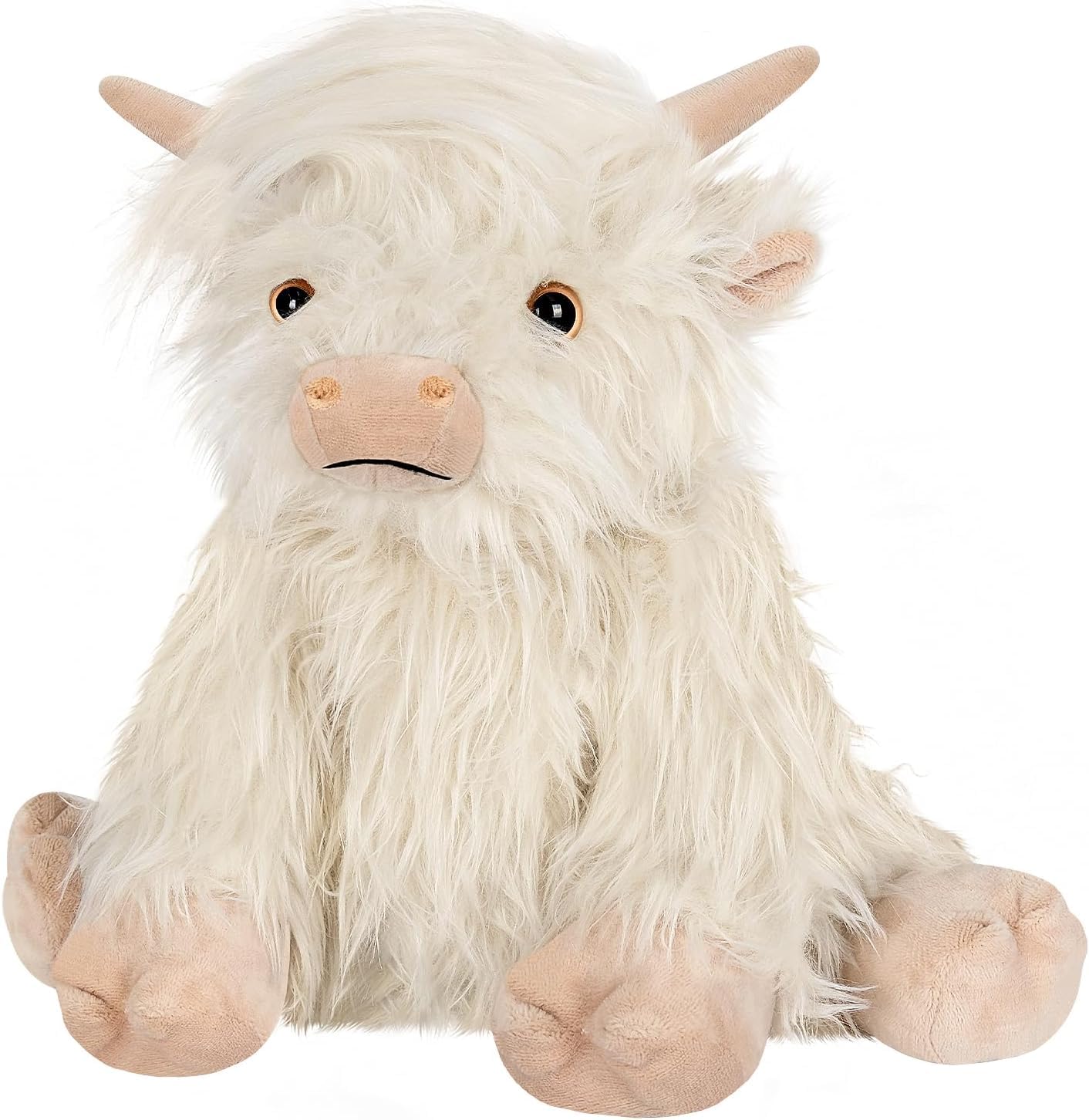
• Choose a heatable plush made for this purpose.
Never place a regular stuffed animal on a stove, hot plate, heating element, or electric blanket. Direct heat can create hot spots and may ignite fabric.
A separate heat pack is often the best choice. It lets you check the heat source on its own and keeps the plush toy away from hot materials.
Can You Microwave Stuffed Animals to Kill Germs?
Microwaving is not a reliable way to disinfect stuffed animals. Germ removal depends on temperature, exposure time, moisture, and the type of germ. A microwave can leave cool areas while creating dangerous hot spots elsewhere.
It can also damage the toy without making it hygienic. Melted plastic, scorched fabric, and weakened seams are not signs of effective cleaning.
For washable plush toys, follow the care label. Common options include:
• Machine washing in a mesh bag.
• Hand washing with mild detergent.
• Surface cleaning with a damp cloth.
• Air-drying completely.
• Using a fabric-safe disinfecting product when the label allows it.
For babies and children, inspect the toy after cleaning. Make sure the eyes, nose, seams, and small parts remain secure. If the toy is heavily soiled, moldy, or damaged, replacement may be safer than trying to rescue it.

How to Clean a Microwave-Safe Stuffed Animal
A heatable plush still needs regular care. Moisture, food stains, and body oils can build up on the outer fabric, while the inner filling may not be washable.
Start by checking whether the cover is removable. If it is, wash the cover according to its label and let it dry fully before replacing it.
If the cover cannot be removed:
-
Spot-clean the surface with a damp cloth.
-
Use a small amount of mild soap.
-
Avoid soaking the inner filling.
-
Wipe away soap residue.
-
Air-dry the toy completely.
-
Inspect it for leaks, stains, or damaged seams.
Never microwave a toy with cleaning spray, alcohol, oil, or another chemical still on the surface. These substances can change how the material reacts to heat.
Special Risks for Babies, Toddlers, and Pets
Extra care is needed when a stuffed animal will be used by a child or pet. Babies and toddlers may chew the fabric, pull at seams, or place the toy against sensitive skin.
A heatable plush can cause burns if it is too hot. Children may also be unable to explain that the toy feels uncomfortable. Always test the temperature yourself and supervise use.
For pets, avoid heatable plush toys with loose grain, gel, plastic eyes, squeakers, magnets, or small parts. A dog or cat may tear the toy open and swallow the filling.
Replace a stuffed animal when you find:
• Loose threads or open seams.
• Missing eyes, buttons, or noses.
• A leaking heat insert.
• A burnt smell.
• Mold or deep moisture damage.
• Hardened, melted, or clumped stuffing.
A favorite toy can have strong emotional value, but safety must come first. Take a photo or keep a small piece of fabric if replacement is necessary.
Common Mistakes to Avoid
People often search “can you microwave stuffed animals” after seeing someone warm a plush toy online. Short videos may leave out important details, such as the product label, microwave power, or fire risk.
Avoid these mistakes:
• Microwaving a regular stuffed animal “just for a few seconds.”
• Guessing the heating time for a heatable plush.
• Using the highest power setting.
• Heating a toy with batteries or metal.
• Adding water without manufacturer approval.
• Heating a damaged or leaking toy.
• Giving a hot toy directly to a child.
• Leaving the microwave unattended.
• Reheating the toy repeatedly in a short period.
The safest habit is simple: read the label first, use the lowest approved heat, and stop when anything seems unusual.
Frequently Asked Questions About Can You Microwave Stuffed Animals
Can you microwave a regular stuffed animal?
No. A regular stuffed animal may contain synthetic fibers, plastic, glue, foam, metal, or batteries that can melt, spark, scorch, or catch fire. Only microwave a plush toy when the manufacturer clearly approves it.
Can you microwave a stuffed animal with rice inside?
Only if it was designed and labeled as a microwaveable heat pack. Homemade rice-filled toys can heat unevenly, become too hot, or catch fire if the filling or fabric is unsuitable.
How long can you microwave a heatable stuffed animal?
Use only the time printed in the manufacturer’s instructions. Microwave power varies, so adding extra time can cause overheating, burns, smoke, or fire.
Can you microwave a stuffed animal to dry it?
No, not unless the product instructions specifically allow microwave drying. A wet plush toy can produce steam, split at the seams, and develop dangerous hot spots.
Can a child use a microwaved stuffed animal?
A child can use a properly heated, microwave-safe plush with adult supervision. Always test it against your wrist first and allow it to cool if it feels hot.
What should you do if a stuffed animal catches fire in the microwave?
Turn off the microwave and keep the door closed, since opening it can feed the fire with oxygen. Do not use water, and contact emergency services if the fire does not stop or spreads.
Conclusion
The safest answer to “can you microwave stuffed animals” is usually no. Regular plush toys are not built for microwave heat and may contain materials that melt, spark, scorch, or create a fire hazard.
A specially made heatable stuffed animal can be used when its label provides clear instructions. Check the toy, follow the exact time and power setting, test the temperature, and supervise children. For ordinary plush toys, choose air-drying, gentle room-temperature warmth, or a separate microwave-safe heat pack instead.
When in doubt, protect the toy and the people who use it by choosing the safer option. Share your own stuffed-animal care tips or explore the manufacturer’s care guide before heating any plush product.

Appliance Review Expert
Lucas Ramirez is a trusted voice at HomeFixGrid.com, known for his clear, practical, and creatively written guides that simplify appliance care for everyday homeowners. With a strong focus on hands-on testing and real-world problem-solving, Lucas brings expert insight into appliance reviews and troubleshooting techniques. Her work empowers readers to confidently maintain, repair, and choose the right appliances for their homes.