How To Make The Freezer Colder: Simple Cooling Tips
Set the freezer to 0°F, clear blocked vents, improve door seals, and keep it steadily filled.
Learning how to make the freezer colder starts with airflow, temperature settings, and a tight door seal. A freezer that still feels warm may have a simple issue, such as an overpacked shelf, a dirty condenser, or a faulty thermostat. This guide explains safe steps, common mistakes, and signs that call for professional repair.
How cold should a freezer be?
The ideal freezer temperature is 0°F, or about −18°C. At this temperature, food stays safely frozen, and quality loss slows down.
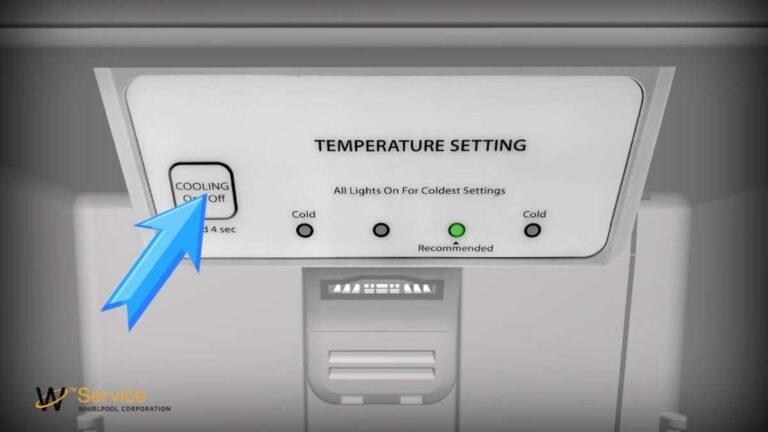
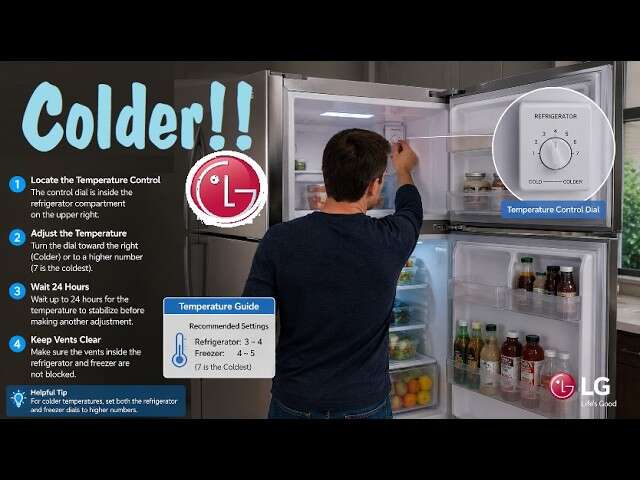
Some freezers have settings from 1 to 5 or from “warm” to “cold.” A higher number often means colder, but this is not universal. Check the owner’s manual before changing the setting.
Use a separate freezer thermometer when possible. The built-in dial may show the setting, not the true air temperature. Place the thermometer near the center of the freezer and wait 12 to 24 hours before reading it.
A freezer may need to run below 0°F for a short time after you add warm food. However, keeping it much colder than needed can increase energy use and place extra strain on the compressor.
Before you try to make the freezer colder
Start with a quick inspection. Many cooling problems come from blocked air paths rather than a weak cooling system.
Check these areas first:
• Temperature control: Set the freezer to 0°F or one step colder than its current setting.
• Air vents: Make sure food does not cover the vents inside the freezer.
• Door seal: Look for gaps, cracks, food crumbs, or loose sections around the gasket.
• Frost buildup: Thick ice on the back wall can block airflow.
• Room temperature: A freezer in a hot garage may struggle during summer.
• Power supply: Confirm that the plug is secure and the circuit is not overloaded.
When learning how to make the freezer colder, avoid changing several things at once. Make one adjustment, then wait at least 12 hours. This makes it easier to find the real cause.

How to make the freezer colder step by step
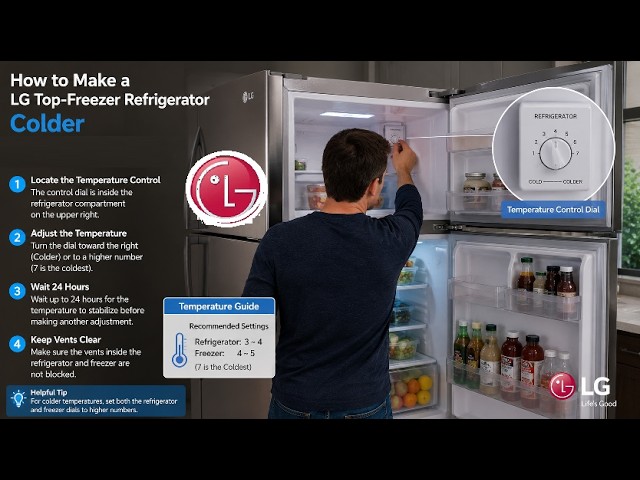
1. Lower the temperature setting
Turn the control one step toward “colder.” On a digital model, set the temperature to 0°F. Do not immediately choose the coldest setting unless the manual recommends it.
After changing the setting, close the door and let the freezer run. A full temperature change can take up to 24 hours.
If the freezer has a “fast freeze” or “power freeze” mode, use it after adding a large amount of food. This feature is usually temporary and may increase energy use.
2. Clear the internal air vents
Cold air must move around the cabinet. If frozen boxes press against a vent, one area may become warm while another area becomes icy.
Keep several inches of space around the vents. Do not push food tightly against the rear wall, either. The evaporator coil may sit behind that panel, and blocked airflow can reduce cooling.
Arrange food with small gaps between packages. Think of cold air like water in a stream. If you block the channel, it cannot reach every part of the freezer.
3. Check the door gasket
The rubber gasket forms an airtight seal around the freezer door. A poor seal lets warm, moist air enter. That makes the compressor work harder and can create frost.
Clean the gasket with warm water and mild dish soap. Dry it well. Remove crumbs and sticky residue from the cabinet edge, too.
Try the paper test:
-
Close the door on a sheet of paper.
-
Pull the paper gently.
-
Repeat this test around the full seal.
The paper should offer some resistance. If it slides out easily in several places, the gasket may need adjustment or replacement.
4. Defrost heavy ice buildup
A thick layer of frost can act like a blanket over the cooling system. It also reduces the room available for cold air to move.
Unplug the freezer before manual defrosting. Move food to another freezer or an insulated cooler with ice. Leave the door open and allow the ice to melt naturally.
Never chip ice with a knife or use a heat gun. Sharp tools can puncture a refrigerant line, while intense heat can damage plastic and wiring. Use towels to absorb water as the ice melts.
After defrosting, clean and dry the interior. Plug the freezer back in and allow it to reach 0°F before returning food.
5. Clean the condenser area
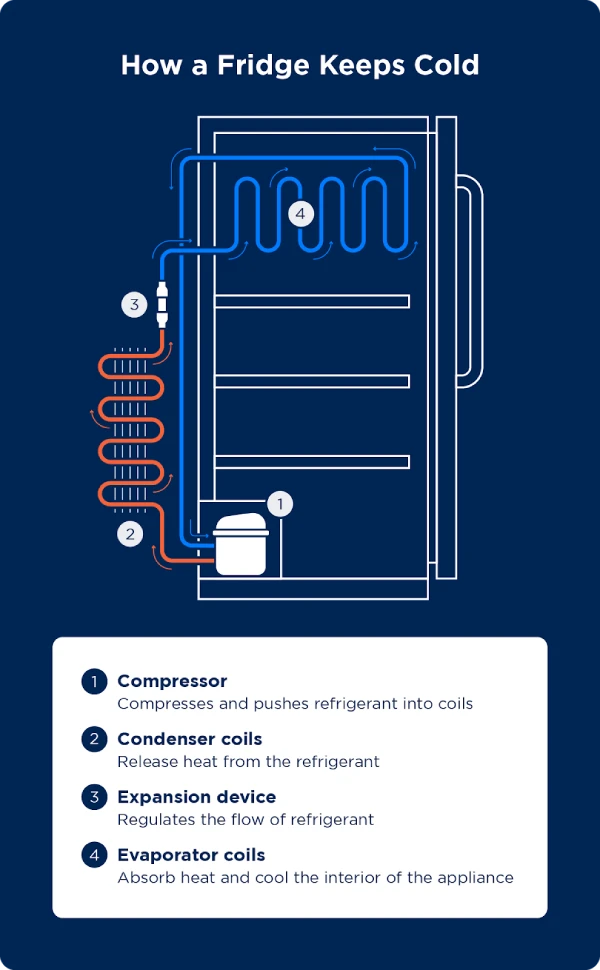
Many freezers release heat through condenser coils or a condenser compartment. Dust on these parts acts like a thick coat, making heat transfer harder.
Unplug the appliance first. Use a refrigerator coil brush or a vacuum with a soft brush attachment. Clean the grille, coils, and nearby floor area.
Some modern freezers have sealed systems with coils that are not easy to reach. Do not remove panels unless the manual allows it. If you hear unusual sounds or see oil, stop and call a technician.
6. Load the freezer correctly
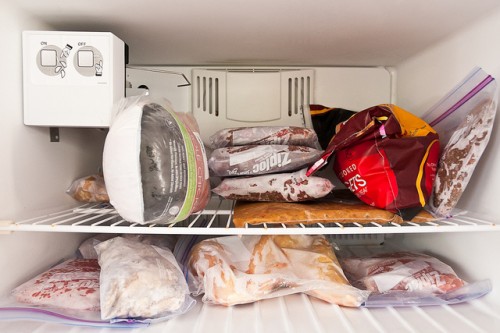
A freezer works best when it is reasonably full, but not packed solid. Frozen food helps hold cold air, while open space lets air circulate.
Keep space around vents and place newer food where it will freeze quickly. Store food in flat, sealed packages when possible. Flat packages freeze faster than deep containers.
If the freezer is nearly empty, add ice packs or sealed containers of frozen water. Do not fill it with hot water or warm food. Allow new food to cool in the refrigerator first, when safe and practical.
7. Reduce door openings
Each door opening allows warm air to enter. In humid weather, that air can create frost within minutes.
Group items by type and label packages. Keep often-used food near the front. Close the door fully after each use.
If the door does not stay closed, check for a tilted cabinet, an overloaded shelf, or a package touching the frame.
Common reasons a freezer will not get colder
Knowing how to make the freezer colder is easier when you understand the likely cause. Start with simple problems before assuming the compressor has failed.
The freezer is overpacked
Too much food can block vents and prevent cold air from circulating. It can also keep the door from closing fully.
Move packages away from the vents and remove items that press against the door. If the freezer remains warm after 24 hours, continue troubleshooting.
The freezer is too empty
An empty freezer has little thermal mass. The air warms quickly each time the door opens.
Add ice packs or frozen containers to help stabilize the temperature. Leave clear space around the vents.
The door seal leaks
A leaking gasket lets warm air enter all day. You may see frost near the door, condensation, or food that softens at the front.
A damaged gasket is usually replaceable. Use the model number to order the correct part, and follow the installation instructions.
Frost blocks the evaporator area
Frost often points to poor airflow, frequent door openings, or a defrost system problem. If frost returns soon after a full defrost, the appliance may have a failed heater, sensor, timer, or control board.
That repair requires testing. Repeatedly scraping away the ice only treats the symptom.
The condenser is dirty
Dust and pet hair can reduce heat release. This is especially common in homes with pets or in garages.
Clean the accessible condenser area every six to 12 months. A dusty environment may require more frequent cleaning.
The room is too hot
Most household freezers perform best in a moderate indoor space. A hot garage, enclosed porch, or utility room can push the appliance beyond its design range.
Check the climate rating in the manual. If the freezer sits in extreme heat, better ventilation or a different location may help.
The thermostat or sensor is inaccurate
A faulty sensor may tell the freezer to stop cooling too soon. Compare the display or dial with a separate freezer thermometer.
If the actual temperature stays above 0°F despite a colder setting, contact an appliance professional.
The compressor or sealed system has a fault
A compressor problem, refrigerant leak, or restricted sealed system can stop the freezer from reaching a safe temperature. Warning signs include a constant clicking sound, a hot compressor, weak cooling, or no cooling at all.
Do not attempt to add refrigerant yourself. Refrigerant work requires special tools, training, and legal handling procedures.

Mistakes to avoid when making a freezer colder
Some quick fixes can damage the appliance or create a food safety risk. Avoid these common errors:
• Setting the control to the coldest position and leaving it there without checking the actual temperature.
• Blocking vents with boxes, bags, or large containers.
• Using a knife, screwdriver, or sharp tool to remove frost.
• Pouring boiling water inside a plastic freezer.
• Placing hot food directly into a crowded freezer.
• Keeping the door open while deciding where to store food.
• Ignoring a damaged gasket or door that does not close.
• Relying on smell or appearance to judge whether thawed food is safe.
When testing how to make the freezer colder, use a thermometer and allow enough time for each change. Guessing can waste energy and hide a serious fault.

Food safety and freezer temperature
A freezer should stay at 0°F or below. Frozen food may remain safe during a short power outage if the door stays closed, but quality can decline as food warms.
If food still contains ice crystals, it may be safe to refreeze or cook, depending on how long it was warm. Food that has fully thawed and stayed above 40°F for more than two hours should be handled with caution.
When in doubt, throw it out. Freezing does not destroy every harmful germ. It mainly slows microbial growth until food is thawed.
Keep a thermometer inside the freezer. It gives you useful information during a power failure and helps confirm whether your changes worked.

Energy-efficient ways to keep a freezer colder
A colder freezer is not always a better freezer. The goal is stable temperature, not the lowest possible number.
Use these habits to improve cooling without wasting power:
• Keep the freezer at 0°F instead of using an unnecessarily cold setting.
• Replace or repair a loose door gasket.
• Keep the appliance away from ovens, radiators, and direct sunlight.
• Leave a little space around the appliance for heat to escape.
• Cool food in the refrigerator before freezing it.
• Open the door only when needed.
• Defrost manual models when frost becomes about one-quarter inch thick.
• Clean dust from accessible coils and vents.
A stable, moderately full freezer usually uses less energy than one that is empty, overloaded, or opened often. Energy use also depends on the appliance’s age, size, insulation, and efficiency rating.
When to call an appliance technician
Basic cleaning and temperature adjustments are safe for most homeowners. Some symptoms, however, point to a repair that needs professional tools.
Call a qualified technician if:
• The freezer remains above 0°F after 24 hours of troubleshooting.
• The compressor runs constantly but the interior stays warm.
• The appliance clicks repeatedly and fails to start.
• Frost returns quickly after a complete defrost.
• You notice an oily residue near the freezer.
• The door or cabinet is warped.
• The freezer trips the circuit breaker.
• A burning smell, damaged wire, or unusual electrical noise appears.
Do not remove sealed-system panels or handle refrigerant without the right training. The cost of a service visit may prevent more expensive damage.
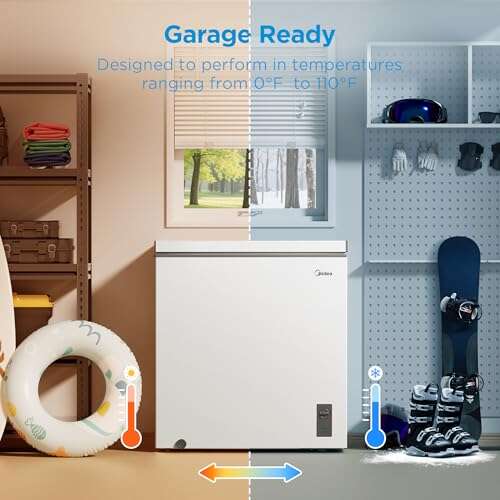
How to make the freezer colder in a garage
Garage freezers face two opposite problems. In summer, high heat makes it harder to release warmth. In winter, very cold air can confuse the thermostat on some models.
Check whether the freezer is rated for garage use. A garage-ready model is designed to work across a wider temperature range.
Improve the location by keeping the appliance away from direct sun and giving it room for ventilation. Do not place it next to a water heater or furnace.
In cold climates, avoid using an unapproved space heater near the freezer. It can create a fire risk and may not solve the thermostat problem. Follow the appliance manual instead.

Practical lessons from freezer troubleshooting
One mistake I often see is turning the dial colder before checking the door. A freezer with a small gasket leak may run for hours, yet the inside still stays too warm. Fixing the seal can work better than lowering the setting.
Another useful lesson is to avoid judging temperature by touch. A package can feel very cold while the freezer air is still above the recommended temperature. A simple thermometer gives a far better answer.
I also recommend taking a photo of the control setting before making changes. If the freezer behaves differently later, you can return to the original setting and test one adjustment at a time.
The most reliable approach to how to make the freezer colder is simple: measure the temperature, improve airflow, check the seal, clean the heat-release area, and wait between changes.
Frequently Asked Questions About How to Make the Freezer Colder
What setting makes a freezer colder?
On many models, a higher number means a colder setting, but not every brand uses the same system. Set a digital freezer to 0°F and check the manual for dial-based models.
How long does it take a freezer to get colder?
A freezer may show improvement within a few hours, but it can take 12 to 24 hours to reach a stable temperature. Keep the door closed during this period.
Why is my freezer cold but not freezing food?
Blocked vents, a weak door seal, dirty condenser coils, or a faulty defrost system can reduce freezing power. Check the actual temperature with a freezer thermometer before replacing parts.
Can putting more food in the freezer make it colder?
Frozen food can help maintain a steady temperature because it stores cold energy. However, overfilling the freezer blocks airflow and can make cooling worse.
Does a freezer work better when it is full?
A reasonably full freezer often holds its temperature well, but it still needs open space around the vents. Use ice packs in empty areas without packing food tightly.
Should I set my freezer below 0°F?
Usually, no. A setting below 0°F may protect food during brief temperature changes, but it can use more electricity and may not fix a mechanical problem.
Is frost on the freezer wall normal?
A small amount of frost can occur in some manual-defrost models. Thick or rapidly returning frost usually signals blocked airflow, frequent door openings, a poor seal, or a defrost system fault.
Conclusion
The best way to make the freezer colder is to set it near 0°F, protect airflow, check the door gasket, remove heavy frost, and clean accessible condenser areas. Give each adjustment up to 24 hours, and use a separate thermometer instead of relying on touch or the control dial.
If the freezer stays warm, makes repeated clicking sounds, or builds frost again quickly, stop testing and arrange a professional inspection. Try these steps today, then share your results or explore your appliance manual for model-specific guidance.

Appliance Review Expert
Lucas Ramirez is a trusted voice at HomeFixGrid.com, known for his clear, practical, and creatively written guides that simplify appliance care for everyday homeowners. With a strong focus on hands-on testing and real-world problem-solving, Lucas brings expert insight into appliance reviews and troubleshooting techniques. Her work empowers readers to confidently maintain, repair, and choose the right appliances for their homes.