Do Microwave Ovens Leak Radiation: Safety Facts
Introduction
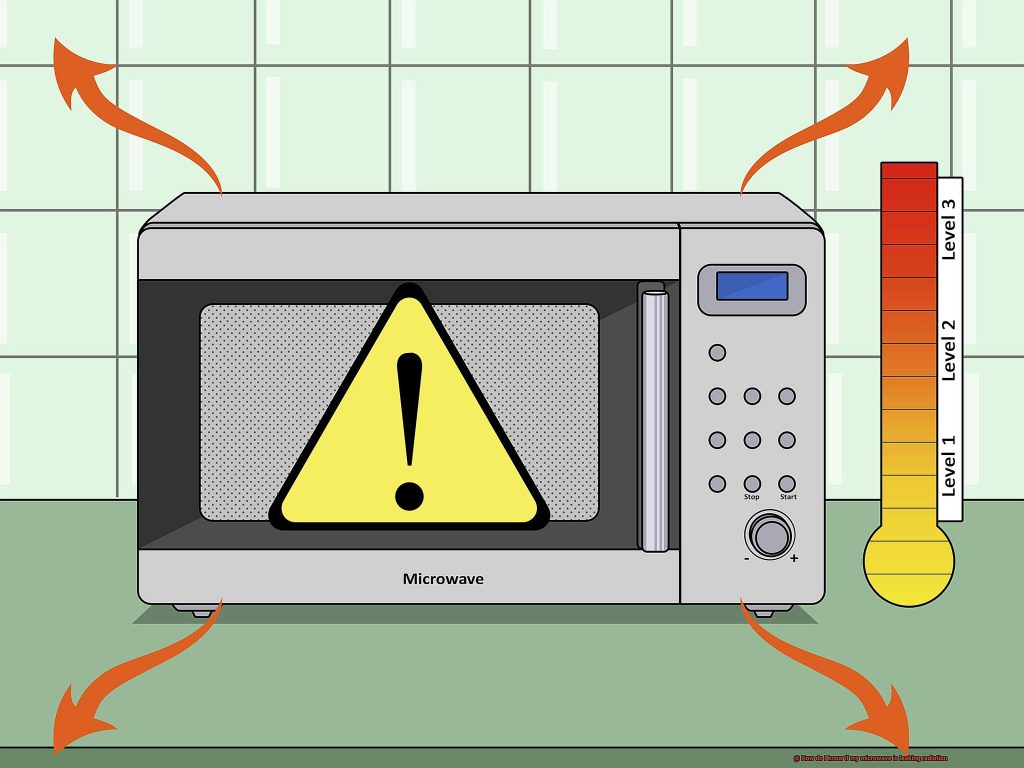
Yes, a microwave oven can leak a small amount of radiation, but a working oven in the United States must keep that leakage within strict federal limits. For normal use, a microwave oven with an intact door and working safety locks is considered safe.
Microwave energy is non-ionizing radiation. It does not make food radioactive. The oven creates heat by making water molecules move. The metal cooking chamber keeps most of that energy inside.
The main risk comes from a damaged door, bent hinges, a broken seal, or a safety switch that does not work. If you see damage, stop using the oven until a qualified technician checks it or you replace it.
What kind of radiation does a microwave oven use?
A microwave oven uses radiofrequency energy. Most household ovens in the U.S. use a frequency near 2.45 gigahertz (GHz).
This energy is non-ionizing. That means it does not have enough energy to break chemical bonds or damage DNA in the way X-rays and gamma rays can. Its main known effect at high levels is heating.
Microwave energy is not the same as radioactive material. A microwave oven does not contain food that becomes radioactive during cooking. When you turn the oven off, it stops making microwave energy.
The oven does use electricity and can contain high voltage parts. Those parts can stay dangerous even after the plug is removed. Never open the outer case. Repairs should be done by a trained service professional.
How does a microwave heat food?
A microwave generator, called a magnetron, sends microwave energy into the cooking space. Water, fat, and some other molecules absorb part of that energy.
The absorbed energy becomes heat. The heat then spreads through the food by conduction and movement of hot moisture.
The microwave energy does not “soak into” food in a lasting way. It acts more like a lamp that is on only while the switch is active. Once the oven stops, the source stops.
Can microwave ovens leak radiation?
A microwave oven can leak a small amount of energy around the door and seals. Small leakage is expected and is regulated. The U.S. Food and Drug Administration (FDA) sets a performance limit for microwave ovens sold in the United States.
The FDA limit is 5 milliwatts per square centimeter (5 mW/cm²), measured about 5 centimeters, or 2 inches, from the oven surface. This applies during the oven’s lifetime under the federal performance standard. The FDA says this limit is far below a level known to cause harm when the oven is used as directed.
Manufacturers must design and certify ovens to meet the applicable federal standard. This does not mean that every old or damaged oven performs perfectly. A broken door or failed interlock can change the safety condition.
The important point is simple: small regulated leakage from an intact oven is not the same as dangerous exposure from a damaged oven.

Why does the microwave door block the energy?
The door has a metal screen with small holes. The holes let you see inside, but they are much smaller than the wavelength of the microwave energy. This helps keep the energy in the cooking chamber.
The door also has seals and safety switches. The switches are often called interlocks. They are meant to stop microwave production when the door opens.
Most ovens use more than one interlock or control feature. These parts reduce the chance that the oven will run with the door open. They are a key safety feature, not just a convenience.
A door that closes is not always a safe door. It may still have:
- A bent frame
- A loose hinge
- A cracked window
- A damaged metal screen
- Food or grease blocking the seal
- A door that does not latch firmly
- A control that runs while the door is open
Do not tape, bend, remove, or bypass any safety part.
How can you tell if a microwave oven is unsafe?
The safest approach is a visual and functional check. Do not try to measure or repair the oven yourself.
Stop using the oven if you notice:
- A cracked, bent, or loose door
- A damaged hinge or latch
- A hole or tear in the metal screen
- A door that does not close fully
- Sparking near the door
- The oven keeps running after you open the door
- The oven starts without a closed door
- A strong burning smell, smoke, or unusual noise
- Signs of fire or melted plastic near the controls
- A seal that is badly damaged or cannot be cleaned
A small amount of steam or moisture around the door does not prove radiation leakage. Steam can escape during cooking. It can also collect on a cool door.
Still, any door problem deserves caution. Unplug the oven if you can do so safely. If it is a built-in unit, use the circuit breaker only if you know which breaker controls it and can do so safely.
Contact the manufacturer, a qualified appliance repair service, or your local waste service. Do not keep using the oven “just to see if it gets worse.”

Does microwave radiation make food radioactive?
No. Microwave cooking does not make food radioactive.
Radioactivity comes from unstable atoms and nuclear processes. Microwave ovens use electromagnetic energy that creates heat. These are different forms of energy.
The microwave energy does not remain in the food after cooking. Food may stay hot, but that heat is not radiation from the oven.
This is also why a microwave oven does not need a cooling period for radiation. You may need to wait because the food is hot or because heat needs time to spread. That is a food safety issue, not a radiation issue.
Use normal food safety steps:
- Follow the package directions.
- Stir or rotate food when instructed.
- Let food stand when the directions call for it.
- Check that the center is hot.
- Use a food thermometer for foods that need a precise temperature.
- Follow USDA guidance for leftovers and raw foods.
Is it safe to stand near a microwave oven?
For a working oven in good condition, normal use near the appliance is not considered a radiation danger. You do not need to leave the room or stand a set distance away.
Microwave leakage drops quickly as distance increases. The energy spreads over a larger area as it moves away from the source. Even so, distance should not replace repair. A damaged oven should not be used from across the kitchen.
You may choose to step away while the oven runs if that makes you feel more comfortable. It is not a required safety step for an intact household oven.
Pregnant people do not need special rules for a properly working microwave oven. The same advice applies: keep the door, latch, and safety controls in good condition.
Can microwave ovens affect pacemakers or other medical devices?
Modern microwave ovens are not generally expected to interfere with pacemakers when the oven is working correctly. The FDA states that microwave ovens do not pose an interference problem for pacemakers.
Medical devices can vary. If your device maker or doctor gave you special instructions, follow those instructions. Do not use a microwave oven with a damaged door or one that operates with the door open.
This issue is separate from radiation leakage. Electromagnetic interference concerns how one electronic device affects another. It is not the same as food becoming radioactive or a person receiving an X-ray.

Should you test a microwave oven for radiation at home?
Most people should not test a microwave oven with a consumer radiation meter. Many low-cost meters are not designed for accurate microwave leakage testing. A reading may be affected by the meter’s design, distance, angle, frequency range, and calibration.
A proper leakage test requires suitable equipment and a trained person who knows how to use it. An appliance technician can inspect the door, hinges, seals, and interlocks.
Do not use these unsafe test methods:
- Do not remove the outer cover.
- Do not bypass the door switch.
- Do not place your body near a damaged door to “check” it.
- Do not run the oven empty to test it.
- Do not use a phone camera as a radiation detector.
- Do not trust a homemade test as proof that an oven is safe.
A cup of water can be used for some normal operating checks, but it cannot prove that an oven meets the federal leakage limit. If the oven has physical damage, testing it at home is the wrong next step.
Does putting metal in a microwave cause radiation leaks?
Metal does not normally make microwave radiation leak through the oven door. The oven door and cooking chamber are designed to contain the energy.
Metal can still cause sparks. Thin metal, foil with sharp edges, twist ties, and metal that touches the oven wall can create arcs. Sparks can start a fire or damage the oven.
Some microwave-safe containers have limited metal parts, such as a browning sleeve or a small designed strip. Use them only as the package directs.
Avoid metal unless the oven manual or food instructions clearly allow it. When in doubt, use glass, ceramic, or a container labeled microwave-safe.
What should you never put in a microwave oven?
The most common hazard is not radiation exposure. It is fire, explosion, burns, or container failure.
Do not microwave:
- Sealed jars or tightly closed containers
- Eggs in their shells
- Whole potatoes without vents or holes
- Grapes or other items known to spark in some conditions
- Metal utensils
- Foil with sharp or loose edges
- Plastic not labeled for microwave use
- Empty containers
- A completely empty oven
Steam can build up inside sealed food and containers. That pressure can cause an explosion. Pierce foods with skins when the cooking directions call for it, and let hot containers stand before opening them.
Microwave-safe plastic does not mean plastic is suitable for every heat level or food type. Follow the container label and the oven manual.

Microwave radiation vs. ionizing radiation
The word “radiation” covers many kinds of energy. That broad word can sound alarming, but the type and amount matter.
| Type | Common examples | Main effect |
|---|---|---|
| Non-ionizing radiation | Radio waves, microwaves, visible light, infrared | Can cause heating or other non-ionizing effects |
| Ionizing radiation | X-rays, gamma rays | Can remove electrons from atoms and damage tissue at sufficient exposure |
Microwave ovens use non-ionizing radiation. They do not use nuclear radiation.
That does not make every exposure level harmless. Very strong microwave fields can heat tissue. This is why ovens need shielding, door locks, and federal performance requirements. The design controls the exposure during normal use.
What does the FDA say about microwave oven safety?
The FDA regulates radiation-emitting electronic products in the United States. Its microwave oven guidance explains that ovens must meet a federal performance standard for microwave radiation leakage and safety features.
The FDA also advises consumers not to use an oven if the door does not close firmly, is bent, or is otherwise damaged. The agency recommends that repairs be handled by qualified service personnel.
Useful primary sources include:
- FDA: Microwave Oven Radiation
- FDA: Microwave Oven Safety
- Electronic Code of Federal Regulations, 21 CFR § 1030.10
- USDA: Microwave Ovens and Food Safety
These sources address U.S. rules and consumer guidance. Rules in other countries may use different limits, test methods, or labels.

Common myths about microwave ovens
“Microwave radiation is the same as nuclear radiation.”
False. A microwave oven uses non-ionizing radiofrequency energy. It does not use radioactive material.
“Any leakage is dangerous.”
False. A small amount of leakage can occur within the federal limit. The concern rises when the oven has a damaged door, seal, latch, or interlock.
“Standing close to the oven is always unsafe.”
False. Normal use near an intact oven is not considered a health danger. A damaged oven should not be used at any distance.
“Microwaved food loses all its nutrients.”
Not generally. Nutrient loss depends on the food, heat, time, and amount of water used. Microwave cooking can preserve some nutrients because it may use less water and shorter cooking times.
“A microwave oven must be empty during a test.”
No. Running an empty oven can damage the magnetron. If you perform a basic operation check, follow the manual and use a suitable amount of water.
“A phone can test microwave leakage.”
No. A phone and a microwave leakage meter serve different purposes. A phone signal test cannot show whether an oven meets the FDA leakage limit.
What should you do if your microwave door is damaged?
Stop using the oven. Do not try to straighten the door, repair the screen, or tape the seal.
If the oven is under warranty, contact the manufacturer. If it is not, compare the repair cost with the cost of replacement. Built-in and over-the-range models may need professional removal.
If the oven has caused smoke or fire, disconnect power only if you can do so safely. For an active fire, leave the area and call 911. Do not open the door during a microwave fire unless the manufacturer’s instructions and emergency guidance tell you to do so; cutting power can help stop the heating cycle.
The safest choice for a badly damaged or very old oven is often replacement. Use your local rules for disposing of electronic appliances.
FAQ
Do microwave ovens leak radiation when they are turned off?
No. A microwave oven does not produce microwave energy when it is off. It may still use a small amount of standby electricity, but that is not microwave radiation.
How far should I stand from a microwave oven?
There is no required distance for normal use of an intact household oven. You may stand nearby. Do not use a damaged oven, even from several feet away.
Can I use a microwave oven with a scratched door?
A light surface scratch may not affect safety, but damage to the door, metal screen, hinge, latch, or seal can. If the scratch is deep, exposes metal, or affects how the door closes, stop using the oven and have it inspected.
Is it safe to use a 20-year-old microwave oven?
Age alone does not prove that an oven leaks radiation. Condition matters more. An older oven with a firm door, intact screen, and working controls may operate normally. Replace or inspect it if it has damage, unusual behavior, or signs of wear.
Do microwave ovens cause cancer?
Current U.S. consumer guidance does not identify normal use of a properly working microwave oven as a cancer risk. The oven uses non-ionizing energy and must meet federal leakage requirements. Do not use a damaged oven, and avoid opening the case.
Conclusion
Microwave ovens can have small amounts of leakage, but U.S. standards limit that leakage and require safety features. A sound oven with an intact door is safe for normal household use.
The practical rule is easy: inspect the door, keep the seal clean, never bypass a safety switch, and stop using the oven if it is damaged or runs with the door open. Do not open the case or rely on a cheap home meter. If you have a serious concern, ask a qualified appliance technician to inspect the oven or replace it.

Appliance Review Expert
Lucas Ramirez is a trusted voice at HomeFixGrid.com, known for his clear, practical, and creatively written guides that simplify appliance care for everyday homeowners. With a strong focus on hands-on testing and real-world problem-solving, Lucas brings expert insight into appliance reviews and troubleshooting techniques. Her work empowers readers to confidently maintain, repair, and choose the right appliances for their homes.