How To Cook Meal Kits Using Slow Cooker Method: 2026 Guide
You can easily adapt most meal kits for the slow cooker by adjusting liquid ratios and cooking times for tender results.
I have spent years testing how to cook meal kits using the slow cooker method to save time on busy weeknights. While meal kits are made for quick stove or oven work, their fresh ingredients are often ideal for low-and-slow cooking. With a little practice, you can turn a 30-minute kit into a hands-off dinner. I’ll share what I learned from trial and error. These are practical tips you can use right away to convert meal-kit recipes into slow cooker dinners that taste great and free up your evenings.

Why Adapt Meal Kits for Slow Cookers
The big benefit of a slow cooker is simple. Low heat breaks down tough fibers in meat. It also deepens sauce flavors. When you learn how to cook meal kits using the slow cooker method, you let the appliance do the work for you. Root vegetables like carrots, potatoes, and onions hold up well to long cooks. They soften slowly and soak up the sauce and spice blends in your kit.
Meal kits often assume quick, wet-free cooking. That means they call for little liquid. A slow cooker traps steam. So you must manage liquids differently. You will also want to think about ingredient timing. From my own kitchen tests, the biggest mistake is following stove-top instructions exactly. Delicate items—like spinach or baby kale—go in at the end. Add them too early and you get a mushy mess. Treat the kit as a base, then finish with fresh herbs or quick-cooking greens right before serving.
Best Meal Kit Types to Convert
Some kits change well to slow cooking. Stew-style or braise-style kits are great. Think beef stew, chicken cacciatore, and chili. Kits with hearty roots and long-cook proteins do best.
Avoid converting kits built for quick sears or crisp textures. Stir-fry kits, fish-forward boxes, or delicate noodle bowls rarely do well here. You can adapt them, but use care with timing and protein swaps.
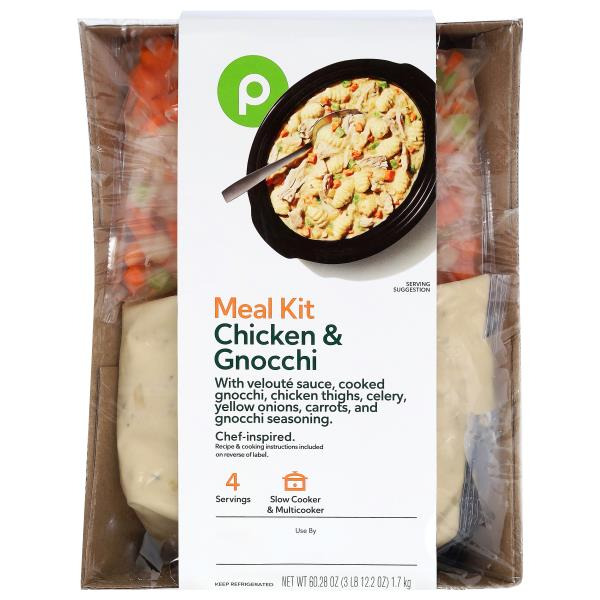
Essential Steps for Converting Recipes
Liquid control is the first thing to master when you learn how to cook meal kits using the slow cooker method. Oven and skillet recipes count on evaporation. Slow cookers do not lose much liquid. I cut the recipe liquid by about 20%. That keeps the dish saucy, not soupy. For example, if the kit calls for 1 cup of broth, start with 3/4 cup. You can always add more at the end.
Liquid Ratio Guidelines
- Standard reduction: reduce liquids by 15–25% for most kits.
- Thicker sauces: use the lower end (15%) and thicken at the end with a slurry or corn starch.
- Pasta kits: add extra liquid but cook pasta separately or late to avoid overcooking.
Protein choice matters next. Thin steak strips or fish cook fast. In a slow cooker they often turn rubbery. I usually swap them for tougher cuts. Chicken thighs, pork shoulder, and beef chuck are forgiving. They stay tender and juicy with long cooks. If you must use a quick-cook protein from the kit, cut back the time. Add it in the last 30–60 minutes on low. That keeps texture pleasant.
Protein Swaps and Timing
- Swap thin steaks and fish for chicken thighs or chuck roast when possible.
- If using quick-cook protein, add it late—last 30–60 minutes on low or 20–30 minutes on high.
- Use a meat thermometer. Aim for safe internal temps: 165°F for poultry, 145°F for pork, and 145°F (rested) for whole cuts of beef.
Vegetables play a big role too. Dense veg like potatoes and carrots should sit at the bottom of the pot. That spot gets the most heat. Quick-cooking vegetables—like green beans, peas, and tender greens—join at the end. Try to keep chunks uniform. That helps everything cook evenly.
Vegetable Timing and Layering
- Place root vegetables on the bottom.
- Add proteins on top of the veg to keep them moist.
- Add delicate veg and herbs in the final 10–20 minutes.
Food safety is important. Thaw proteins in the fridge overnight when possible. Do not start with frozen meat in a slow cooker. Frozen meat can stay too long at unsafe temperatures. If you are short on time, use the stovetop or oven for that protein first, then finish in the slow cooker.

Practical Tips for Best Results
I recommend a short sear for larger cuts and aromatics. Browning adds flavor through the Maillard reaction. It only takes a few minutes. Sear the meat. Soften the onions and garlic. Then move them to the slow cooker. That small step lifts the final taste. It makes a big difference.
Layering matters. Denser vegetables belong at the bottom. Put meat on top. This arrangement keeps meat from drying. It also helps roots cook through. Keep the lid closed. Every time you lift it, you lose heat and add time. Aim to check only once near the end.
Seasoning and Sauce Tips
- Add dry spices and most sauce mixes at the start. They need time to bloom.
- Hold back cream, coconut milk, and fresh herbs. Stir them in the last 10–15 minutes.
- To thicken, remove the lid and cook on high for 15–30 minutes, or add a slurry of cornstarch and water.
Use the slow cooker’s low and high settings wisely. A 30-minute stove recipe usually becomes about 4 hours on low or 2 hours on high. But watch your veg and protein. Cook times vary by appliance and ingredient size. If you are out all day, choose kits meant for long cooks—like pot roasts or stews. Avoid leaving delicate kits on for eight hours.
Tools and Small Upgrades
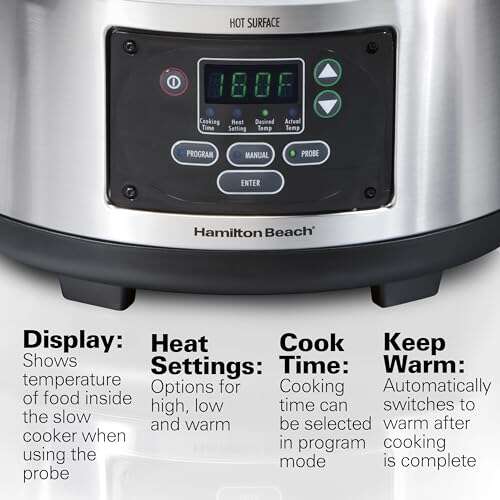
- Use a digital probe thermometer for safe, repeatable results.
- Try a sauté-capable slow cooker or a separate skillet to brown meat and aromatics.
- Keep a small jar of cornstarch or flour handy to thicken sauces at the end.

Frequently Asked Questions of how to cook meal kits using slow cooker method
Can I put frozen ingredients from a meal kit directly into a slow cooker?
It is generally safer to thaw proteins in the refrigerator overnight before adding them to the slow cooker to ensure even cooking temperatures. Placing frozen meat in a slow cooker can keep it in the food danger zone for too long.
How do I adjust the cooking time for a meal kit?
If a recipe takes thirty minutes on the stove, it will usually take four hours on low or two hours on high in a slow cooker. Always keep an eye on the texture of the vegetables to ensure they do not overcook.
Should I add the sauce or spice blend at the beginning?
Yes, adding your spice blends early allows the flavors to penetrate the proteins and vegetables deeply. However, add any cream-based sauces or fresh herbs in the final fifteen minutes to prevent curdling or wilting.
Can I leave a meal kit in the slow cooker all day while I work?
Most meal kits are not designed for eight-hour cooking sessions because the vegetables will turn to mush. If you need a longer cook time, stick to stews or pot roasts rather than delicate stir-fry kits.
Is it necessary to sear the meat before slow cooking?
While not strictly required, searing meat provides a richer flavor and better appearance through the Maillard reaction. I highly recommend this step if your meal kit contains beef or larger cuts of poultry.
How do I prevent pasta in a kit from getting mushy?
Cook pasta separately and add it right before serving. Or add dry pasta in the last 30–45 minutes, and reduce liquid slightly so it does not go soggy. Many kits with pasta work best when you finish the noodles off the heat.
What if a kit has a lot of sauce packets and sodium?
Some kits pack in salt. To control sodium, use only part of the sauce packet at first. Taste at the end. You can always add more seasoning. Also add fresh acidity—lemon juice or a splash of vinegar—to brighten flavors without more salt.
Conclusion
Adapting meal kits for the slow cooker is an easy way to get dinner on the table with less fuss. By adjusting liquids, timing proteins and vegetables, and layering ingredients, you can turn boxed meals into slow-cooked favorites. Start with forgiving kits like stews, swap thin proteins for tougher cuts when you can, and add delicate greens and cream at the end. Try these tips with your next delivery and enjoy the extra time you save. If you found this guide helpful, leave a comment below with your favorite meal kit modification!

Appliance Review Expert
Lucas Ramirez is a trusted voice at HomeFixGrid.com, known for his clear, practical, and creatively written guides that simplify appliance care for everyday homeowners. With a strong focus on hands-on testing and real-world problem-solving, Lucas brings expert insight into appliance reviews and troubleshooting techniques. Her work empowers readers to confidently maintain, repair, and choose the right appliances for their homes.