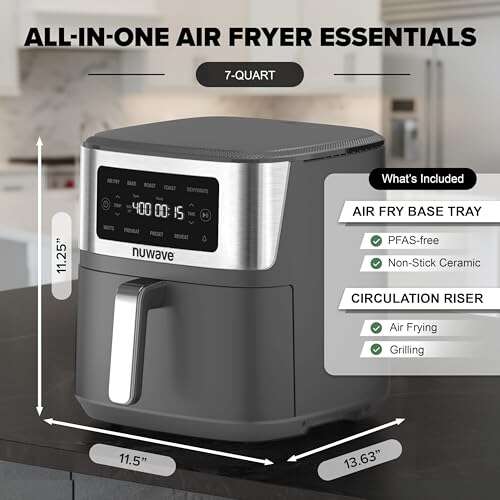

How To Cook Squash In Air Fryer: Easy Crispy Recipe
Air frying squash takes 15 to 20 minutes and creates tender centers with lightly crisp, golden edges.
After testing several squash types and cutting sizes, I have found that air frying is one of the easiest ways to bring out squash’s natural sweetness. This guide explains how to cook squash in air fryer with clear times, temperatures, seasoning ideas, and simple fixes for common mistakes.
Why Cook Squash in an Air Fryer?
An air fryer uses fast-moving hot air to cook food with little oil. This makes squash tender inside while giving the edges a roasted texture. It also cooks faster than a large oven and usually creates better browning than steaming or microwaving.
Learning how to cook squash in air fryer is useful for busy weeknight meals. You can cook yellow squash, zucchini, butternut squash, acorn squash, and delicata squash with the same basic method.
Air frying also helps squash keep its fresh flavor. A small amount of oil encourages browning, while salt and herbs bring out the vegetable’s mild sweetness.
Here are a few benefits:
• Fast cooking with little preparation
• Less oil than deep frying
• Good browning and crisp edges
• Easy cleanup
• Simple control over texture
• A useful way to cook fresh or frozen squash
The main limitation is space. If you fill the basket too much, the squash will steam instead of brown. For the best results, cook in a single layer and leave room for air to move around each piece.
Best Types of Squash for Air Frying
Most squash varieties work well in an air fryer, but each one needs a slightly different preparation method.
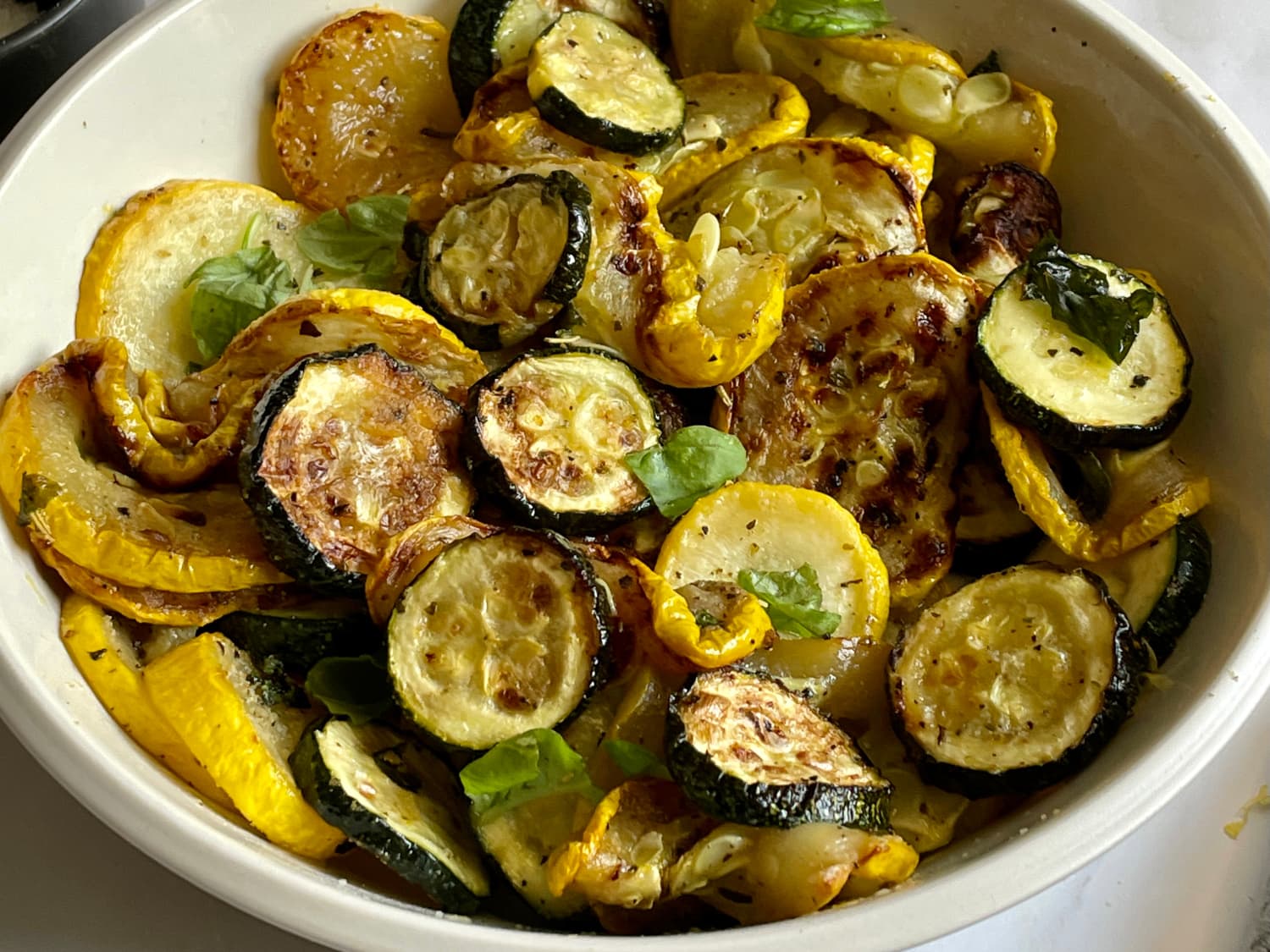
Yellow squash and zucchini
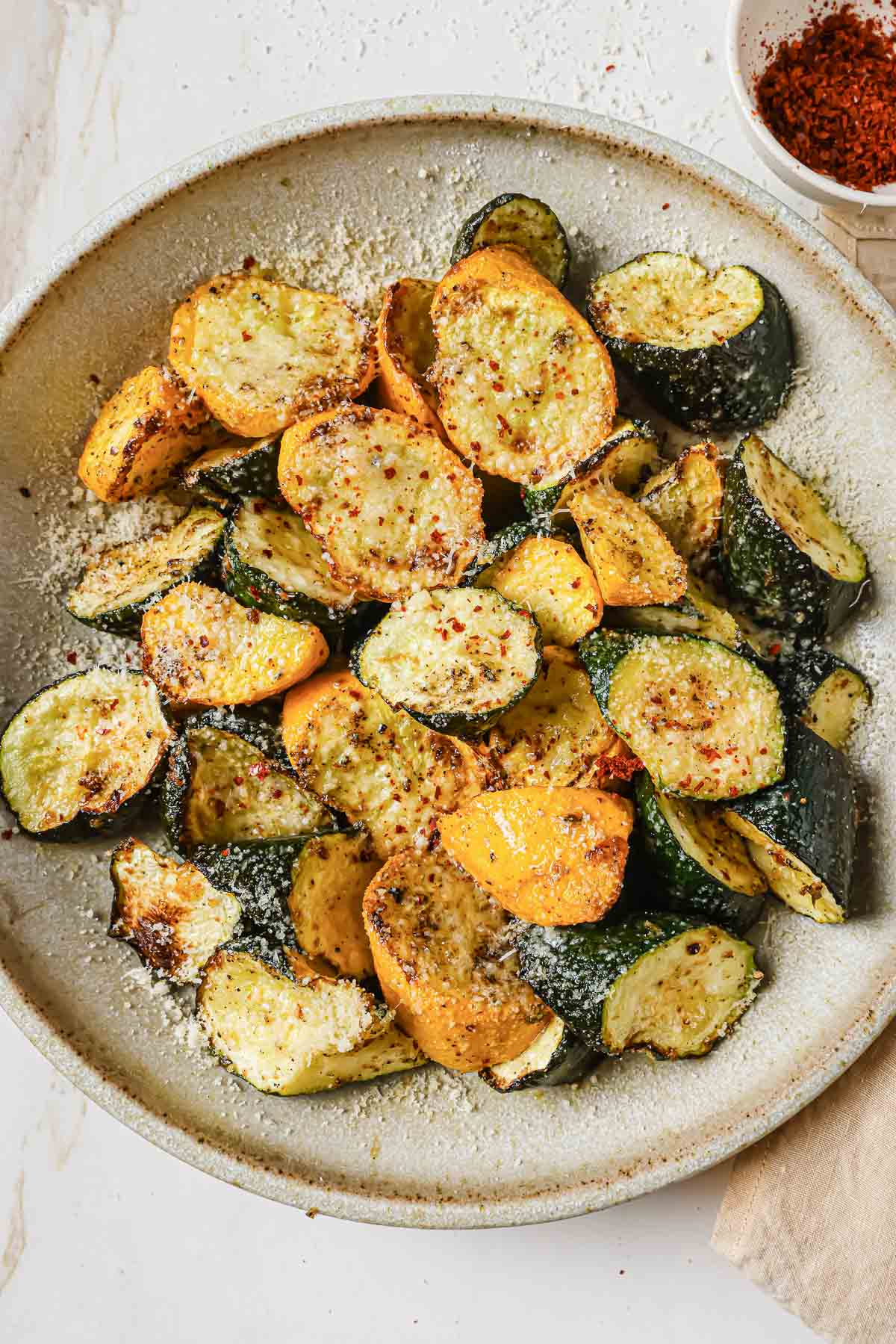
Yellow squash and zucchini cook quickly because they contain a lot of water. Cut them into thick half moons or rounds so they do not become too soft.
A thickness of about ½ inch works well. Smaller pieces may turn limp before the edges brown.
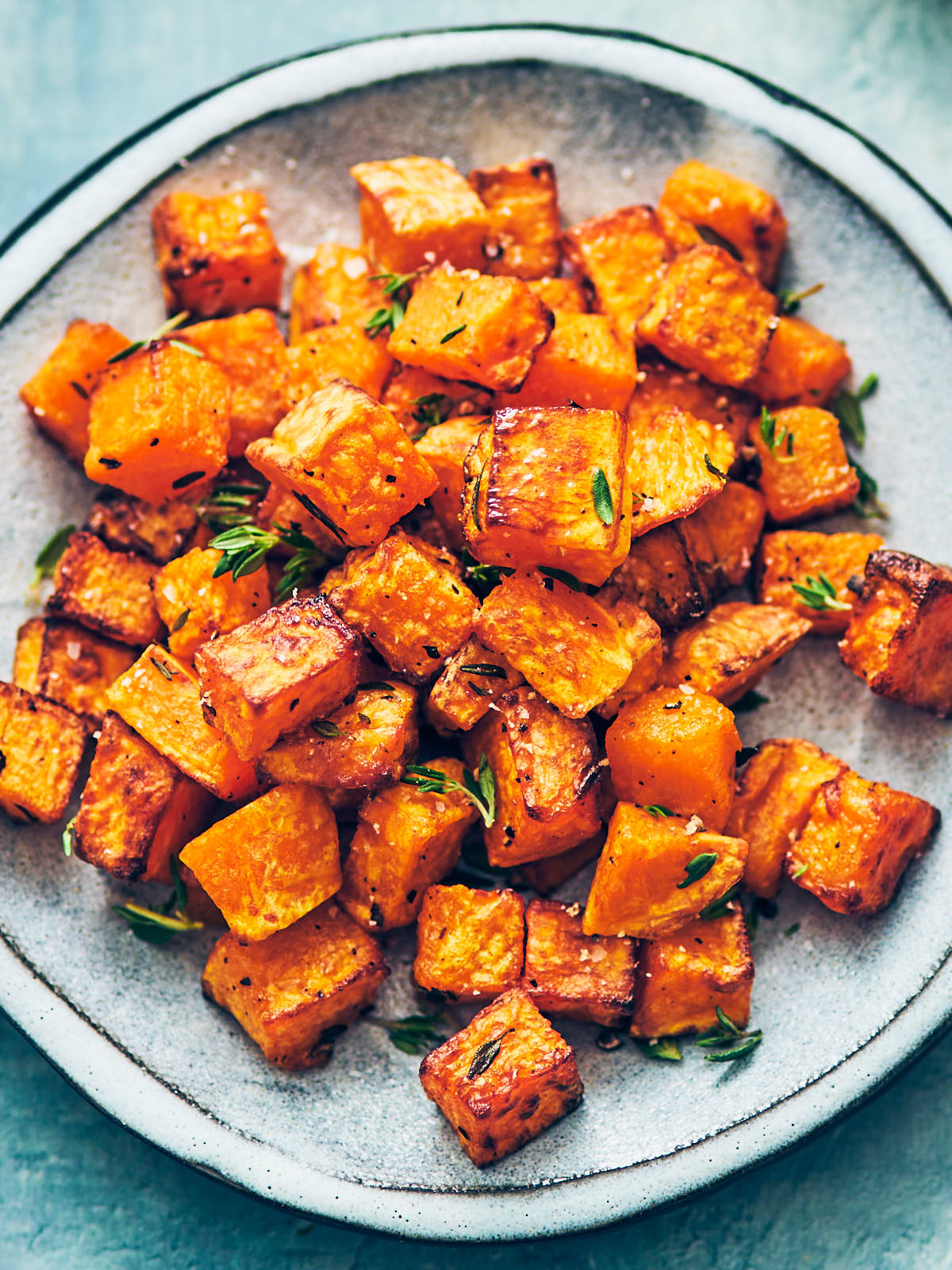
Butternut squash
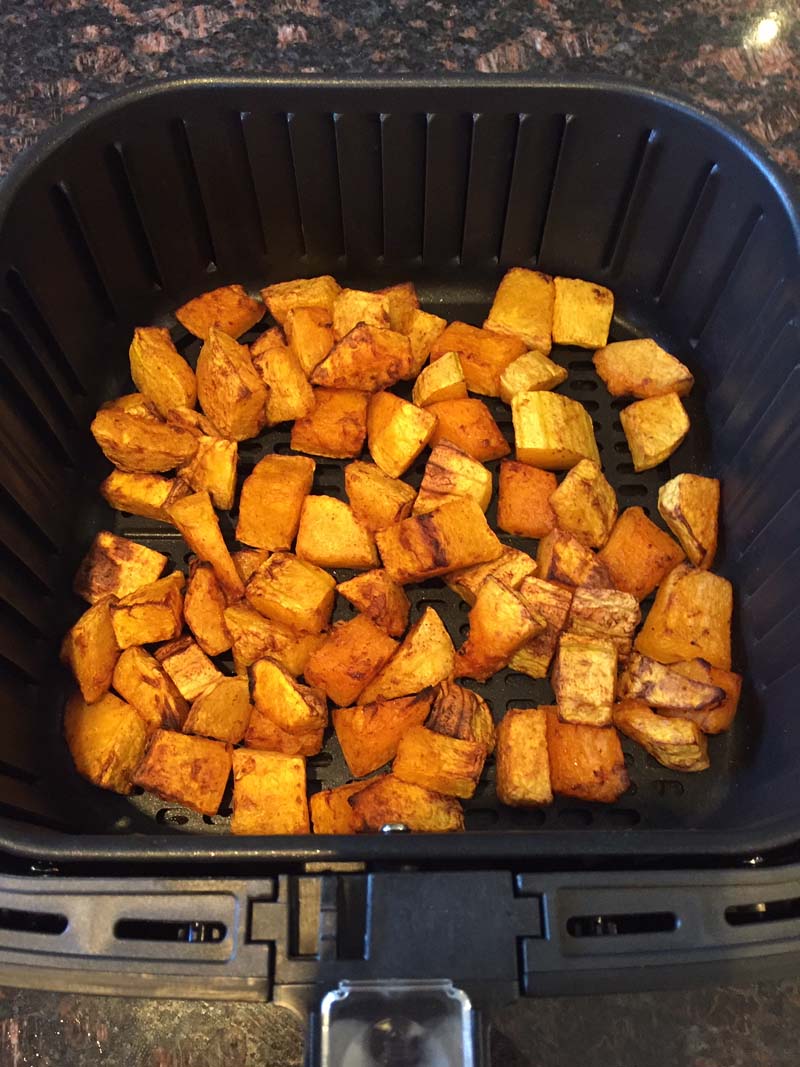
Butternut squash has firm, sweet flesh. Peel it, remove the seeds, and cut it into ¾ inch cubes. Cubes of this size usually become soft inside without burning outside.
You can buy pre-cut butternut squash to save time. Check the pieces and cut any very large chunks in half for even cooking.
Acorn squash
Acorn squash has firm flesh and a rich, nutty taste. Cut it into wedges or half-moon slices. The skin is edible after cooking, but remove it if you prefer a softer bite.
Delicata squash
Delicata squash is one of the easiest choices because its thin skin is edible. Slice it into rings or half moons, then scoop out the seeds before seasoning.
Spaghetti squash
Spaghetti squash is less suited to small, cubed pieces. It is usually best to cut it into rings or halves and cook it until tender. The strands can then be pulled apart with a fork.
When deciding how to cook squash in air fryer, think about the squash’s water content and firmness. Soft summer squash cooks quickly, while dense winter squash needs more time.

Ingredients You Will Need
The basic recipe needs only a few ingredients. Good squash should feel firm and have smooth skin without deep bruises or soft spots.
For about four servings, gather:
• 1 pound of squash
• 1 to 2 tablespoons of olive oil or avocado oil
• ½ teaspoon of kosher salt
• ¼ teaspoon of black pepper
• ½ teaspoon of garlic powder
• ½ teaspoon of paprika, optional
• 1 tablespoon of grated Parmesan, optional
• Fresh herbs, lemon juice, or red pepper flakes, optional
Olive oil adds flavor and helps the surface brown. Avocado oil also works well because it has a mild taste and a high smoke point.
Avoid adding too much oil. Excess oil can make squash greasy and may prevent the edges from crisping. For most batches, one tablespoon is enough.
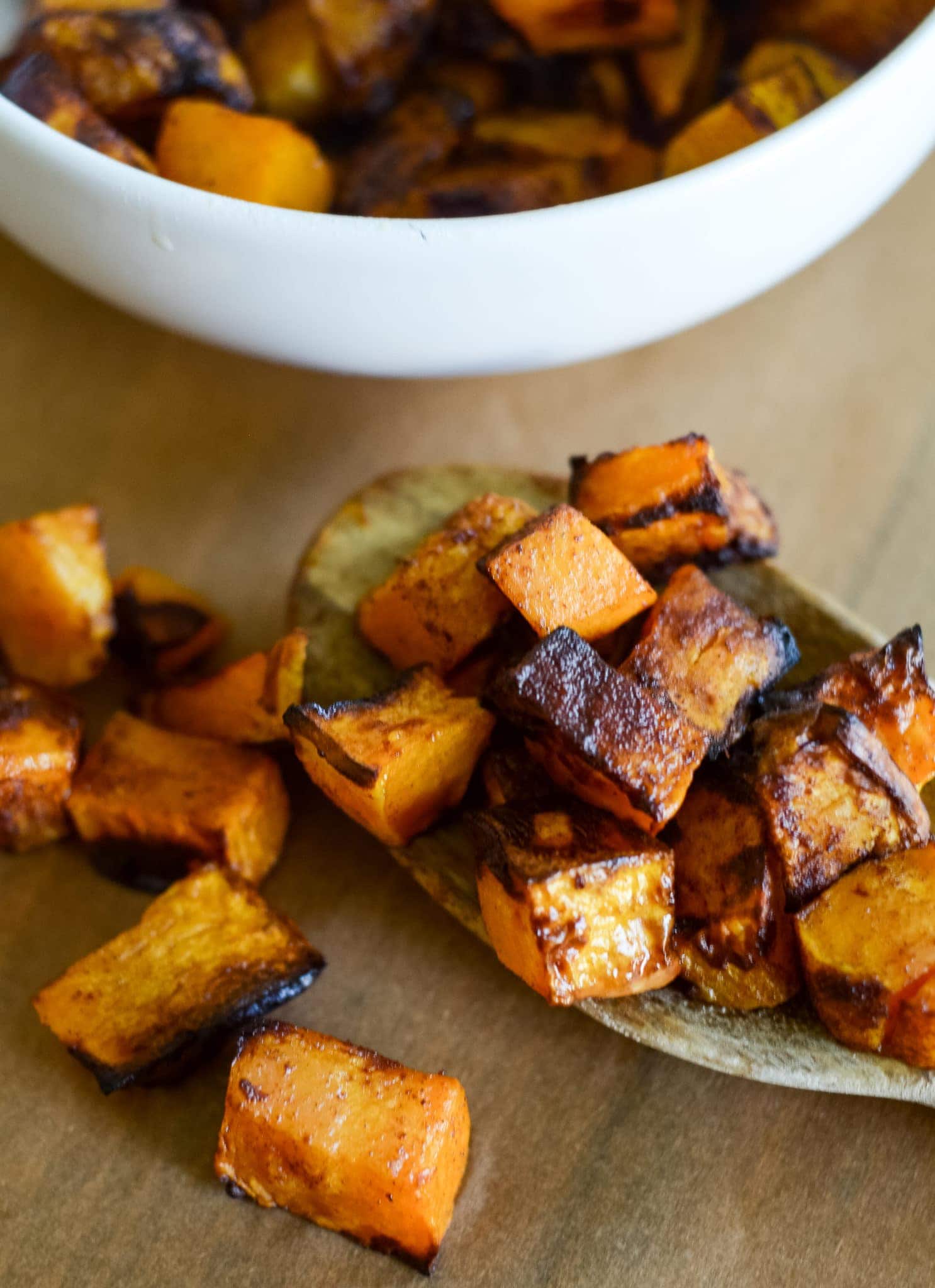
For a sweeter version, season butternut or acorn squash with cinnamon, a small amount of maple syrup, and a pinch of salt. Add maple syrup near the end of cooking so it does not burn.
How to Cook Squash in Air Fryer
The process is simple, but a few small details make a major difference. Follow these steps for tender squash with browned edges.
1. Wash and dry the squash
Rinse the squash under cool water. Dry it well with a clean towel.
Drying matters because surface moisture creates steam. Steam makes the squash soft and pale instead of roasted and golden.
2. Cut the squash evenly
Use a sharp knife and make pieces that are close in size. Even pieces finish cooking at about the same time.
Use these general sizes:
• Summer squash: ½ inch rounds or half moons
• Butternut squash: ¾ inch cubes
• Acorn squash: ½ inch wedges
• Delicata squash: ½ inch slices
Remove seeds and stringy centers when needed. You can leave the skin on delicata squash, zucchini, and yellow squash.
3. Preheat the air fryer
Set the air fryer to 400°F. Let it heat for 3 to 5 minutes if your model recommends preheating.
Some air fryers do not require preheating. Still, a hot basket helps squash begin browning at once.
4. Season the squash
Place the cut squash in a bowl. Add oil, salt, pepper, and your chosen spices.
Toss until every piece has a light coating. Seasoning in a bowl is better than sprinkling oil over squash in the basket because it gives more even coverage.
5. Arrange the pieces
Place the squash in a single layer in the air fryer basket. Leave small spaces between pieces when possible.
Do not crowd the basket. If you have more squash than fits in one layer, cook it in batches.
6. Air fry until tender
Cook at 400°F, shaking the basket halfway through. Check the squash with a fork near the end of the cooking time.
Approximate cooking times include:
• Zucchini or yellow squash: 10 to 14 minutes
• Delicata squash: 12 to 16 minutes
• Butternut squash cubes: 15 to 20 minutes
• Acorn squash wedges: 18 to 25 minutes
• Spaghetti squash rings: 20 to 25 minutes
Air fryers vary in power. Your squash may finish a few minutes earlier or later, so use texture and color as your final guide.
This method is the most reliable way to learn how to cook squash in air fryer. Start checking early, especially when cooking thin slices.

Seasoning Ideas for Air-Fried Squash
Squash has a mild flavor, so it works with both savory and sweet seasonings. Try one of these combinations.
Garlic herb squash
Mix olive oil with garlic powder, dried oregano, black pepper, and salt. Finish with fresh parsley after cooking.
Parmesan squash
Add garlic powder and Italian seasoning before air frying. Sprinkle grated Parmesan over the hot squash during the last 2 minutes.
Spicy squash
Use smoked paprika, chili powder, garlic powder, and a pinch of cayenne. Add lime juice after cooking for a bright finish.
Lemon pepper squash
Season with lemon pepper and a small amount of salt. Add fresh lemon juice after the squash comes out of the basket.
Sweet cinnamon squash
This works well with butternut or acorn squash. Toss with oil, cinnamon, a pinch of salt, and a little maple syrup. Add the syrup during the last few minutes to reduce the risk of burning.
Mediterranean squash
Use olive oil, oregano, garlic, and black pepper. Serve the cooked squash with feta, tomatoes, or a spoonful of plain Greek yogurt.
In my own kitchen tests, smoked paprika and garlic gave zucchini the most satisfying roasted taste. I also learned that fresh lemon juice should be added after cooking. Added too early, it can make the surface less crisp.
How to Get Crispy Air-Fried Squash
Squash contains a lot of water, so it will not become as crisp as a potato. However, you can still create browned edges and a firm surface.
Use these tips:
• Dry the squash before seasoning
• Cut pieces to a similar size
• Avoid overcrowding the basket
• Use a light coating of oil
• Cook at 400°F
• Shake or turn the squash halfway through
• Do not cover the basket with foil
• Serve the squash soon after cooking
A common mistake is adding salt too early to very watery squash. Salt draws out moisture as the squash sits. For zucchini and yellow squash, season just before cooking and place the pieces in the air fryer right away.
Another mistake is using very small pieces. Thin slices can soften quickly and may burn before they develop a roasted edge. Medium pieces offer the best balance of tenderness and browning.
If the squash looks pale, cook it for 2 to 4 more minutes. If it looks wet, spread the next batch out more widely.
How to Cook Frozen Squash in Air Fryer
Frozen squash can work well, but it usually has a softer texture than fresh squash. Freezing breaks some of the vegetable’s cell walls, which releases water during cooking.
Do not thaw frozen squash first. Thawing can make it watery and difficult to brown.
To cook frozen squash:
-
Preheat the air fryer to 400°F.
-
Add the frozen squash in a single layer.
-
Cook for 8 minutes.
-
Shake the basket and add a light coating of oil and seasoning.
-
Continue cooking for 6 to 10 minutes.
-
Check that the center is hot and tender.
Frozen breaded squash may need different instructions. Follow the package directions, then add a few minutes if the coating is not crisp.
For plain frozen squash, a hot air fryer and a wide single layer give the best result. If the basket is crowded, the pieces will release water and steam.
:max_bytes(150000):strip_icc()/8797342-2bcaf8fac12241baab76fa7fc32efd9a.jpg)
How to Serve Air-Fried Squash
Air-fried squash can be a side dish, snack, or part of a larger meal. Serve it while it is hot for the best texture.
Try pairing it with:
• Grilled chicken or turkey
• Baked salmon
• Steak or pork chops
• Rice and beans
• Quinoa or couscous
• Pasta with tomato sauce
• Eggs and toast
• Tacos or burrito bowls
For a quick lunch, place air-fried squash in a grain bowl with chickpeas, greens, avocado, and a yogurt sauce. For dinner, serve roasted butternut squash beside chicken and a simple green salad.
You can also add cooked squash to soups, frittatas, pasta, and wraps. Leftover squash should be cooled promptly, stored in a sealed container, and refrigerated. Use it within three to four days for the best quality.
Reheat leftovers in the air fryer at 375°F for 3 to 5 minutes. A microwave is faster, but it will make the squash softer.
Common Mistakes to Avoid
Even an easy recipe can go wrong when the basket is crowded or the pieces are cut unevenly. These are the most common problems I see when people learn how to cook squash in air fryer.
Overcrowding the basket
Too much squash traps steam. Cook in batches when needed.
Cutting pieces too thin
Thin slices can become soft before the edges brown. Use thicker pieces for better texture.
Using too much oil
Oil does not automatically make squash crispier. A thin coating is enough.
Skipping the shake
The pieces closest to the heating element may brown faster. Shaking halfway through helps them cook evenly.
Adding wet toppings too soon
Sauces, lemon juice, and maple syrup can soften the surface. Add them after cooking or near the end.
Ignoring air fryer differences
A compact air fryer may cook faster than a large model. Check the squash early during your first batch.
My biggest early mistake was treating zucchini like a potato and cooking it too long. The outside browned, but the center became mushy. Shorter cooking and thicker cuts produced a much better result.

Nutrition and Food Safety Notes
Squash is naturally low in calories and provides fiber, potassium, vitamin C, and other nutrients. The exact nutrition depends on the type of squash and the amount of oil, cheese, or sauce used.
Air frying reduces the need for added fat, but it does not remove calories from oil or toppings. If you need a lighter dish, use a measured teaspoon or tablespoon of oil rather than pouring it freely.
Wash fresh produce before cutting it. Use a clean cutting board and knife, and keep raw meat away from the squash preparation area.
Cooked squash should be tender and steaming hot. Refrigerate leftovers within two hours, or within one hour if the room is above 90°F. These basic food safety steps help lower the risk of bacterial growth.
Squash texture can vary by freshness, size, and variety. For that reason, cooking times in this guide are useful starting points rather than fixed rules.
Frequently Asked Questions About How to Cook Squash in Air Fryer
How long does squash take in an air fryer?
Most sliced summer squash takes 10 to 14 minutes at 400°F. Firm squash, such as butternut or acorn squash, often takes 15 to 25 minutes.
Should I peel squash before air frying?
You do not need to peel zucchini, yellow squash, or delicata squash. Peel butternut squash if you want a softer texture, and remove the tough skin from acorn squash if preferred.
Can I put raw squash directly in the air fryer?
Yes, raw squash can go directly into the air fryer after washing, drying, cutting, and seasoning. Preheating the air fryer can help the surface brown more quickly.
Why is my air-fried squash mushy?
Mushy squash usually comes from overcrowding, excess moisture, very thin slices, or overcooking. Dry the squash well, use a single layer, and begin checking several minutes before the suggested finish time.
Can I cook frozen squash in an air fryer?
Yes, cook frozen squash without thawing it first. Use a single layer at 400°F and shake the basket during cooking to help moisture escape.
What oil is best for air-frying squash?
Olive oil works well for flavor, while avocado oil has a mild taste and handles high heat well. Use only enough oil to lightly coat the pieces.
Can I make air-fried squash without oil?
Yes, but the squash may brown less and have a softer surface. A small amount of oil usually gives better color and flavor.
Conclusion
Air frying turns squash into a fast, flavorful side dish with tender centers and browned edges. Cut the squash evenly, dry it well, use a light coating of oil, and avoid crowding the basket. Most summer squash cooks in 10 to 14 minutes, while firm winter squash needs more time.
Now that you know how to cook squash in air fryer, try a savory garlic herb blend or a sweet cinnamon seasoning. Start with one batch, adjust the time for your air fryer, and share your favorite squash combination in the comments.

Appliance Review Expert
Lucas Ramirez is a trusted voice at HomeFixGrid.com, known for his clear, practical, and creatively written guides that simplify appliance care for everyday homeowners. With a strong focus on hands-on testing and real-world problem-solving, Lucas brings expert insight into appliance reviews and troubleshooting techniques. Her work empowers readers to confidently maintain, repair, and choose the right appliances for their homes.