How To Use Air Fryer Liners: Easy Tips For Better Cooking
Air fryer liners keep food from sticking while making cleanup faster, safer, and easier.
Learning how to use air fryer liners is simple, but small details matter. The right liner, correct placement, and good airflow can protect your basket without blocking the crisp texture that makes air-fried food so appealing. This guide explains the safest methods for paper and silicone liners, common mistakes, cleaning tips, and practical ways to get better results.
What Are Air Fryer Liners?
Air fryer liners are inserts placed inside an air fryer basket or tray. They create a barrier between the food and the cooking surface. This barrier can reduce sticking, catch grease, and make cleanup much quicker.
Most liners fall into two groups:
• Parchment paper liners are usually disposable. They may be flat sheets or shaped bowls with raised sides.
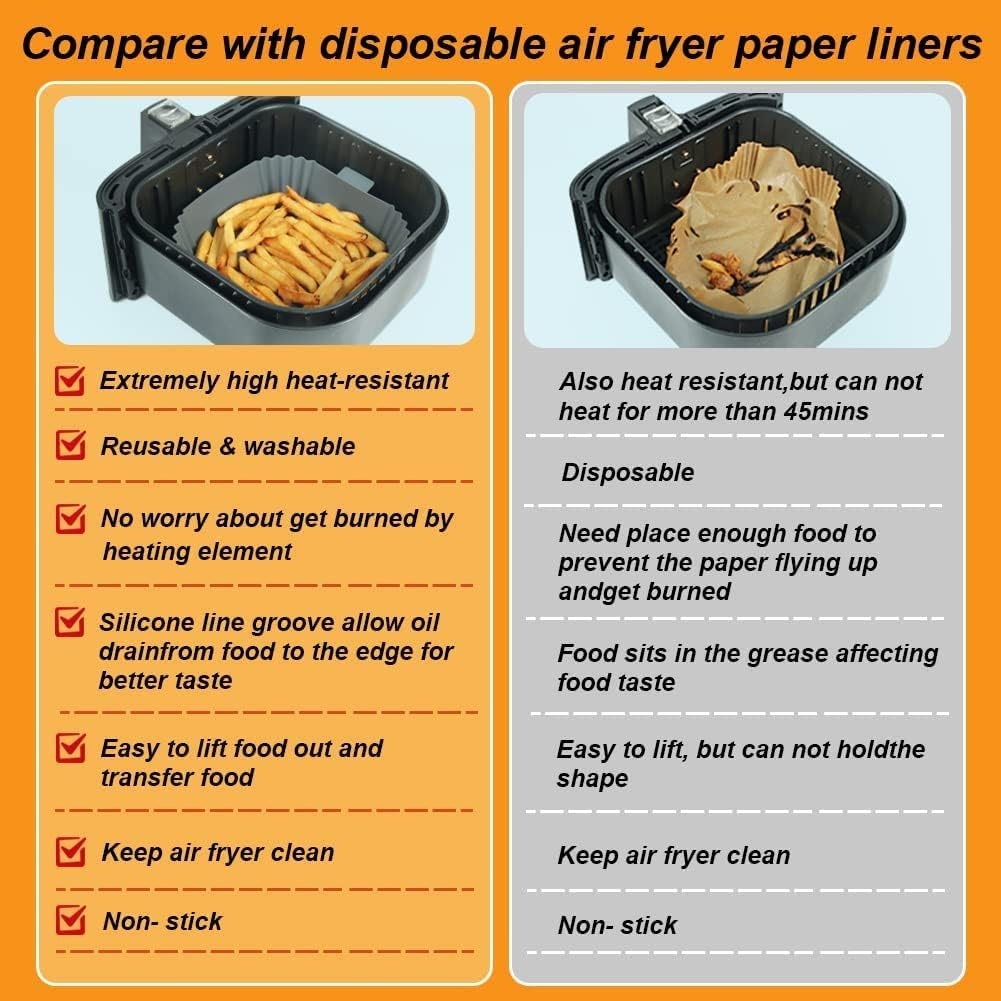
• Silicone liners are reusable. They are flexible, washable, and often designed with ridges or holes to support airflow.
Some parchment liners are perforated. These small holes help hot air move around the food. Other liners are solid and work best with foods that release liquid, such as chicken wings, fish, or marinated vegetables.
A liner does not replace the air fryer basket. It supports the cooking process, but it can also slow airflow if it is too large, too thick, or placed incorrectly.

How to Use Air Fryer Liners Safely
Using air fryer liners safely starts with reading both the liner label and your air fryer manual. Manufacturers may set different temperature limits, and not every liner fits every basket.
Follow these steps:
-
Choose the correct liner for your air fryer.
Select a liner that fits inside the basket without touching the heating element. A round liner belongs in a round basket, while a square liner may suit a square basket.
-
Check the heat rating.
Many parchment liners are rated for temperatures around 400°F to 450°F, but the exact limit varies. Silicone liners also have different heat limits. Never guess when the package gives a clear temperature rating.
-
Place the liner in the basket.
The liner should sit flat on the bottom. Its sides should not rise toward the heating coil. Trim an oversized parchment sheet if needed.
-
Add food before cooking.
Food should hold the liner down. Do not place a loose paper liner in an empty basket while the air fryer is running.
-
Keep the liner away from the heating element.
A light sheet of parchment can lift into the heating area. This may cause burning or a fire. The same risk applies to lightweight foil.
-
Leave space around the food.
Air must move around the ingredients. Avoid covering every vent or packing the basket tightly.
-
Cook according to the recipe.
A liner does not change the need to check food temperature, cooking time, or doneness. For meat and poultry, use a food thermometer and follow safe temperature guidance.
When learning how to use air fryer liners, the main rule is simple: the liner should support the food, not block the air fryer’s airflow.
How to Use Parchment Paper Liners in an Air Fryer
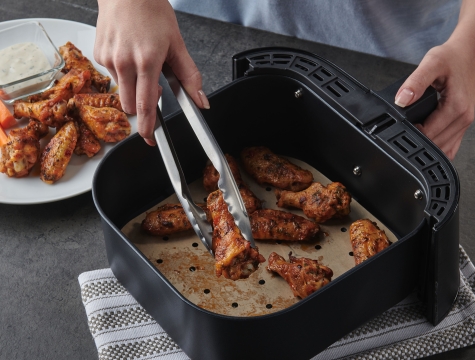
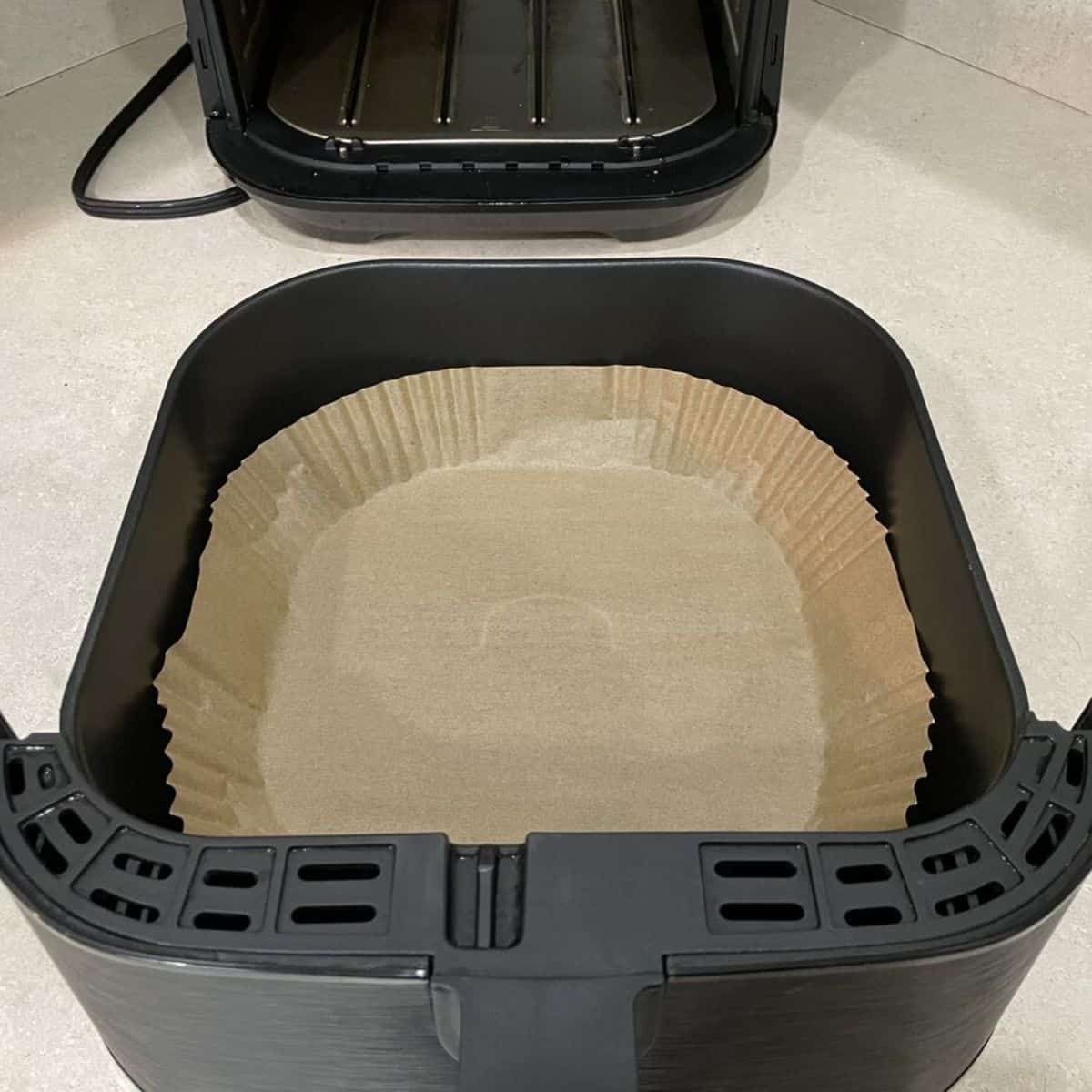
Parchment liners are popular because they are easy to use and easy to discard. Many are pre-cut to fit common basket sizes. Some also have small holes that help air circulate.
To use a parchment liner:
• Put the liner in the basket after preheating, or place it under food before starting the air fryer.
• Make sure the food covers enough of the liner to hold it down.
• Keep the liner inside the basket and away from the upper heating coil.
• Use a perforated liner when you want stronger airflow and a crisp finish.
• Use a solid liner when you want to catch sauces, crumbs, or grease.
Do not use wax paper. Wax paper has a wax coating that can melt or smoke when exposed to high heat. Standard parchment paper is designed for oven use, but you should still follow the product’s heat rating.
Avoid cutting a large piece of parchment and letting it fold up the sides. Folded paper can touch the heating element or prevent food from cooking evenly. A proper liner should fit like a well-sized plate, not like a blanket covering the whole basket.
How to Use Silicone Air Fryer Liners
Silicone air fryer liners are reusable cups or mats made from food-grade silicone. They often have ridges, raised feet, or drainage holes. These features help lift food slightly and allow heat to move underneath it.
Here is how to use a silicone liner:
-
Wash the liner before its first use.
-
Dry it fully so food does not slide around.
-
Place it inside the air fryer basket.
-
Add food without filling the liner above its recommended level.
-
Leave open space around the food whenever possible.
-
Remove the liner carefully after cooking because it may stay hot.
Silicone is useful for saucy foods, baked items, and meals that tend to stick. It can also reduce the need for cooking spray. However, silicone may produce less browning than a bare metal basket because it creates a thicker barrier between the food and the hot surface.
In my cooking tests, silicone liners worked especially well for salmon, meatloaf, and cinnamon rolls. The food stayed contained, but fries and breaded vegetables were usually crispier when cooked directly in the basket or on a perforated liner.
Should You Preheat an Air Fryer With a Liner?
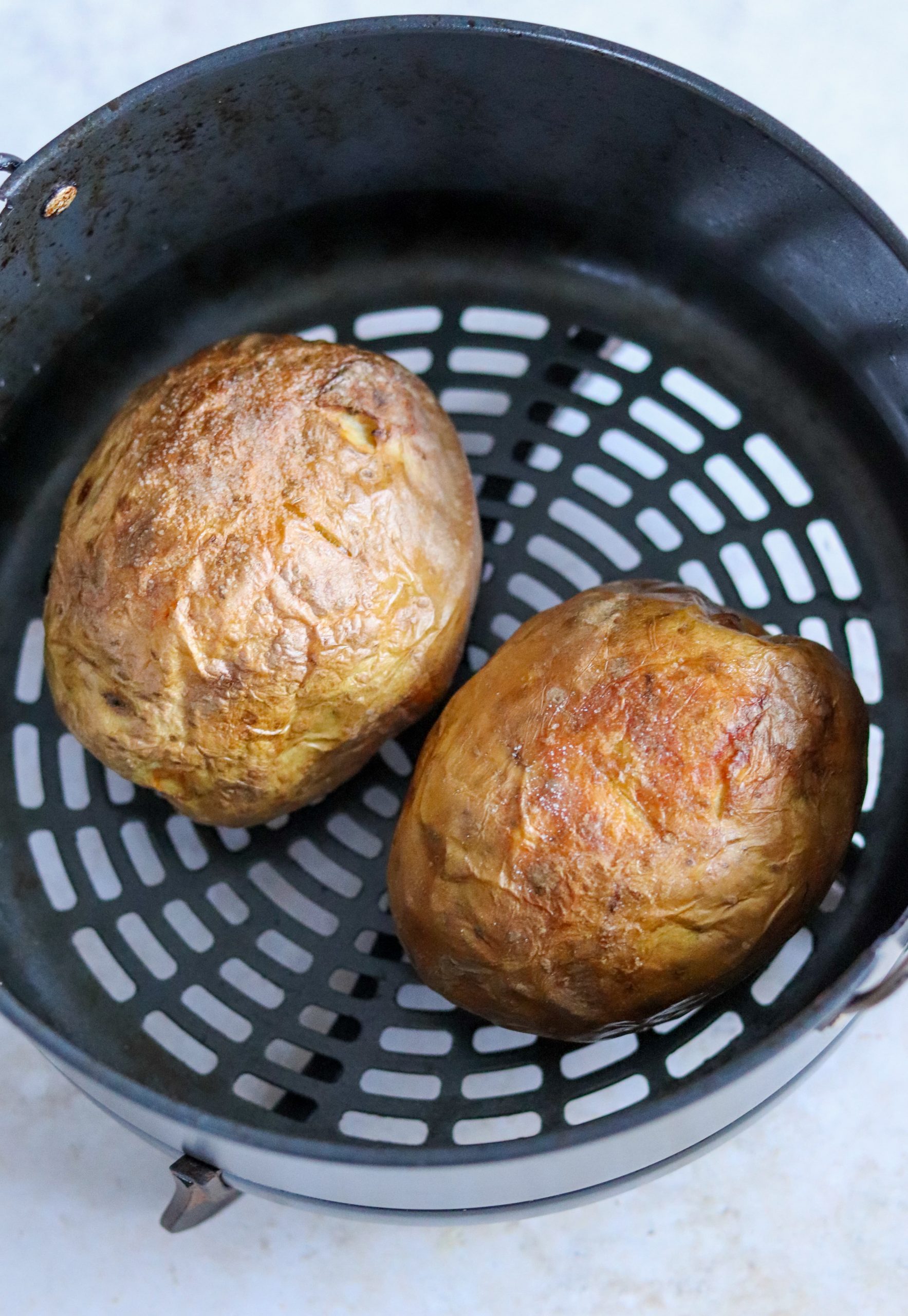
You should not preheat an air fryer with a loose parchment liner inside. Without food on top, the paper may lift and touch the heating element.
For a safe approach, preheat the air fryer first. Then place the liner in the basket and add food right away. Some air fryer manufacturers allow liners during preheating, but only when the liner is held securely and the manual permits it.
A silicone liner is heavier and less likely to move. Even so, check the manufacturer’s instructions before preheating with it inside.
The safest routine is:
• Preheat the air fryer without a paper liner.
• Insert the liner after preheating.
• Add the food immediately.
• Start cooking without delay.
This small habit prevents one of the most common mistakes people make when learning how to use air fryer liners.
How Liners Affect Airflow and Crispiness
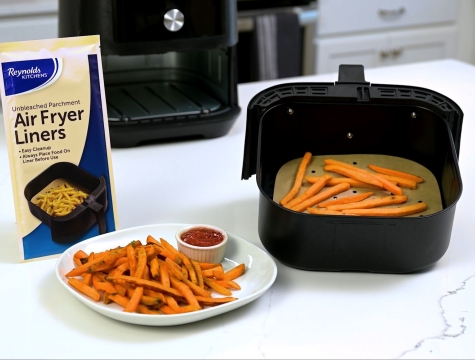
An air fryer cooks by moving hot air around the food. This process is called convection. If a liner blocks the basket holes, air may not reach the underside of the food as well.
A solid liner can lead to:
• A softer bottom crust
• Longer cooking time
• Uneven browning
• More moisture under the food
A perforated liner usually allows better airflow. However, even a perforated liner can reduce crispness if the basket is crowded.
For crisp food, use these tips:
• Leave a little space between pieces.
• Turn or shake food halfway through cooking.
• Use a perforated liner for fries, nuggets, and vegetables.
• Avoid placing wet food in a deep silicone bowl unless the recipe needs it.
• Pat meat and vegetables dry before seasoning.
I once used a solid liner for a batch of frozen fries and noticed that the top browned well while the bottoms stayed soft. Switching to a perforated liner and shaking the basket halfway through fixed the problem. The liner was not defective; it was simply the wrong choice for that food.

When Should You Use an Air Fryer Liner?
Liners are helpful for foods that stick, crumble, or release a lot of grease. They are also useful when you want to reduce cleanup after cooking.
Good foods for liners include:
• Fish fillets
• Chicken wings
• Marinated chicken
• Meatloaf
• Burgers
• Eggs
• Cookies
• Cinnamon rolls
• Cheese-filled snacks
• Sticky vegetables
• Breaded foods that shed crumbs
A liner is not always needed. Foods such as frozen fries, tater tots, and roasted vegetables may crisp better directly on the basket. You can lightly coat the basket with oil if the manufacturer permits it.
Use a liner when cleanup is the main concern. Skip it when maximum browning and airflow matter more. The best choice depends on the food, the basket design, and the texture you want.
Common Mistakes to Avoid
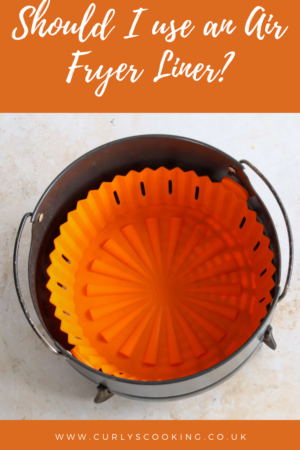
Knowing how to use air fryer liners also means knowing what not to do. Most liner problems come from poor fit, blocked airflow, or unsafe placement.
Avoid these mistakes:
Using a loose parchment sheet
A loose sheet can lift toward the heating element. Always add food on top of parchment before cooking.
Covering the entire basket
A liner that blocks all air holes can make food steam instead of crisp. Choose a perforated liner or leave some space around the edges.
Using wax paper
Wax paper is not the same as parchment paper. It may melt, smoke, or damage the cooking surface.
Using liners above their heat limit
A liner may look fine but still break down when exposed to excessive heat. Check the package rating before use.
Using a liner under the basket
Do not place paper or silicone beneath the removable basket unless the manufacturer specifically approves it. The liner may block airflow, interfere with the heating system, or move into an unsafe area.
Overfilling a silicone liner
Deep liners can encourage overcrowding. Food needs room for hot air to move around it.
Ignoring food safety
A liner does not make undercooked food safe. Check poultry, meat, seafood, and reheated leftovers with a thermometer when needed.
Reusing disposable parchment
Parchment can become brittle, greasy, or burned after one use. Discard it if it is dark, torn, wet, or damaged.
These mistakes are easy to avoid once you treat the liner as a cooking tool rather than a permanent part of the air fryer.

Cleaning and Maintaining Reusable Liners
Silicone liners need regular cleaning because oil and food particles can collect in their ridges. Let the liner cool before washing it.
A simple cleaning method is:
-
Remove loose crumbs.
-
Wash the liner with warm water and dish soap.
-
Use a soft sponge or brush in the grooves.
-
Rinse away all soap.
-
Dry the liner completely before storing it.
Many silicone liners are dishwasher safe, but confirm this on the product label. Avoid sharp tools, steel wool, and harsh scrubbers. They can damage the silicone surface.
Watch for signs that a reusable liner needs replacing:
• Cracks or tears
• A strong smell that remains after washing
• Sticky or damaged areas
• A change in shape
• Flaking or surface damage
A clean liner should not add a strong odor to food. If it does, stop using it and check the manufacturer’s care instructions.
Can You Use Foil Instead of Air Fryer Liners?
Aluminum foil can be used in some air fryers, but it requires care. Foil should never touch the heating element. It should also stay inside the basket and remain secured by food.
Do not use foil when the air fryer manual advises against it. Also avoid covering the basket’s entire base if doing so blocks airflow. Acidic foods, such as tomatoes, citrus, and vinegar-based marinades, may react with aluminum and affect flavor or surface quality.
Parchment is often a better choice for sticky foods. Silicone is often better for repeated use. Foil may work for certain foods, but it is not a universal replacement for an air fryer liner.
How to Choose the Best Air Fryer Liner
The best liner depends on your air fryer and the food you cook most often. Consider these features before buying:
• Size: The liner should fit the basket without folding or touching the heating element.
• Material: Choose parchment for convenience and silicone for repeated use.
• Perforation: Holes improve airflow and help crisp food.
• Heat rating: The rating should meet or exceed your normal cooking temperature.
• Food-grade construction: Look for clear material and care details.
• Raised sides: These help contain grease and sauces.
• Easy cleaning: Smooth silicone is often easier to wash than deeply ridged designs.
• Basket compatibility: Some liners fit drawer-style air fryers, while others suit toaster oven trays.
Avoid buying a liner only because it has a low price or attractive shape. A poor fit can create more problems than it solves. Measure the inside of your basket first, and compare those measurements with the product dimensions.
How to Get the Best Results With Air Fryer Liners
For reliable results, match the liner to the recipe. Use a perforated liner for foods that need a crisp base. Use a solid liner or silicone bowl for food with sauces or loose crumbs.
Keep these practical tips in mind:
• Spray the liner lightly only if the food needs extra help releasing.
• Do not spray aerosol cooking spray on nonstick surfaces unless the manufacturer allows it.
• Turn food halfway through cooking for more even browning.
• Reduce crowding before increasing the cooking temperature.
• Check food a few minutes early because air fryers vary in power.
• Let the basket cool before removing a silicone liner.
• Keep spare liners clean and stored flat or upright.
Air fryer models differ in size, fan strength, and heating pattern. A recipe that works in one machine may need a small time adjustment in another. Use the recipe as a guide, then rely on the food’s appearance and safe internal temperature.
Frequently Asked Questions About How to Use Air Fryer Liners
Can you put parchment paper in an air fryer?
Yes, you can use parchment paper in an air fryer when it is rated for the cooking temperature. Keep it secured under food and away from the heating element.
Do air fryer liners make food less crispy?
They can make food less crisp if they block airflow or trap moisture. Perforated liners usually protect crispness better than solid liners.
Can you use air fryer liners while preheating?
Avoid preheating with a loose parchment liner inside. Preheat first, then add the liner and food unless your air fryer and liner instructions clearly allow preheating together.
Are silicone air fryer liners safe?
Food-grade silicone liners are generally safe when used within their stated temperature range. Check for damage, wash them well, and follow the manufacturer’s instructions.
Can you reuse parchment air fryer liners?
Some parchment liners may be reused if they remain clean and undamaged, but disposable liners are usually intended for one use. Discard any liner that is greasy, burned, torn, or brittle.
Do air fryer liners need holes?
No, holes are not required for every recipe. Perforated liners are better for crisp foods, while solid liners can help contain sauces and grease.
Can an air fryer liner touch the sides of the basket?
A properly sized liner may touch the basket sides, but it should not rise toward or touch the heating element. It should also avoid blocking airflow more than necessary.
Conclusion
Air fryer liners can make cooking cleaner and easier when you use them with care. Choose the right size, check the heat rating, secure parchment with food, protect airflow, and avoid placing loose paper near the heating element. Use perforated liners for crisp foods and silicone liners for repeated cooking or messy meals.
Start with one simple recipe, such as fish or chicken wings, and see how your liner affects texture and cleanup. With the right method, you can enjoy the convenience of air fryer liners without giving up safe cooking or golden, crisp results. Share your favorite liner tips or explore more air fryer guides for your next meal.

Appliance Review Expert
Lucas Ramirez is a trusted voice at HomeFixGrid.com, known for his clear, practical, and creatively written guides that simplify appliance care for everyday homeowners. With a strong focus on hands-on testing and real-world problem-solving, Lucas brings expert insight into appliance reviews and troubleshooting techniques. Her work empowers readers to confidently maintain, repair, and choose the right appliances for their homes.