What Is A Bottom Mount Refrigerator: Buying Guide
A bottom mount refrigerator places the freezer below the fresh food section for easier everyday access.
If you open the refrigerator several times a day but rarely use the freezer, this layout can make your kitchen feel more comfortable and efficient. After reviewing how refrigerator designs affect storage, access, energy use, and maintenance, I can explain what a bottom mount refrigerator does well, where it may fall short, and how to choose the right model for your home.
.png)
What Is a Bottom Mount Refrigerator?
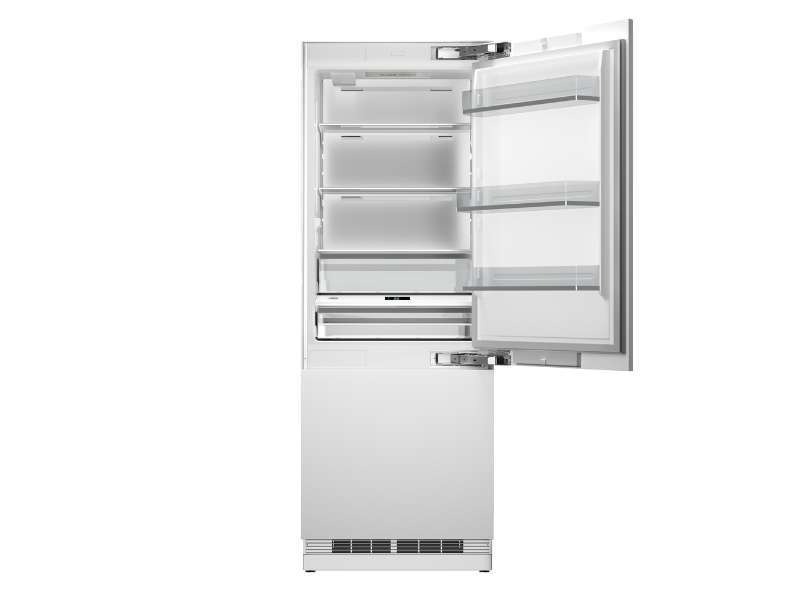
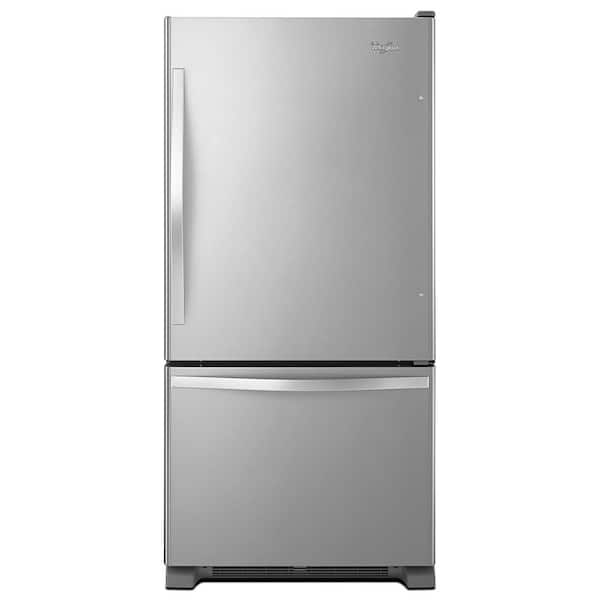
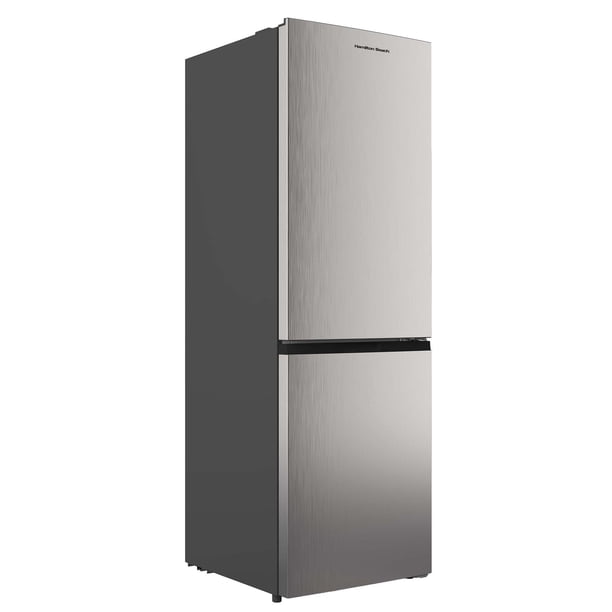
A bottom mount refrigerator is a full-size refrigerator with the freezer compartment located beneath the fresh food compartment. The refrigerator section sits at eye level, while the freezer uses the lower part of the appliance.
This design is the reverse of a traditional top freezer refrigerator. In a top freezer model, frozen food is at eye level and fresh food sits below it. A bottom mount refrigerator puts the foods most people use every day within easier reach.
Most bottom freezer refrigerators use one of these freezer designs:
• A pull-out drawer with one large compartment
• Two freezer drawers for better organization
• A swing door with shelves and bins
• A French door layout with a lower freezer drawer
The exact layout varies by brand and model. Some units include an ice maker in the freezer. Others place the ice maker in the refrigerator door or inside the fresh food section.
How Does a Bottom Mount Refrigerator Work?
A bottom mount refrigerator uses the same basic cooling process as other household refrigerators. A compressor moves refrigerant through a sealed system. The refrigerant absorbs heat inside the compartments and releases it outside the appliance.
The freezer is placed at the bottom for design and access reasons. In many models, cold air is created in the freezer and then moved through vents into the refrigerator section. Since cold air naturally sinks, this layout can support efficient air movement, although the real energy performance depends on insulation, controls, seals, and the model’s certification.
The refrigerator and freezer sections usually have separate temperature controls. A typical refrigerator setting is about 37°F, while the freezer should stay near 0°F. Use an appliance thermometer if you want a more accurate reading, since the number on the control dial may not match the actual internal temperature.
A bottom mount refrigerator may also include:
• Automatic defrost
• Digital temperature controls
• Adjustable glass shelves
• Humidity controlled crisper drawers
• Door alarms
• Water filtration
• Built-in ice makers
• Wi-Fi or smart home controls
These features can add comfort, but they can also raise the purchase price and repair cost.
Benefits of a Bottom Mount Refrigerator
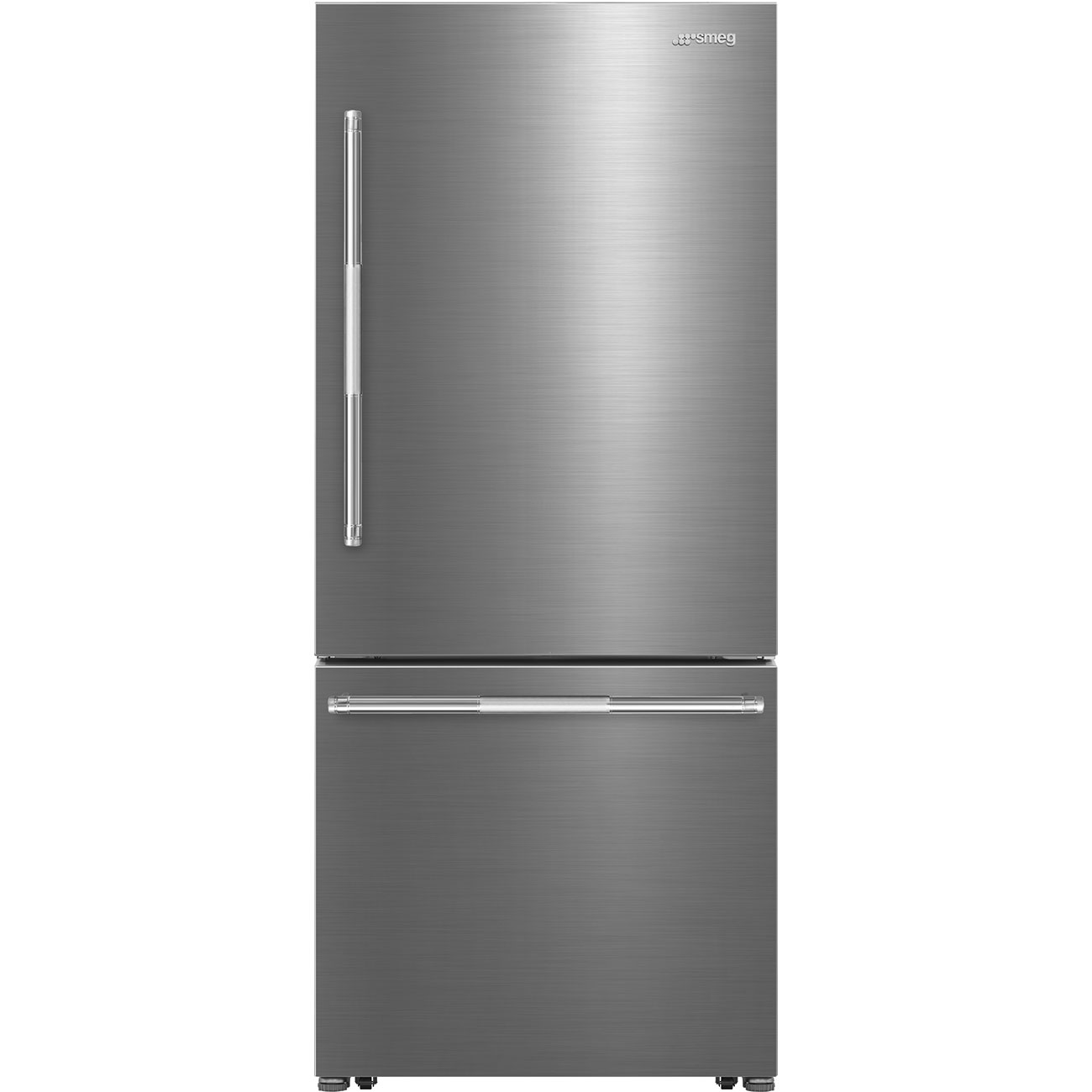
The main benefit of a bottom mount refrigerator is simple: fresh food is easier to reach. You do not need to bend as often to find milk, vegetables, leftovers, or daily snacks.
Here are the main advantages.
Easier access to fresh food
Most households open the refrigerator section far more often than the freezer. A bottom mount refrigerator keeps that busy section at a natural standing height.
This layout can help older adults, people with back pain, and anyone who dislikes bending. It also makes it easier to see food stored on the upper shelves.
Better visibility
When fresh food is closer to eye level, forgotten items are easier to spot. This may help reduce food waste. You can quickly see produce, dairy products, drinks, and leftovers before they expire.
Clear shelves and well-designed drawers make an even bigger difference. A poorly arranged refrigerator can waste space, regardless of where the freezer sits.
Flexible freezer storage
Many bottom mount refrigerator models use a deep pull-out freezer drawer. This gives you room for large frozen items, bulk food, and wide packages.
Some models include sliding baskets or dividers. These features help prevent the common “frozen food pile,” where small items disappear under larger boxes.
Good choice for frequent cooks
If you prepare meals often, a bottom mount refrigerator can save time. Fresh ingredients remain within easy reach while you cook. You can also organize the refrigerator by food type, such as produce in one drawer and ready-to-eat food on another shelf.
Modern kitchen style
Bottom mount refrigerators are common in French door designs. They often offer a wide fresh food area with two doors. This can be useful when you need to store wide trays, pizzas, or large serving dishes.
In my experience with refrigerator layouts, the best design is the one that matches your daily habits. A stylish model is not automatically practical. Count how often you reach for fresh food before choosing a freezer-first layout.
Drawbacks of a Bottom Mount Refrigerator
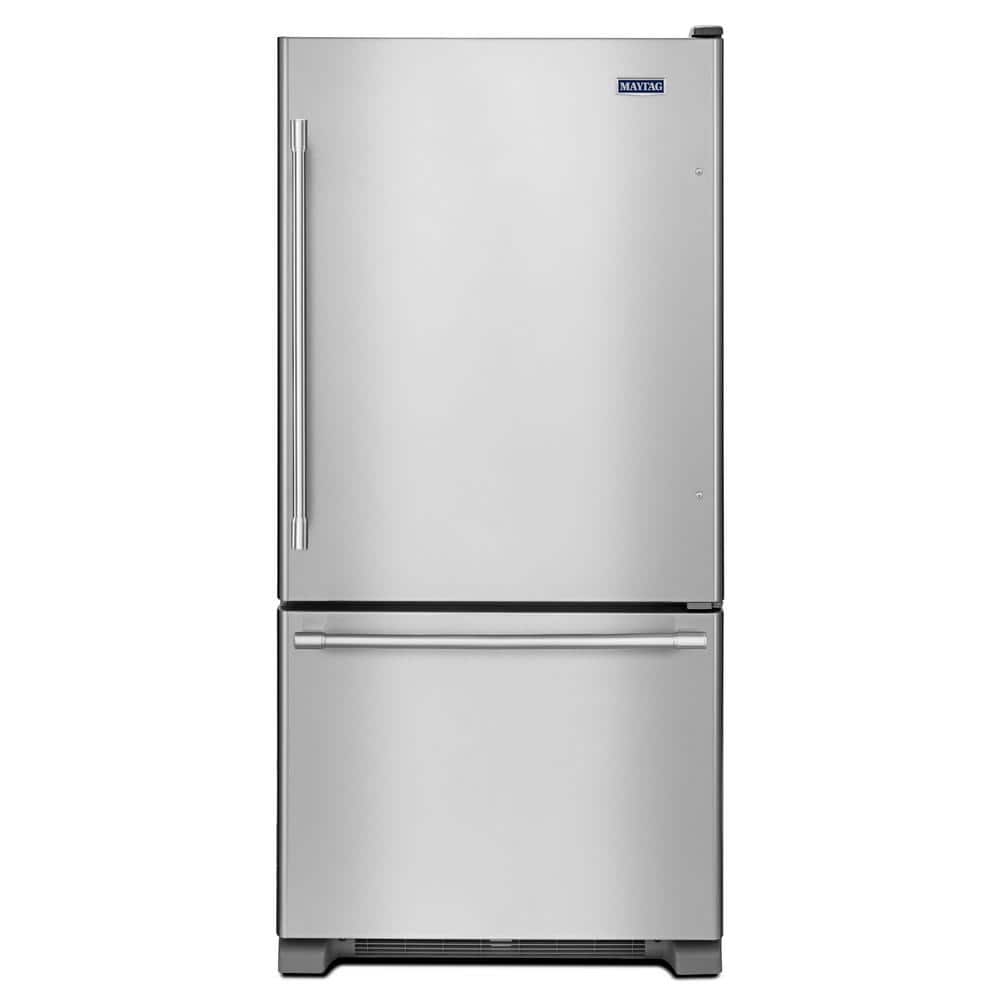
A bottom mount refrigerator is not perfect for every household. Its main disadvantages involve freezer access, space, and cost.
Freezer items sit low
You must bend or crouch to reach the bottom freezer. This may be uncomfortable if you use frozen food often or have limited mobility.
Deep drawers can also hide small packages. A basket system helps, but organization requires regular attention.
Higher purchase price
Bottom mount refrigerators often cost more than basic top freezer models. French door versions can cost even more because they include extra doors, controls, drawers, and features.
The price difference may be worthwhile if you value convenience. However, buyers should compare the total cost, including installation, water filters, extended warranties, and possible repairs.
More parts can mean more repairs
A model with multiple drawers, electronic controls, an ice maker, and a water dispenser has more parts that may need service. This does not mean the appliance will fail, but it can increase repair complexity.
A simple model may be a better choice if long-term reliability is your top priority. Before buying, check the warranty terms and the availability of local service.
Door and drawer clearance
A bottom mount refrigerator needs enough space for the doors and freezer drawer to open fully. Measure nearby cabinets, walls, islands, and doorways.
Many people measure the kitchen opening but forget the delivery path. Measure hallways, stairways, entry doors, and tight corners before ordering.
.png)
Bottom Mount Refrigerator vs. Other Designs
Understanding the differences between refrigerator styles can make your decision easier.
Bottom mount vs. top freezer
A top freezer refrigerator usually costs less and offers simple, proven operation. The freezer is easy to reach, but the fresh food section sits lower.
A bottom mount refrigerator costs more in many cases, but it places fresh food at a more convenient height. Choose the bottom freezer style if you use fresh food more often than frozen food.
Bottom mount vs. side-by-side
A side-by-side refrigerator places the freezer and refrigerator next to each other. Both sections are easy to reach vertically, but each compartment is often narrow.
This style works well in kitchens with limited door swing space. It may be less useful for wide trays, large boxes, and oversized food containers.
Bottom mount vs. French door
A French door refrigerator is a type of bottom mount refrigerator. It has two upper doors for the fresh food section and a lower freezer drawer.
French door models offer wide shelf space and often include water and ice features. They tend to be larger and more expensive than simpler bottom freezer models.
Bottom mount vs. four-door refrigerator
A four-door refrigerator usually has two upper fresh food doors and two lower freezer compartments. This design can improve organization because frozen foods are split into separate zones.
The tradeoff is a higher price and more complex construction. It may suit large families, but it can be unnecessary for a smaller household.
Is a Bottom Mount Refrigerator Energy Efficient?
A bottom mount refrigerator can be energy efficient, but the freezer location alone does not guarantee low energy use. Efficiency depends on the compressor, insulation, door seals, controls, defrost system, and overall design.
Look for the yellow EnergyGuide label when comparing models. It estimates yearly electricity use and operating cost under standard test conditions. A model with a lower annual kilowatt-hour estimate should generally use less electricity, though real-world results depend on room temperature, usage, and settings.
The U.S. Department of Energy sets minimum efficiency standards for household refrigerators. Some models also meet voluntary efficiency standards that are stricter than the federal minimum.
To reduce energy use:
• Keep the refrigerator near the recommended temperature.
• Avoid placing it beside a range or in direct sunlight.
• Leave space around vents and coils as the manual recommends.
• Check that door gaskets seal tightly.
• Let hot food cool slightly before storage.
• Avoid holding the door open while deciding what to eat.
• Keep the freezer reasonably full, but do not block air vents.
A full freezer tends to hold cold better than an empty one, but airflow still matters. Do not pack food so tightly that cold air cannot move.
How to Choose the Best Bottom Mount Refrigerator
Start with your household habits, not the feature list. Think about what you store, how often you shop, and who uses the appliance.
Use this checklist before you buy:
-
Measure the available space. Record width, height, depth, and door clearance.
-
Measure the delivery route. Include entry doors, hallways, elevators, and stairways.
-
Choose the right capacity. A larger refrigerator is not always better if food gets lost inside.
-
Check the freezer layout. Look for baskets, dividers, strong drawer slides, and useful shelf height.
-
Review temperature controls. Separate controls and stable readings are helpful.
-
Check the ice and water system. These features add convenience but may increase maintenance.
-
Read the energy label. Compare estimated yearly electricity use.
-
Confirm the warranty. Pay attention to coverage for sealed systems, compressors, ice makers, and labor.
-
Research service access. A local repair network can matter more than a small discount.
-
Read the manual before purchase. It reveals clearance needs, filter costs, and cleaning requirements.
One mistake I often see is choosing a refrigerator by exterior size alone. Interior capacity, shelf shape, drawer position, and door storage can matter more than a few extra cubic feet.
.jpg)
How to Organize a Bottom Mount Refrigerator
Good organization makes a bottom mount refrigerator easier to use. Store items by frequency and food type.
Place everyday foods in the front and at eye level. Use the upper shelves for leftovers, drinks, and ready-to-eat meals. Keep raw meat in a sealed container on the lowest refrigerator shelf to reduce the chance of leaks onto other foods.
Use the crisper drawers for produce. Follow the drawer settings if they offer humidity control. Do not overload drawers, since blocked airflow can cause uneven cooling.
Organize the freezer drawer with bins:
• Keep meat in one bin.
• Store vegetables and fruit in another.
• Place breakfast foods together.
• Keep small items in a shallow basket.
• Label leftovers with the date.
A simple rule helps: if you cannot find an item in 10 seconds, the freezer needs a better system. Clear bins and labels can save both time and food.
Cleaning and Maintaining a Bottom Mount Refrigerator
Regular care can protect food quality and extend appliance life. Clean spills quickly, especially around drawers and door seals.
Every few months, inspect the door gaskets. Close the door on a sheet of paper. If the paper slides out easily, the gasket may not seal well. A damaged seal allows cold air to escape and can make the compressor work harder.
Follow the manufacturer’s instructions for coils, filters, and ice makers. Some newer models hide the coils or use designs that do not require routine consumer cleaning. Never remove panels unless the manual says it is safe.
Important maintenance tasks include:
• Replace water filters on the recommended schedule.
• Clean the ice bin if it develops odor or frost buildup.
• Keep air vents inside the compartments clear.
• Clean spills under drawers and shelves.
• Check for unusual noises, leaks, or temperature changes.
• Defrost the freezer only if the model requires manual defrosting.
If the refrigerator becomes warm, food spoils quickly, or the compressor runs constantly, act promptly. A small seal problem may be simple to fix, while a cooling system issue needs a qualified technician.
Frequently Asked Questions About What Is a Bottom Mount Refrigerator
What is a bottom mount refrigerator?
A bottom mount refrigerator has the freezer compartment below the fresh food section. This design keeps frequently used refrigerated foods at a higher and more convenient level.
Is a bottom mount refrigerator better than a top freezer model?
It depends on your habits. A bottom mount refrigerator is often better for people who use fresh food more frequently, while a top freezer model may suit households that use frozen food often or want a lower purchase price.
Does a bottom mount refrigerator use more electricity?
Not necessarily. Energy use depends on the model’s insulation, compressor, controls, seals, and efficiency rating rather than freezer location alone.
Is a bottom freezer good for older adults?
The raised refrigerator section can reduce bending during daily use. However, the lower freezer drawer may still be difficult for some people to reach, so personal mobility should guide the decision.
Are bottom mount refrigerators more expensive?
They often cost more than basic top freezer refrigerators. French door models with ice makers, water dispensers, and smart features can have an even higher purchase and repair cost.
How long does a bottom mount refrigerator last?
Many refrigerators last about 10 to 15 years, but service life varies by brand, use, maintenance, and component quality. Ice makers, water systems, and electronic parts may need repair before the main cooling system.
What temperature should a bottom mount refrigerator use?
Keep the fresh food section at or below 40°F, with about 37°F being a common target. The freezer should stay near 0°F to keep food safely frozen and preserve quality.
Conclusion
A bottom mount refrigerator places the freezer below the refrigerator section, making fresh food easier to see and reach. It can offer better daily comfort, useful storage, and a modern layout, but the lower freezer, higher price, and possible repair costs deserve careful thought.
Measure your space, compare energy labels, inspect the freezer organization, and choose features that match your routine. The best bottom mount refrigerator is not the one with the longest feature list; it is the one that makes your daily kitchen tasks simpler. Explore models carefully, compare long-term costs, and share your experience with this refrigerator style in the comments.

Appliance Review Expert
Lucas Ramirez is a trusted voice at HomeFixGrid.com, known for his clear, practical, and creatively written guides that simplify appliance care for everyday homeowners. With a strong focus on hands-on testing and real-world problem-solving, Lucas brings expert insight into appliance reviews and troubleshooting techniques. Her work empowers readers to confidently maintain, repair, and choose the right appliances for their homes.