
What Is A Freezer Temperature: Ideal Setting Guide
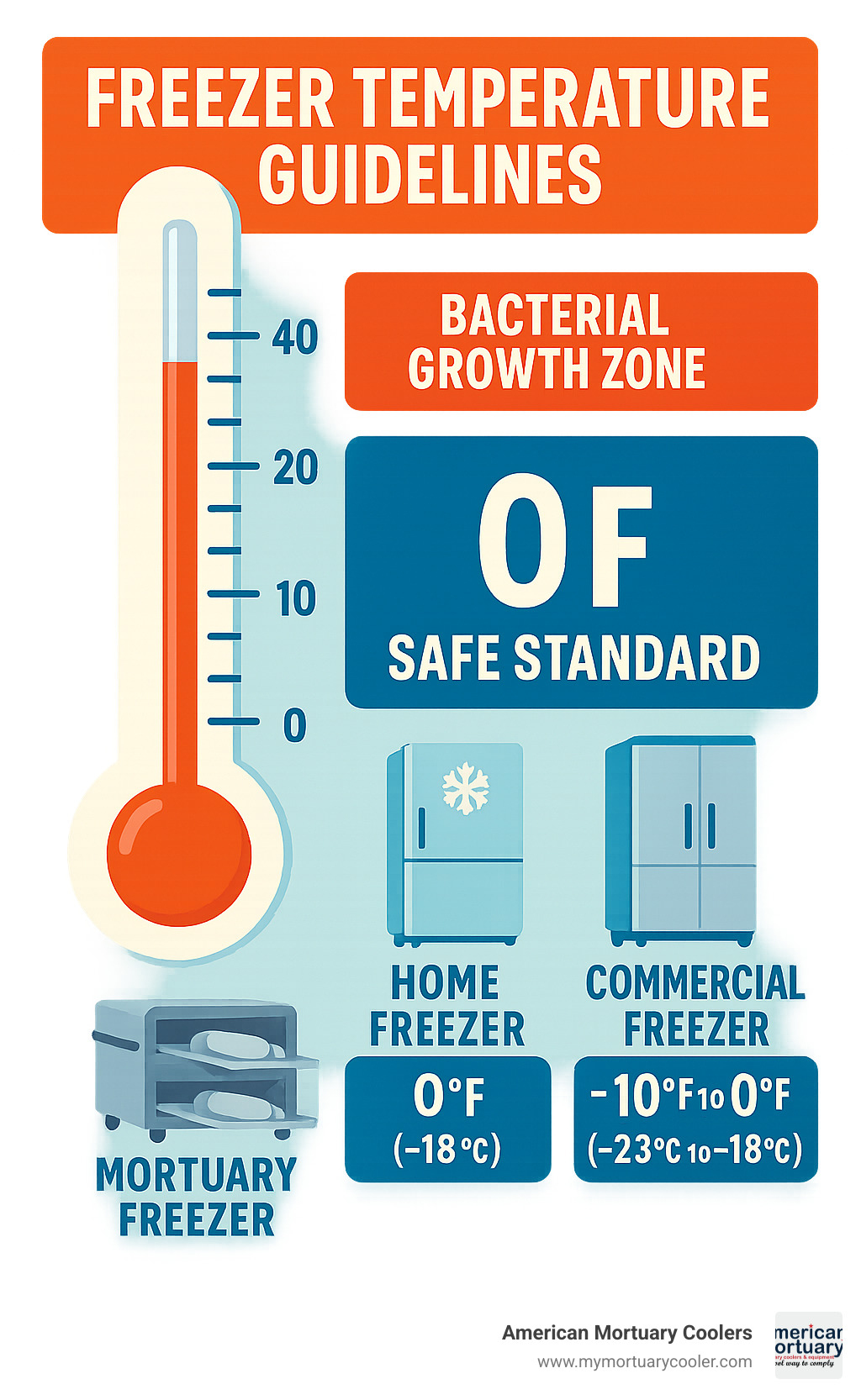
A freezer temperature of 0°F (−18°C) or lower keeps frozen food safe, firm, and fresh for longer.
Knowing the right freezer temperature helps protect food quality, reduce waste, and spot problems before they become costly. This guide explains the ideal setting, how to measure it, why temperatures change, and how to keep your freezer working well.

What Is a Freezer Temperature?
A freezer temperature is the level of cold inside a freezer. It is measured in degrees Fahrenheit or Celsius and shows how well the appliance can freeze and preserve food.
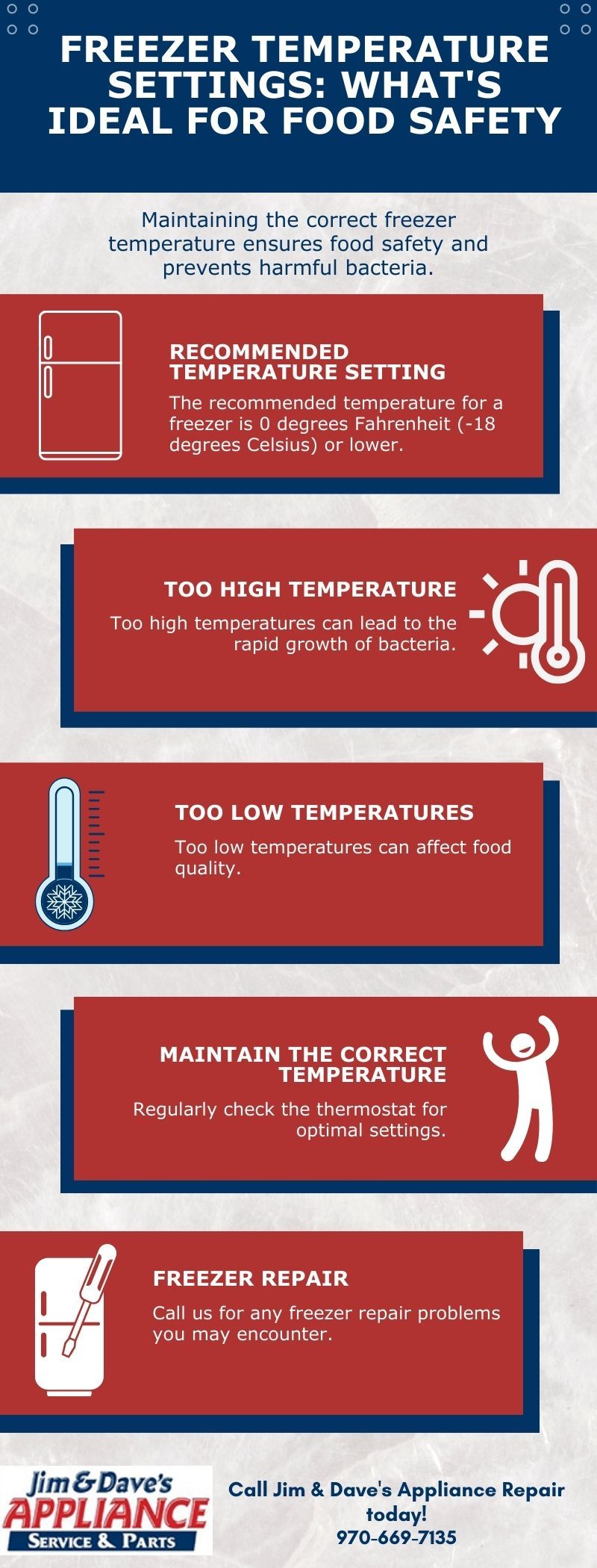
The recommended freezer temperature is 0°F, which equals −18°C. This setting is widely used for home freezers because it keeps food fully frozen and slows changes that affect taste, texture, and nutrition.
A freezer can work at temperatures below 0°F. However, colder settings often use more electricity. For most homes, 0°F provides a good balance between food safety, storage quality, and energy use.
Water freezes at 32°F, or 0°C. A freezer must be much colder than that to freeze food completely. Food contains salt, sugar, fat, and water, so it does not freeze in the same way as pure water.
What Is the Ideal Freezer Temperature?
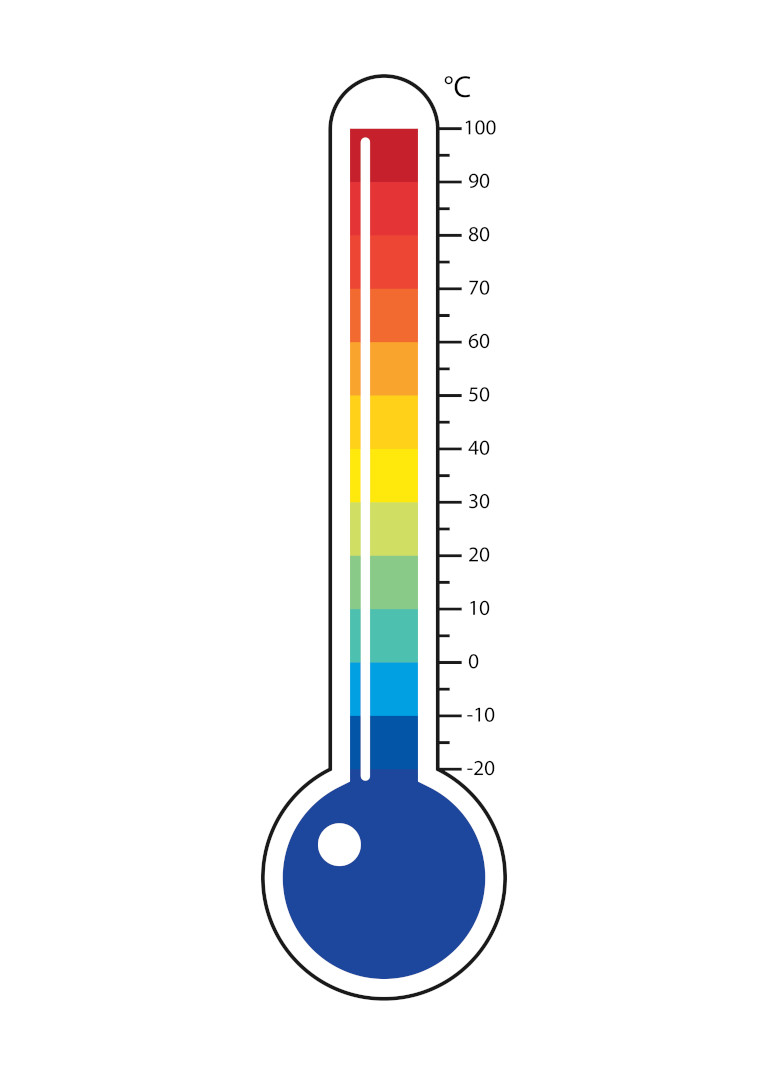
The ideal freezer temperature is 0°F (−18°C) or lower. This is the standard target for most household freezers, chest freezers, and upright freezers.
At this setting:
• Food stays solidly frozen.
• Bacteria cannot grow while food remains frozen.
• Ice crystals form more slowly than they would at a warmer setting.
• Frozen food keeps its best quality for a longer time.
• The freezer has a useful safety margin if the door opens briefly.
It is important to understand that freezing does not kill every harmful germ. It mainly stops bacteria from growing. Once food thaws, bacteria may become active again, especially if the food reaches unsafe temperatures.
For this reason, the freezer temperature should stay at 0°F or below. A display setting of 0°F does not always mean every part of the freezer is at 0°F. Warm spots can develop near the door, in crowded areas, or during the defrost cycle.
Why 0°F Is the Recommended Setting
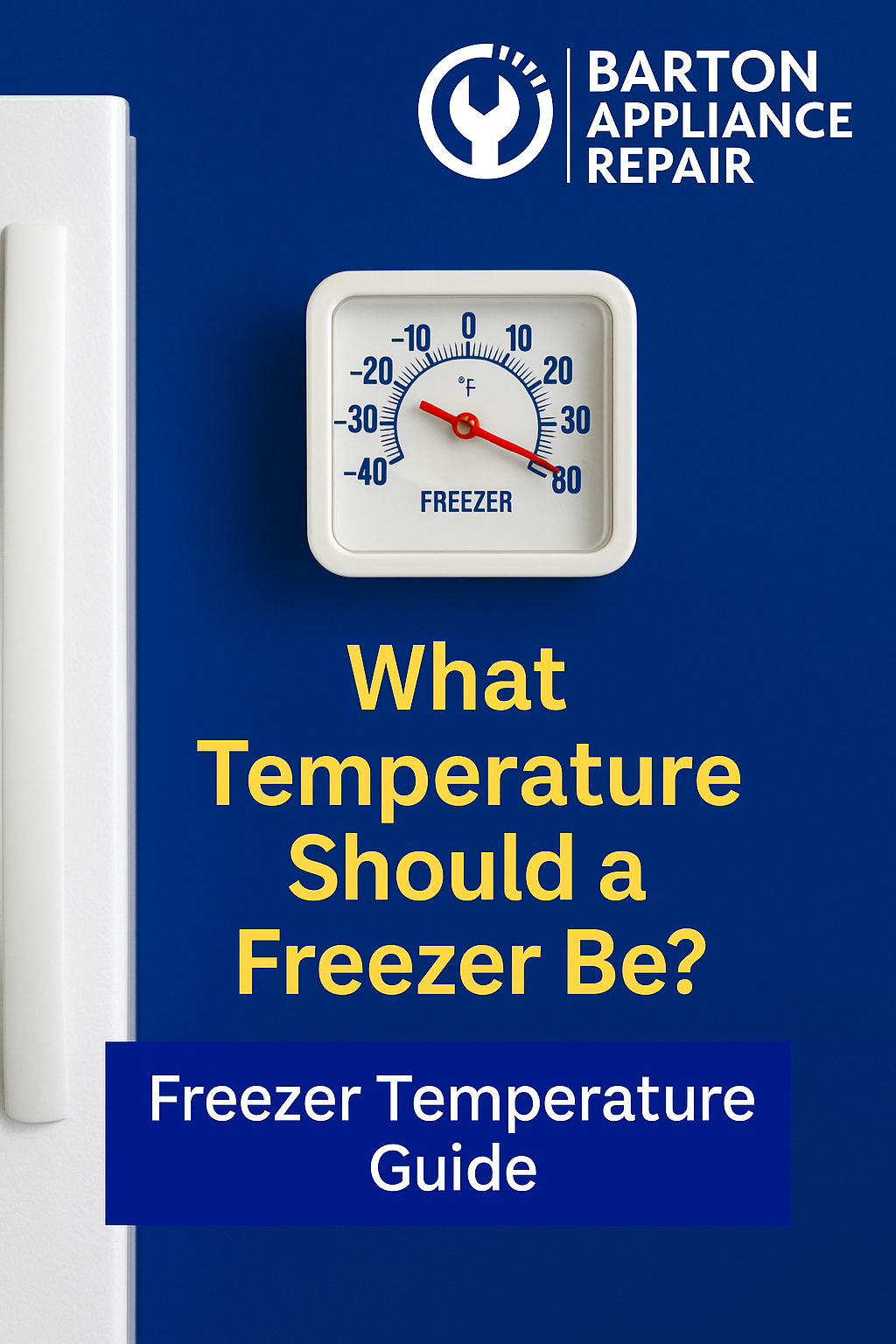
The 0°F standard protects both food safety and food quality. At this temperature, most foods remain hard frozen, and chemical changes happen much more slowly.
Frozen food can still lose quality over time. Meat may develop freezer burn, vegetables may become dry, and ice cream may turn hard or grainy. These changes are usually linked to temperature swings, air exposure, long storage, or poor packaging.
A stable freezer temperature acts like a pause button. It does not stop all changes, but it slows them enough to make frozen storage practical.
Food that stays continuously frozen at 0°F may remain safe for a very long time. However, safety and quality are different. Food can remain safe while its flavor, color, and texture decline.
Keep these points in mind:
• Safety depends on keeping food frozen and handling it correctly.
• Quality depends on the type of food, packaging, storage time, and temperature stability.
• A freezer that often rises above 0°F may cause faster quality loss.
• Food that fully thaws should not be refrozen without careful safety judgment.
How to Check Your Freezer Temperature
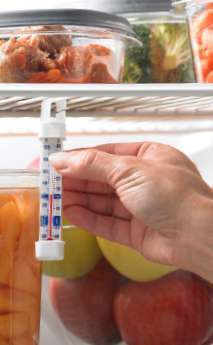
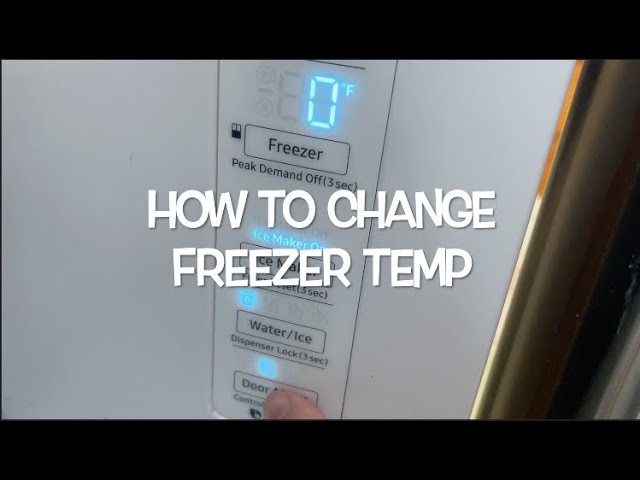
The most reliable way to check a freezer temperature is with a separate appliance thermometer. The number on the control panel shows the selected setting, but it may not show the actual temperature around the food.
Use a thermometer designed for freezers. Place it in the center of the freezer, where the temperature is often more stable. Leave it there for several hours, or follow the thermometer maker’s instructions.
Follow these steps:
-
Set the freezer control to the recommended setting.
-
Place the thermometer in the center of the compartment.
-
Keep the door closed while the reading stabilizes.
-
Check the reading after several hours or overnight.
-
Adjust the control in small steps if needed.
-
Check again after the freezer has had time to respond.
Do not place the thermometer directly against the wall, near the door, or beside a warm food package. These areas may give readings that do not represent the average freezer temperature.
I have learned that checking once is not enough. A freezer may read correctly in the morning but become warmer after a large grocery trip, a long door opening, or a defrost cycle. Checking at different times gives a much clearer picture.
Where Should a Freezer Thermometer Go?
The best location for a freezer thermometer is near the center of the storage area. This position helps measure the general temperature around the food instead of the coldest or warmest spot.
A thermometer near the door may show a higher reading because warm air enters each time the door opens. A thermometer against the back wall may show a lower reading because that area is often close to the cooling system.
For a chest freezer, place the thermometer near the top of the food but away from the lid. Cold air tends to stay inside because it is heavier than warm air.
For an upright freezer, place the thermometer on a middle shelf. If the appliance has several zones, you can move the thermometer to different areas to find warm spots.
A useful target is:
• Center reading: 0°F or lower.
• Door area: Ideally close to 0°F, though it may be slightly warmer.
• Food surface: Frozen and firm, with no signs of softening.
If one area is much warmer than another, avoid storing highly perishable food in that location until you find the cause.

What Causes a Freezer Temperature to Rise?
Several problems can make a freezer warmer than expected. Some are simple habits, while others require repair.
Common causes include:
• Frequent door opening: Each opening lets warm, moist air enter.
• A damaged door seal: A weak gasket allows cold air to escape.
• Overloading: Too much food can block air vents and prevent circulation.
• Underloading: A nearly empty freezer may change temperature more quickly.
• Hot food placed inside: Warm meals add heat and moisture.
• Dirty condenser coils: Dust can make the appliance work harder.
• A blocked air vent: Food may stop cold air from moving through the freezer.
• Frost buildup: Heavy ice can reduce airflow and cooling performance.
• A failed fan: The freezer may not spread cold air evenly.
• A faulty thermostat: The control may not sense temperature correctly.
• A defrost system problem: Ice may build up around the evaporator and limit airflow.
A freezer that runs often is not always broken. It may work harder during hot weather, after a large shopping trip, or when the door has been opened many times. Still, a rising freezer temperature deserves attention.
How to Keep the Right Freezer Temperature
Good freezer habits can help maintain a steady freezer temperature. They also reduce energy use and protect the quality of your food.
Try these practical steps:
• Keep the freezer at 0°F or below.
• Avoid placing hot food directly inside.
• Cool large portions in shallow containers before freezing.
• Leave space around vents so air can move freely.
• Keep the door closed as much as possible.
• Check the door gasket for cracks, gaps, or loose areas.
• Do not pack food so tightly that air cannot circulate.
• Do not leave the freezer almost empty for long periods.
• Label food with the freezing date.
• Use airtight bags, containers, or freezer wrap.
• Remove thick frost when the appliance requires manual defrosting.
• Clean condenser coils according to the manufacturer’s instructions.
A full freezer usually holds cold better than an empty one because frozen food acts like a cold battery. However, fullness should not block vents or prevent the door from closing.
One mistake I often see is packing food tightly after a large shopping trip. The freezer looks organized, but cold air cannot move. Leave small gaps around vents and place new food where it can freeze quickly without trapping warm air.
Freezer Temperature and Food Safety
The freezer temperature is one part of food safety, but safe handling matters too. Food should be frozen promptly after purchase or preparation.
The danger zone for many foods is between 40°F and 140°F. Bacteria can multiply quickly in this range. Freezing food at 0°F stops bacterial growth, but it does not make spoiled food safe.
Follow these basic rules:
• Freeze meat, seafood, poultry, and leftovers before they sit too long in the refrigerator.
• Divide large amounts of food into smaller portions.
• Use leakproof packaging to prevent cross-contamination.
• Thaw food in the refrigerator, in cold water, or in a microwave.
• Cook food promptly after thawing by cold water or microwave methods.
• Do not taste food to decide whether it is safe.
• Throw away food that has an unusual smell, color, or texture after thawing.
Food that still contains ice crystals may often be refrozen, although quality may suffer. Food that has completely thawed and stayed warm for an unknown period is a greater concern.
When in doubt, use a food safety rule that protects people rather than food. Replacing a package of food is far cheaper than dealing with foodborne illness.
Freezer Temperature During a Power Outage
A closed freezer can stay cold for many hours during a power outage. A full freezer may hold a safe temperature for about 48 hours, while a half-full freezer may last about 24 hours, assuming the door remains closed.
These time frames are estimates. Room temperature, freezer size, food load, insulation, and door openings all affect the result.
During an outage:
-
Keep the freezer door closed.
-
Do not move food around unless necessary.
-
Add dry ice only if you know how to handle it safely.
-
Check food for ice crystals or frozen areas once power returns.
-
Use a thermometer to check the freezer temperature.
-
Discard food that has been above 40°F for too long.
Do not rely only on smell. Some harmful bacteria do not create a clear odor. When the power returns, allow the freezer to reach 0°F again before adding fresh food.
For peace of mind, keep a small appliance thermometer inside the freezer. It can show whether the food stayed cold even when you were away from home.
Freezer Temperature for Different Foods
The recommended freezer temperature is generally 0°F for all foods. However, different foods respond differently to freezing and long-term storage.
Meat and poultry
Meat and poultry freeze well when wrapped tightly. Remove as much air as possible from the package to reduce freezer burn.
Fish and seafood
Fish can lose quality faster than many meats. Use moisture-resistant packaging and freeze it as soon as possible.
Vegetables
Blanch many vegetables before freezing. Blanching slows enzyme activity and helps preserve color, flavor, and texture.
Fruit
Fruit may become softer after thawing because ice crystals damage plant cells. It often works best in smoothies, sauces, pies, and cooked dishes.
Bread and baked goods
Bread freezes well when wrapped in airtight packaging. Sliced bread can be used one piece at a time.
Ice cream
Ice cream often needs a colder, more stable environment to stay firm. Store it toward the back of the freezer rather than in the door.
Leftovers
Freeze leftovers in small, flat portions. They freeze faster, thaw more evenly, and are easier to reheat.
The ideal freezer temperature stays the same, but the best packaging and storage time vary by food type.
Freezer Temperature and Energy Use
A colder freezer can use more electricity. Setting the appliance far below 0°F may provide little extra benefit for most foods while increasing energy demand.
Energy use also depends on:
• Appliance age and efficiency.
• Room temperature.
• Door seal condition.
• Frost buildup.
• Door opening habits.
• Amount of food inside.
• Airflow around the appliance.
Keep the freezer away from ovens, radiators, direct sunlight, and other heat sources when possible. Leave the clearance recommended by the manufacturer so heat can escape from the appliance.
A stable freezer temperature is usually more efficient than frequent temperature changes. Avoid adjusting the control every day. Make one small change, then allow enough time for the appliance to stabilize.
Signs Your Freezer Temperature Is Too Warm
Food and appliance clues can reveal a temperature problem. One sign alone does not always prove a failure, but several signs together deserve attention.
Watch for:
• Soft ice cream.
• Ice crystals that melt and refreeze.
• Food packages stuck together by wet frost.
• Meat that feels partly soft.
• Water droplets inside packages.
• Frost that repeatedly builds up.
• A freezer alarm that activates often.
• Food that takes much longer to freeze.
• A temperature reading above 0°F for an extended period.
Soft ice cream is a useful warning sign, but it is not a perfect test. Some ice cream products are naturally softer because of their ingredients.
Use an appliance thermometer for a clear answer. If the freezer stays above 0°F after you check the seal, vents, airflow, and frost, contact a qualified appliance technician.
Signs Your Freezer Temperature Is Too Cold
A freezer below 0°F is not usually a food safety problem. However, an extremely cold setting may waste energy and create storage issues.
Possible signs include:
• Food becomes unusually hard to remove.
• Ice cream becomes difficult to scoop.
• The appliance runs for long periods.
• Energy bills rise without another clear cause.
• Frost forms quickly around the door or packages.
Some frost is normal, especially in manual-defrost freezers. Heavy or repeated frost may point to warm air entering through the door seal.
If food quality is good and the freezer reads slightly below 0°F, there may be no urgent issue. Adjust the setting only after checking the actual temperature with a thermometer.
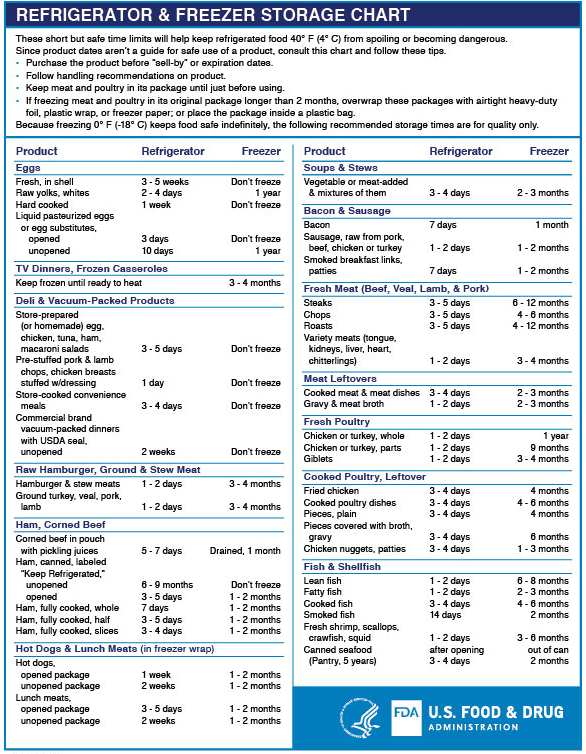
How Long Does Frozen Food Last?
The freezer temperature helps preserve food, but storage time still affects quality. Packaging, moisture, fat content, and the amount of air in the package all matter.
General quality guidelines include:
• Ground meat: about three to four months.
• Steaks and roasts: about four to twelve months.
• Cooked meat: about two to three months.
• Poultry pieces: about nine months.
• Whole poultry: about one year.
• Fish: about two to eight months, depending on the type.
• Soups and stews: about two to three months.
• Leftovers: about two to six months for best quality.
These are quality guidelines, not strict safety deadlines. Food kept continuously frozen at 0°F may remain safe longer, but it may not taste or feel its best.
Labeling packages is one of the easiest ways to prevent forgotten food. Use the oldest suitable item first, and organize food so older packages stay visible.
Frequently Asked Questions About Freezer Temperature
What is the normal freezer temperature?
The normal freezer temperature is 0°F, or −18°C. Setting the freezer slightly below 0°F is also acceptable if the appliance maintains a stable temperature.
Is 10°F cold enough for a freezer?
A freezer temperature of 10°F is colder than the freezing point of water, but it is warmer than the recommended standard. Food may remain frozen, yet quality can decline faster and the appliance has less protection against temperature swings.
What temperature should a chest freezer be?
A chest freezer should normally be set to 0°F, or −18°C. Because cold air stays inside well, a chest freezer may maintain its temperature efficiently when the lid stays closed.
Is food safe if the freezer reaches 32°F?
Food may still be safe if it reaches 32°F briefly and remains partly frozen. If food fully thaws or stays above 40°F for an extended time, follow food safety guidance and discard items when the time and temperature are uncertain.
How can I tell if my freezer is cold enough?
Use a freezer appliance thermometer and place it near the center of the compartment. A reading of 0°F or lower means the freezer is at the recommended temperature.
Why is my freezer cold but my food is soft?
Soft food may result from a warm door area, blocked airflow, a damaged seal, frequent opening, or a temperature that is above 0°F. Check the temperature with a separate thermometer before assuming the appliance needs repair.
Does a full freezer stay colder?
A reasonably full freezer usually holds cold better than an empty one. Do not overfill it, though, because blocked vents can prevent cold air from circulating.
Conclusion
The best freezer temperature for most homes is 0°F, or −18°C. This setting keeps food frozen, slows quality loss, and supports safe long-term storage when paired with good food handling.
Use a separate appliance thermometer, protect the door seal, keep vents clear, and avoid large temperature swings. These simple steps can prevent waste and help your freezer work more efficiently.
Check your freezer today and adjust it if needed. For more practical food storage tips, explore related guides and share your own freezer lessons in the comments.

Appliance Review Expert
Lucas Ramirez is a trusted voice at HomeFixGrid.com, known for his clear, practical, and creatively written guides that simplify appliance care for everyday homeowners. With a strong focus on hands-on testing and real-world problem-solving, Lucas brings expert insight into appliance reviews and troubleshooting techniques. Her work empowers readers to confidently maintain, repair, and choose the right appliances for their homes.