What Is French Door Refrigerator: Buying Guide
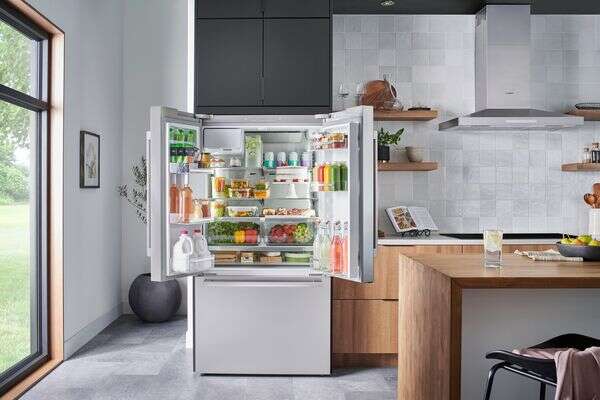
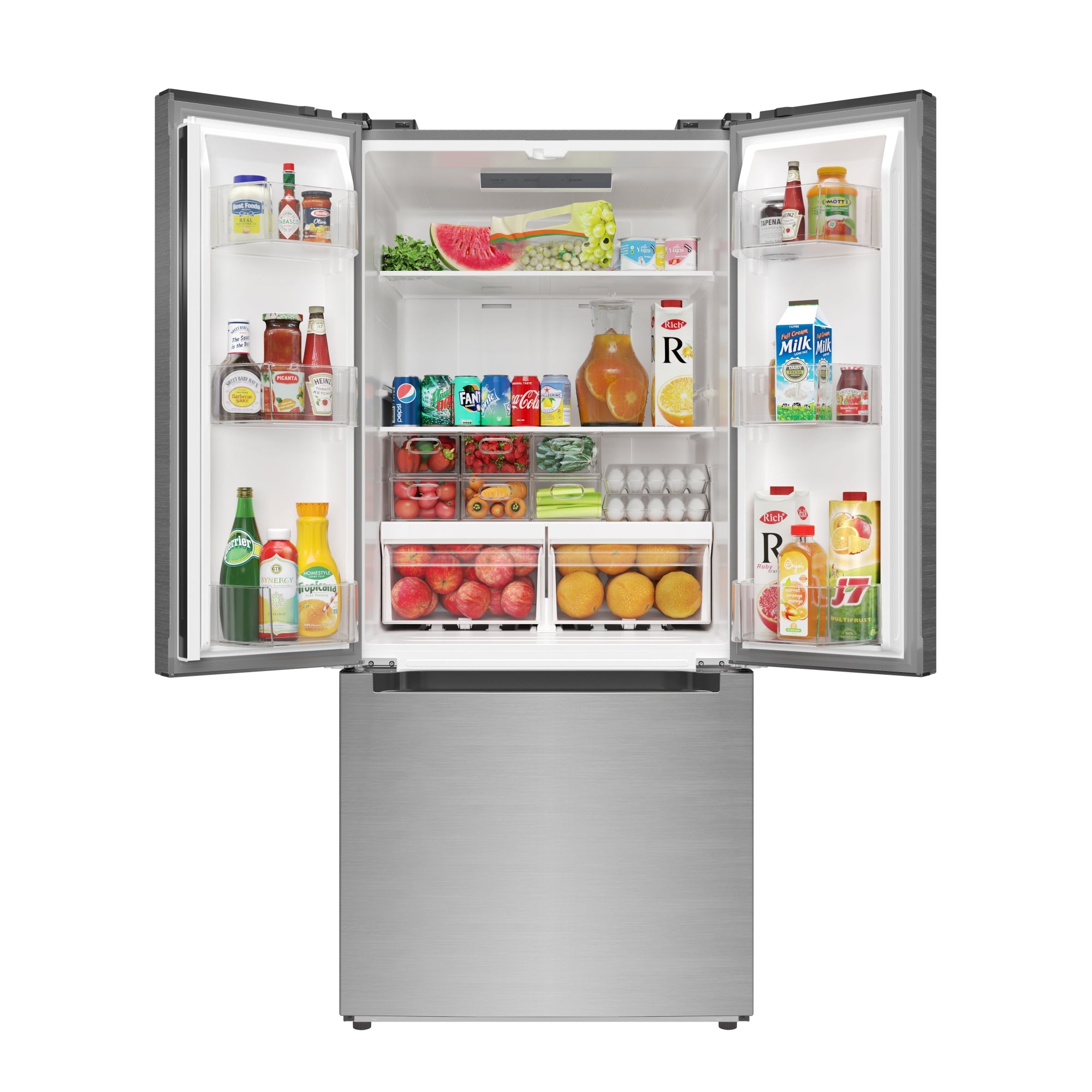
A French door refrigerator has two upper doors, a wide fresh-food section, and a pull-out freezer below.
If you are comparing refrigerator styles, knowing what is French door refrigerator design means can help you choose with confidence. This layout blends easy eye-level access, flexible storage, and a modern look, but it also has trade-offs in cost, space, and maintenance. This guide explains how it works, who should buy one, and what to check before making a decision.
What Is a French Door Refrigerator?
A French door refrigerator is a refrigerator with two side-by-side doors on top and one or more freezer drawers on the bottom. The upper section stores fresh food, while the lower section keeps frozen food. Because the top doors open from the center, you can access a wide shelf without opening one large door.
The name comes from the French door design used in homes and buildings. In a refrigerator, this design helps reduce door swing space and gives you a broad view of the fresh-food compartment.
Most French door refrigerators include:
• Two upper refrigerator doors
• A bottom freezer drawer
• Adjustable shelves
• Door bins
• Humidity-controlled crisper drawers
• A water dispenser or ice maker on some models
• Digital temperature controls
• LED interior lighting
In simple terms, what is French door refrigerator design? It is a bottom-freezer refrigerator that uses two doors for the fresh-food area. This arrangement places the foods you use most at eye level.
A typical model ranges from about 30 to 36 inches wide, although larger models can be wider. Capacity often falls between 18 and 28 cubic feet. Exact dimensions vary, so always check the manufacturer’s specification sheet before purchase.
How Does a French Door Refrigerator Work?
A French door refrigerator uses a sealed cooling system to move heat out of the cabinet. A compressor circulates refrigerant through coils, and fans move cold air through the refrigerator and freezer sections.
The fresh-food compartment stays above freezing, usually near 37°F when correctly set. The freezer should stay at 0°F, which is the standard target for safe long-term frozen food storage.
The two upper doors open separately. A vertical flap on one door often creates a seal across the center gap when both doors close. This design lets the refrigerator use a wide interior without requiring one large door.
The freezer sits at the bottom because frozen food is usually used less often. You do not need to bend down to reach milk, vegetables, leftovers, or other daily items.
Some French door refrigerators use:
• One large freezer drawer for general frozen storage
• Two freezer drawers for better organization
• A middle drawer for snacks, drinks, or deli food
• A dual evaporator system to control fresh and frozen air separately
• An internal or external water dispenser
• Smart sensors that adjust cooling based on use
A dual evaporator can help reduce the transfer of odors between the refrigerator and freezer. However, features differ by brand and model. A more expensive refrigerator does not always cool better, so look at the full specification and warranty.
Key Features of French Door Refrigerators
French door refrigerators come in many designs. Their basic layout is similar, but storage and convenience features can vary greatly.
Wide Fresh-Food Storage
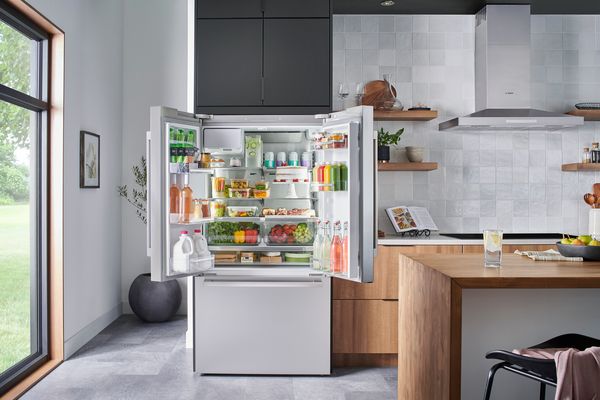
The upper compartment is wide and open. This makes it easier to store large platters, pizza boxes, baking trays, and wide food containers.
A side-by-side refrigerator usually has narrow vertical compartments. A French door refrigerator gives you more horizontal space for fresh food.
Flexible Shelves
Many shelves slide, fold, or split. This lets you create room for tall items such as:
• Milk jugs
• Juice bottles
• Wine bottles
• Large pitchers
• Tall leftovers containers
Before buying, check whether the shelves move easily. A shelf that looks adjustable but feels stiff can become frustrating over time.
Large Door Bins
French door models often have deep door bins. These bins can hold gallon-size containers, condiments, sauces, and drinks.
Door storage is useful, but it should not hold highly perishable food. The door temperature can change more than the center of the refrigerator. Keep milk, meat, and other sensitive foods on interior shelves instead.
Bottom Freezer Drawer
The bottom freezer usually slides out like a large drawer. Many models include baskets or dividers to separate meat, vegetables, ice cream, and small packages.
The main drawback is visibility. Food at the bottom can hide under other items. A simple basket system can prevent the classic “frozen food excavation” problem.
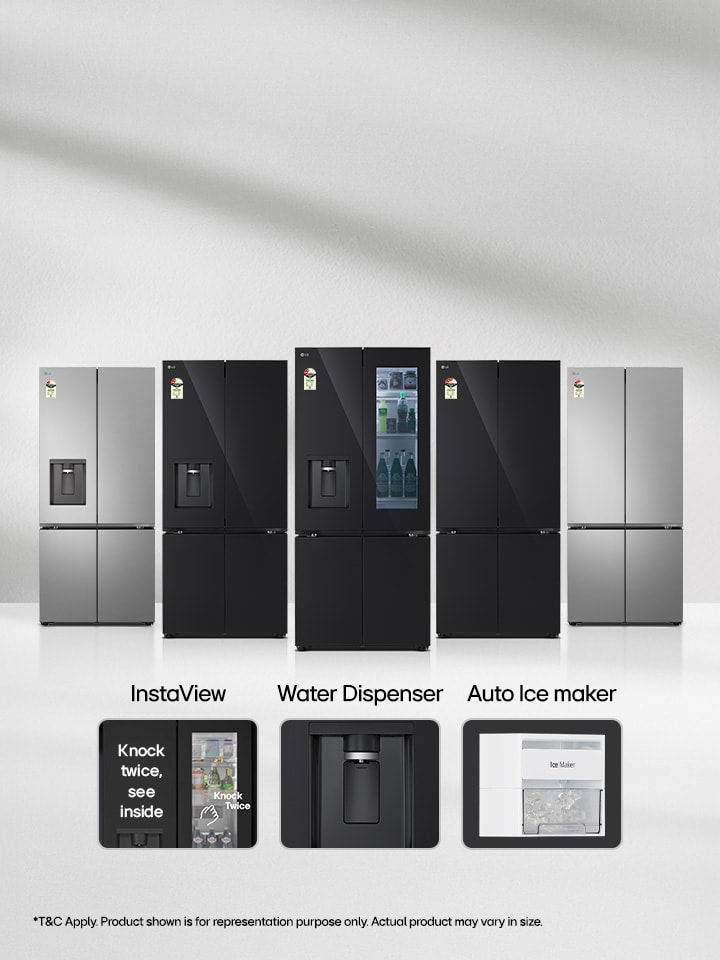
Water and Ice Dispensers
Some models offer water and ice through the door. Others keep the dispenser inside for a cleaner look and more storage space.
External dispensers are convenient, but they add parts that may need cleaning or repair. An internal dispenser can reduce the risk of drips and may preserve more door insulation.
Benefits of a French Door Refrigerator
The answer to what is French door refrigerator becomes more useful when you understand why many households prefer this style.
Easy Access to Fresh Food
Fresh food is placed at eye level. You can see produce, leftovers, and drinks without crouching. This can be especially helpful for older adults or anyone with knee and back pain.
The wide shelves also make it easier to view several items at once. In my experience reviewing kitchen layouts, people often waste less food when they can see what is in the refrigerator.
Less Door Swing Space
Each upper door is narrower than a single full-width refrigerator door. This can help in a small kitchen, a narrow walkway, or a space near an island.
You still need clearance for the doors and handles. Measure the full open position, not only the closed width.
Better Storage for Wide Items
A French door refrigerator can hold wide dishes that may not fit well in a side-by-side model. This is helpful during holidays, family meals, and meal preparation.
If you often store sheet pans, large bowls, or party trays, the wide upper section can feel like a major upgrade.
Good Organization
The freezer drawer, door bins, shelves, and crisper drawers create several storage zones. With a little planning, each food type can have a set place.
The refrigerator works best when you group similar foods together. For example, keep breakfast items on one shelf, produce in the crisper, and ready-to-eat foods at eye level.
Modern Design
French door refrigerators have a clean, high-end appearance. Stainless steel, black stainless steel, and smudge-resistant finishes are common in US kitchens.
Design should not be the only reason to buy one, but appearance can matter when a refrigerator is a major part of an open kitchen.

Disadvantages of French Door Refrigerators
No refrigerator style is perfect. Understanding the drawbacks can help you avoid an expensive mistake.
Higher Purchase Price
French door refrigerators often cost more than basic top-freezer models. Dispensers, smart controls, extra drawers, and dual cooling systems can raise the price further.
A lower-cost model may provide the same basic layout with fewer features. Compare usable storage, warranty coverage, and repair access instead of judging by appearance alone.
Freezer Organization Can Be Difficult
A bottom freezer drawer offers space, but food can become stacked and hidden. Small packages may disappear under large frozen bags.
Use clear bins, labels, and a simple inventory system. Place commonly used foods near the top.
More Parts Can Mean More Repairs
Ice makers, water valves, electronic controls, drawer slides, and dispensers add convenience. They also add components that can fail.
This does not mean every French door refrigerator is unreliable. It means you should consider whether you truly need each feature. Simpler models can be easier to maintain.
Heavy Doors and Drawers
Large shelves can become heavy when filled with bottles and jars. The freezer drawer also needs enough space to open fully.
Check that the floor is level. An uneven floor can make doors swing, drawers rub, or seals fail to close properly.
Limited Narrow Storage
Although the refrigerator is wide inside, it may not offer much tall, narrow space for certain bottles or containers. Adjustable shelves can help, but layout varies from one model to another.
Take a few items from your current refrigerator to the store or compare their measurements with the interior dimensions.
French Door Refrigerator vs. Other Refrigerator Styles
Knowing what is French door refrigerator also means understanding how it differs from other common designs.
French Door vs. Top-Freezer Refrigerator
A top-freezer refrigerator places the freezer above the fresh-food section. It often costs less and has a simple design.
French door models offer better eye-level access to fresh food and more modern storage. Top-freezer models may provide better value for a tight budget.
French Door vs. Bottom-Freezer Refrigerator
Both styles place the freezer below the refrigerator. A traditional bottom-freezer model usually has one upper refrigerator door, while a French door model has two.
The French door design needs less door swing space and often provides wider shelves. A single-door bottom-freezer model may have fewer parts and a lower price.
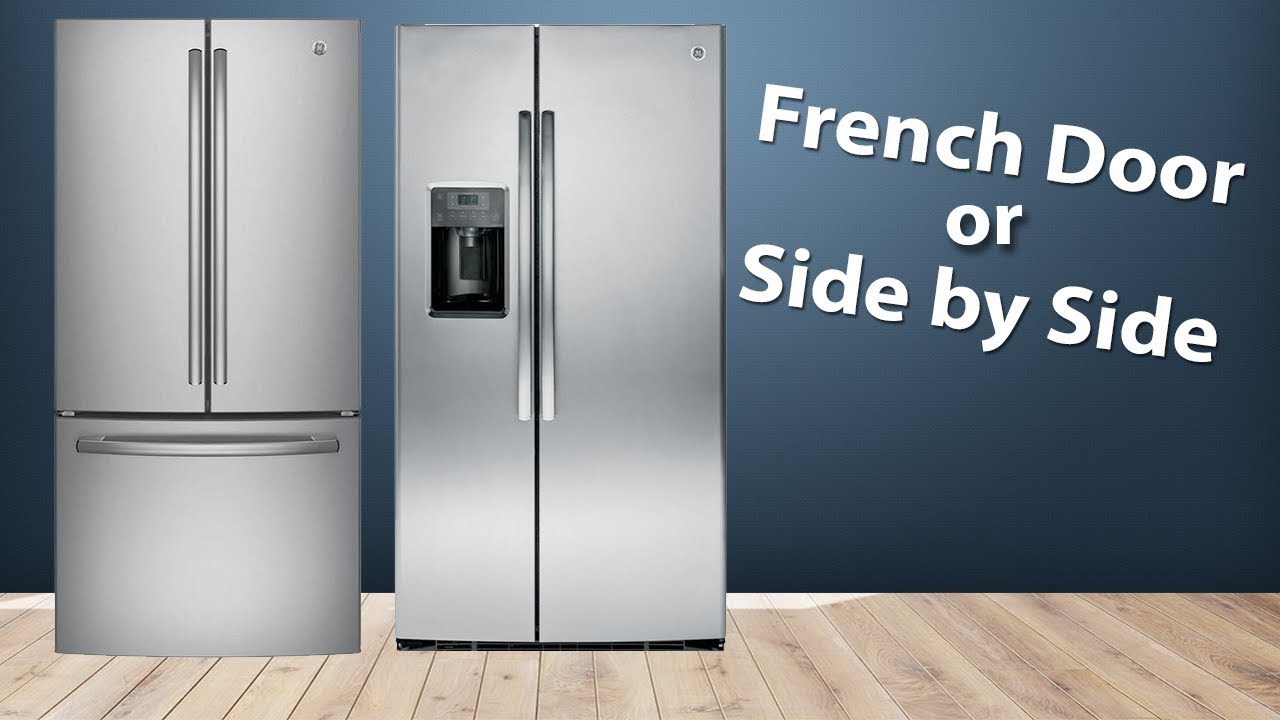
French Door vs. Side-by-Side Refrigerator
A side-by-side refrigerator has a tall refrigerator compartment beside a tall freezer compartment. It offers easy access to frozen food and usually needs less space for each door to open.
However, both compartments are narrow. A French door refrigerator usually gives you more fresh-food width but may require more bending to reach the freezer.
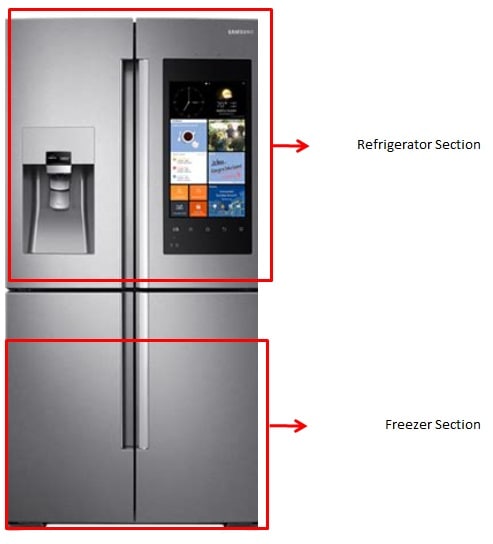
French Door vs. Four-Door Refrigerator
A four-door refrigerator often has two upper doors, a lower freezer, and an additional flexible-temperature drawer. It can improve organization but usually costs more.
The extra drawer is useful if you need space for drinks, deli items, or party food. If not, it may be an expensive feature that adds little value.
How to Choose the Best French Door Refrigerator
Use a practical checklist before you shop. The best French door refrigerator is the one that fits your kitchen, habits, budget, and service needs.
1. Measure the Installation Space
Measure:
• Width between cabinets
• Height from the floor to the cabinet above
• Depth from the wall to the front edge
• Door and drawer clearance
• Distance to nearby islands or counters
• Path through doorways and hallways
Leave room for ventilation if the manufacturer requires it. Do not assume a refrigerator listed as 36 inches wide will fit a 36-inch opening.
2. Check Usable Capacity
A large cubic-foot number does not guarantee useful storage. Ice makers, drawers, shelves, and thick insulation reduce usable space.
Look inside the unit if possible. Imagine where you will place milk, produce, leftovers, frozen meals, and large containers.
3. Choose the Right Ice and Water Setup
Consider whether you prefer:
• Ice through the door
• Ice inside the freezer
• A large ice bin
• Filtered water inside the refrigerator
• No water dispenser
Door dispensers are convenient for families. Internal systems often provide a cleaner design and fewer exterior parts.
4. Review Energy Information
Look for the yellow EnergyGuide label. It estimates yearly energy use and operating cost under standard conditions.
ENERGY STAR-certified models meet efficiency requirements set by the US Environmental Protection Agency. Actual energy use depends on room temperature, settings, usage, and maintenance.
5. Study the Warranty
Read the warranty before purchase. Check coverage for the compressor, sealed cooling system, ice maker, electronics, labor, and replacement parts.
A long compressor warranty does not always cover every other part. This is a common detail buyers miss.
6. Consider Repair Support
Ask whether authorized service is available in your area. A feature-rich refrigerator can be difficult to repair if parts are hard to find.
Search for the model’s service reputation, but treat online reviews carefully. People are more likely to post after a problem than after years of normal use.
Installation and Maintenance Tips
Correct installation can affect cooling, noise, energy use, and product life.
Keep these habits in mind:
• Level the refrigerator so the doors close correctly.
• Leave the required clearance around the cabinet.
• Clean condenser areas according to the manual.
• Replace water filters on the recommended schedule.
• Keep door seals clean and free from food residue.
• Do not block interior air vents with containers.
• Avoid placing hot food directly inside the refrigerator.
• Keep the freezer near 0°F and the fresh-food section near 37°F.
• Remove old food before it creates odors or blocks airflow.
Use a refrigerator thermometer if you are unsure about the temperature. The built-in display may show a target setting rather than the exact temperature in every area.
One practical lesson from appliance testing is that overloaded shelves cause more problems than many owners expect. Cold air must move through the cabinet. Pack food neatly, but leave small gaps around vents.
Clean spills quickly, especially under drawers. Sticky residue can affect drawer movement and attract odors. For stainless steel, follow the manufacturer’s cleaning instructions and avoid harsh abrasives.
Common Mistakes to Avoid
A French door refrigerator can serve a family well for many years, but poor planning can lead to regret.
Buying by Appearance Alone
A beautiful finish cannot fix a poor interior layout. Open the doors and drawers before buying. Check whether shelves, bins, and handles feel strong.
Ignoring Delivery Measurements
Measure the path into your home. Include the front door, stairs, hallway turns, and kitchen entrance.
Many refrigerators fit the kitchen opening but cannot make the final turn during delivery. Remove doors only if the manufacturer or delivery team approves the process.
Choosing Too Many Features
Smart screens, specialty drawers, and multiple ice settings may sound useful. Each feature can increase cost and maintenance needs.
Choose features that match your daily routine. A family that fills water bottles often may value a dispenser. Someone who rarely uses ice may prefer extra storage.
Overfilling the Door Bins
The door is convenient, but heavy bottles can strain shelves and bins. Keep the weight within the manufacturer’s limits.
Forgetting Noise
Modern refrigerators are generally quiet, but fans, compressors, and ice makers still make sounds. If your kitchen opens into a living room, check the listed noise information and read long-term owner reviews.
Is a French Door Refrigerator Energy Efficient?
A French door refrigerator can be energy efficient, but the door layout alone does not determine efficiency. Insulation, compressor design, size, temperature settings, door openings, and ice-maker use all affect energy consumption.
Two smaller doors may reduce the amount of cold air that escapes when you open only one side. However, opening the doors often or using an external ice dispenser can reduce that advantage.
To lower energy use:
• Select an efficient model with an EnergyGuide rating.
• Keep the refrigerator away from ovens and direct sunlight.
• Set safe temperatures instead of making the refrigerator extra cold.
• Check that the door seals close tightly.
• Keep the condenser area clean when the manual permits cleaning.
• Avoid leaving doors open while preparing meals.
Energy labels are useful for comparisons, but they are estimates. Your yearly cost may differ from the label because of climate, household size, and usage.
Who Should Buy a French Door Refrigerator?
A French door refrigerator is a strong choice for people who want easy access to fresh food and flexible storage. It works well in many family kitchens, especially when wide shelves are more useful than narrow vertical compartments.
Consider this style if you:
• Store large containers or serving dishes
• Use fresh food more often than frozen food
• Have limited space for a wide door swing
• Want fresh food at eye level
• Need flexible shelf and drawer storage
• Prefer a modern refrigerator design
Another style may be better if you have a small budget, need simple repairs, or use frozen food heavily. A side-by-side refrigerator can make frozen food easier to reach, while a top-freezer model often offers excellent value.
The answer to what is French door refrigerator is not only about the doors. It is about how the layout fits your real habits. Think about what you reach for every morning, not just what looks impressive in a showroom.
Frequently Asked Questions About What Is French Door Refrigerator
What is a French door refrigerator used for?
A French door refrigerator stores fresh food in a wide upper compartment and frozen food in a lower drawer. It is designed for easy access to fresh items and flexible storage.
Are French door refrigerators better than side-by-side models?
They can be better for people who store wide dishes, large containers, and fresh food. Side-by-side models may be better for households that want frozen food at eye level and narrow door clearance.
What is the main disadvantage of a French door refrigerator?
The main disadvantages are often the higher price and the harder-to-organize bottom freezer. Extra features, such as door ice makers and water dispensers, can also increase repair costs.
How long does a French door refrigerator last?
Many refrigerators last about 10 to 15 years, but lifespan depends on build quality, usage, maintenance, and repair history. Ice makers and electronic parts may need service before the main cooling system.
What temperature should a French door refrigerator be?
The fresh-food compartment should generally stay around 37°F, while the freezer should stay at 0°F. Use a separate appliance thermometer to confirm actual temperatures.
Do French door refrigerators use more electricity?
Not necessarily. Energy use depends on size, insulation, compressor technology, settings, and features. Compare EnergyGuide estimates and ENERGY STAR certification rather than judging by the door style alone.
Can a French door refrigerator fit in a small kitchen?
It can fit if the cabinet opening, door clearance, and drawer clearance are suitable. Always measure the refrigerator, open-door depth, delivery path, and nearby counters before purchasing.
Conclusion
A French door refrigerator has two upper doors, a wide fresh-food area, and a bottom freezer drawer. Its main strengths are eye-level access, flexible storage, less door swing space, and room for wide containers. Its main limits include higher cost, freezer organization challenges, and more parts to maintain.
Before you buy, measure your kitchen, compare usable storage, check energy information, and choose features that support your daily routine. Explore reliable model specifications, read the warranty carefully, and share your refrigerator experiences or questions in the comments.

Appliance Review Expert
Lucas Ramirez is a trusted voice at HomeFixGrid.com, known for his clear, practical, and creatively written guides that simplify appliance care for everyday homeowners. With a strong focus on hands-on testing and real-world problem-solving, Lucas brings expert insight into appliance reviews and troubleshooting techniques. Her work empowers readers to confidently maintain, repair, and choose the right appliances for their homes.