
What Is Cold Setting On Fridge: Best Temperature Guide
The cold setting on a fridge controls how much the appliance cools its fresh-food compartment.
Knowing what is cold setting on fridge models means understanding the dial, buttons, and digital display that control temperature. Most refrigerators work best at about 37°F, while the freezer should stay near 0°F. The right setting keeps food safe, reduces waste, and helps your appliance use energy wisely.
What Is the Cold Setting on a Fridge?
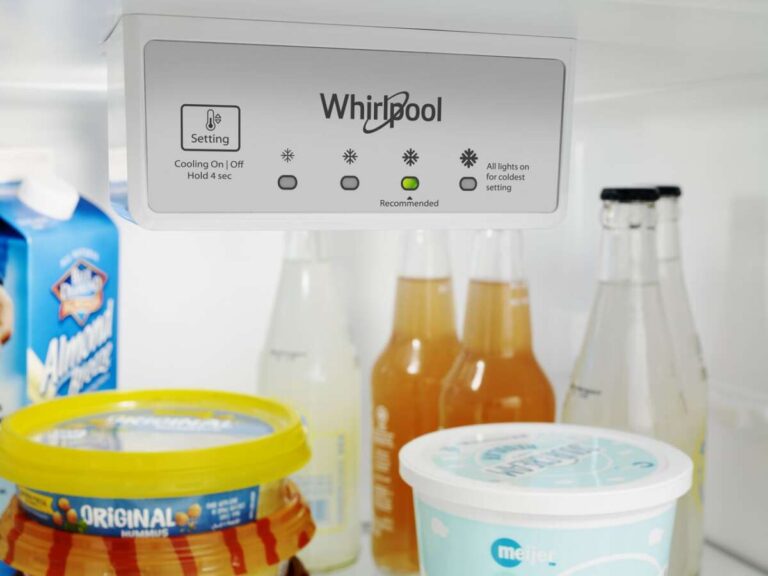
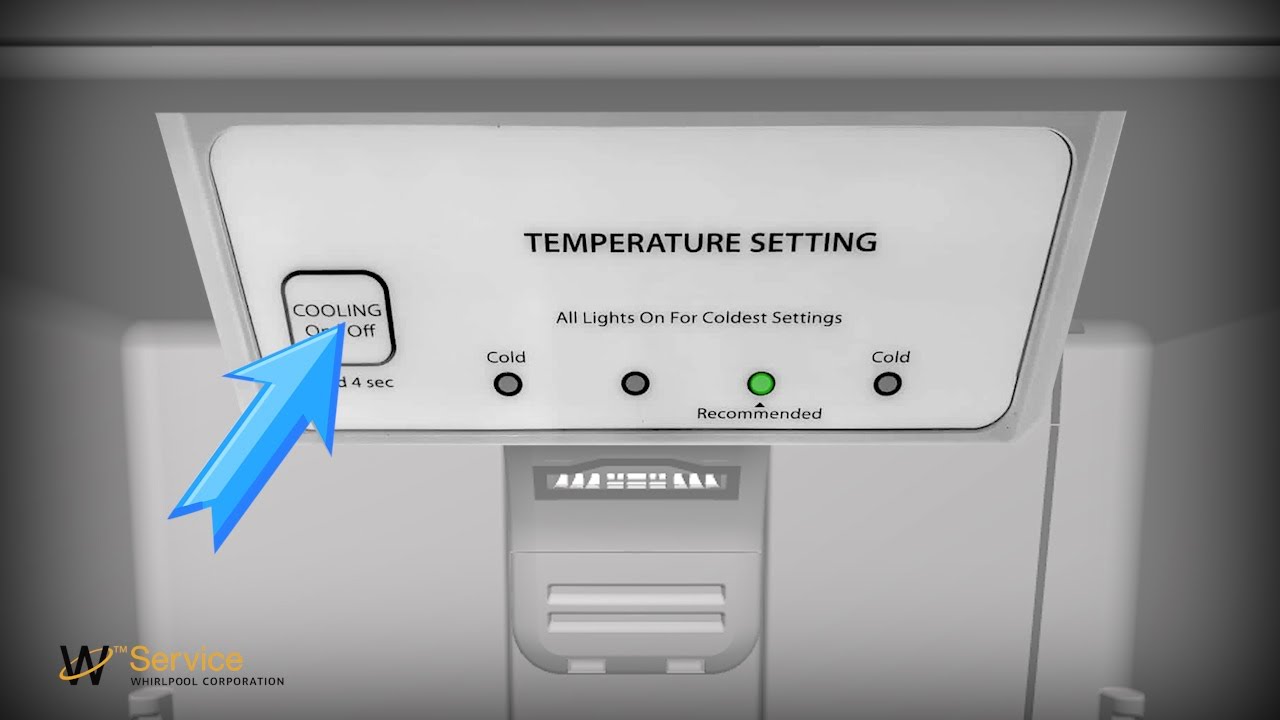
The cold setting on a fridge is the temperature control that tells the refrigerator how cold to make the inside. It may appear as a numbered dial, a digital temperature panel, or buttons labeled “Colder” and “Warmer.”
In a typical refrigerator, the control does not always show the actual temperature. A dial marked from 1 to 5 or 1 to 9 usually shows cooling power. A higher number often means more cooling, but this can vary by brand.
Most modern refrigerators use a digital display. This display often shows the target temperature in degrees Fahrenheit. For example, setting the refrigerator to 37°F means the unit will try to keep the fresh-food area close to that temperature.
The cold setting affects the refrigerator section first. Some models have a separate freezer setting, while others use one control to manage airflow between the refrigerator and freezer.
What Number Is the Coldest Setting on a Fridge?
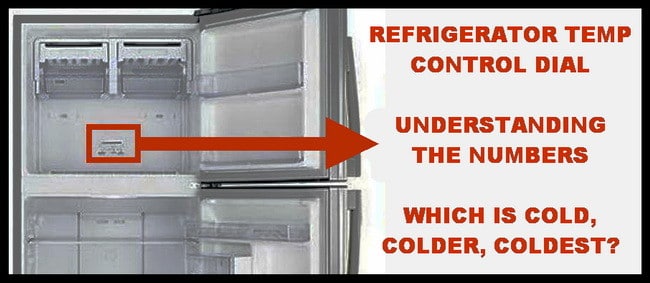
On most numbered refrigerator dials, the highest number is the coldest setting. For example, a setting of 5 is usually colder than a setting of 2.
However, the number does not always mean a specific temperature. It may simply tell the compressor to run longer or cool more often. This is why a dial set to 5 does not necessarily mean the fridge is at 35°F.
A basic guide looks like this:
• Setting 1: Least cooling and usually the warmest option
• Setting 3: Moderate cooling for normal use
• Setting 5 or the highest number: Strongest cooling and usually the coldest option
Some refrigerators use words instead of numbers. In that case, “Colder,” “Max Cool,” or “Cold” usually means stronger cooling.
Always check the owner’s manual when possible. A few models use reverse controls, and some older units have separate dials for freezer temperature and fresh-food temperature.

What Is the Best Temperature for a Refrigerator?
The best refrigerator temperature is 37°F. The U.S. Department of Agriculture recommends keeping the refrigerator at 40°F or below and the freezer at 0°F.
A setting between 35°F and 38°F works well for many homes. It keeps food cold enough for safety without causing too much freezing in the refrigerator compartment.
Use a separate refrigerator thermometer if your appliance has a simple dial. Place it in the center of the middle shelf. Do not place it against the back wall or inside the door, because those areas may not show the average temperature.
Temperature can change when:
• The door is opened often
• The refrigerator is nearly empty
• Hot food is placed inside
• The room is very warm
• Air vents are blocked
• The door seal is damaged
• The appliance is packed too tightly
A display can also be misleading. It may show the selected target rather than the real temperature of the food compartment.

How Does a Fridge Cold Setting Work?
A refrigerator uses a thermostat or electronic sensor to monitor temperature. When the compartment becomes warmer than the selected setting, the compressor starts. The compressor moves heat out of the refrigerator and releases it into the room.
Cold air usually begins in the freezer. A fan then moves some of that air into the fresh-food section. A damper controls how much air enters the refrigerator compartment.
This process is similar to a house thermostat. A lower target temperature makes the system work longer or start more often. A higher target temperature reduces cooling demand.
The cold setting does not create cold from nothing. It removes heat from inside the appliance. That is why the outside or sides of a refrigerator may feel warm during normal operation.
Modern refrigerators may also use:
• Temperature sensors
• Automatic defrost cycles
• Airflow dampers
• Variable-speed compressors
• Fast-cool or power-cool modes
These parts help maintain a steady temperature. Still, the control setting alone cannot fix a blocked vent, poor door seal, dirty condenser, or failing compressor.

Should You Set Your Fridge to the Coldest Setting?
Usually, no. The coldest setting is useful for a short time, but it is not the best everyday choice for most homes.
A very cold setting can freeze lettuce, berries, milk, and other foods near the rear wall. It can also make the compressor run more often, which may increase energy use and noise.
The coldest setting may help when:
• You have added a large amount of food
• The door was left open for a long time
• The kitchen is unusually hot
• You need to cool drinks quickly
• The refrigerator is recovering after a power outage
Use special modes such as “Power Cool” only for a limited period if the manual recommends it. Return the appliance to its normal setting after the food is cold.
In my experience troubleshooting common fridge complaints, people often turn the dial to its coldest position when food seems warm. The real problem is often a blocked air vent or a door that does not close fully. More cooling cannot solve a circulation problem.

How to Set the Cold Setting on a Fridge
Follow these steps to adjust the cold setting safely:
-
Check the control type. Determine whether your refrigerator uses a dial, buttons, or a digital display.
-
Find the recommended temperature. Start near 37°F for the refrigerator and 0°F for the freezer.
-
Make a small change. On a numbered dial, move the control one number at a time. On a digital model, adjust by 1°F or 2°F.
-
Wait before judging the result. A refrigerator may need 12 to 24 hours to reach a stable temperature.
-
Check with a thermometer. Place it in the center of the refrigerator, not in the door.
-
Adjust again if needed. Move the control slightly colder or warmer based on the thermometer reading.
Avoid changing the setting several times in one day. Frequent changes make it hard to know which setting works. They may also cause unnecessary compressor cycles.
If your model has separate refrigerator and freezer controls, adjust only the compartment with the problem. This prevents overcooling the freezer while trying to improve the refrigerator temperature.
Why Is My Fridge Still Warm on the Coldest Setting?
A fridge that stays warm on its coldest setting may have a mechanical, airflow, or sealing problem. The setting itself may not be the cause.
Check these common issues first:
• Blocked vents: Food can stop cold air from moving between compartments.
• Overpacking: A full fridge may not allow air to circulate.
• Door seal damage: A loose or cracked gasket lets warm air enter.
• Frequent door opening: Each opening adds warm, moist air.
• Dirty condenser coils: Dust can reduce heat release and cooling performance.
• Frost buildup: Ice may block the evaporator fan or air passage.
• Poor location: Heat from an oven or direct sunlight can affect performance.
• Faulty fan: A failed evaporator fan can stop cold air from moving.
Unplug the refrigerator before cleaning exposed coils or working near moving parts. Do not remove covers or repair electrical components unless you have the right training.
Food safety matters here. Perishable food that has stayed above 40°F for more than two hours may need to be discarded. In a room above 90°F, the limit may be one hour.

How to Stop Food From Freezing in the Refrigerator
Food that freezes inside the refrigerator is often too close to a cold-air vent or the back wall. It can also indicate a control, sensor, or damper problem.
Try these practical steps:
• Move delicate foods away from the rear wall.
• Keep lettuce, eggs, and milk in suitable areas.
• Do not block interior air vents.
• Check that the refrigerator is not set to maximum cooling.
• Wait 24 hours after changing the setting.
• Test the temperature with a refrigerator thermometer.
The refrigerator door is usually the warmest area. Store items that need less protection there, such as condiments and bottled drinks. Keep meat, seafood, milk, and other highly perishable foods in the colder main compartment.
If food continues to freeze at a normal setting, inspect the temperature sensor and damper through a qualified technician. Repeated freezing is not normal and may shorten food quality and increase waste.

Cold Setting and Energy Use
The colder the refrigerator runs, the more work its compressor may need to do. A setting that is far below the recommended range can use extra electricity without offering a meaningful food-safety benefit.
Energy use also depends on:
• Appliance age and size
• Door seal condition
• Room temperature
• Location and ventilation
• Frequency of door opening
• Amount of food inside
• Cleanliness of condenser coils
Keep the refrigerator away from ovens, radiators, and strong sunlight. Leave the clearance recommended by the manufacturer around the sides and back.
A moderately full refrigerator often holds temperature better than an empty one. However, do not pack it so tightly that cold air cannot move. Think of airflow as a quiet river. Blocking it creates warm pockets.
Where Should Food Go in a Cold Fridge?
Different parts of a refrigerator have different temperatures. The best storage location depends on the food.
• Top shelves: Ready-to-eat foods, leftovers, and drinks
• Middle shelves: Dairy products and prepared meals
• Bottom shelf: Raw meat, poultry, and seafood in sealed containers
• Crisper drawers: Fruits and vegetables
• Door shelves: Sauces, pickles, and other items that tolerate temperature changes
Keep raw meat below cooked food. This reduces the chance of leaks contaminating food below or nearby.
Cool leftovers in shallow containers and refrigerate them within two hours. Large, deep containers can stay warm in the center for too long.
Do not rely on smell alone to judge safety. Harmful bacteria may grow without changing the food’s odor, color, or taste.
Common Mistakes When Adjusting a Fridge Cold Setting
Many temperature problems come from simple mistakes. Avoid these errors before assuming the refrigerator needs repair.
• Reading the dial as an exact temperature: Most numbered dials show cooling strength, not degrees.
• Changing settings too quickly: The appliance needs time to stabilize.
• Using the door for milk: The door is often warmer than the main shelves.
• Blocking vents with food: Cold air cannot circulate properly.
• Ignoring the thermometer: A displayed target may not match the real compartment temperature.
• Setting the fridge to maximum all year: This can freeze food and waste energy.
• Opening the door to check the temperature: Use a thermometer instead.
• Placing hot food inside in large amounts: This can temporarily raise the internal temperature.
One lesson I have seen repeatedly is that patience matters. After a temperature adjustment, wait at least 12 hours before making another change. Small, measured adjustments usually work better than turning the dial from warm to cold in one move.
When Should You Call a Refrigerator Technician?
Contact a qualified appliance technician when the refrigerator remains warm after basic checks. Professional help is especially important if the freezer is also warm, the compressor runs constantly, or the appliance makes unusual clicking sounds.
You should also seek service when:
• The temperature rises above 40°F repeatedly
• Frost covers the entire back wall
• The fan does not run when it should
• Water leaks inside or under the appliance
• The door gasket will not seal
• The refrigerator trips a circuit breaker
• A burning smell or damaged wire is present
Do not attempt to handle refrigerant or bypass safety controls. Refrigeration systems use pressurized components, and improper repairs can cause injury or further damage.
Before scheduling service, record the temperature, note unusual sounds, and write down when the problem began. This information can help the technician find the cause faster.
Frequently Asked Questions About What Is Cold Setting on Fridge
What is the coldest setting on a refrigerator?
On most numbered refrigerator dials, the highest number is the coldest setting. On digital models, the lowest temperature shown is usually the coldest setting.
What temperature should a fridge be set at?
Set the refrigerator near 37°F for normal use. Keep it at or below 40°F to help protect perishable food.
Is 1 or 5 colder on a fridge?
On most dials, 5 is colder than 1. However, check the owner’s manual because some models may use different control systems.
Why is my fridge warm even on the coldest setting?
Blocked vents, a damaged door seal, dirty condenser coils, frost buildup, or a failed fan can prevent proper cooling. Check these simple causes before arranging professional service.
Can the coldest fridge setting freeze food?
Yes. Food near the rear wall or an air vent may freeze when the refrigerator runs at maximum cooling. Move food away from vents and use a thermometer to confirm the actual temperature.
How long does it take a fridge to get cold after changing the setting?
A refrigerator may need 12 to 24 hours to reach a stable temperature. Avoid making repeated adjustments during that period.
Does a higher fridge number use more electricity?
Usually, yes. A higher number often makes the compressor run longer or more often, which can increase energy use and may freeze food.
Conclusion
The cold setting on a fridge controls cooling power or the target temperature inside the refrigerator. For most homes, about 37°F in the refrigerator and 0°F in the freezer provides a safe and practical balance.
Remember that the highest dial number is usually the coldest, but not always. Use a refrigerator thermometer, keep air vents clear, check the door seal, and wait 12 to 24 hours after each adjustment. If the appliance stays warm or freezes food at a normal setting, arrange a professional inspection.
Take a minute today to check your fridge temperature and food placement. For more practical appliance and food-safety guides, explore additional resources and share your own refrigerator tips in the comments.

Appliance Review Expert
Lucas Ramirez is a trusted voice at HomeFixGrid.com, known for his clear, practical, and creatively written guides that simplify appliance care for everyday homeowners. With a strong focus on hands-on testing and real-world problem-solving, Lucas brings expert insight into appliance reviews and troubleshooting techniques. Her work empowers readers to confidently maintain, repair, and choose the right appliances for their homes.