What Is Recommended Freezer Temperature: Best Setting
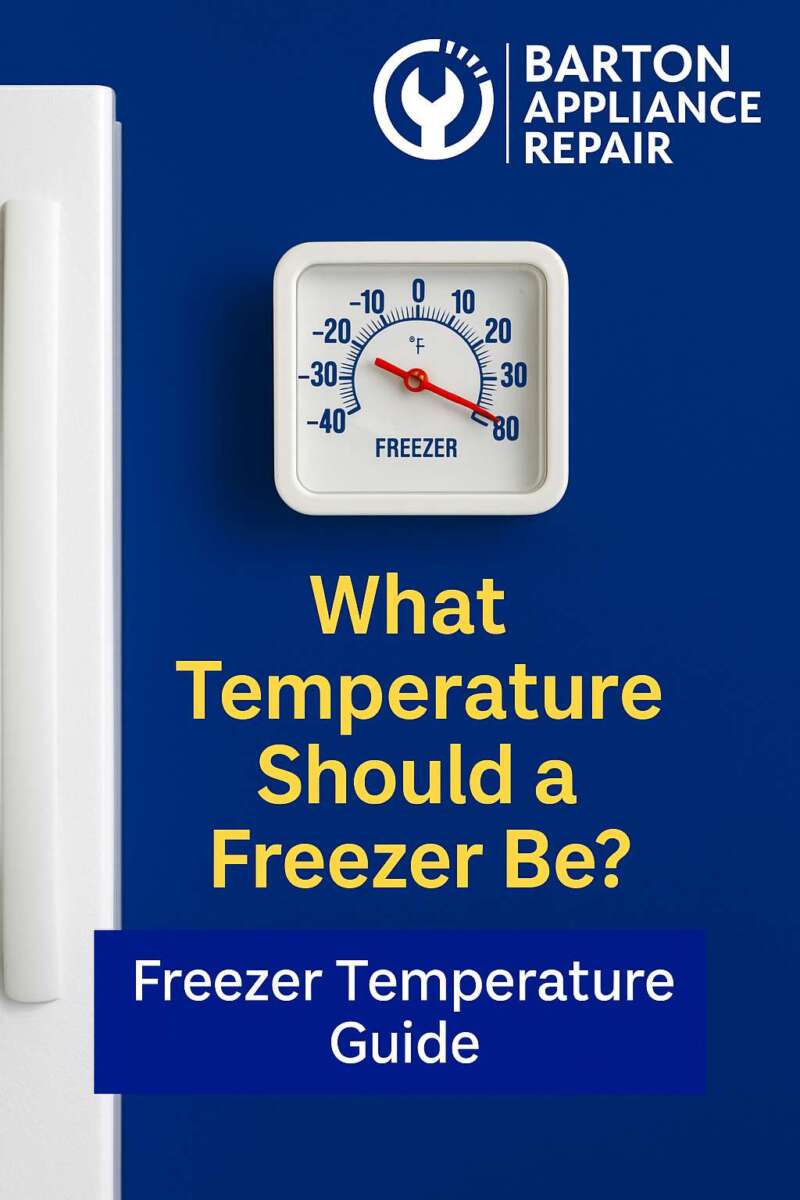
The recommended freezer temperature is 0°F (-18°C) or colder for safe, long-term food storage.
Knowing what is recommended freezer temperature helps protect food quality, slow bacterial growth, and reduce waste. This guide explains the ideal setting, how to check it, why temperature changes happen, and how to keep your freezer cold and reliable in daily use.
What Is the Recommended Freezer Temperature?
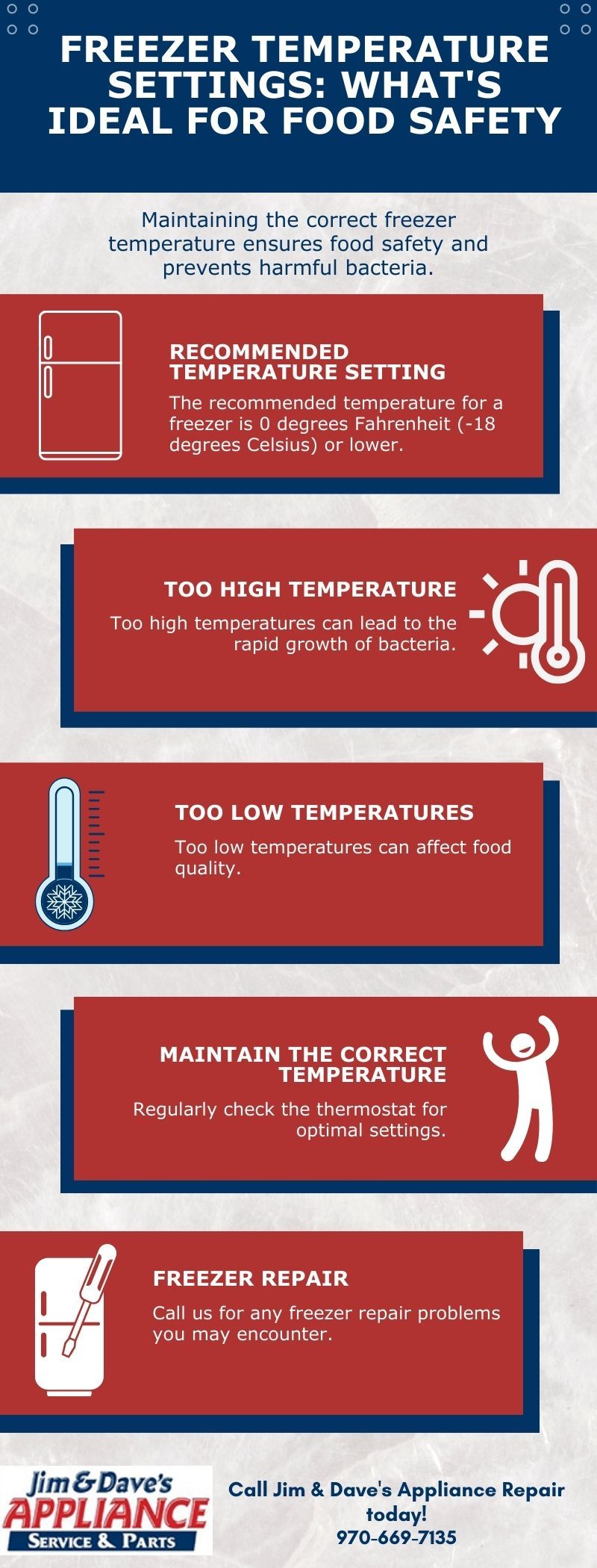
The recommended freezer temperature is 0°F (-18°C) or lower. This is the standard food-safety target used for home freezers in the United States.
At this temperature, food stays frozen and harmful bacteria cannot grow. Freezing does not kill every bacterium, but it stops most bacteria from multiplying until the food warms again.
A freezer set close to 0°F also helps preserve taste, texture, and nutrients. A lower setting may be useful during a heat wave or when the freezer is very full, but extremely low temperatures can raise energy use.
Why 0°F Is the Ideal Freezer Setting
The 0°F target offers a practical balance between safety, quality, and energy use. It keeps meat, vegetables, prepared meals, and other foods solidly frozen without forcing the appliance to work harder than needed.
The United States Department of Agriculture states that food stored continuously at 0°F remains safe for an unlimited time. However, safety and quality are not the same thing. Food may remain safe but develop freezer burn, dry texture, or stale flavors over time.
A steady freezer temperature also protects food during normal door openings. Each time you open the door, warm air enters. If the freezer is already too warm, repeated openings can push food into an unsafe temperature range.
Benefits of maintaining 0°F include:
• Slower loss of food quality
• Better protection against thawing
• Lower risk of food waste
• More reliable storage for meat and seafood
• Improved texture in frozen meals
• Easier food safety monitoring
How to Check Your Freezer Temperature
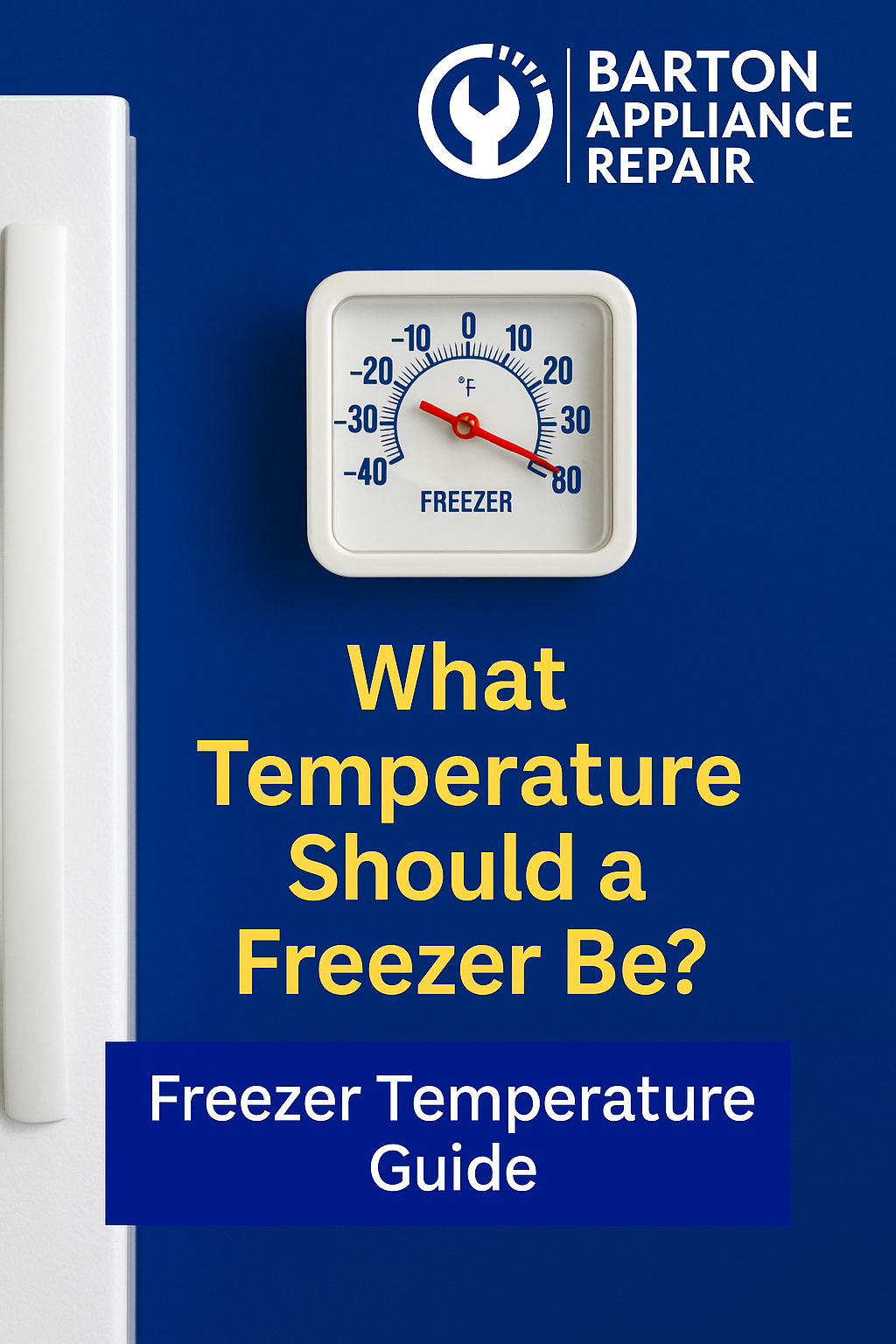
Many freezer controls show numbers instead of actual temperatures. A setting of “3” or “5” does not mean 3°F or 5°F. The safest way to know the temperature is to use an appliance thermometer.
Place the thermometer in the center of the freezer, where temperatures tend to be more stable. Avoid placing it directly against the wall, near the door, or beside the cooling vent.
Follow these steps:
- Put an appliance thermometer in a cup or small container inside the freezer.
- Leave the door closed for at least 12 hours.
- Check the reading.
- Adjust the freezer control if the temperature is above 0°F.
- Wait another 12 hours before checking again.
A freezer thermometer is inexpensive and gives more useful information than the control dial. For extra protection, choose a model with a high-temperature alarm.
A useful real-world lesson is to avoid making several control changes in one day. The appliance needs time to respond, and quick changes can make the temperature seem unpredictable.

What Temperature Should a Freezer Be in Celsius?
The recommended freezer temperature in Celsius is -18°C or colder. This is the same temperature as 0°F.
Some appliances display Celsius, Fahrenheit, or both. If your freezer uses Celsius, set it to -18°C. A setting such as -15°C is warmer than the recommended target and may not provide the same protection for long-term storage.
Here is a simple conversion guide:
• 0°F equals -18°C
• 5°F equals -15°C
• -4°F equals -20°C
• 10°F equals -12°C
Remember that a lower number means a colder temperature when using Celsius. For example, -20°C is colder than -18°C.

Freezer Temperature Compared With Refrigerator Temperature
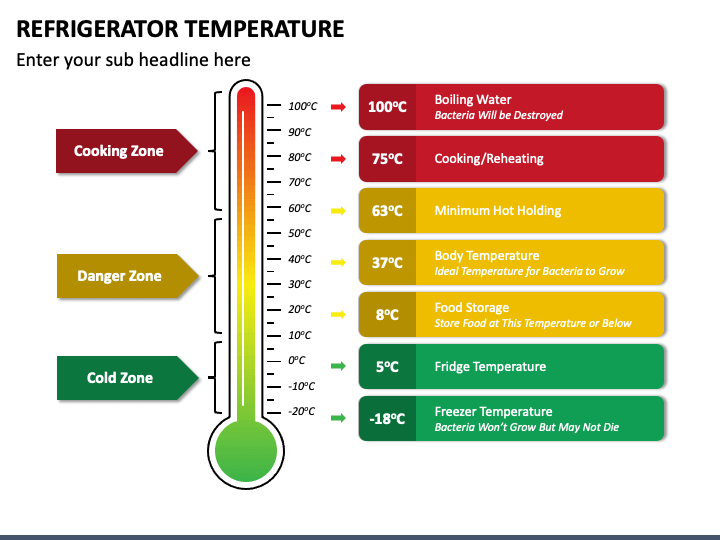
A freezer and a refrigerator need very different temperatures. A refrigerator should stay at or below 40°F (4°C), while the recommended freezer temperature is 0°F (-18°C).
The refrigerator keeps food cold but not frozen. The freezer must stay much colder to turn water in food into ice and stop bacterial growth.
Use these targets as a guide:
• Freezer: 0°F (-18°C) or colder
• Refrigerator: 40°F (4°C) or colder
• Danger zone: 40°F to 140°F (4°C to 60°C)
The danger zone is the range where bacteria can grow quickly. Frozen food should not remain in this range for long. If food has completely thawed and stayed warm, it may need to be discarded.

How to Keep a Freezer at 0°F
Setting the control to 0°F is only the first step. The way you load, clean, and use the freezer also affects its performance.
Use these practical habits:
• Keep the door closed as much as possible.
• Check the door seal for cracks or gaps.
• Do not place hot food directly inside.
• Cool cooked food in the refrigerator first.
• Leave space around vents for air movement.
• Keep the freezer reasonably full.
• Label food with the storage date.
• Remove heavy frost when it builds up.
• Keep the appliance away from ovens and direct sunlight.
A full freezer usually holds cold better than an empty one because frozen food acts like a cold battery. Still, do not pack it so tightly that air cannot move.
A simple test for the door seal is to close the door on a sheet of paper. If the paper slides out with little resistance, the seal may need cleaning, adjustment, or replacement.

Why Your Freezer Temperature May Rise
A freezer can become warmer for several reasons. Some causes are simple, while others may point to a mechanical problem.
Common causes include:
• Frequent door openings
• A damaged or dirty door gasket
• A blocked air vent
• Too much food packed inside
• A nearly empty freezer
• Hot food placed inside
• Frost blocking the cooling system
• A failed fan or compressor
• A power outage
• A faulty temperature sensor
First, check whether the door closes fully. Next, inspect the gasket and vents. If the freezer remains warmer than 0°F after 24 hours, the appliance may need professional service.
A freezer that runs constantly, makes unusual sounds, or shows heavy frost on one wall may also have a problem. Do not ignore these signs, especially if stored food is beginning to soften.
How Long Does Food Stay Safe in a Freezer?
Food that remains frozen at 0°F or colder can stay safe for a very long time. However, recommended storage times mainly protect quality, not basic safety.
Approximate quality guidelines include:
• Ground meat: 3 to 4 months
• Steaks and roasts: 4 to 12 months
• Poultry pieces: about 9 months
• Whole chicken or turkey: up to 12 months
• Fatty fish: 2 to 3 months
• Lean fish: 6 to 8 months
• Cooked meat: 2 to 3 months
• Soups and stews: 2 to 3 months
• Frozen vegetables: 8 to 12 months
These times can vary with packaging, fat content, and freezer stability. Vacuum-sealed food often keeps its quality longer than food wrapped loosely in thin plastic.
Freezer burn appears as dry, grayish, or white patches. It is not usually a safety problem, but it can make food tough and bland. Airtight packaging and less empty space inside the package help prevent it.
What to Do During a Power Outage
Keep the freezer door closed during a power outage. A full freezer can usually keep food frozen for about 48 hours, while a half-full freezer may stay cold for about 24 hours if the door remains closed.
When power returns, check the food carefully. Ice crystals often mean the food can be refrozen or cooked, although the quality may decline. Food that has been above 40°F for more than two hours may not be safe.
Do not taste food to decide whether it is safe. Harmful bacteria may not change the smell, taste, or appearance.
For extra protection, keep these items ready:
• A freezer thermometer
• Frozen gel packs
• A cooler
• A written food inventory
• Appliance service contact details
If you live in an area with frequent storms, keep the freezer at 0°F or slightly colder before severe weather. This gives the food more thermal protection if power fails.
Best Practices for Freezing Food
Good packaging and quick freezing help food retain quality. Divide large amounts into small, flat portions so they freeze faster.
Use freezer-safe bags, rigid containers, or heavy-duty foil. Remove as much air as possible before sealing. Air causes oxidation, dry spots, and freezer burn.
Follow these steps:
- Cool cooked food before freezing it.
- Divide it into meal-sized portions.
- Use a freezer-safe container.
- Remove excess air.
- Label the food and date.
- Freeze it promptly.
- Arrange newer packages behind older ones.
Do not freeze food in ordinary glass jars unless they are designed for freezing. Liquid expands as it freezes, and the glass may crack.
Also avoid placing a large pot of hot food directly in the freezer. It can raise the temperature around nearby food and make the appliance work harder.
Common Freezer Temperature Mistakes
Many freezer problems come from small daily habits. A freezer may seem cold while still running warmer than the safe target.
Avoid these mistakes:
• Trusting the dial number without using a thermometer
• Leaving the door open while choosing food
• Blocking the internal vents
• Ignoring a loose door seal
• Storing food without dates
• Overloading the freezer with warm items
• Keeping food in damaged packaging
• Assuming frozen food is safe after a long thaw
• Setting the freezer far colder than needed without reason
One mistake worth highlighting is placing the thermometer near the door. That area warms quickly and may not represent the temperature around the food. The center shelf gives a more useful reading.
Frequently Asked Questions About the Recommended Freezer Temperature
What is the recommended freezer temperature?
The recommended freezer temperature is 0°F (-18°C) or colder. This setting keeps food frozen and stops bacteria from multiplying.
Is 10°F cold enough for a freezer?
A freezer at 10°F is colder than a refrigerator but warmer than the recommended target. It may keep food frozen, but 0°F or colder is better for long-term safety and quality.
Should a freezer be at 0°F or -18°C?
Both settings are the same. Set the freezer to 0°F if it uses Fahrenheit or -18°C if it uses Celsius.
How can I tell if my freezer is cold enough?
Use an appliance thermometer and place it in the center of the freezer. Check it after the door has stayed closed for about 12 hours.
Is food safe if the freezer loses power?
Food may remain safe if it stays frozen or contains ice crystals. A full freezer can usually hold its temperature for about 48 hours when unopened, but discard perishable food that stays above 40°F for over two hours.
Can a freezer be too cold?
A freezer can be set below 0°F, and this is generally safe for food. However, very low settings may increase energy use without adding much benefit for normal home storage.
Conclusion
The recommended freezer temperature is 0°F (-18°C) or colder. Use an appliance thermometer, keep the door seal tight, avoid blocking vents, and label food so older items are used first.
These simple steps can protect food quality, reduce waste, and help you spot appliance problems early. Check your freezer temperature today, then share this guide with anyone who wants safer and smarter food storage.

Appliance Review Expert
Lucas Ramirez is a trusted voice at HomeFixGrid.com, known for his clear, practical, and creatively written guides that simplify appliance care for everyday homeowners. With a strong focus on hands-on testing and real-world problem-solving, Lucas brings expert insight into appliance reviews and troubleshooting techniques. Her work empowers readers to confidently maintain, repair, and choose the right appliances for their homes.


