
What Is The Best Refrigerator With Ice Maker: Top Picks
The best refrigerator with ice maker is GE Profile PVD28BYNFS for flexible storage and steady ice output.
Choosing the best refrigerator with ice maker takes more than counting ice cubes. You also need to check cooling, storage, noise, water filters, repair access, energy use, and the type of ice system. After comparing popular refrigerator designs and common owner concerns, this guide will help you choose a model that fits your kitchen, budget, and daily routine.
What Is the Best Refrigerator With Ice Maker?
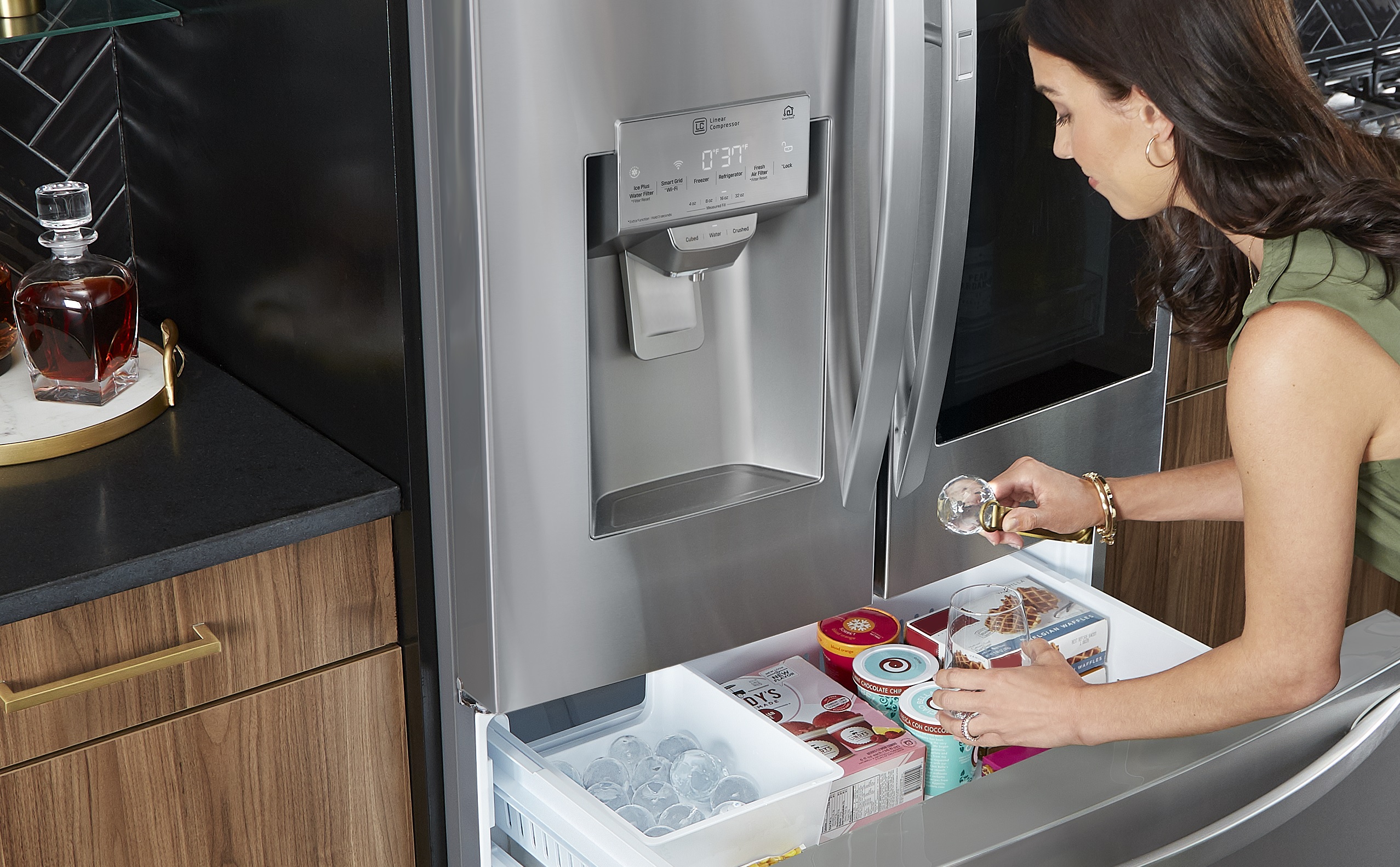
For most households, the GE Profile PVD28BYNFS is a strong all-around choice. It offers a spacious French-door layout, a built-in ice maker, an external water dispenser, adjustable storage, and smart features. Its dual ice system can also help families keep more ice ready during busy days or summer gatherings.
The best refrigerator with ice maker will depend on your needs. A family that hosts often may prefer two ice makers. A small kitchen may need a counter-depth model. Someone who values quiet operation may prefer a simpler internal ice maker instead of a door-mounted system.
Here are several strong choices to consider:
| Refrigerator | Best for | Main strength | Main limitation |
|---|---|---|---|
| GE Profile PVD28BYNFS | Most families | Flexible storage and strong ice capacity | Premium price |
| LG LRFLC2706S | Large households | Spacious interior and dual ice options | Smart features may feel excessive |
| Bosch 800 Series B36CL80ENS | Quiet kitchens | Good temperature control and quiet design | Ice production may be slower |
| Whirlpool WRX986SIHZ | Easy daily use | Practical storage and accessible controls | Ice bin space can feel limited |
| Samsung Bespoke 4-Door Flex | Flexible organization | Convertible compartments and modern design | More complex design can raise repair costs |
The GE Profile is not perfect. Like many refrigerators with ice makers in the door, it may need more care around the ice chute and dispenser area. Still, it provides a good balance of ice access, food storage, temperature control, and convenience.
How to Choose the Best Refrigerator With Ice Maker
Before buying, think about how your household uses ice. Do you fill large coolers, chill drinks every day, or only need a few cubes for coffee? Your answer will help you choose between a basic ice maker and a high-capacity system.
Check the ice maker location
Ice makers usually sit in one of three places:
• Inside the freezer: This design is often simple and leaves more room in the refrigerator door.
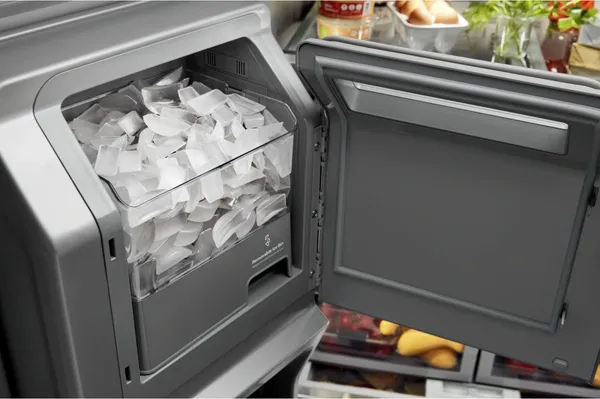
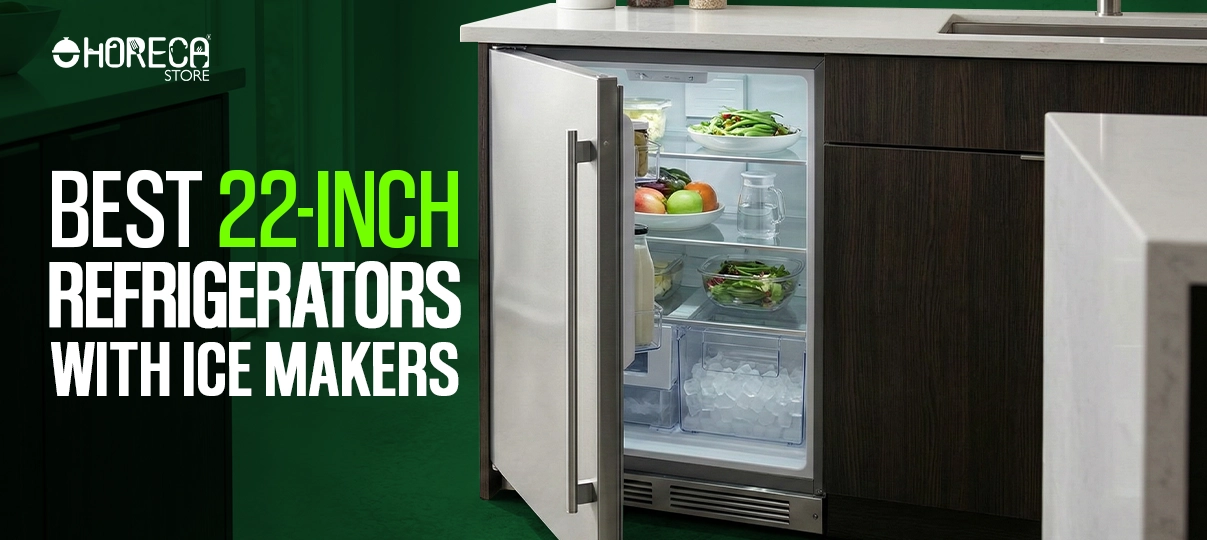
• Inside the refrigerator door: It gives you more freezer space, but the ice bin and chute may need regular cleaning.
• In the freezer drawer: This can provide more ice storage, though you may need to open the drawer to collect ice.
Some models have two ice makers. One may produce standard cubes in the freezer, while another makes ice in the refrigerator door. This setup is useful for large families but adds more parts that may need service.
Compare ice production
Manufacturers often list ice production in pounds per day. Treat that number as a guide, not a promise. Room temperature, water pressure, filter condition, and how often you open the door can all affect production.
For most homes, a refrigerator that makes about 3 to 6 pounds of ice per day is enough. If you entertain often, look for:
• A large ice bin
• A second ice maker
• An ice-making boost mode
• A dispenser that fills a container easily
• A removable ice bucket
Inspect the water system
A water dispenser may use a filter to reduce chlorine taste and some impurities. Replacement filters can be costly, so check the filter price before you buy. Also confirm whether the refrigerator uses a standard filter or a brand-specific cartridge.
A plumbed water line is needed for most built-in ice makers. If your kitchen does not have one, installation may add to the total cost. Never force a water connection into a narrow or damaged line, as a small leak can cause major floor and cabinet damage.
Measure the kitchen carefully
A refrigerator can fit the opening and still fail to fit the room. Measure:
• Width between cabinets
• Height below upper cabinets
• Depth with doors closed
• Depth with doors open
• Space needed for the water line
• Clearance beside hinges
• Path through doors and hallways
Counter-depth refrigerators look neat because they sit closer to the cabinets. However, they usually offer less interior space than standard-depth models. The best refrigerator with ice maker is only useful if its doors open fully and you can move it into the home.

Best Refrigerator With Ice Maker for Different Needs
There is no single winner for every kitchen. The right model changes with family size, cooking habits, floor plan, and budget.
Best overall: GE Profile PVD28BYNFS
The GE Profile PVD28BYNFS is a practical choice for many homes. It combines a French-door layout with wide shelves, adjustable door storage, an external water dispenser, and a built-in ice system.
Its dual ice setup is useful when you need extra ice. The interior also gives you room for large trays, tall bottles, and wide food containers. Smart alerts can help you notice an open door or filter issue.
Choose this model if you want:
• A large refrigerator for a family
• Easy access to water and ice
• Flexible shelves and storage bins
• A modern stainless-steel finish
• Connected features and temperature alerts
Its main drawback is price. Also, door ice makers can be more sensitive to warm air and moisture than simple freezer ice makers.
Best for large families: LG LRFLC2706S
The LG LRFLC2706S is worth considering when interior space matters most. Its wide French-door design provides generous room for fresh food, while the freezer area can support a second ice supply on some configurations.
LG refrigerators often include slim ice makers that preserve shelf space. That can be helpful when you store tall pitchers or meal-prep containers. Check the exact model number, because features can vary between similar versions.
This is a good fit for households that:
• Cook at home often
• Store large grocery loads
• Need wide shelves
• Want a second ice option
• Prefer a clean, modern exterior
Before buying, inspect the ice bin. A slim ice maker may save refrigerator space but may not hold as much ice as a larger freezer bin.
Best for quiet operation: Bosch 800 Series B36CL80ENS
The Bosch 800 Series is designed for buyers who care about quiet performance and a polished interior. It usually offers strong organization, good temperature control, and a counter-depth profile.
Bosch models may be a better match for open-plan homes where compressor noise is noticeable. Their ice output may not satisfy someone who fills large coolers every weekend, so check production and bin capacity closely.
The best refrigerator with ice maker for a quiet home does not always produce the most ice. A simpler system can sometimes be a better choice because it has fewer moving parts and less dispenser noise.
Best practical option: Whirlpool WRX986SIHZ
The Whirlpool WRX986SIHZ focuses on everyday convenience. It offers a French-door layout, useful drawers, external water and ice access, and storage zones that are easy to understand.
This type of refrigerator works well for people who want familiar controls rather than a large touch screen. Whirlpool also has broad service coverage in many areas, but local repair quality can vary.
Consider it if you want:
• Straightforward controls
• Flexible drawer storage
• Easy access to common foods
• A familiar brand with many service providers
• Fewer digital extras
Best for flexible storage: Samsung Bespoke 4-Door Flex
Samsung Bespoke models stand out for their four-door layout and convertible compartments. Some sections can switch between refrigerator and freezer use, which helps when your storage needs change.
This design can be useful during holidays. You might use one compartment for frozen food most of the year, then convert it for drinks or fresh ingredients before a gathering.
The trade-off is complexity. More doors, sensors, screens, and compartments can mean more features to learn and more components to repair. Review the warranty and locate an authorized service provider before purchasing.
:max_bytes(150000):strip_icc()/frigidaire-gallery-215-cu-ft-4-door-counter-depth-french-door-refrigerator-with-ice-maker-fingerprint-resistant-stainless-steel-energy-star-fa8ba9fd3aab46d398af599935ede6fc.jpg)
Ice Maker Types and Their Benefits
Understanding ice types can prevent disappointment. “Ice maker” does not always mean the same thing across refrigerator models.
Standard crescent or cube ice
This is the most common refrigerator ice. It works well for water, soda, iced tea, and coolers. It is easy to produce and usually has lower operating complexity than specialty ice.
Craft or nugget-style ice
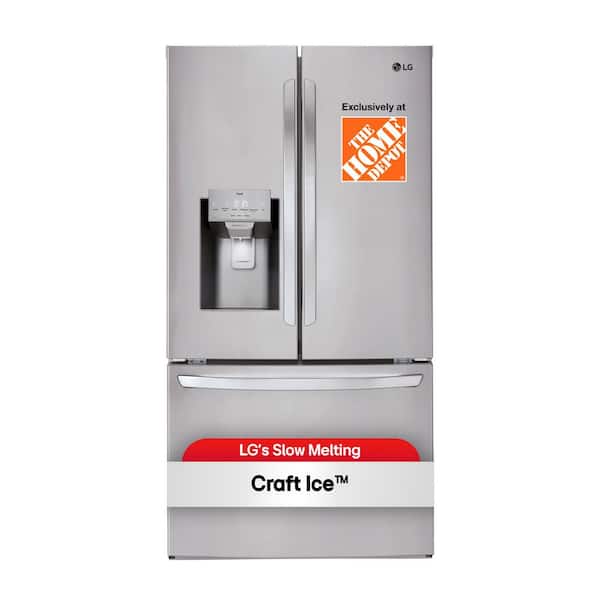
Some refrigerators offer smaller, softer, or chewable ice. This style is popular because it feels pleasant to eat and cools drinks quickly. However, specialty ice systems can need more cleaning and may produce less ice per day.
Dual ice makers
A dual ice maker can produce ice in two locations. This is one of the best features for large families, but it also increases the number of parts connected to the water system.
Manual ice trays
Manual trays may sound old-fashioned, but they are reliable. They require no water line and can keep working even if the automatic system fails. Many owners keep one tray as a backup.
In my practical review of refrigerator features, one lesson stands out: convenience is valuable only when maintenance stays simple. A large ice bin and easy-to-clean parts often matter more than a long list of smart functions.
Important Features Beyond the Ice Maker
The best refrigerator with ice maker must also protect food and make daily tasks easier.
Temperature control
Look for separate controls for the refrigerator and freezer. Digital controls can be precise, but the control location matters. A panel on the door is easier to reach than one hidden behind a shelf.
The refrigerator section should stay at or below 40°F, while the freezer should remain at 0°F for safe long-term storage. Use a separate appliance thermometer if you want to verify actual temperatures.
Even cooling
Good airflow helps prevent warm spots. Features such as multiple vents, rear cooling, and dedicated sensors can improve temperature consistency.
Do not block vents with large containers. A crowded shelf can make even a well-designed refrigerator cool poorly.
Door storage
Deep door bins are useful for gallons, condiments, and bottles. However, heavy items can make the door harder to close and may stress the hinges. Keep milk and other perishable items on interior shelves when possible, where temperatures are often more stable.
Produce drawers
Humidity-controlled drawers can help keep fruits and vegetables fresh. Use a higher humidity setting for leafy greens and a lower setting for some fruits that release more moisture.
Water and air filters
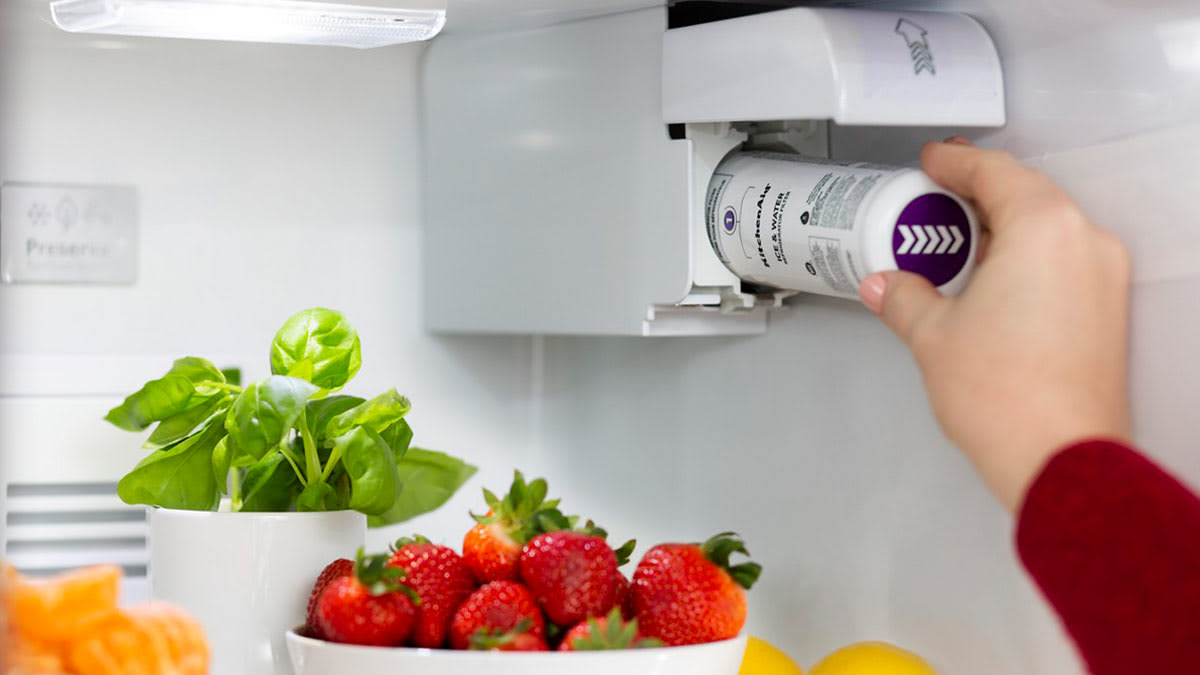
A water filter can improve taste, but it needs regular replacement. Some models also use an air filter to reduce odors. Check the owner’s manual for the proper schedule and avoid using unapproved filters.
Energy use
Look for an ENERGY STAR label when comparing similar models. Energy use depends on size, ice production, door openings, room temperature, and settings. A larger refrigerator may use more electricity even if it has an efficient compressor.
Common Problems With Refrigerator Ice Makers
Even the best refrigerator with ice maker can develop problems. Knowing the common causes can save time and money.
The ice maker stops producing ice
Possible causes include:
• A blocked water line
• A full ice bin
• A frozen fill tube
• A dirty water filter
• Low water pressure
• A failed water inlet valve
Start with simple checks. Confirm that the ice maker is switched on, the water line is open, and the filter is seated correctly. If the fill tube freezes again, the refrigerator may need professional service.
The ice tastes or smells bad
New plastic parts can create a temporary taste. Old ice can also absorb odors from onions, leftovers, or open food containers.
Discard the first few batches after installing a new filter or refrigerator. Store food in sealed containers and wash the ice bin according to the manual.
The dispenser jams
Crushed ice can melt slightly and refreeze into clumps. A chute can also become blocked by wet ice.
Use the dispenser regularly, keep the chute dry, and avoid pushing a glass against it with excessive force. Never use a sharp tool to break a jam because it can damage the mechanism.
The ice maker leaks
Leaks may come from a loose water connection, damaged tubing, a poorly fitted filter, or a cracked ice tray. Turn off the water supply if you see continued leaking, then arrange service.
A small leak should not be ignored. Water can travel under flooring before it becomes visible.
Maintenance Tips to Extend Ice Maker Life
Regular care can help your refrigerator produce clean ice and avoid expensive repairs.
-
Replace the water filter on the schedule listed in the manual.
-
Wash the ice bin with mild soap and warm water.
-
Dry the bin fully before returning it.
-
Clean the dispenser chute and drip tray.
-
Keep the refrigerator temperature at a safe setting.
-
Check the water line for kinks and moisture.
-
Do not overfill the ice bin.
-
Remove old ice if it becomes clumped or stale.
-
Keep strong-smelling foods sealed.
-
Vacuum dust from accessible vents when the manual allows it.
Avoid using bleach, abrasive powders, or harsh cleaners unless the manufacturer specifically permits them. These products may damage plastic parts or leave unsafe residue.
One mistake many buyers make is assuming that “automatic” means “maintenance-free.” Ice is food, and the ice path deserves the same care as any other food-contact surface.
What Refrigerator Size Should You Buy?
A refrigerator should match both your household and your kitchen. A couple may be comfortable with 18 to 22 cubic feet, while a larger family may prefer 25 cubic feet or more. These figures are general guides, not strict rules.
Think about your shopping habits. If you shop several times a week, you may need less storage. If you buy in bulk, cook large meals, or store frozen food, a larger freezer can be more important than extra refrigerator space.
Door and drawer design also affects usable capacity. Two refrigerators with the same listed cubic feet may feel very different inside. Take a look at shelf width, drawer height, and the space between shelves before making a decision.
The best refrigerator with ice maker should leave enough space around food for air to move. A smaller model that stays organized may cool food better than a huge model packed to the limit.
How Much Should You Spend?
Refrigerator prices range from basic models under $1,000 to premium models costing several thousand dollars. The ice maker, dispenser, finish, size, smart features, and cooling system all affect the price.
A reasonable budget should include more than the sticker price. Plan for:
• Delivery
• Door removal or installation
• Water-line installation
• Filter replacement
• Extended warranty costs
• Future repairs
• Electricity
Stainless-steel finishes and smart screens can increase the price without improving ice quality. Spend more on capacity, temperature control, strong shelves, and a serviceable ice system before paying for cosmetic extras.
Check the warranty details carefully. Some warranties cover sealed cooling parts for longer than electronic controls or ice maker components. That difference matters because ice maker repairs can be separate from compressor coverage.
Buying Mistakes to Avoid
The best refrigerator with ice maker can still be a poor purchase if the model does not suit your home.
Avoid these common mistakes:
• Buying without measuring the delivery path
• Assuming all ice makers produce the same amount
• Ignoring the cost of replacement filters
• Choosing a door dispenser without checking cleaning needs
• Failing to confirm water-line requirements
• Buying a counter-depth model without checking storage space
• Trusting online reviews without checking the exact model number
• Skipping local service research
• Placing the refrigerator beside a heat source
• Overlooking door swing and hinge clearance
Model numbers matter. A small letter or number can indicate a different finish, dispenser, ice system, or regional version. Always compare the official specifications for the exact model sold by the retailer.
Frequently Asked Questions About the Best Refrigerator With Ice Maker
What is the best refrigerator with ice maker for most families?
The GE Profile PVD28BYNFS is a strong overall choice because it combines large storage, convenient water and ice access, and flexible organization. It is best for buyers who accept a premium price and want more than a basic freezer ice maker.
Are refrigerators with two ice makers worth it?
Two ice makers are useful if your household uses a lot of ice or hosts guests often. They also add complexity, so they may not be worth the extra cost for people who use only a few cubes each day.
Which refrigerator ice maker is the most reliable?
A simple ice maker located inside the freezer often has fewer parts and may be easier to service. Reliability also depends on water quality, filter changes, installation, and regular cleaning.
How long should a refrigerator ice maker last?
An ice maker may last several years, but its life depends on use and maintenance. Hard water, clogged filters, frequent dispensing, and poor water pressure can shorten its service life.
Does a refrigerator need a water line for an ice maker?
Most automatic ice makers need a connected water line. Some refrigerators can use a refillable internal tank, but this feature is less common and may produce less ice.
Why does my refrigerator make ice slowly?
Slow ice production can result from a warm freezer, blocked airflow, a dirty filter, low water pressure, or frequent door openings. Check those simple causes before arranging a repair.
Conclusion
The best refrigerator with ice maker balances ice output, cooling performance, storage, maintenance, price, and kitchen fit. For many households, the GE Profile PVD28BYNFS offers the strongest mix of useful features. Bosch, LG, Whirlpool, and Samsung also provide good choices for specific needs such as quiet operation, large storage, simple controls, or flexible compartments.
Measure your space, check the exact ice system, review filter and repair costs, and confirm the warranty before buying. Choose the refrigerator that fits your real routine, not just the one with the longest feature list, then explore current models and compare the details carefully before placing your order.

Appliance Review Expert
Lucas Ramirez is a trusted voice at HomeFixGrid.com, known for his clear, practical, and creatively written guides that simplify appliance care for everyday homeowners. With a strong focus on hands-on testing and real-world problem-solving, Lucas brings expert insight into appliance reviews and troubleshooting techniques. Her work empowers readers to confidently maintain, repair, and choose the right appliances for their homes.


