What Setting Should My Fridge Be On: Best Temperature Guide
Set your fridge to 37°F (3°C), and keep the freezer at 0°F (−18°C) for safe, fresh food.
Knowing what setting should my fridge be on can protect your food, reduce waste, and help your appliance run well. The best answer is not always a number on the dial. Fridge controls vary by brand, so an appliance thermometer is the most reliable way to check the real temperature inside.
What setting should my fridge be on?
Your refrigerator should be set to 37°F, or about 3°C. This temperature keeps food cold without usually freezing fresh produce, milk, or leftovers.
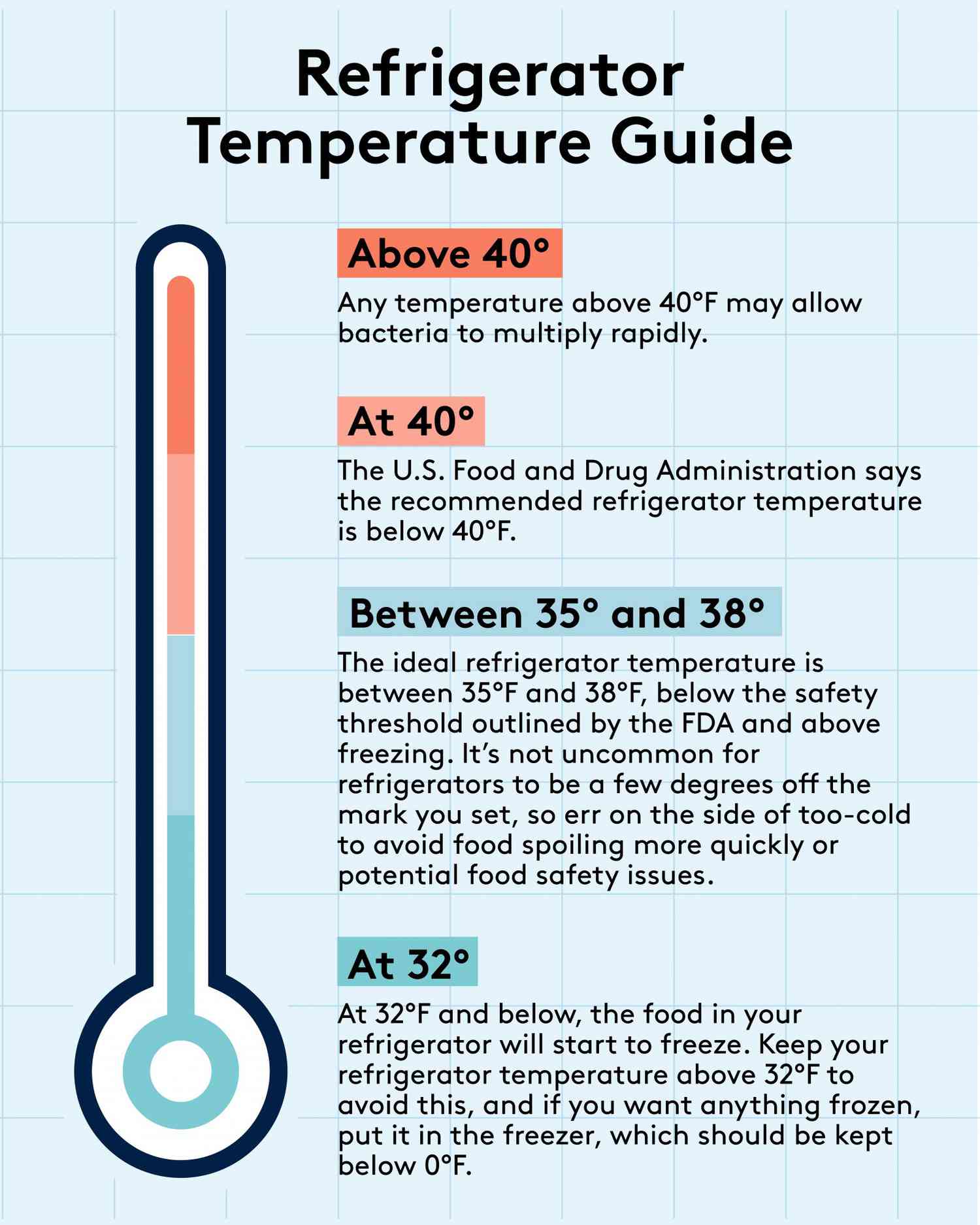
The U.S. Food and Drug Administration recommends keeping a refrigerator at 40°F or below. A setting of 37°F gives you a small safety buffer if the door opens often or the temperature rises for a short time.
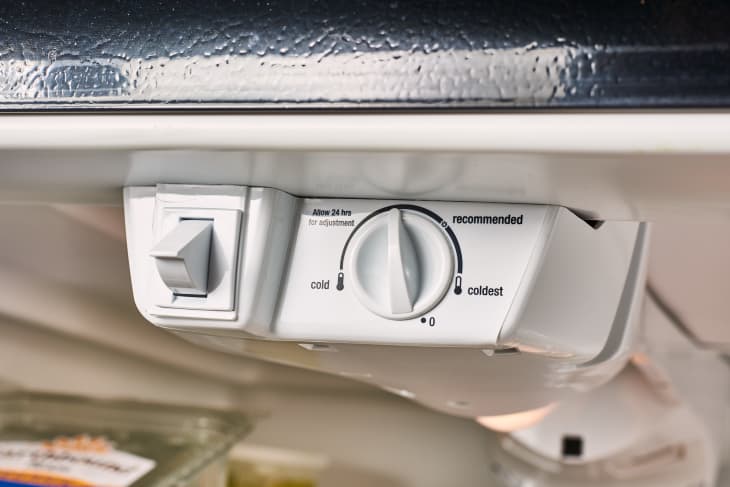
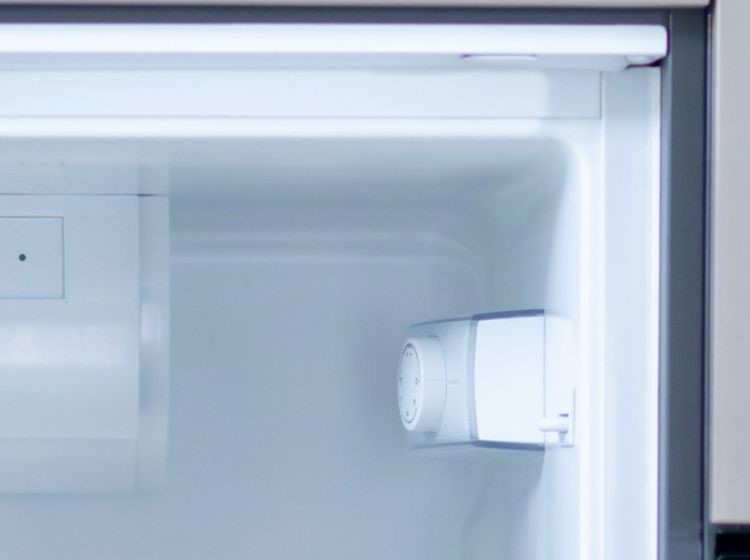
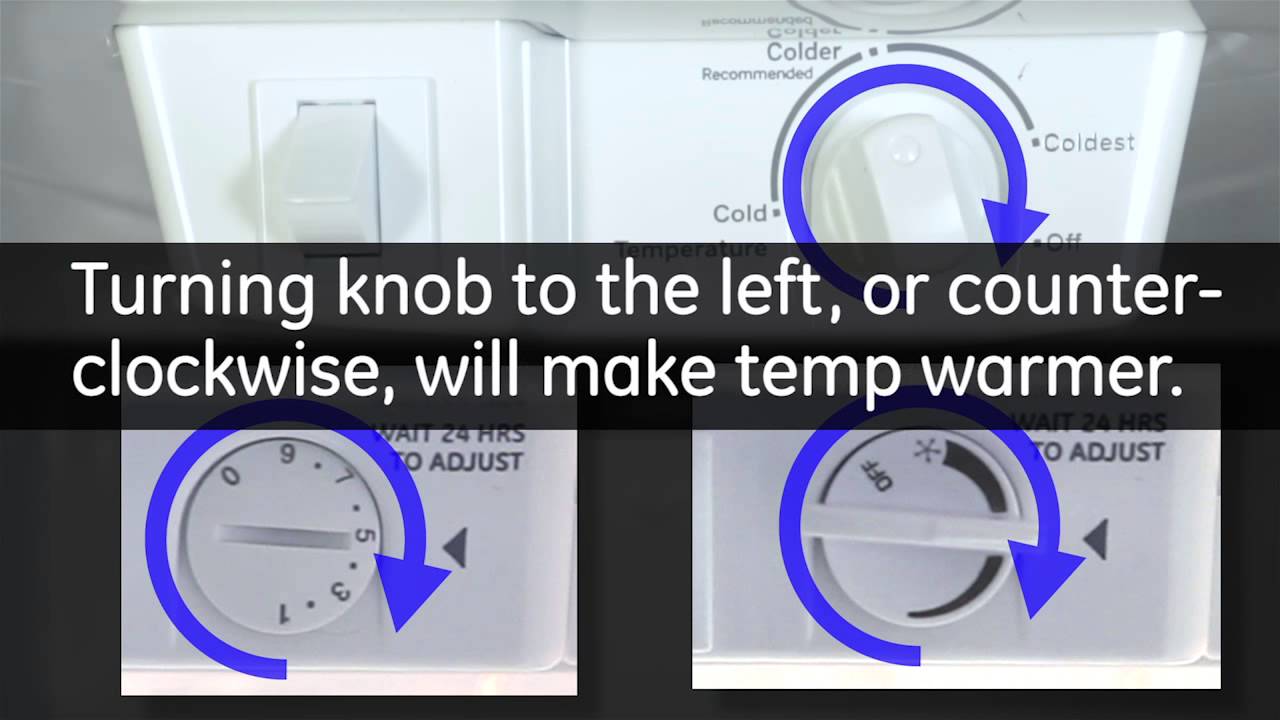
If your fridge uses a numbered dial, the numbers usually do not show the temperature. They often show cooling power. In many models, a higher number means more cooling, but this is not universal.
Use this simple process:
- Place an appliance thermometer in the middle of the refrigerator.
- Leave it there for at least 24 hours.
- Check the reading before changing the control.
- Adjust the dial one step at a time.
- Wait another 24 hours before checking again.
A thermometer is much like a speedometer. The dial tells the fridge what to try, while the thermometer tells you what is truly happening.
Why 37°F is the best fridge temperature
A refrigerator at 37°F slows the growth of many harmful bacteria. It also keeps common foods cold enough to maintain quality and freshness.
Food safety depends on time and temperature. Perishable food becomes risky when it stays above 40°F for too long. This includes meat, poultry, seafood, eggs, dairy products, cooked rice, and leftovers.
A colder fridge is not always better. If the temperature drops near 32°F, water-rich foods may freeze. Lettuce can wilt, milk can develop ice crystals, and soft fruit can lose its texture.
The ideal range gives you a useful balance:
• 35°F to 38°F: Excellent for most household refrigerators
• 37°F: A practical target for daily use
• 40°F or below: The food safety limit recommended for refrigerators
• Below 32°F: A risk for accidental freezing
In my experience helping people troubleshoot cold-storage problems, the most common mistake is setting the fridge as cold as possible. That may cool drinks quickly, but it can damage food and increase energy use.
What setting should my fridge be on if it has numbers?
If your fridge has a dial marked from 1 to 5 or 1 to 7, start near the middle. Then use a refrigerator thermometer to find the correct setting.
For many models:
• 1 means the least cooling
• The middle number gives moderate cooling
• The highest number gives the most cooling
This pattern is common, but it is not a rule. Some manufacturers use the opposite scale. Always check the owner’s manual if you have it.
After placing the thermometer inside, wait 24 hours. If it reads above 40°F, move the control slightly colder. If it reads below 35°F, move it slightly warmer.
Do not make several changes at once. A fridge needs time to move cold air through the cabinet. Large, rapid changes can make it hard to know which adjustment worked.
Digital temperature controls
Digital controls are easier to set because they usually display the target temperature. Set the refrigerator to 37°F and the freezer to 0°F.
The display may show the target temperature rather than the actual air temperature. For this reason, an independent thermometer can still help you check performance.
Temperature settings after a power outage
Keep the refrigerator door closed during a power outage. An unopened fridge can often keep food cold for about four hours.
When power returns, check the temperature if possible. Discard perishable food that has been above 40°F for two hours or more. If the room is above 90°F, the safer limit is one hour.
How to check your refrigerator temperature correctly
The location of your thermometer matters. Air near the cooling vent can be colder than the rest of the fridge, while the door shelves are often warmer.
Place the thermometer on a center shelf. Keep it away from the back wall and away from the door. A cup of water beside the thermometer can help measure the temperature of food rather than quick changes in moving air.
Follow these steps:
- Put an appliance thermometer on the center shelf.
- Do not open the door more than needed.
- Wait 24 hours.
- Read the thermometer.
- Adjust the control if needed.
- Check again the next day.
If your fridge reads 37°F in the center but food near the door feels warmer, that is normal. Store milk, meat, and eggs toward the back or on stable shelves. Use the door for items that are less sensitive to temperature, such as condiments.
A fridge thermometer is inexpensive, but it can prevent a great deal of food waste. I have seen people replace a working refrigerator simply because the dial setting was misunderstood. A five-minute temperature check can prevent that mistake.

Best temperature for each part of the fridge
Not every part of your refrigerator has the same temperature. Cold air often falls, and some models have vents that create colder zones.
Upper shelves
Upper shelves usually have a steady temperature. Store ready-to-eat foods, drinks, yogurt, and leftovers here.
Keep leftovers in shallow containers. They cool faster than food stored in deep pots.
Lower shelves
The lower shelves are often colder. Store raw meat, poultry, and seafood here in sealed containers or leak-proof bags.
This placement also helps prevent raw juices from dripping onto food below. Keep raw foods separate from cooked foods.
Crisper drawers
Crisper drawers are designed to manage humidity. Use them for fruits and vegetables, but separate fruit from vegetables when possible.
Some fruits release ethylene gas, which can make nearby vegetables spoil faster. Keeping produce in separate drawers can help it last longer.
Refrigerator door
The door is usually the warmest area because it is exposed to room air whenever you open the fridge. Use it for sauces, pickles, butter, and other items that do not spoil quickly.
Avoid storing milk, fresh meat, or eggs in the door. Even if the door has an egg-shaped holder, the temperature may change too much for the most sensitive foods.
What setting should my fridge be on in summer?
Keep the fridge target at 37°F in summer, but check the actual temperature more often. Hot weather can make the compressor work harder, especially if the appliance sits near an oven, sunny window, or warm garage.
Do not turn the control to the coldest setting just because the room feels hot. First, use a thermometer. If the inside remains above 40°F, then lower the setting by one step and check again after 24 hours.
These steps can help in warm weather:
• Leave space around the refrigerator for air to move.
• Clean dust from the condenser coils if the manual allows it.
• Check that the door gasket seals tightly.
• Keep the door closed as much as possible.
• Avoid placing hot food directly inside.
• Do not pack the fridge so tightly that cold air cannot circulate.
A full fridge often holds cold better than an empty one, but overfilling blocks air flow. Aim for a balance. You should be able to see and reach the vents.
What setting should my fridge be on if food freezes?
If food freezes in the refrigerator, the temperature may be too low, or the food may be sitting near a cold air vent. Set the appliance to 37°F and move sensitive foods away from the back wall.
Leafy greens, berries, milk, and eggs may freeze before other foods. Place them in the center of the fridge instead of against the rear panel.
Check these possible causes:
• The control is set too cold.
• The food is touching the back wall.
• A vent is blowing directly on the food.
• The door gasket is damaged.
• The temperature sensor is covered.
• The refrigerator is nearly empty.
• The appliance has a mechanical fault.
If the thermometer reads below 35°F after you adjust the control, give the fridge another 24 hours. If it still freezes food, the thermostat, sensor, damper, or control board may need service.
Do not cover every vent with containers. The vents help distribute cold air, and blocking them can create warm and frozen spots at the same time.

What setting should my fridge be on if food is too warm?
If the fridge is warmer than 40°F, check the simple causes first. Make sure the door closes fully, the gasket is clean, and the appliance is not packed too tightly.
The temperature can rise after a large grocery trip. It may also rise if you place several hot containers inside. Let the fridge recover, then measure it again.
Try these steps:
- Confirm the thermometer is on the center shelf.
- Check that the door seals on all sides.
- Move food away from the cooling vents.
- Make sure the fridge has room for air flow.
- Set the control one step colder.
- Wait 24 hours and measure again.
If the temperature stays high, listen for the compressor. Also check whether the freezer is cold enough. A weak freezer, heavy frost, dirty coils, or a failed fan can affect the refrigerator section.
A persistent temperature above 40°F is a food safety concern. Do not rely on smell or appearance alone. Harmful bacteria can grow without changing a food’s smell, taste, or look.
How the fridge setting affects food safety and energy use
A correct setting protects food while avoiding unnecessary energy use. Every degree colder requires more work from the cooling system, though the exact energy impact varies by model and room temperature.
Setting a refrigerator near 37°F is usually more practical than using the coldest setting. It keeps food within a safe range without creating needless freezing problems.
Use safe storage habits along with the right temperature:
• Refrigerate perishable food within two hours.
• Refrigerate food within one hour when the air is above 90°F.
• Divide large amounts of food into shallow containers.
• Keep raw meat below ready-to-eat food.
• Use leftovers within three to four days.
• Do not depend on smell to judge safety.
• Clean spills quickly.
The temperature setting cannot fix unsafe handling. A fridge can slow bacterial growth, but it cannot make old or contaminated food safe again.
Common fridge-setting mistakes to avoid
Many temperature problems come from small habits rather than a broken appliance. Correcting these habits may improve cooling without a service call.
Trusting the dial number
A setting of “4” does not mean 40°F. It only tells the appliance how strongly to cool. Always verify the result with a thermometer.
Checking too soon
A refrigerator does not change temperature instantly. Wait at least 24 hours after adjusting the control.
Storing milk in the door
The door warms each time it opens. Keep milk and other highly perishable food on an inside shelf.
Blocking air vents
Cold air must circulate. Move containers that cover vents or press against the rear wall.
Putting hot food inside
Large, hot containers can raise the temperature inside the fridge. Divide food into shallow containers and refrigerate it promptly.
Ignoring frost
Heavy frost in the freezer can block air flow. Follow the manufacturer’s instructions for defrosting and avoid chipping ice with sharp tools.
Opening the door too often
Each opening lets warm, moist air in. Decide what you need before opening the door, especially during a power outage.
When to call for refrigerator service
A fridge may need professional help when temperature adjustments do not solve the problem. Use a thermometer to record the issue before calling. This information can help a technician diagnose the appliance faster.
Call for service if:
• The refrigerator stays above 40°F.
• Food freezes even when the setting is near 37°F.
• The compressor runs constantly.
• The appliance makes new grinding or clicking sounds.
• Frost covers the freezer’s rear panel.
• The door gasket does not seal.
• Water collects inside the cabinet.
• The temperature changes sharply from hour to hour.
Do not remove electrical panels or handle refrigerant yourself. Refrigeration systems use electrical parts and sealed cooling components that require proper training.
If repairs cost close to the value of an old appliance, replacement may make more sense. Energy use, repair history, warranty coverage, and the condition of the door seal can all affect that decision.
Frequently Asked Questions About What Setting Should My Fridge Be On
What setting should my fridge be on in Fahrenheit?
Set your refrigerator to 37°F for a reliable everyday target. Keep it at or below 40°F to reduce the risk of unsafe bacterial growth.
What setting should my fridge be on in Celsius?
Set your fridge to about 3°C. The safe upper limit is 4°C, which equals 40°F.
Is 1 or 7 colder on a fridge?
It depends on the brand and model. Many fridges use 1 for least cooling and 7 for most cooling, but check the manual or test the temperature with an appliance thermometer.
Should milk be stored in the refrigerator door?
No, the door is usually warmer and changes temperature more often. Store milk on an inside shelf, preferably toward the back.
Why is my fridge cold but my food freezes?
The control may be set too low, or food may be touching the back wall or a cooling vent. Set the fridge near 37°F and move sensitive foods toward the center shelf.
How long should I wait after changing the fridge setting?
Wait about 24 hours before judging the result. This gives the appliance enough time to stabilize throughout the cabinet.
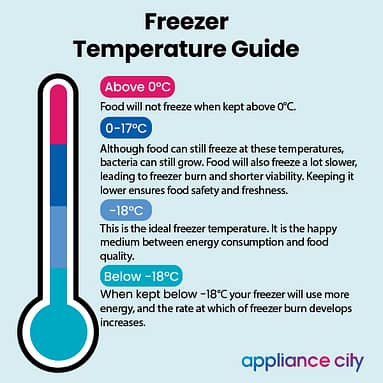
What temperature should my freezer be?
Set the freezer to 0°F, or about −18°C. This temperature keeps frozen food solid and supports long-term food quality.
Conclusion
Set your refrigerator to 37°F and your freezer to 0°F, then verify both with appliance thermometers. Keep perishable food at or below 40°F, store sensitive items on inside shelves, and allow 24 hours after each adjustment.
The best answer to what setting should my fridge be on is based on the actual temperature, not only the dial number. Check your fridge today, make one small adjustment if needed, and share your results or questions in the comments.

Appliance Review Expert
Lucas Ramirez is a trusted voice at HomeFixGrid.com, known for his clear, practical, and creatively written guides that simplify appliance care for everyday homeowners. With a strong focus on hands-on testing and real-world problem-solving, Lucas brings expert insight into appliance reviews and troubleshooting techniques. Her work empowers readers to confidently maintain, repair, and choose the right appliances for their homes.