
What Temp Should My Freezer Be Set To: Ideal Setting
Set your freezer to 0°F (-18°C) to keep food safely frozen and preserve its quality.
Knowing what temp should my freezer be set to helps protect your food, control energy use, and avoid costly spoilage. The safest target is 0°F (-18°C), but real freezer performance can change with heavy loads, warm room temperatures, poor door seals, or frequent opening. This guide explains how to check the temperature, fix common problems, and store food with confidence.
What Temperature Should My Freezer Be Set To?
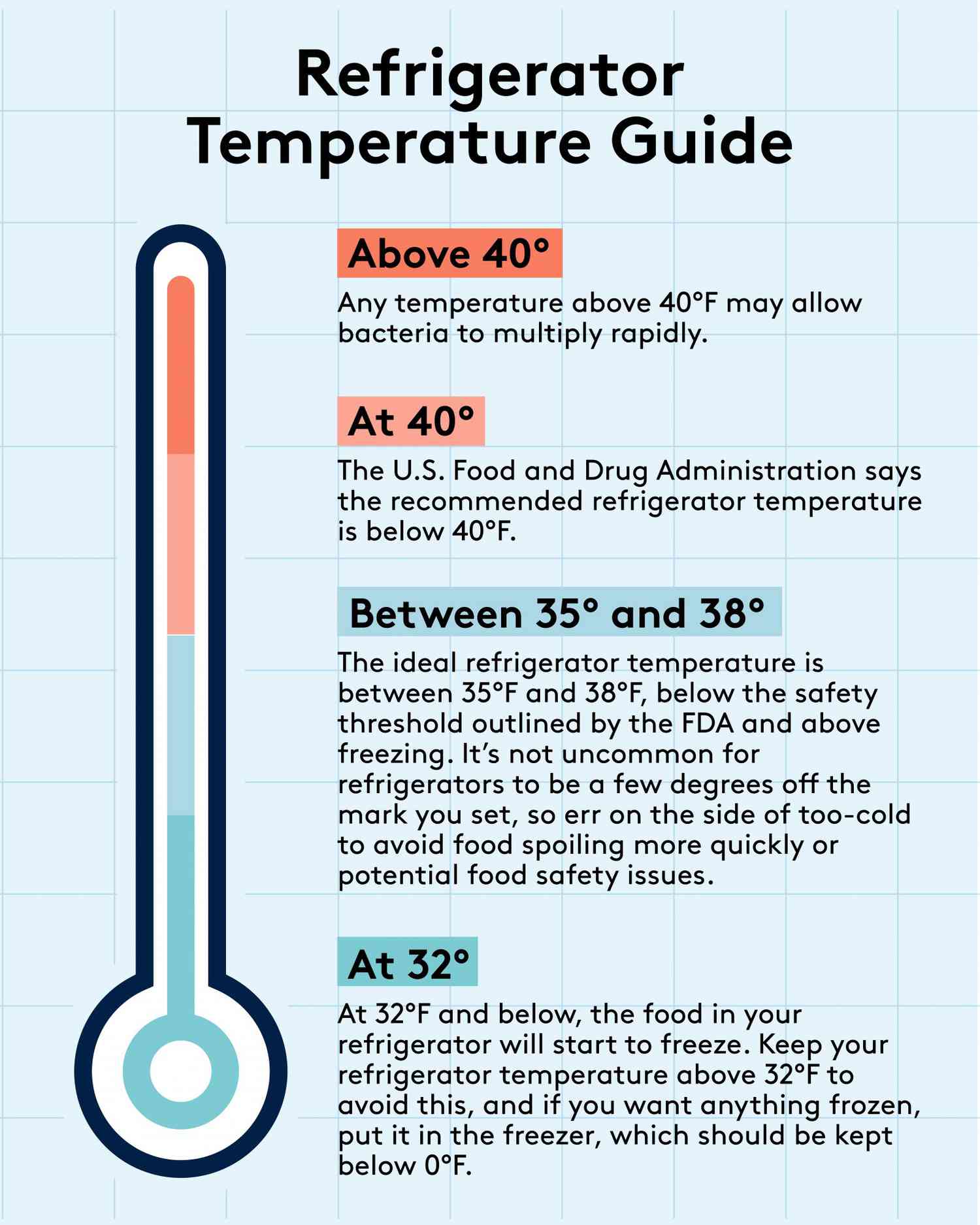
Your freezer should be set to 0°F (-18°C) or colder. This is the standard temperature recommended for long-term frozen food storage in a home freezer.
At 0°F, food stays frozen solid, and harmful bacteria cannot grow. Freezing does not kill every bacterium, though. It mainly stops bacteria from multiplying, so safe handling before freezing still matters.
A freezer set much colder than 0°F may protect food well, but it can use more electricity. A setting between 0°F and 5°F is usually practical for most homes, but 0°F remains the best target.
Why 0°F is the standard
At 0°F, water in food remains frozen. This slows chemical changes that affect taste, color, and texture. It also helps food stay safe during long storage.
A freezer temperature above 0°F does not always mean food is unsafe right away. However, warmer temperatures can cause softening, ice crystals, freezer burn, and shorter storage life.
The difference between safety and quality
Food may remain frozen at 10°F, but it will not keep its best quality as long as it would at 0°F. Think of 0°F as a steady brake on food aging.
The colder and more stable the freezer, the better it protects meat, vegetables, baked goods, and prepared meals. Temperature swings are often more harmful than a brief change of one or two degrees.
:max_bytes(150000):strip_icc()/RealSimple_refrigerator-temperature_01_preview-8d2cf36eb6064a3c99ed9e920010ba3c.jpg)
Why Freezer Temperature Matters
Correct freezer temperature protects both food safety and food quality. It also helps you spot problems before a full freezer failure ruins your groceries.
A freezer that is too warm may cause food to partly thaw and refreeze. This creates large ice crystals, which can damage the food’s cells. Frozen berries may become mushy, meat may lose moisture, and ice cream may become grainy.
A freezer that is too cold usually does not create a food safety issue. Still, it may increase energy use and make food harder to remove. Extreme cold can also point to a faulty thermostat or control board.
Food safety
Freezing slows the growth of bacteria, yeasts, and molds. It does not make spoiled food safe. Food should be frozen while it is still fresh and should be cooked safely after thawing.
The safest method is to thaw food in the refrigerator, in cold water, or in the microwave when cooking will follow right away. Do not thaw meat or seafood on the kitchen counter.
Food quality
Stable cold temperatures help prevent:
• Freezer burn
• Dried edges on meat
• Loss of flavor
• Ice buildup inside packages
• Changes in color and texture
Freezer burn is not usually dangerous, but it can make food dry and unpleasant. It often happens when air reaches food inside loose or damaged packaging.

How to Check Your Freezer Temperature
The built-in freezer display may not show the true temperature of the food compartment. Some displays show the selected setting, not the actual air temperature.
Use a separate appliance thermometer made for freezer use. Place it near the center of the freezer, where temperature changes are easier to measure.
Follow these steps:
-
Put the thermometer inside a glass or small container of cooking oil. Oil reduces quick temperature swings and gives a steadier reading.
-
Place the container near the center of the freezer. Keep it away from the door, walls, vents, and ice maker.
-
Leave it in place for at least 12 to 24 hours.
-
Check the reading without leaving the door open for long.
-
Adjust the freezer control in small steps if needed.
Many people check the freezer right after changing the setting. That can give a false reading. A freezer often needs several hours to reach a new stable temperature, especially when it is full.
Where to place the thermometer
The door shelf is usually the warmest area. The back wall near an air vent may be the coldest. The center shelf gives a more useful picture of average storage conditions.
If you have food in several areas, check more than one spot. A large difference between the front and back may suggest poor airflow or a blocked vent.
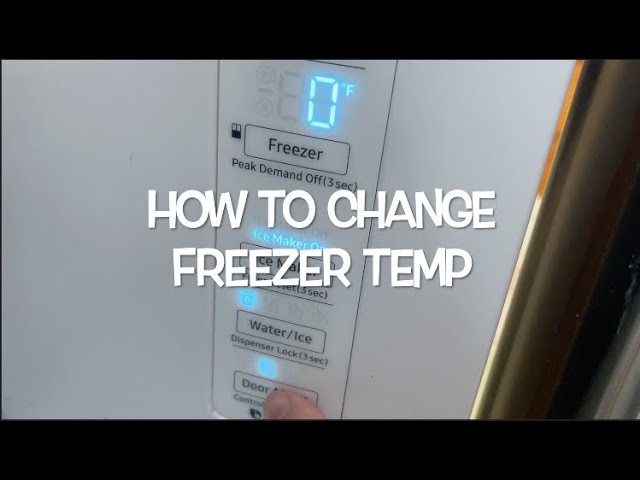
How to Set the Freezer to 0°F
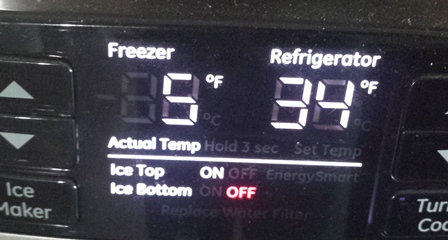
If your freezer has a digital control, set it directly to 0°F. If it uses numbers instead of temperatures, check the user manual because higher numbers do not always mean colder operation.
Turn the control one step at a time. Wait at least 12 hours before checking the result. Large changes can make it harder to know which setting works best.
For a dial freezer, place a thermometer inside and adjust the dial until the actual temperature reaches 0°F. The number on the dial is less important than the thermometer reading.
Give the freezer time to recover
A freezer may warm up after:
• Loading a large amount of fresh food
• Leaving the door open
• A power outage
• Cleaning and defrosting
• Placing the appliance in a hot garage
After a warm event, keep the door closed as much as possible. A full freezer usually stays cold longer than an empty one because frozen food holds the cold like ice packs.
What Makes a Freezer Too Warm?
If your freezer will not reach 0°F, the problem may involve airflow, the door seal, the room temperature, or a mechanical fault.
Start with simple checks before calling for service. In many cases, a small change in placement or loading solves the issue.
Common causes of a warm freezer
• The door is not fully closed.
• A package blocks the door or air vent.
• The door gasket is cracked, loose, or dirty.
• The freezer is packed so tightly that air cannot circulate.
• The freezer is nearly empty and loses cold quickly.
• The condenser coils are dirty.
• The appliance sits in a very hot or cold location.
• The thermostat or fan is failing.
• Frost covers the evaporator coil.
Clean the door gasket with warm water and mild soap. Close the door on a sheet of paper. If the paper slides out easily, the seal may be weak.
Also check whether food touches the inside back wall. Packages can block vents and stop cold air from moving through the compartment.
Freezer location matters
Most household freezers work best in a room within the temperature range listed in the owner’s manual. A freezer in a hot garage may run longer and still struggle to reach 0°F during summer.
Very cold garages can also cause trouble for some refrigerator-freezer models. The refrigerator compartment may become too cold while the freezer control behaves incorrectly.
How Full Should a Freezer Be?
A freezer should be full enough to hold cold but not so full that air cannot move. Aim for a balanced load with small spaces between packages.
Frozen food acts like a thermal battery. It helps the freezer stay cold during door openings and short power interruptions. However, blocked vents can create warm zones.
For an empty or lightly filled freezer, add sealed containers of water. Do not fill glass containers completely because water expands when it freezes.
Leave room around vents, fans, and the ice maker. Follow the appliance manual if it gives a specific loading pattern.
Organize food for stable temperatures
Keep frequently used items near the front. Store long-term foods toward the back, where temperatures tend to remain more stable.
Use flat packages when possible. They freeze faster and stack better than deep containers. Label each package with the food name and freezing date.
This simple system prevents forgotten food and reduces the time the door stays open.
:max_bytes(150000):strip_icc()/RealSimple_refrigerator-temperature_02_preview-068858f23c444a138404d79b904d8d7e.jpg)
Freezer Storage Tips for Better Results
Setting the freezer to 0°F is only one part of good frozen food care. Packaging, timing, and safe handling also matter.
Use moisture-resistant freezer bags, heavy-duty foil, or airtight containers. Press extra air out of bags before sealing them. Air left in the package can increase freezer burn.
Cool hot food in the refrigerator before freezing it. Divide large amounts into shallow containers so they cool and freeze faster. Do not place a large pot of hot food directly into the freezer.
General quality guidelines
Food kept continuously at 0°F can remain safe for a very long time, but quality declines over time. These are common quality guidelines:
• Ground meat: about three to four months
• Steaks and roasts: about four to twelve months
• Cooked meat or poultry: about two to six months
• Fish: about two to eight months, depending on the type
• Fruits and vegetables: about eight to twelve months
• Soups and stews: about two to three months
These periods are mainly about quality, not an exact safety deadline. Packaging, food type, and temperature stability all affect the result.
When in doubt, inspect the food after thawing. Discard anything with a strange odor, unusual color, sticky texture, or signs of repeated thawing.
A practical lesson from freezer checks
One mistake I often see in home kitchens is trusting the freezer’s control panel without checking the actual temperature. A freezer can display 0°F while the center is warmer because of blocked airflow or a weak seal.
A separate thermometer is inexpensive and gives peace of mind. I recommend checking it after a power outage, after moving the appliance, and at least a few times each year.
What to Do During a Power Outage
Keep the freezer door closed during an outage. A full freezer can often keep food frozen for about 48 hours, while a half-full freezer may hold its temperature for about 24 hours.
The exact time depends on the room temperature, insulation, food load, and how often the door opens. Do not rely only on how food looks.
Food that still contains ice crystals can usually be refrozen, although quality may decrease. If perishable food has completely thawed and stayed above 40°F for two hours or more, it may not be safe.
When you are unsure, throw it out. The cost of replacing food is lower than the risk of foodborne illness.
Energy-Saving Freezer Practices
A freezer set to 0°F does not need to run constantly. Good maintenance can help it hold the right temperature with less effort.
Try these steps:
• Keep the freezer away from ovens, direct sunlight, and heat vents.
• Clean condenser coils as directed by the manufacturer.
• Replace a damaged door gasket.
• Keep the door closed as much as possible.
• Let food cool before freezing it.
• Keep the freezer reasonably full.
• Defrost a manual-defrost freezer when ice becomes about one-quarter inch thick.
Do not lower the setting far below 0°F just to make food safer. A colder setting does not replace clean handling, sound packaging, or safe thawing.
Signs Your Freezer Needs Repair
A freezer may need professional service if it runs constantly, makes unusual sounds, or cannot reach 0°F after a full day.
Other warning signs include:
• Heavy frost returns soon after defrosting.
• The cabinet feels warm on the outside for long periods.
• Food repeatedly softens and refreezes.
• The temperature changes widely without a clear reason.
• The door seal remains loose after cleaning.
• The appliance trips a circuit breaker.
Unplug the appliance before cleaning coils or inspecting accessible parts. Do not remove sealed panels or handle refrigerant unless you are trained and authorized to do so.
Frequently Asked Questions About What Temp Should My Freezer Be Set To
What temp should my freezer be set to for normal home use?
Set your freezer to 0°F (-18°C). This temperature keeps food safely frozen and supports good long-term quality.
Is 10°F cold enough for a freezer?
Food may stay frozen at 10°F, but 10°F is warmer than the recommended target. Set the freezer to 0°F for better quality and more reliable storage.
Should a freezer be set colder than 0°F?
Usually, no. Temperatures below 0°F are not needed for normal home storage and may use more energy, unless the appliance manual or a specific food requirement says otherwise.
How long does a freezer take to reach 0°F?
An empty freezer may reach 0°F in several hours, but a loaded freezer can take 12 to 24 hours. Check with an appliance thermometer rather than relying only on the control setting.
What is the best temperature for an upright freezer?
The best temperature for an upright freezer is 0°F (-18°C). Keep air vents clear because upright models depend on good airflow between shelves.
Is food safe if the freezer reaches 15°F?
Food that remains frozen solid is generally not immediately unsafe, but 15°F is warmer than recommended. Check for thawing, ice crystals, and temperature changes, then reset the freezer to 0°F as soon as possible.
Where should I put a freezer thermometer?
Place it near the center of the freezer, away from the door, walls, and vents. Leave it there for 12 to 24 hours to get a reliable reading.
Conclusion
The best answer to what temp should my freezer be set to is 0°F (-18°C). Use a separate freezer thermometer, keep air vents clear, check the door seal, and avoid frequent or lengthy door openings.
A stable temperature protects food quality and helps reduce waste. Check your freezer today, adjust it if needed, and label older food so you use it first. For more practical food storage tips, explore trusted food safety resources or share your freezer questions in the comments.

Appliance Review Expert
Lucas Ramirez is a trusted voice at HomeFixGrid.com, known for his clear, practical, and creatively written guides that simplify appliance care for everyday homeowners. With a strong focus on hands-on testing and real-world problem-solving, Lucas brings expert insight into appliance reviews and troubleshooting techniques. Her work empowers readers to confidently maintain, repair, and choose the right appliances for their homes.