Where To Find Wattage On Microwave: Quick Guide
Most microwaves list wattage on a label inside the door or on the back.
I’ve worked with dozens of kitchen appliances and taught appliance basics to homeowners and renters. This guide explains where to find wattage on microwave models, why wattage matters, and how to adjust cooking when wattage is unknown. Read on for clear steps, quick checks, and practical tips you can use today.
How microwave wattage is labeled and why it matters
Wattage tells you how much power a microwave uses to cook food. Knowing where to find wattage on microwave helps you set correct cook times and avoid undercooked or burned meals. Higher wattage means faster, more even cooking. Lower wattage means you may need longer times.
If you follow recipes or package instructions, they often assume a wattage. That is why finding the microwave wattage matters. I’ve seen users cut or double times by mistake because they didn’t know their microwave’s wattage. This simple fact changes outcomes fast.
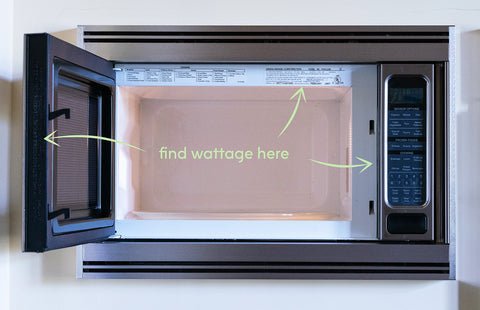
Common places to look: Where to find wattage on microwave step by step
Look in these places first when trying to find where to find wattage on microwave.
- Inside the door frame
- Open the door and check the top, side, or bottom of the frame for a sticker or plate. The wattage is often in watts or W.
- On the back panel
- Turn the microwave off and unplug it. Look for a metal plate on the back with specs. You will usually see watts listed there.
- On the control panel or brochure
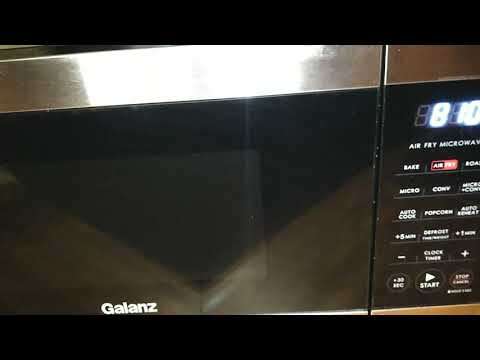
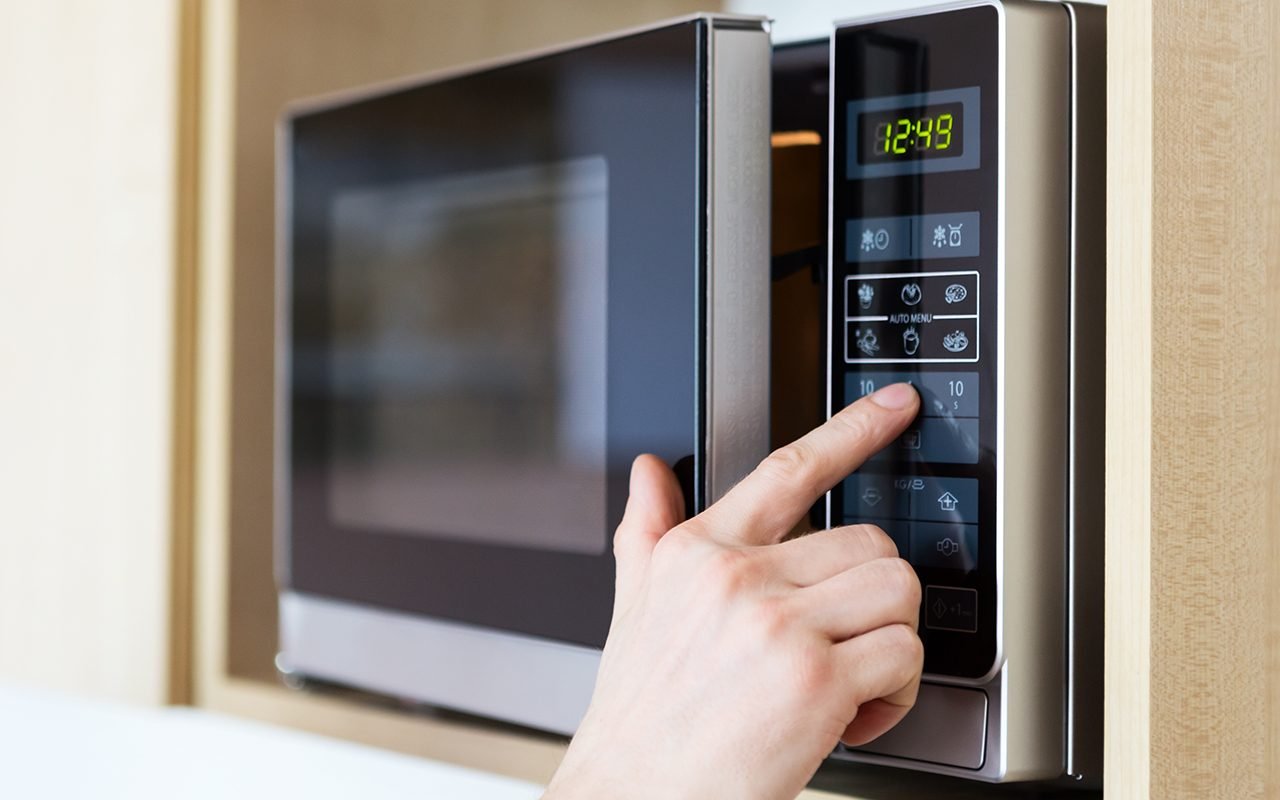
- Some models print wattage near the buttons or on a quick-start sticker. Also check the user manual or quick guide.
- On the bottom or side
- If you can’t see the back label, check the bottom or side panels for a sticker with power info.
- Manufacturer label or online model page
- If the label is missing, use the model number to search the maker’s website for specs.
I once helped a neighbor who had no manual. We found the wattage inside the door frame in less than a minute. That saved trial-and-error cooking.

How to estimate wattage if you can't find it
If you can’t find where to find wattage on microwave, use a simple test. Use one cup (240 ml) of water and time how long it takes to go from room temp to near boiling.
- Steps to test
- Put 1 cup of room-temp water in a microwave-safe cup.
- Heat on high and time until it starts steaming or near boiling.
- Compare time to these rough guides:
- About 1.5 to 2 minutes = roughly 1000 watts
- About 2.5 to 3.5 minutes = roughly 700 watts
- About 3.5 to 5 minutes = roughly 500 watts
This method gives a practical wattage estimate you can use to adjust recipes. I use this test when I get a rental with no manual. It’s fast and reliable.

Common wattage ranges and what they mean for cooking
Here are typical microwave wattage bands and what to expect.
- 500 watts or less
- Slower heating. Best for reheating and light cooking. Increase time by 25–50%.
- 600–800 watts
- Mid-range. Common in older or compact models. Moderate cook speed.
- 900–1100 watts
- High power. Cooks quickly and evenly. Many recipes assume 1000 watts.
- Over 1100 watts
- Very fast. Reduce recipe times to avoid overcooking.
Knowing where to find wattage on microwave lets you pick the right power band. I prefer using 1000-watt equivalents for recipe math. It keeps results consistent.
Tips for adjusting cooking times based on wattage
When you know where to find wattage on microwave, use this simple math to adjust times.
- Basic formula
- New time = (Listed wattage ÷ Your microwave wattage) × Listed time
- Quick example
- If a recipe is for 1000 watts and your microwave is 800 watts:
- New time = (1000 ÷ 800) × Listed time = 1.25 × Listed time
- Practical tips
- Stir food halfway for even heat.
- Use lower power for defrosting or gentle cooking.
- Add short extra intervals rather than one long cook if unsure.
I once heated a frozen meal meant for 1000 watts in a 700-watt microwave. Using the formula saved the meal from being cold in the center.

Troubleshooting: when wattage doesn't match performance
Sometimes the wattage label and actual performance feel off. Here’s how to troubleshoot when you suspect a mismatch.
- Check power source
- Low voltage or a bad outlet can lower microwave output.
- Clean and maintain
- A dirty microwave, clogged vents, or worn components can reduce power.
- Run the water test
- If water takes longer than expected, your microwave is underperforming.
- Consider age and wear
- Older units often lose effective power over time.
If the unit underperforms after these checks, consider service or replacement. I recommend testing wattage yearly for high-use units.
Practical examples and common scenarios
Here are everyday situations where knowing where to find wattage on microwave helps.
- Reheating leftovers
- Use shorter times on high-wattage models to avoid drying food.
- Cooking frozen meals
- Adjust time based on your microwave wattage to ensure even heating.
- Defrosting meat
- Use lower power and longer time for safe thawing.
- Baking or steaming
- High-watt units give quicker results; reduce time accordingly.
When I teach quick kitchen skills, I always show students how to find microwave wattage. It cuts down wasted food and guesswork.
)
PAA-style quick questions
Q: How can I tell my microwave wattage without a label?
A: Do the one-cup water test and time to near boiling. Compare times to common wattage ranges to estimate.
Q: Does higher wattage always cook better?
A: Not always. Higher wattage cooks faster but can dry or overcook food. Use lower power for gentle tasks.
Q: Can I run a microwave without a plate or turntable?
A: Yes for short tests, but avoid cooking normally without the turntable, as heat may be uneven and unsafe.
Frequently Asked Questions of where to find wattage on microwave
How do I read the wattage on a microwave label?
Look for a number followed by W or watts on the spec plate. It may be on the door frame, back panel, bottom, or side sticker.
What if my microwave label is faded or missing?
Use the model number online or run the cup-of-water test to estimate wattage. Manuals online also list specs.
Is wattage the same as power levels on the control panel?
No. Power levels are percentage settings. The wattage is the microwave’s maximum output used to calculate those percentages.
Can I change my microwave wattage?
No. The wattage is fixed by the magnetron. You can only change power levels or cooking time.
How often should I check microwave wattage?
Check when you move to a new home, buy a used unit, or notice cooking times changing. A quick test every year is wise.
Conclusion
Finding where to find wattage on microwave is simple once you know where to look and how to test. Check inside the door, on the back, or use the water test to estimate. Knowing wattage saves time and improves cooking results. Try the quick water test today, adjust recipes with the simple formula, and share your experience or questions below. Want more tips? Subscribe or leave a comment and I’ll help you troubleshoot your model.

Appliance Review Expert
Lucas Ramirez is a trusted voice at HomeFixGrid.com, known for his clear, practical, and creatively written guides that simplify appliance care for everyday homeowners. With a strong focus on hands-on testing and real-world problem-solving, Lucas brings expert insight into appliance reviews and troubleshooting techniques. Her work empowers readers to confidently maintain, repair, and choose the right appliances for their homes.