Can A Countertop Microwave Be Put In A Cabinet: Safety Tips
Yes — but only with proper ventilation, wiring, and approval from the microwave’s manual and a licensed pro.
I’ve installed and tested kitchen appliances for years, and I’ll walk you through whether can a countertop microwave be put in a cabinet, when it’s safe, when it isn’t, and how to do it the right way. This guide covers clearances, ventilation fixes, warranty and code issues, practical tips from real installs, and smart alternatives so you can make a confident choice for your kitchen.
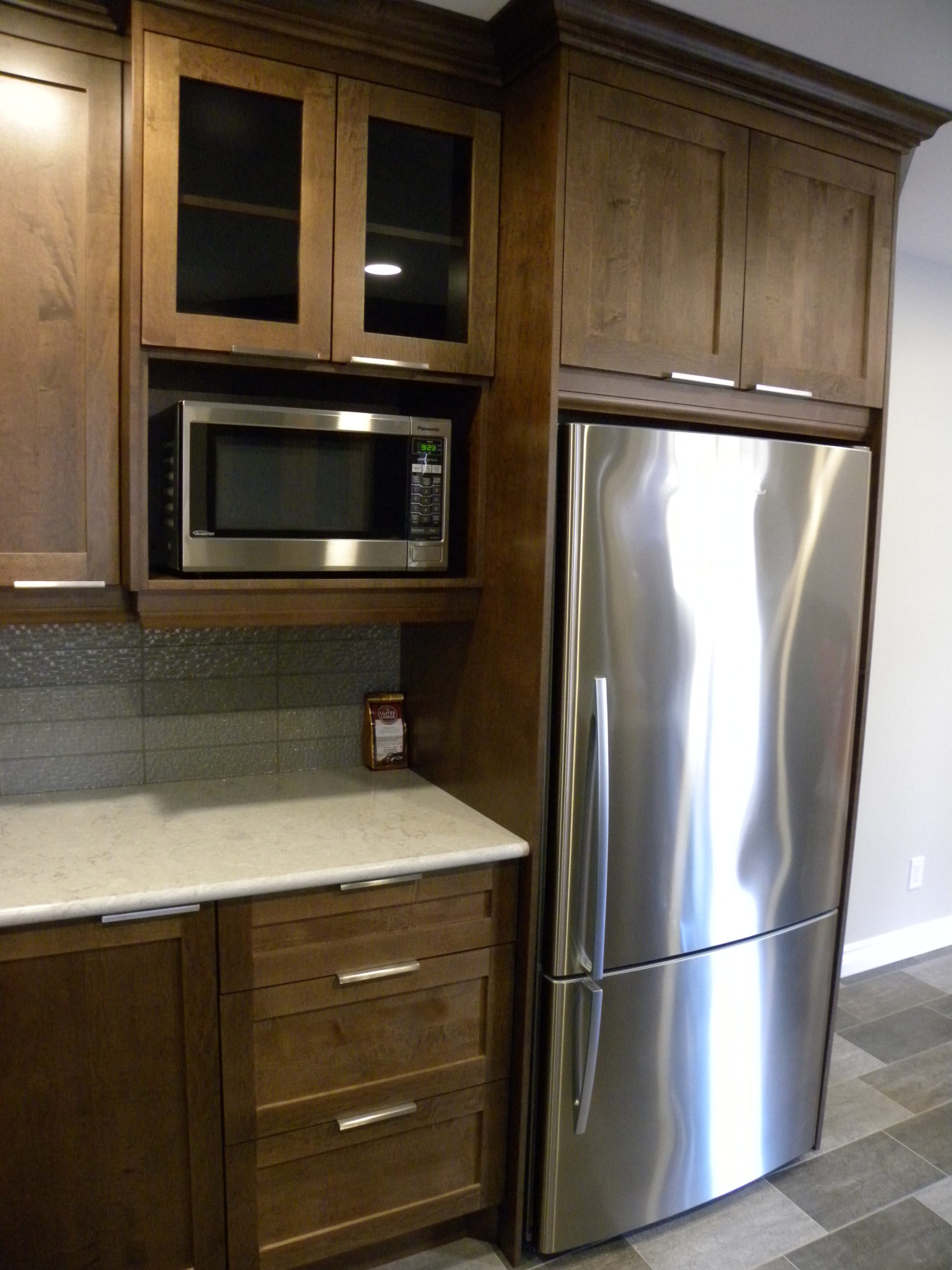
Is it safe to put a countertop microwave in a cabinet?
Most countertop microwaves are made for open-air use. Putting one in a closed cabinet can trap heat and block airflow. That raises the risk of reduced performance, shortened life span, and possible safety hazards.
Always check the microwave’s manual. If the manual forbids cabinet use, don’t place it there. If the manual allows it only with specific clearances or an approved kit, follow those rules exactly. When in doubt, choose a built-in model designed for cabinets.

Why manufacturers often advise against cabinet installations
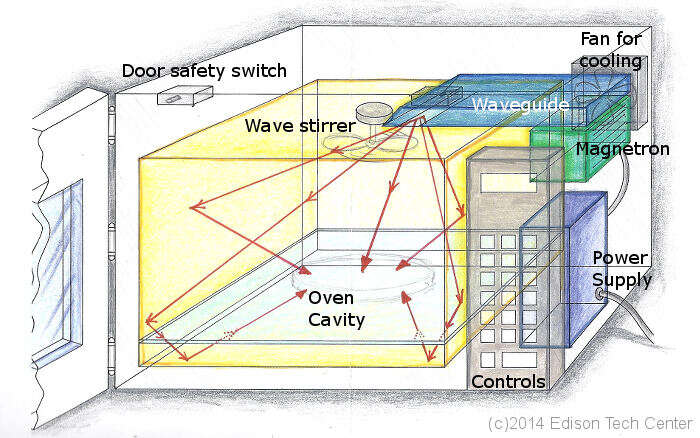
Manufacturers design countertop microwaves with vents that need free space. Blocking those vents causes heat build-up. Heat can damage internal parts and affect safety systems.
Warranty terms usually require following the installation instructions. If you ignore them and a problem happens, the company may not repair or replace the unit. Insurance and local building codes may also treat enclosed installations differently, which can create liability if something goes wrong.
How to safely put a countertop microwave in a cabinet — step-by-step
If you decide to place a countertop microwave in a cabinet despite the usual warnings, follow these steps to reduce risk. Note: hire a professional for electrical or structural changes.
- Read the manual and label
- Check clearances, vent locations, and warnings. If the manual says “not for enclosed spaces,” stop here.
- Measure carefully
- Ensure the cabinet is larger than the microwave plus the recommended clearance on all sides. Allow a little extra room for airflow.
- Provide ventilation
- Create dedicated ventilation paths. Use vent holes, a rear cutout, or an inline fan to move hot air out. Passive vents alone are often not enough for continuous use.
- Install a proper outlet
- Use a grounded outlet inside the cabinet or a dedicated circuit. Avoid extension cords and power strips. Have a licensed electrician install or confirm wiring.
- Reinforce the shelf
- Countertop microwaves can be heavy. Strengthen the shelf or install a metal plate to prevent sagging and to reduce heat transfer to wood.
- Use heat-resistant materials
- Line the cabinet with a heat-resistant backer or trim. Do not use flammable insulation or close-cell foam near vents.
- Monitor temperatures
- Test the microwave on low power, then full power. Check cabinet surfaces for excess heat. Install a small temperature sensor if you want extra peace of mind.
- Maintain clearances and filters
- Clean vents and filters regularly. Replace any worn seals and keep the vent paths free from grease and clutter.
Following these steps lowers risk but does not guarantee identical safety to a built-in microwave designed for cabinets. Always follow the model-specific instructions.
Practical examples and personal experience
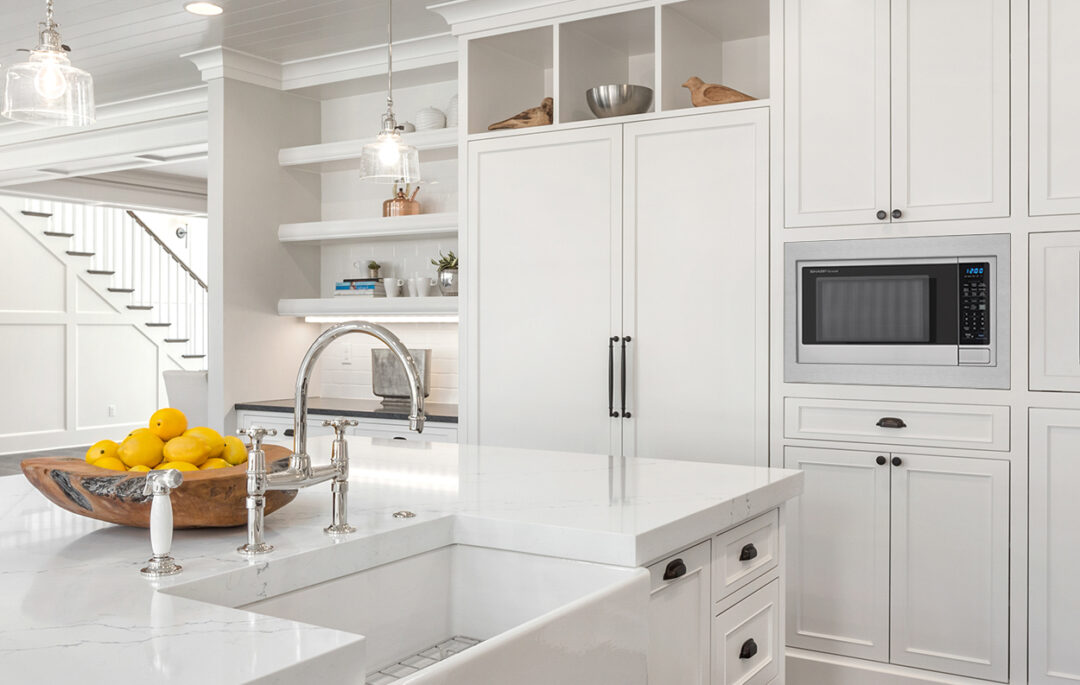
I once installed a compact countertop microwave into a custom cabinet for a client. The unit’s manual allowed installation only with a venting kit. We cut a rear vent, added a small exhaust fan, ran a dedicated outlet, and used a metal shelf plate. The unit worked well for years with regular maintenance.
Lessons I learned
- Do not rely on passive airflow alone. It rarely suffices.
- Avoid placing the unit in a tight upper cabinet without forced ventilation.
- Test run the microwave and check the cabinet temperature after 10 minutes on high. If it gets too hot to touch, add ventilation.
These small checks save money and reduce risk.
Alternatives to putting a countertop microwave in a cabinet
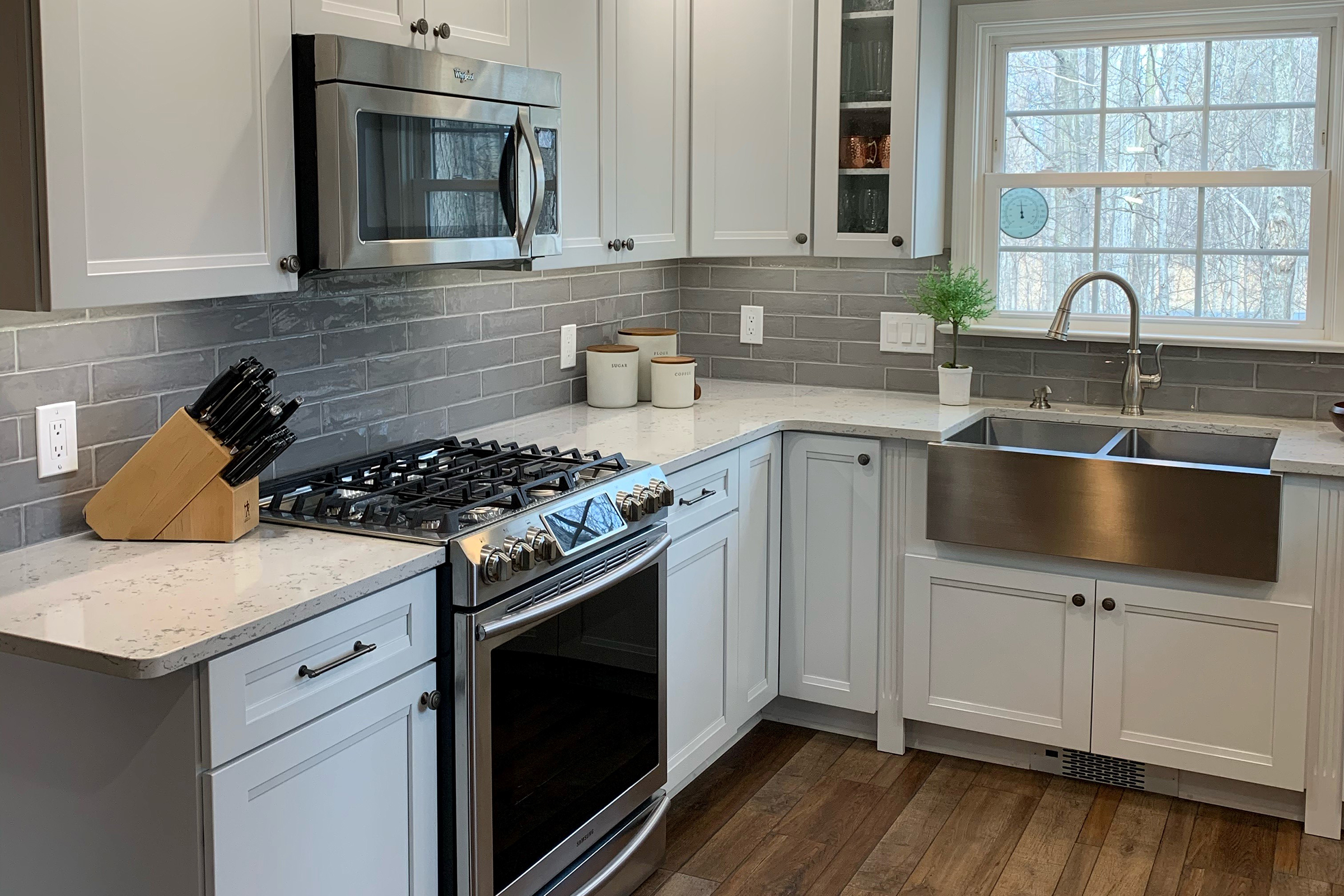
If you are unsure about cabinet installation, consider these safer options.
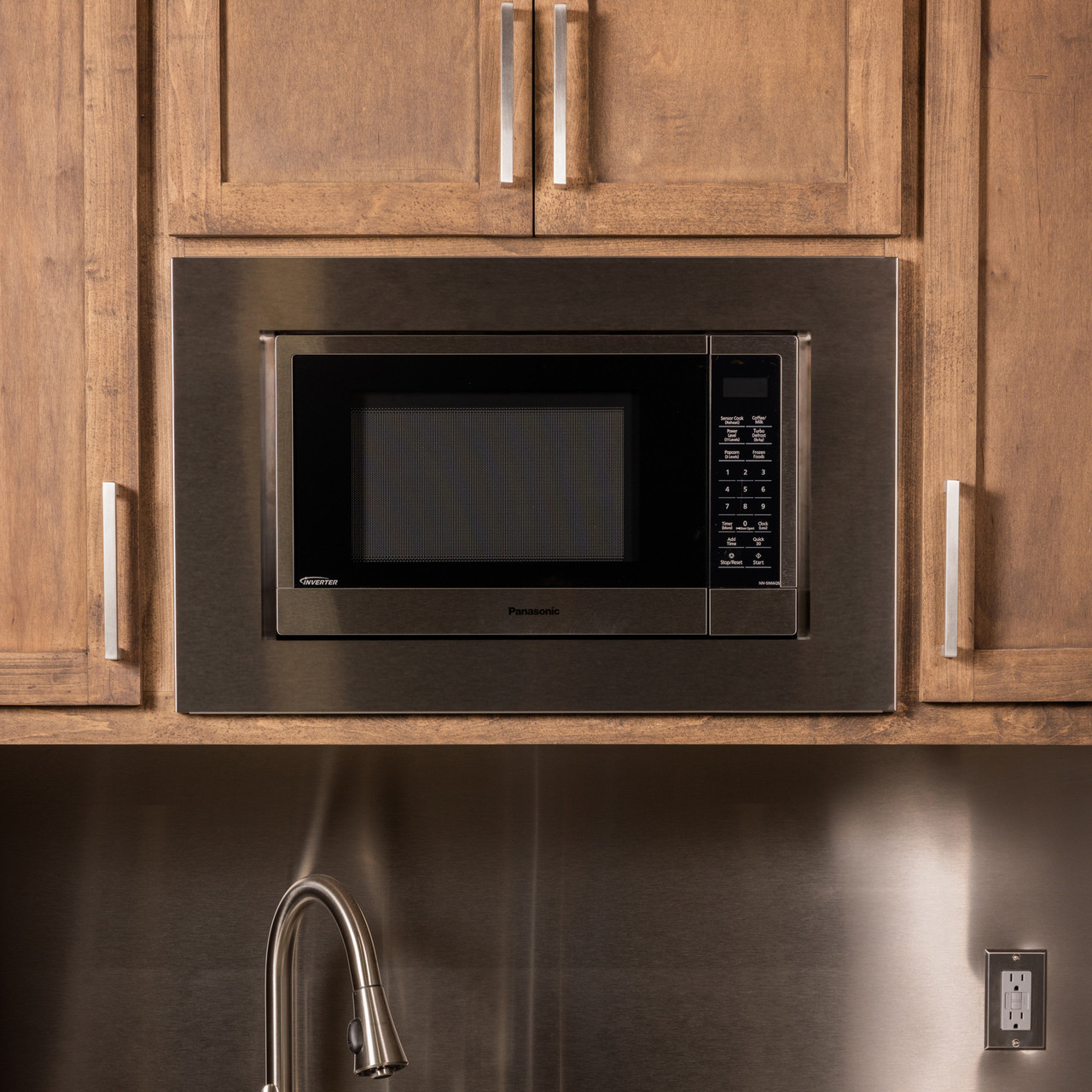
- Built-in microwave
- Designed for cabinets. Uses a trim kit and proper vents.
- Over-the-range microwave
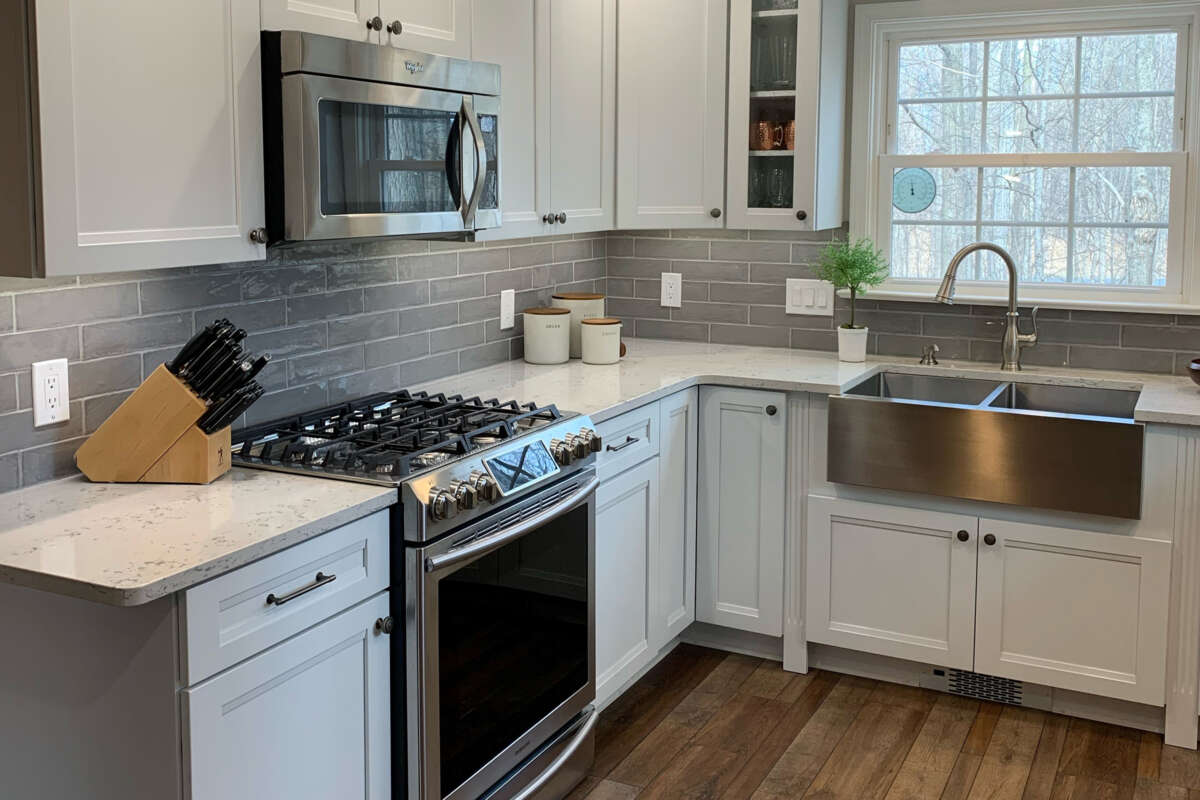
- Replaces a hood and vents outside. Frees up counter space.
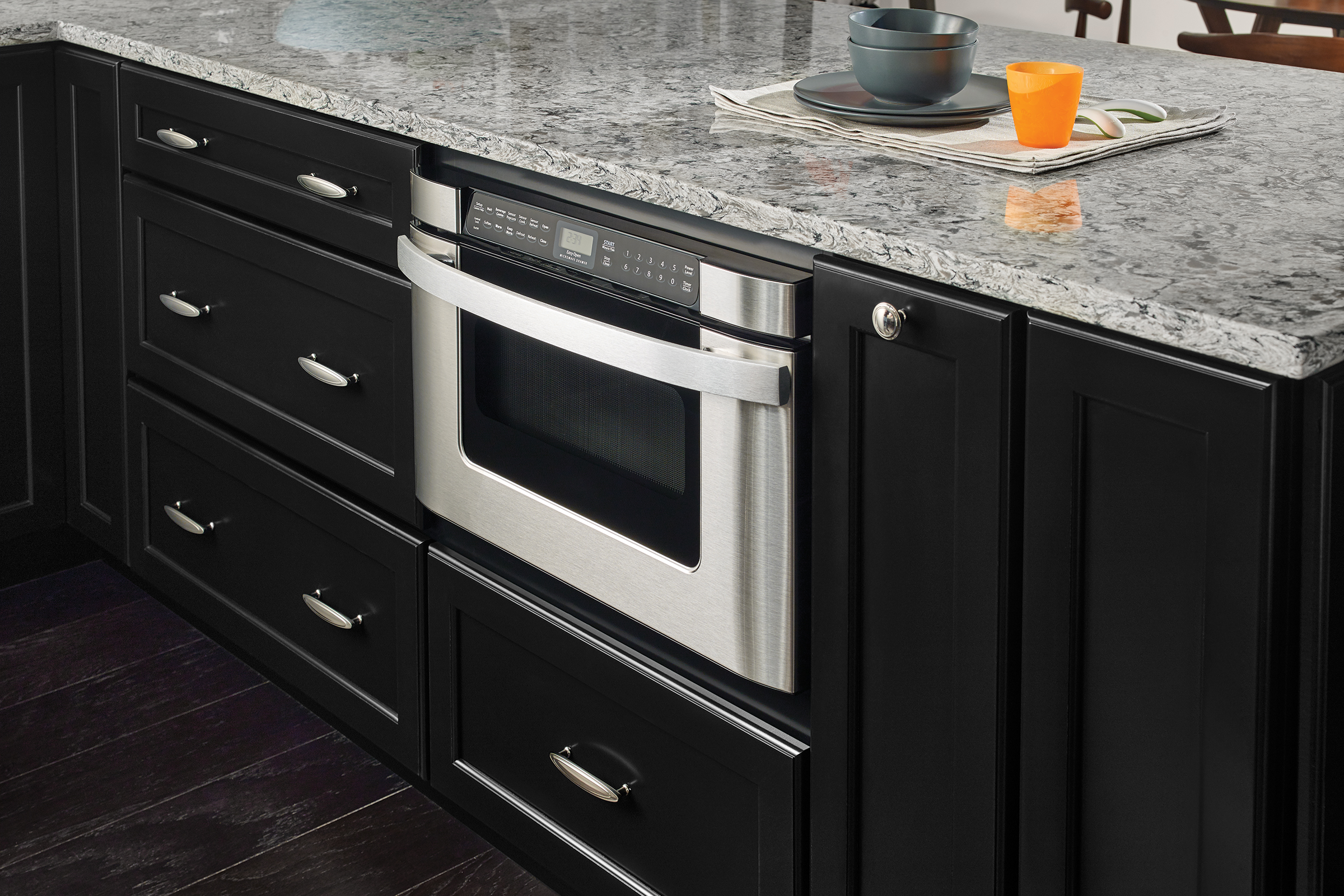
- Microwave drawer
- Fits under counters and is made for enclosed spaces.
- Freestanding placement with a decorative shelf
- Keeps the microwave visible and ventilated while blending with decor.
Each option has pros and cons for cost, ventilation, and kitchen layout. Choose the one that matches safety, budget, and style needs.
Common mistakes and how to avoid them
Avoid these frequent errors when deciding if can a countertop microwave be put in a cabinet.
- Ignoring the manual
- A quick read prevents voided warranties and safety issues.
- Using extension cords
- They can overheat and cause fire; use a dedicated outlet.
- Skimping on ventilation
- Passive grills are often inadequate for long use.
- Placing the microwave too high
- Hot food and heavy dishes are riskier to handle above shoulder height.
- Overlooking structural support
- Shelves must support weight and resist heat warping.
Fixing these mistakes is usually straightforward and inexpensive compared with replacing a burned-out microwave or repairing fire damage.

PAA-style common questions (brief)
Q: How much clearance does a countertop microwave need in a cabinet?
- Most models need several inches of clearance on top and around vents. Check your microwave’s manual for exact numbers.
Q: Will putting a microwave in a cabinet void the warranty?
- It can. Many warranties require following installation instructions. If the manual prohibits enclosed use, warranty coverage may be denied.
Q: Can I add vents to a cabinet to make it safe?
- Yes, adding proper vents and an exhaust fan can help, but the microwave must still meet the manufacturer’s requirements. Professional installation is recommended.
Frequently Asked Questions of can a countertop microwave be put in a cabinet
Can I put any countertop microwave in a cabinet?
No. Not all countertop microwaves are made for enclosed spaces. Check the owner’s manual and the manufacturer’s instructions before installing.
What clearances should I leave if I put a microwave in a cabinet?
Clearance needs vary by model. Most manuals list specific inches for top, sides, and rear; follow those exact numbers to avoid overheating and voiding warranties.
Will cabinet installation affect microwave performance?
Yes. Poor ventilation can cause the microwave to overheat, cycle off, or shorten its lifespan. Proper airflow keeps performance stable.
Do I need a special outlet inside the cabinet?
A standard grounded outlet may be used, but a dedicated circuit is often best. Have a licensed electrician install or inspect the wiring for safety.
Is it better to use a built-in microwave instead?
If you want a microwave in a cabinet, a built-in model is generally safer and simpler. Built-in designs include proper vents and trim kits for enclosed spaces.
Can I use an exhaust fan to vent a microwave installed in a cabinet?
Yes, an exhaust fan can help remove heat if the microwave manual allows such a modification. Ensure the fan vents outside or to a safe external area.
Will installing a microwave in a cabinet raise fire risk?
Enclosing a microwave without proper ventilation and clearances can raise the risk of overheating and fire. Follow manufacturer guidance and local codes to reduce risk.
Conclusion
Putting a countertop microwave in a cabinet is possible in some cases, but it requires careful planning, strict adherence to the microwave’s manual, and often professional help. Focus on ventilation, secure wiring, and proper support to protect safety, performance, and warranty. If you want a long-lasting and safe install, consider built-in or over-the-range options as alternatives.
Take action: check your microwave manual now, measure your cabinet, and consult a licensed electrician before you make any changes. If you found this guide helpful, leave a comment or subscribe for more practical kitchen renovation tips.

Appliance Review Expert
Lucas Ramirez is a trusted voice at HomeFixGrid.com, known for his clear, practical, and creatively written guides that simplify appliance care for everyday homeowners. With a strong focus on hands-on testing and real-world problem-solving, Lucas brings expert insight into appliance reviews and troubleshooting techniques. Her work empowers readers to confidently maintain, repair, and choose the right appliances for their homes.