Best Inexpensive Mattress For Lower Back Pain: Top Picks
The best inexpensive mattress for lower back pain is a medium-firm hybrid with steady lumbar support and gentle pressure relief.
If your lower back aches each morning, your mattress may be part of the problem. A bed that sags can pull your spine out of line, while one that feels like a hard floor can press on your hips and shoulders. I looked for affordable mattresses that balance support, comfort, cooling, motion control, and trial coverage. The options below include foam and hybrid designs for back, side, and combination sleepers.
Luxysea 12-Inch Medium-Firm Queen Mattress

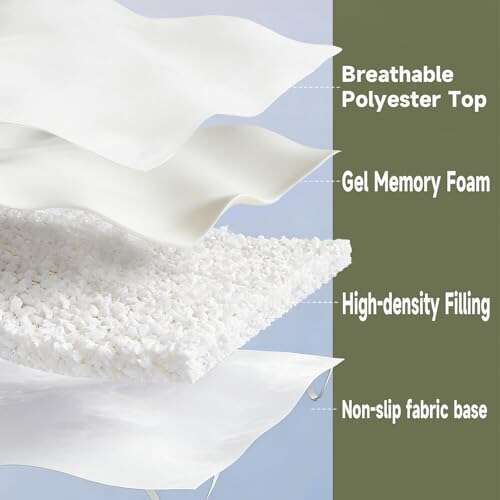
The Luxysea 12-inch mattress is a strong starting point for shoppers who want a medium-firm feel without paying a luxury-mattress price. Its gel memory foam layer can cushion the hips and shoulders while the firmer core helps keep the midsection from sinking too far. That balance matters because spinal alignment often suffers when the pelvis drops below the rest of the body. I also like the motion-isolation design for couples who wake when a partner turns.
This mattress includes cooling gel foam, which may help reduce the warm, trapped feeling common with all-foam beds. It also carries a CertiPUR-US certification claim, so buyers can look for tested foam standards when checking the listing. The 365-night trial gives you time to judge comfort beyond the first few nights. Its advertised 10-year support period adds useful peace of mind for a budget purchase.
Pros:
- Medium-firm feel suits many back and combination sleepers
- Gel foam helps cushion sore hips and shoulders
- Motion isolation can limit partner disturbance
- 12-inch height offers a supportive, substantial feel
- Long trial period allows careful testing at home
- CertiPUR-US foam certification claim adds buyer confidence
Cons:
- Memory foam may feel warm for very hot sleepers
- Some sleepers may prefer stronger bounce from coils
- Medium firmness may feel too soft for heavier stomach sleepers
BedStory 13-Inch Firm Queen Hybrid Mattress

The BedStory 13-inch firm hybrid is made for sleepers who want a more lifted, stable surface. Its hybrid structure combines foam comfort with pocketed spring support, so the mattress should feel less flat and less slow to respond than thick memory foam. Zoned lumbar support is especially useful for back sleepers who need extra reinforcement around the waist. The firm feel may also suit people who dislike the sinking sensation of soft beds.
Individually wrapped coils can respond in smaller sections instead of moving the whole bed at once. That design may improve motion control while still adding airflow through the mattress. The tall profile gives the bed a finished, supportive look, but make sure your frame can handle a 13-inch mattress. A 365-night trial and 10-year warranty make this option more appealing for shoppers who want to test a firmer feel without a major upfront risk.
Pros:
- Zoned lumbar support targets the lower-back area
- Firm surface helps reduce excessive hip sink
- Hybrid construction adds airflow and responsive support
- Wrapped coils help reduce motion transfer
- Good height makes getting in and out easier
- Long trial and warranty support a careful purchase
Cons:
- Firm feel may be harsh for light side sleepers
- Hybrid mattresses can feel bouncier than all-foam models
- Thick design may need deep-pocket sheets
PUBPLON 14-Inch Medium-Firm Queen Hybrid

The PUBPLON 14-inch hybrid offers a middle-ground feel for people who do not want an extremely firm or deeply soft mattress. Gel memory foam gives the top layer a softer landing, while individually wrapped pocket springs create a more stable base. This mix can help a sleeper keep the spine level without losing pressure relief at the shoulders. It is a practical design for couples with different comfort needs.
The 14-inch profile provides room for several comfort and support layers, though the exact feel depends on body weight and sleep position. Edge support is another useful feature because it can make the full sleep surface easier to use. I would give this mattress extra consideration if you sit on the edge to dress or need a steady border when getting up. As with any bed-in-a-box, allow enough time for expansion and airing before judging the final feel.
Pros:
- Medium-firm feel works for many sleep positions
- Gel memory foam cushions pressure points
- Pocket springs add support and gentle bounce
- Edge support helps maximize usable surface area
- 14-inch design provides a substantial mattress feel
- Hybrid airflow may feel cooler than dense foam
Cons:
- Large 14-inch profile can be harder to move
- May feel too plush for sleepers wanting a very firm bed
- Initial boxed-mattress odor may require ventilation
12-Inch Medium-Firm King Hybrid Mattress

This 12-inch king hybrid is aimed at sleepers who want a familiar medium-firm feel with room to spread out. Its contouring memory foam can follow the natural curve of the lower back, while the hybrid base provides a more even pushback than foam alone. That combination is useful when your back needs comfort but still needs support. The king size also gives couples more personal space, which can reduce accidental contact during the night.
The mattress is described as suitable for back and side sleepers, and that is a sensible pairing for its balanced feel. Side sleepers need shoulder and hip cushioning, while back sleepers need support beneath the lumbar area. A medium-firm bed can serve both needs, although body weight changes how firm any mattress feels. I would pair it with a strong, level foundation and give the mattress time to fully expand before making a final decision.
Pros:
- King size gives couples more room to change position
- Medium-firm feel balances comfort and support
- Contouring foam can reduce pressure at the hips
- Hybrid base offers better response than slow foam
- Useful choice for both back and side sleepers
- 12-inch height fits many standard bed frames
Cons:
- King size costs more and weighs more than queen
- Not ideal for shoppers who want an extra-firm surface
- Foam comfort layers may retain some body heat
Novilla 12-Inch King Hybrid Mattress

The Novilla 12-inch king mattress blends comfort foam with an innerspring support system. It has a softer, more welcoming feel than a plain firm mattress, which may help sleepers who wake with pressure at the hips or shoulders. The springs add structure beneath the foam and can make it easier to move without feeling stuck. For couples, the king surface offers plenty of space for different sleep habits.
This mattress is listed as CertiPUR-US certified, a detail worth checking on the current product page before purchase. The pillow-top style may feel inviting at first, but sleepers with lower-back pain should still watch for excessive sinking. If your waist feels unsupported or your hips drop below your shoulders, a firmer option may suit you better. For lighter back and side sleepers, however, this design can feel like a soft cushion over a steady frame.
Pros:
- King size provides generous room for couples
- Comfort foam creates a softer pressure-relieving surface
- Innerspring support adds lift and easier movement
- Pillow-top design feels welcoming for side sleepers
- Hybrid airflow may help reduce heat buildup
- CertiPUR-US certification claim supports informed shopping
Cons:
- Plush top may not suit people who need firm lumbar support
- Pillow-top foam can soften with long use
- King size needs a sturdy frame and more setup space
UniPon 14-Inch Firm King Hybrid Mattress

The UniPon 14-inch firm king hybrid is built for sleepers who want strong support across a broad surface. Its zoned design aims to provide different levels of support under key body areas, including the lumbar region. A firm hybrid can be a good match for back sleepers, stomach sleepers, and heavier adults who feel that softer beds sag too much. The king size also makes it easier for couples to avoid the center of the bed.
The tall profile gives this mattress a solid, high-bed feel, but it may require deep sheets and careful handling during setup. I would not choose it simply because “firm” sounds better for back pain. A mattress must support your spine while still allowing your shoulders and hips to settle naturally. The 365-night trial and 10-year warranty make it easier to test whether this firmer design truly fits your body.
Pros:
- Firm support helps limit excessive body sink
- Zoned construction focuses support near the lumbar area
- King size works well for couples and larger rooms
- Hybrid coils provide airflow and responsive movement
- 14-inch height offers a substantial sleep surface
- Long trial period helps confirm the right firmness
Cons:
- May feel too hard for petite side sleepers
- Large size and height make moving more difficult
- Requires a frame with proper center support
14-Inch Firm King Hybrid Mattress
This 14-inch firm king hybrid appears designed for buyers who want zoned support in a simple, no-frills package. The firm surface can keep the pelvis from sinking too deeply, which is a common concern for back and stomach sleepers. Its hybrid build should also offer more bounce and airflow than a solid foam mattress. That makes it worth considering if you often feel trapped in a soft bed.
The product title shares the same image style as the UniPon model, so I recommend checking the current Amazon listing carefully for the exact materials, trial terms, and warranty details. Product pages can change, and shoppers should always confirm the size and specifications before ordering. This mattress is likely a better fit for people who value stable support over a plush first impression. Add a thin topper only after testing the mattress, since too much added softness can reduce lumbar support.
Pros:
- Firm feel can support the pelvis and midsection
- Zoned support is useful for back-focused comfort
- King size offers more room to move
- Hybrid construction promotes easier repositioning
- 14-inch height creates a supportive, elevated profile
- Good match for sleepers who dislike deep sink
Cons:
- Current listing details should be checked before purchase
- Firm feel may create pressure for side sleepers
- Thick mattresses can need special sheets and a taller frame
Zhihuvg 14-Inch Medium-Firm King Hybrid

The Zhihuvg 14-inch king hybrid combines gel memory foam with individually wrapped pocket springs. Its medium-firm feel should provide a smoother balance than a very firm mattress, especially for combination sleepers who change positions at night. Gel foam can cushion pressure areas, while pocket springs help the bed respond when you turn. The breathable construction may also appeal to sleepers who dislike the heat of dense foam.
Pressure relief is helpful, but it should not come at the cost of spinal support. I would pay close attention to how your waist feels after several hours, not just how comfortable the top feels during the first minute. The large king size makes this a sensible choice for couples, and the 14-inch build may feel substantial under heavier users. As always, use a level foundation and allow the mattress to expand fully before testing it.
Pros:
- Medium-firm feel suits many combination sleepers
- Gel foam provides cushioning at common pressure points
- Wrapped pocket springs offer targeted response
- Breathable hybrid design may sleep cooler
- King size gives couples extra movement space
- 14-inch height provides a thick comfort system
Cons:
- May be too soft for sleepers seeking firm support
- Large mattress can be hard to rotate or move
- Initial expansion may take time in a cool room
BedStory 14-Inch Firm Queen Hybrid Mattress

The BedStory 14-inch firm queen hybrid is one of the more support-focused choices in this review. It uses zoned lumbar support to target the area that often needs extra lift when you sleep on your back. The firm feel may help prevent the hips from sinking, while the hybrid layers add comfort and airflow. It is a good match for sleepers who want a sturdy surface but do not want to give up foam cushioning.
The queen size works well in most bedrooms and gives couples a more manageable option than a king. Its hotel-style positioning may appeal to shoppers who like a tall, polished mattress with a strong edge. I would recommend checking your bed frame height before ordering because a 14-inch mattress can make the sleep surface quite high. The advertised trial and warranty terms also give budget shoppers a useful safety net.
Pros:
- Zoned lumbar support helps stabilize the lower back
- Firm feel suits many back and stomach sleepers
- Queen size fits a wide range of bedrooms
- Hybrid layers add airflow and responsive support
- Tall profile makes the mattress feel substantial
- Trial period helps buyers test firmness at home
Cons:
- Firm surface may not cushion petite side sleepers enough
- 14-inch height can make a bed frame feel too tall
- Hybrid construction may transfer more motion than dense foam
My Recommendation
Choosing the best inexpensive mattress for lower back pain depends on your sleep position, body weight, and comfort preference. I would start with a medium-firm hybrid because it offers a useful blend of lumbar support, pressure relief, airflow, and ease of movement. A firm zoned hybrid is a better pick if your current mattress sags or if you sleep on your stomach. A softer medium-firm model may work better if you sleep on your side and often wake with sore shoulders.
The Luxysea is my top all-around choice for many shoppers because its medium-firm feel, gel foam, motion isolation, and long trial period cover the needs of a broad group. The BedStory 13-inch firm hybrid is my choice for stronger lumbar support and a more lifted feel. The PUBPLON is appealing for people who want a thick, balanced hybrid with edge support. The king models make more sense for couples, while the queen models usually offer better value and easier room fit.
Best-For Comparison
| Best for | Why |
|---|---|
| Most back and combination sleepers | Luxysea offers a balanced medium-firm feel, gel foam, motion isolation, and a long home trial. |
| Firm lumbar support | BedStory 13-inch and UniPon use firm hybrid designs with zoned support to limit deep sink. |
| Couples who want space | The king-size hybrid models provide more room to move while combining foam comfort with spring support. |
How I Chose These Affordable Mattresses
I did not rank these beds by firmness alone. Lower back pain can come from many causes, and a mattress cannot diagnose or treat an injury. Instead, I focused on features that often matter during sleep: even support, pressure relief, stable edges, motion control, cooling, and a fair trial period. I also considered the needs of real shoppers who want a useful mattress without spending thousands of dollars.
Research on mattresses and back comfort often points toward a medium-firm feel rather than an extremely hard surface. That does not mean every sleeper needs the same bed. Your weight changes how far you sink, and your sleep position changes where you need cushioning. This is why I included both medium-firm and firm choices instead of naming one firmness as a cure-all.
I also paid attention to the difference between foam and hybrid construction. Foam can cradle the body and reduce motion, but it may feel warm or slow to move on. Pocket coils can add lift, airflow, and edge support, but they may feel more responsive and may not isolate movement as well. A hybrid often acts like a bridge between the two designs.
What Firmness Is Best for Lower Back Pain?
For many adults, medium-firm is a sensible place to start. It can support the pelvis without creating sharp pressure at the shoulders and hips. A mattress that feels too soft may let the middle of the body sink, while a mattress that feels too firm may push against the joints and cause more tossing. The right feel should keep your spine in a natural line when you lie in your usual position.
Back sleepers often prefer steady support under the lumbar area. Side sleepers usually need enough give for the shoulder and hip. Stomach sleepers may need firmer support to prevent the abdomen and pelvis from dropping. Combination sleepers should look for a responsive mattress that allows easy movement without losing support.
Do not judge firmness in a store or during a two-minute test. Your body needs time to adapt, and your mattress may need time to expand after shipping. I suggest sleeping on the bed for at least several weeks when the trial policy allows it. Keep the return rules, setup instructions, and warranty terms where you can find them.
Foam vs. Hybrid for Back Support
Memory foam can spread body weight across a wider area. That may reduce pressure at the hips and shoulders. It also tends to absorb movement, which helps couples who wake when a partner turns. The trade-off is that thick foam may sleep warmer and can make repositioning feel slower.
A hybrid mattress uses foam over coils. The foam gives cushion, while the coils provide lift and airflow. Many hybrid models also use zones, with stronger support beneath the center of the body. This design can be helpful for lower back comfort, but coil feel varies from one mattress to another.
There is no universal winner. If you value quiet motion control and a close hug, choose foam or a foam-heavy hybrid. If you want a cooler, springier feel with easier movement, choose a pocket-coil hybrid. Either style can become the best inexpensive mattress for lower back pain when its firmness matches your body.
Features That Matter Most
Support: Support means the mattress pushes back evenly and keeps your body from collapsing into it. Look for a stable center, especially if your hips sink on your current bed.
Pressure relief: Pressure relief means the surface cushions areas that press into the bed. Side sleepers often need more relief around the shoulders and hips. Back sleepers still need comfort, but too much softness can allow the pelvis to drop.
Motion isolation: Motion isolation matters if you share a bed. Foam usually absorbs movement well, while pocket springs can limit motion better than connected coils. No mattress stops all movement, so set fair expectations.
Edge support: A firm edge gives you more usable sleep space. It also helps when you sit down or stand up. Edge support is especially useful for older adults or anyone with limited mobility.
Cooling: Gel foam may help with heat, but it cannot guarantee a cool night. Room temperature, bedding, body weight, and airflow also matter. Hybrid coils often allow more air to move through the mattress.
Trial and warranty: A long trial lets you test the bed in your own room. Read the fine print because some companies require a minimum break-in period or specific return steps. A warranty covers manufacturing defects, not every change in comfort.
How to Set Up a Mattress in a Box
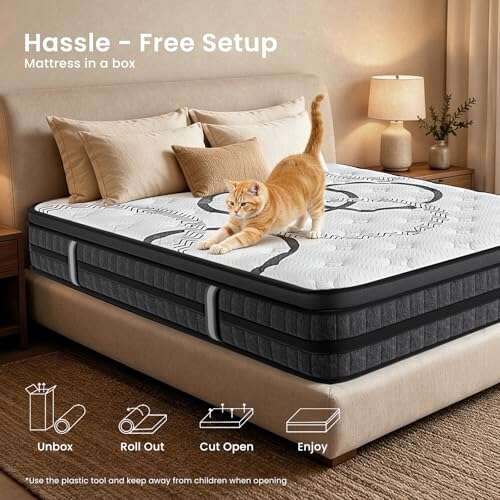
Clear a path before the box arrives. Place the rolled mattress near the bed frame, open the plastic with care, and avoid cutting into the fabric. Ask for help with queen and king sizes because the package can be heavy and awkward.
Let the mattress expand on a level foundation. Many beds look ready within a few hours, but full expansion may take longer. Follow the instructions on the current product page instead of guessing. Keep the room ventilated if you notice a new-material smell.
Check the frame before blaming the mattress for discomfort. A weak or bowed foundation can create sagging that feels like a mattress problem. Use proper center support for queen and king sizes. Also check the slat spacing listed by the mattress maker.
Tips for Sleeping With Lower Back Pain
Back sleepers can place a small pillow beneath the knees. This may reduce the pull on the lower back by allowing the legs to rest in a more relaxed position. Use a pillow that fills the neck gap without pushing the head too far forward.
Side sleepers can place a pillow between the knees. This can help keep the hips from twisting during the night. A supportive head pillow also matters because a bent neck can create tension through the upper back.
Stomach sleeping can place more stress on the lower back for some people. If you cannot change positions, use a thinner pillow under the head and consider a small cushion beneath the hips only if it feels comfortable. Stop any position that increases pain.
Daytime habits matter too. Gentle movement, a good chair, and careful lifting can support better sleep. If pain travels down the leg, causes numbness or weakness, follows an injury, or comes with bladder or bowel changes, seek medical care promptly. A mattress is a comfort product, not medical treatment.
Common Buying Mistakes to Avoid
The first mistake is choosing the hardest mattress because you heard firm beds are best for back pain. Very firm does not always mean supportive. If your shoulders and hips cannot settle, you may twist or tense your muscles throughout the night.
The second mistake is trusting the word “orthopedic” without reading the details. That word does not tell you how the mattress feels or whether it fits your body. Focus on construction, firmness, trial terms, and verified product specifications.
The third mistake is ignoring the foundation. A good mattress can feel poor on a weak frame. Measure the bed, check the slats, and confirm that the base supports the mattress maker’s requirements.
The fourth mistake is returning a mattress too soon. The first nights can feel strange, especially after years on an old, sagging bed. Unless pain worsens or the mattress clearly fails, give your body a reasonable adjustment period within the allowed trial.
FAQs Of best inexpensive mattress for lower back pain
Is a firm mattress best for lower back pain?
Not always. Many sleepers do well on a medium-firm mattress that supports the pelvis while cushioning the hips and shoulders. A firm mattress may suit stomach sleepers, heavier adults, or anyone whose current bed sags deeply.
Are hybrid mattresses good for lower back pain?
They can be. A hybrid combines foam pressure relief with spring support and airflow. Look for a stable center, suitable firmness, and zoned lumbar support if you need extra reinforcement around the waist.
How long should I test a new mattress?
Give your body several weeks when possible. Many online mattresses include a long trial, but you should read the exact return rules. Use the bed on the correct foundation and allow it to expand fully before judging it.
Can a mattress cure lower back pain?
No. A mattress may improve comfort and sleep posture, but it cannot cure an injury or medical condition. Seek medical advice for severe, lasting, worsening, or radiating pain.
What is the best inexpensive mattress for lower back pain for couples?
A medium-firm hybrid with motion control is often a practical choice. The Luxysea is a strong option for couples who want balanced support and less partner disturbance. King models provide more personal space but usually cost more than queen models.
Final Verdict: Which Should You Buy?
The Luxysea 12-inch medium-firm mattress is my top overall pick for the best inexpensive mattress for lower back pain. It balances foam comfort, support, cooling features, motion isolation, and a long trial.
Choose a firm BedStory or UniPon model if you need stronger lift. Compare the current Amazon price, size, trial, and warranty before ordering for the best value.

Appliance Review Expert
Lucas Ramirez is a trusted voice at HomeFixGrid.com, known for his clear, practical, and creatively written guides that simplify appliance care for everyday homeowners. With a strong focus on hands-on testing and real-world problem-solving, Lucas brings expert insight into appliance reviews and troubleshooting techniques. Her work empowers readers to confidently maintain, repair, and choose the right appliances for their homes.