Are Mccormick Containers Microwave Safe: Safety Guide
Introduction
Most McCormick containers should not go in the microwave unless the package clearly says “microwave safe.” This is especially true for McCormick spice jars, seasoning bottles, plastic lids, liners, and containers with metal parts.
In the United States, the safest choice is to transfer the food to a microwave-safe glass or ceramic dish before heating it. A container may hold food safely at room temperature but still warp, crack, melt, or release unwanted substances when heated.
This guide explains how to identify the type of McCormick container you have, what the label means, and what to do if the package gives no clear answer.


What Kind of McCormick Container Do You Have?
The answer depends on the container type. “McCormick container” may refer to a spice jar, seasoning bottle, plastic food tub, or a package that holds a ready-to-eat product.
| McCormick container type | Microwave guidance |
|---|---|
| Glass spice jar | Do not microwave unless the package gives clear instructions |
| Plastic spice bottle | Do not microwave |
| Container with a metal lid, seal, or foil liner | Do not microwave |
| McCormick food-storage container marked “microwave safe” | Use only as directed |
| Original food package without microwave instructions | Transfer the food first |
| Paper or cardboard seasoning package | Do not microwave unless specifically labeled for microwave use |
McCormick spice jars are made for storing herbs and spices. They are not automatically designed for reheating food. Even when the jar looks like ordinary glass, it may not have been tested for rapid temperature changes.
The lid can also create a problem. Many spice containers have plastic caps, internal seals, or thin liners. Those parts may soften, warp, or trap pressure during heating.

Are McCormick Spice Jars Microwave Safe?
You should treat McCormick spice jars as not microwave safe unless the exact package says otherwise.
A spice jar is not the same as a microwave-rated food dish. Its job is to protect dry ingredients from light, air, and moisture. It is not normally intended to hold hot liquids, cooked food, or food that expands during heating.
Glass also needs care. Some glass can handle heat well, but sudden temperature changes may cause it to crack or break. A cold jar taken from a pantry or refrigerator may be more likely to suffer thermal shock when exposed to microwave heat.
Do not microwave a McCormick spice jar if it has any of these features:
- A metal lid or metal seal
- A foil liner
- A plastic cap that is not labeled for microwave use
- A narrow opening that could trap steam
- Cracks, chips, scratches, or other damage
- No microwave-use statement from McCormick
If you need to heat food that contains McCormick seasoning, spoon the food into a separate microwave-safe bowl. This takes only a few seconds and removes uncertainty about the original spice package.
How to Tell Whether a McCormick Container Is Microwave Safe
Look for clear instructions on the package, the bottom of the container, or the product information supplied by McCormick. A microwave-safe statement or microwave symbol is stronger evidence than the material alone.


Use this check:
- Read the label. Look for “microwave safe,” “microwaveable,” or heating instructions.
- Check the bottom of the container. Some products place the symbol or instructions there.
- Inspect the lid and seal. The container may be safe while the lid is not.
- Look for metal. Remove any foil, metal band, metal seal, or metallic decoration.
- Check for damage. Do not heat cracked, chipped, cloudy, or badly scratched containers.
- Follow the stated limits. A label may allow reheating but prohibit cooking, high heat, or extended heating.
- Contact McCormick if the answer remains unclear. Give the company the product name, package size, and lot or product code.
The familiar recycling number on a plastic container does not, by itself, prove that the container is microwave safe. It identifies a plastic type. It does not confirm that the finished container can handle microwave heating.
Likewise, a glass-and-fork symbol usually relates to food contact. It does not necessarily mean that the container is safe for microwave use.

What Should You Use Instead?
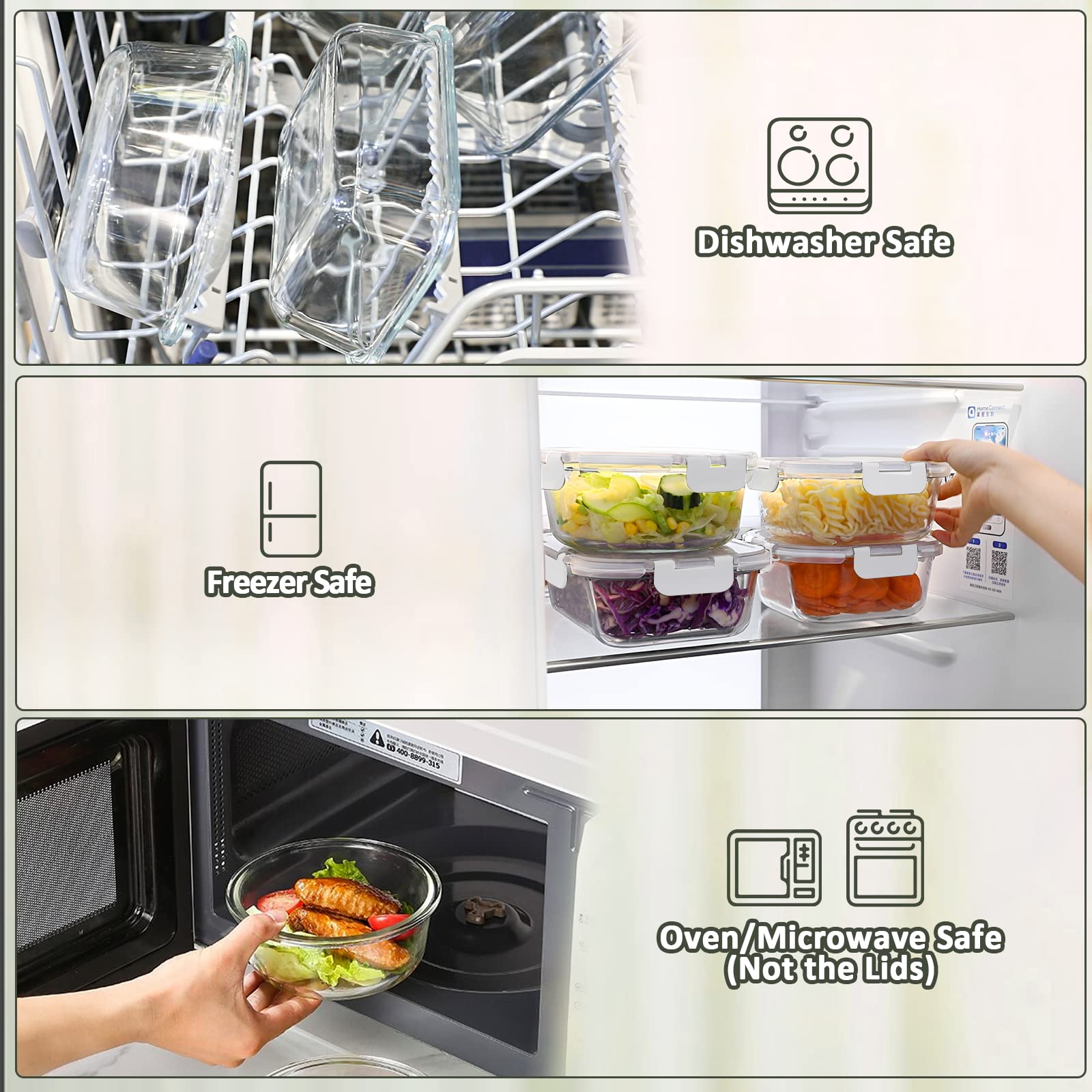
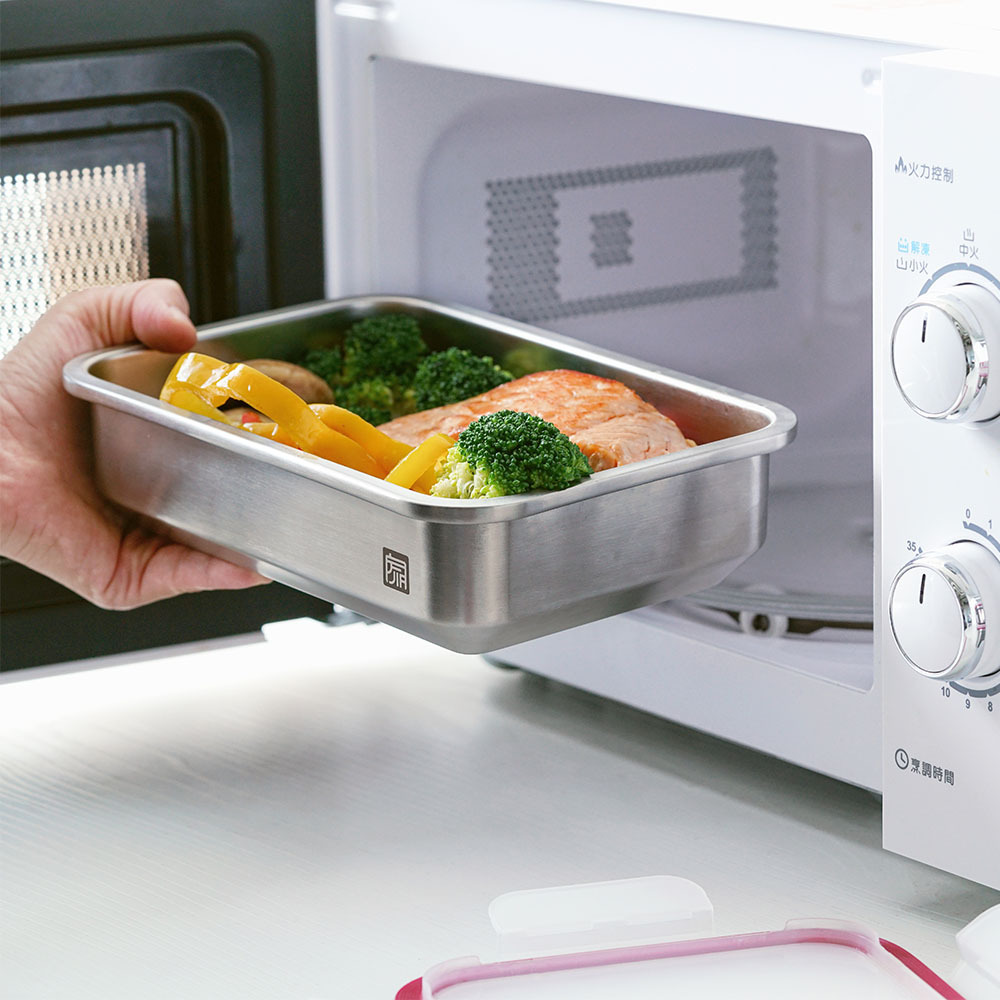
Use a container labeled for microwave use. Heat-resistant glass and plain microwave-safe ceramic are usually the simplest choices for reheating food.
Before heating, check that the dish:
- Is marked microwave safe
- Has no metallic paint, trim, or decoration
- Has no cracks or chips
- Is large enough to hold bubbling or expanding food
- Has a loose cover or vented lid if steam will build up
A microwave-safe cover can reduce splatter. Do not seal the cover tightly unless it is designed to vent. Steam needs a way to escape.
For food in a McCormick package, transfer the contents to the new dish. Stir the food during heating when practical, and allow a short standing time before eating. This helps reduce hot and cold spots.
The U.S. Department of Agriculture advises following package directions and using containers intended for microwave cooking. The U.S. Food and Drug Administration also recommends using cookware made for microwave ovens and avoiding containers that can melt or become damaged.

Can You Microwave Food With McCormick Seasoning in It?
Yes, the seasoning itself is generally not the issue. The container is the key concern.
Dried herbs and spices can be heated as part of a meal in a microwave-safe dish. For example, soup, rice, vegetables, or a sauce seasoned with McCormick products can be reheated when placed in a suitable bowl.
The main cautions are:
- Do not microwave the spice bottle.
- Do not place the original package in the oven unless it gives microwave instructions.
- Do not use a sealed container.
- Stir thick foods because heat may not spread evenly.
- Watch foods with oil, sugar, or thick sauces because they can become very hot.
Some spices may give off a strong smell when heated. That does not mean the spice container is microwave safe. Odor, staining, or softening may also signal that plastic has overheated.


What Happens If You Microwave the Wrong Container?
The result can range from minor damage to a burn or mess. Possible problems include:
- Plastic warping or melting
- A glass container cracking or shattering
- A lid popping off from trapped steam
- Food splattering inside the microwave
- Hot spots that cause burns
- A chemical or plastic odor
- Damage to the microwave from metal or foil
If the container melts, cracks, smokes, sparks, or smells strongly of burning plastic, stop the microwave. Unplug it if it is safe to do so, and let the container cool before handling it.
Do not eat food that has been contaminated by melted plastic, damaged packaging, or unknown residue. If metal causes sparking, stop the oven at once and remove the metal only after everything has cooled.
Do not test an unknown container by microwaving it empty. Empty-container tests can create excess heat and may damage both the container and the microwave.

McCormick Microwave Safety: Quick Decision Guide
Use this simple rule:
- The label says microwave safe: Follow the label, including lid and heating limits.
- The container is a spice jar with no microwave label: Do not microwave it.
- The container has metal or foil: Do not microwave it.
- The container is plastic with only a recycling code: Treat microwave use as unconfirmed.
- The package gives no instructions: Transfer the food to a labeled microwave-safe dish.
- The container is cracked, chipped, or damaged: Do not heat it.
When in doubt, transfer the contents. The small extra step is safer than relying on the shape or material of the package.

Frequently Asked Questions
Can I microwave an empty McCormick glass spice jar?
No. Do not microwave an empty McCormick spice jar unless the exact product is clearly marked for that use. Empty containers can heat unevenly, and the jar may not be designed for rapid temperature changes.
Can I microwave the plastic lid from a McCormick container?
Only if the lid is clearly labeled microwave safe and the instructions allow it. Remove the lid when the label does not give clear guidance. A lid may have different heat limits from the container.
Does the microwave symbol mean the container is safe?
A true microwave-use symbol or written microwave-safe statement can indicate that the product was intended for microwave heating. However, follow any limits printed beside it. Other symbols, such as recycling or food-contact symbols, do not prove microwave safety.
Can I microwave McCormick seasoning packets?
Do not microwave seasoning packets unless the package specifically provides microwave instructions. Packets may contain plastic film, coatings, adhesives, or metallic components. Empty the seasoning into a microwave-safe dish with the food.
Is glass safer than plastic in a microwave?
Microwave-safe glass is often a practical choice because it does not normally soften like plastic. However, not all glass is suitable for microwave heating. Use glass that is labeled microwave safe, and avoid sudden temperature changes, cracks, and thermal shock.
Final Answer
McCormick containers are not automatically microwave safe. McCormick spice jars, seasoning bottles, lids, and packets should be kept out of the microwave unless the exact product clearly says it can be heated.
For the safest method in a U.S. kitchen, transfer the food to a microwave-safe glass or ceramic dish. Remove all metal and foil, vent the cover, follow the package directions, and stop using any container that cracks, melts, sparks, or develops a strong burning odor.


The package label controls. If the label is silent, use another dish.

Appliance Review Expert
Lucas Ramirez is a trusted voice at HomeFixGrid.com, known for his clear, practical, and creatively written guides that simplify appliance care for everyday homeowners. With a strong focus on hands-on testing and real-world problem-solving, Lucas brings expert insight into appliance reviews and troubleshooting techniques. Her work empowers readers to confidently maintain, repair, and choose the right appliances for their homes.