How To Set The Temperature On A Fridge: Best Guide
Set your fridge to 37°F and your freezer to 0°F, then check it with a thermometer.
Learning how to set the temperature on a fridge is simple, but the right setting depends on your appliance, food load, room temperature, and door use. This guide explains the best temperature range, how to adjust different controls, how long to wait, and how to fix common cooling problems safely.
Why the Correct Fridge Temperature Matters
Your refrigerator should keep food cold without freezing fresh items. The ideal fridge temperature is 37°F, while the safe range is usually 35°F to 38°F. The freezer should stay at 0°F.
Cold temperatures slow the growth of bacteria that can spoil food. However, a fridge that is too warm may allow food to enter the “danger zone” between 40°F and 140°F. In this range, bacteria can grow quickly.
A fridge that is too cold creates other problems:
- Lettuce, berries, and herbs may freeze.
- Milk and juice may develop ice crystals.
- Food may spoil from repeated freezing and thawing.
- The appliance may use more energy than needed.
The temperature shown on a control panel is often a target, not a precise reading. A built-in display can be off by a few degrees. For this reason, a separate refrigerator thermometer gives you a more dependable answer.

The Best Temperature Setting for a Fridge
Set your refrigerator to 37°F for a good balance between food safety and freshness. If your fridge does not show exact degrees, use the middle setting first, then adjust it after checking the real temperature.
Here are useful target temperatures:
- Refrigerator compartment: 37°F
- Safe refrigerator range: 35°F to 38°F
- Freezer compartment: 0°F
- Maximum recommended refrigerator temperature: 40°F
The U.S. Department of Agriculture advises keeping perishable food at 40°F or below. Do not rely on how cold the air feels when you open the door. Human hands are not accurate thermometers, and the air near the door can feel colder or warmer than the food inside.
Some manufacturers recommend a setting of 38°F instead of 37°F. That small difference is fine. The key is to keep the actual temperature below 40°F without freezing delicate foods.
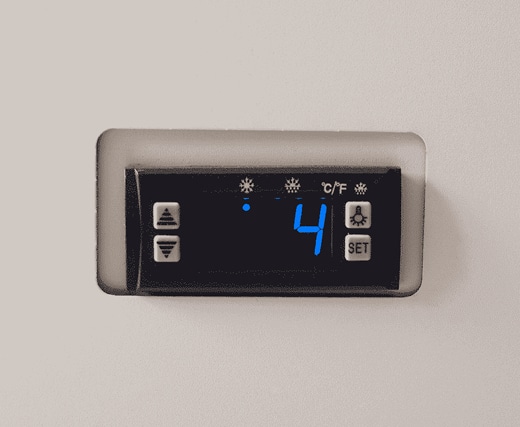
How to Set the Temperature on a Fridge With a Digital Control
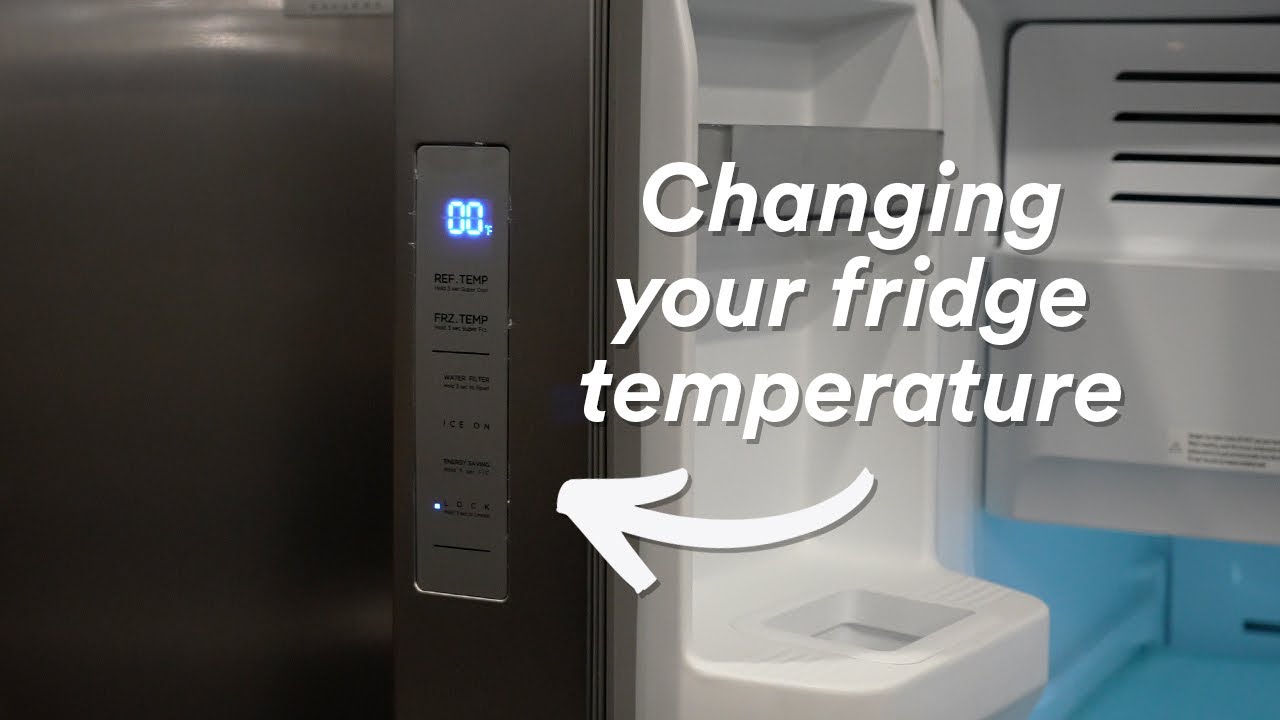
Digital controls are common on newer refrigerators. They may appear on the inside wall, above the water dispenser, or on the front door.
Follow these steps:
- Find the control panel or temperature buttons.
- Press “Fridge,” “Refrigerator,” or the button marked with a refrigerator symbol.
- Use the up or down arrows to choose 37°F.
- Set the freezer to 0°F if it has a separate control.
- Press “Set,” “Confirm,” or wait for the display to save the change.
- Close the door and let the fridge run without further changes.
Some models have a lock feature. If the buttons do not respond, press and hold the lock button for three seconds. Other models use a “Power Cool” or “Fast Cool” mode. This mode can help after a large grocery trip, but it is not normally needed every day.
Do not keep changing the setting every few minutes. The appliance needs time to move cold air through the cabinet. Frequent changes can make it harder to know which setting works.
How to Set the Temperature on a Fridge With a Dial
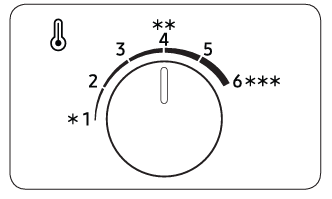
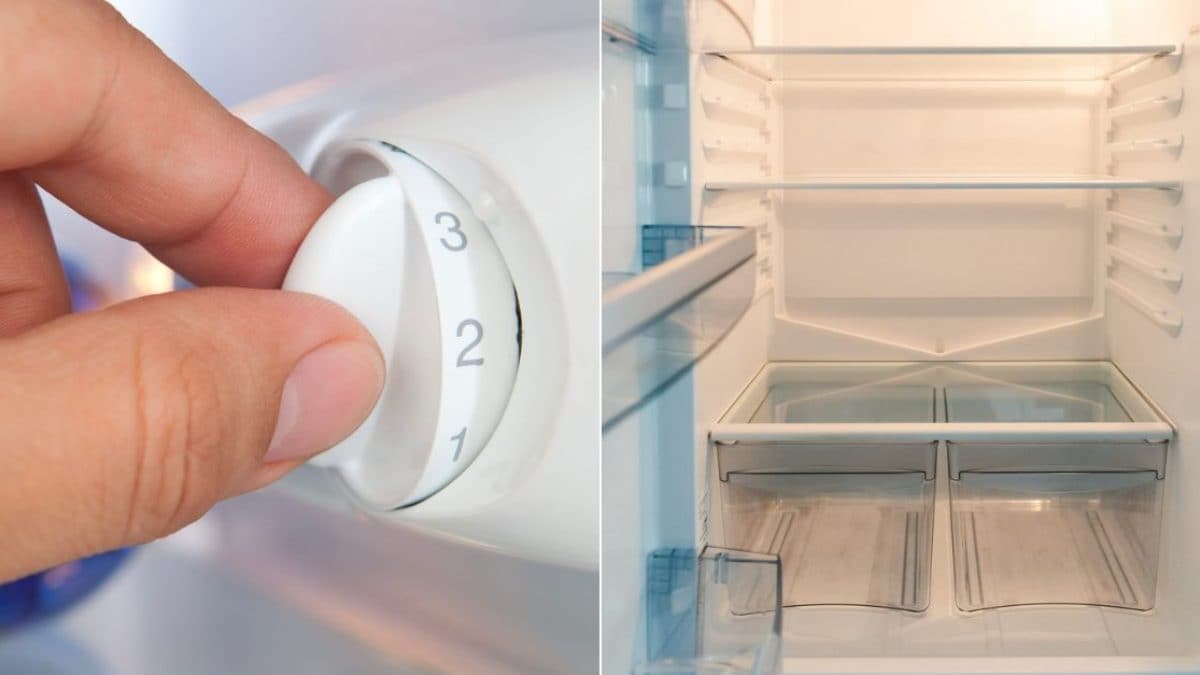
Older refrigerators often use a numbered dial. The numbers usually represent cooling power, not degrees Fahrenheit.
On many models:
- A lower number means less cooling.
- A higher number means more cooling.
- The middle number is a sensible starting point.
For example, if the dial runs from 1 to 5, begin at 3. If it runs from 1 to 9, begin at 4 or 5. Check your owner’s manual because some brands use a different system.
Make a small adjustment, then wait at least 24 hours before checking again. Turn the dial one number at a time. A large change may make the back wall cold enough to freeze food while the rest of the fridge remains too warm.
If the food near the back keeps freezing, move it away from the rear wall before lowering the setting. The cold air outlet is often located there.

How to Check the Actual Refrigerator Temperature
The most reliable way to confirm a fridge temperature is to use an appliance thermometer. Place it in a glass of water on the middle shelf. Water helps reduce the effect of brief air changes when the door opens.
Use this process:
- Place the thermometer in the center of the refrigerator.
- Keep the door closed for at least 8 hours, preferably overnight.
- Read the temperature in the morning.
- Adjust the control by one step if needed.
- Wait another 24 hours before checking again.
Do not place the thermometer in the door shelf. Door shelves are usually warmer because they are exposed to room air each time the door opens. Also avoid placing it directly against the back wall, where it may give an unusually cold reading.
A fridge thermometer is inexpensive and useful, especially if your appliance is older, your home is very warm, or you store medicine or other temperature-sensitive items.

How Long It Takes for a Fridge to Reach the New Temperature
Most refrigerators need several hours to respond to a new setting. A full temperature change can take 12 to 24 hours.
The timing depends on several factors:
- How much food is inside
- How often the door opens
- The temperature of the room
- Whether warm food was recently added
- The condition of the door gasket
- The age and design of the appliance
After a large grocery trip, the fridge may seem warm for a while. Avoid setting it to the coldest level to speed things up. That can freeze food near the vents without cooling the entire compartment evenly.
If the temperature is still above 40°F after 24 hours, inspect the door seal, air vents, condenser area, and cooling settings. If the compressor runs constantly or the fridge never becomes cold, the issue may require appliance service.

Where to Place Food for Even Cooling
Good food placement helps your temperature setting work as intended. A refrigerator is not equally cold in every area.
Use these general placement tips:
- Store milk and other dairy products on an interior shelf, not the door.
- Keep meat, poultry, and seafood in a sealed container on the lowest shelf.
- Place fruits and vegetables in the crisper drawers.
- Keep ready-to-eat foods above raw meat.
- Leave space around air vents so cold air can circulate.
- Use the door for condiments, sauces, and drinks that do not spoil quickly.
Do not pack the fridge tightly. A crowded refrigerator blocks airflow and creates warm spots. An almost empty refrigerator may also change temperature quickly because there is less food to hold the cold.
A useful rule is to fill the appliance enough for good thermal stability while leaving clear space around the vents. Think of cold air as water flowing through a pipe. Block the path, and the flow becomes uneven.

What to Do if Food Is Freezing in the Fridge
Food that freezes in the refrigerator is a common sign of poor placement or excessive cooling. It does not always mean the appliance is broken.
Try these steps:
- Move food away from the back wall and air vents.
- Check the actual temperature with a thermometer.
- Raise the temperature by one setting.
- Make sure food is not blocking the interior fan.
- Check whether the door closes fully.
- Wait 24 hours before making another change.
Some refrigerators have a cooling vent near the top or rear. Items placed directly in front of it may freeze even when the average fridge temperature is normal.
If food continues to freeze throughout the compartment, inspect the temperature sensor or control system. A damaged sensor may tell the refrigerator to keep cooling when it should stop.
What to Do if the Fridge Is Too Warm
If the refrigerator stays above 40°F, first check the simple causes. The temperature control may be set too low, the door may not seal, or warm air may be entering through frequent opening.
Use this checklist:
- Confirm the control is set near 37°F.
- Test the temperature with a separate thermometer.
- Check for gaps in the door gasket.
- Remove items blocking the door.
- Make sure interior vents are clear.
- Clean dust from the condenser area if the manual allows it.
- Confirm the fridge has enough space around its outside walls.
A warm kitchen can also affect performance. Many refrigerators work best when the room stays within the temperature range listed in the owner’s manual. Garages can be especially difficult because they may become very hot or cold.
Discard perishable food that has been above 40°F for more than two hours. If the room is above 90°F, the safer limit is one hour. When in doubt, do not taste food to decide whether it is safe.
Common Mistakes When Setting Fridge Temperature
The most common mistake is assuming that a setting of “5” means 5°F. On a dial, it usually means a stronger cooling level. Always check the manual or use a thermometer.
Other mistakes include:
- Changing the setting several times in one day
- Checking the temperature right after opening the door
- Putting the thermometer in the door
- Blocking air vents with food
- Storing milk in the warmest part of the appliance
- Leaving the door slightly open
- Assuming a cold back wall means the entire fridge is cold
- Ignoring a damaged door seal
One lesson that comes up often is that temperature problems are sometimes airflow problems. Before replacing a part or calling for service, move food away from the vents and confirm that the door seals properly.
Another mistake is using the coldest setting as a routine solution. It may hide a cooling problem for a short time, but it can waste energy and damage fresh food.
Energy-Saving Tips After Setting the Temperature
A properly set refrigerator can protect food without unnecessary energy use. Keep the temperature near 37°F rather than using the coldest setting.
These habits can help:
- Open the door only when needed.
- Let hot food cool slightly before refrigerating it.
- Do not leave the door open while preparing a meal.
- Keep the condenser area clean when the manufacturer permits it.
- Replace a cracked or loose door gasket.
- Keep the fridge away from ovens, heaters, and direct sunlight.
- Leave a small air gap around the appliance if the manual requires it.
Do not place very hot containers inside the fridge. They add heat and force the compressor to work harder. At the same time, do not leave cooked food at room temperature for too long. Divide large amounts into shallow containers so they cool more quickly and safely.
When to Call for Refrigerator Repair
Temperature adjustments cannot fix every problem. Contact a qualified appliance technician if the refrigerator remains too warm after basic checks or if it shows signs of mechanical failure.
Get help when you notice:
- The fridge stays above 40°F for more than 24 hours.
- The compressor runs constantly.
- The appliance makes loud clicking or grinding sounds.
- Ice builds up heavily on the back wall.
- The fan does not seem to run.
- The door gasket is torn or will not seal.
- The control panel shows an error code.
- Water leaks inside or under the appliance.
Do not remove sealed refrigerant parts or attempt electrical repairs unless you have the correct training. Refrigeration systems operate under pressure, and electrical components can cause serious injury.
If food safety is the concern, move perishables to another working refrigerator or a cooler with ice. Keep the food at 40°F or below while you arrange service.
How to Set the Temperature on a Fridge in Different Seasons
Seasonal changes can affect refrigerator performance. In summer, a hot kitchen may cause longer cooling cycles. In winter, a fridge in an unheated garage may struggle if the room becomes too cold.
In a normal indoor kitchen, you usually do not need a seasonal setting change. Keep the fridge near 37°F and use a thermometer to confirm the result.
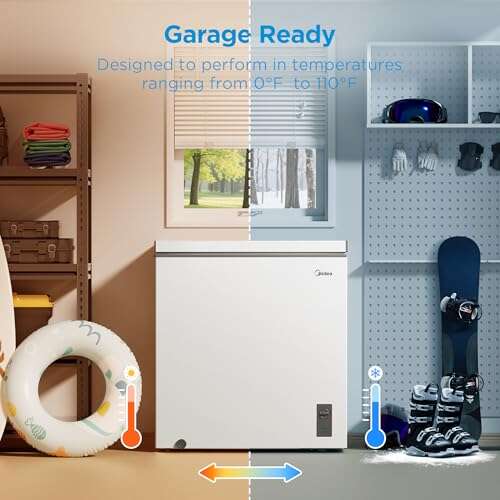
For a garage refrigerator, read the manual before making assumptions. Some models are not designed for extreme temperatures. A garage-ready refrigerator has controls and insulation designed for a wider room-temperature range.
If the refrigerator sits beside a stove or receives direct sun, moving it may help more than changing the temperature. Small improvements in room conditions can make a large difference in cooling performance.
A Simple Temperature-Setting Routine
Use this routine whenever you install a new refrigerator, move an appliance, or notice food becoming too warm or too cold:
- Set the refrigerator to 37°F.
- Set the freezer to 0°F.
- Place an appliance thermometer in a glass of water on the middle shelf.
- Wait 8 to 24 hours with minimal door opening.
- Check the reading.
- Adjust only one step at a time.
- Wait another 24 hours.
- Check food placement and door seals if the reading remains incorrect.
This method is more accurate than guessing. It also helps you learn how your own refrigerator behaves. Every model has different airflow, insulation, and sensor placement.
Frequently Asked Questions About How to Set the Temperature on a Fridge
What temperature should a refrigerator be set to?
Set the refrigerator to 37°F when possible. Keep the actual temperature between 35°F and 38°F, and never allow it to stay above 40°F for safe food storage.
How do I set the temperature on a fridge with numbers?
Start at the middle number on the dial. Wait 24 hours, check the temperature with an appliance thermometer, and adjust one number at a time.
How long does it take a fridge to get cold after changing the setting?
A refrigerator often needs 12 to 24 hours to reach and stabilize at a new temperature. Opening the door often or adding warm food can make the process take longer.
Why is my food freezing in the refrigerator?
Food may freeze when it touches the back wall or blocks a cold-air vent. Move it away from those areas and raise the temperature by one setting if the thermometer shows the fridge is too cold.
What temperature should a freezer be?
Set the freezer to 0°F. Use a freezer thermometer to confirm the actual temperature, especially if food develops excess ice or seems partly thawed.
Is the fridge door the coldest part?
No. The door is usually one of the warmest parts because it is exposed to room air whenever the door opens. Store less perishable items, such as condiments, in the door.
Should I use the coldest setting to cool food faster?
No. The coldest setting may freeze food near the vents without cooling the whole fridge evenly. Use the normal recommended setting and allow the appliance time to work.
Conclusion
The best way to set a refrigerator is to aim for 37°F and confirm the result with a separate appliance thermometer. Use the middle setting on a dial, adjust digital controls one step at a time, and wait up to 24 hours before checking again.
Keep air vents clear, place perishable food away from the door, and inspect the door seal if the fridge remains warm. Take a few minutes today to check your refrigerator temperature, then share your results or explore more practical appliance care guides.

Appliance Review Expert
Lucas Ramirez is a trusted voice at HomeFixGrid.com, known for his clear, practical, and creatively written guides that simplify appliance care for everyday homeowners. With a strong focus on hands-on testing and real-world problem-solving, Lucas brings expert insight into appliance reviews and troubleshooting techniques. Her work empowers readers to confidently maintain, repair, and choose the right appliances for their homes.