Can You Cook Jasmine Rice In The Microwave: Easy Guide
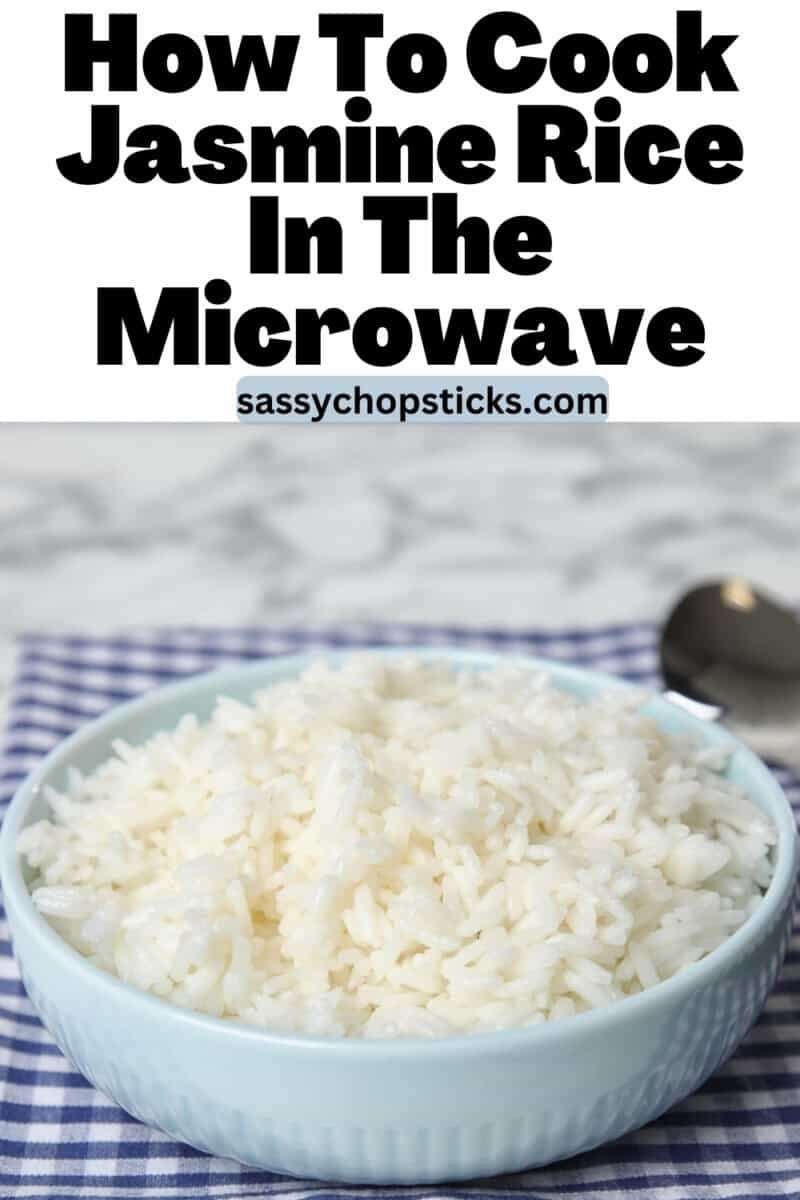
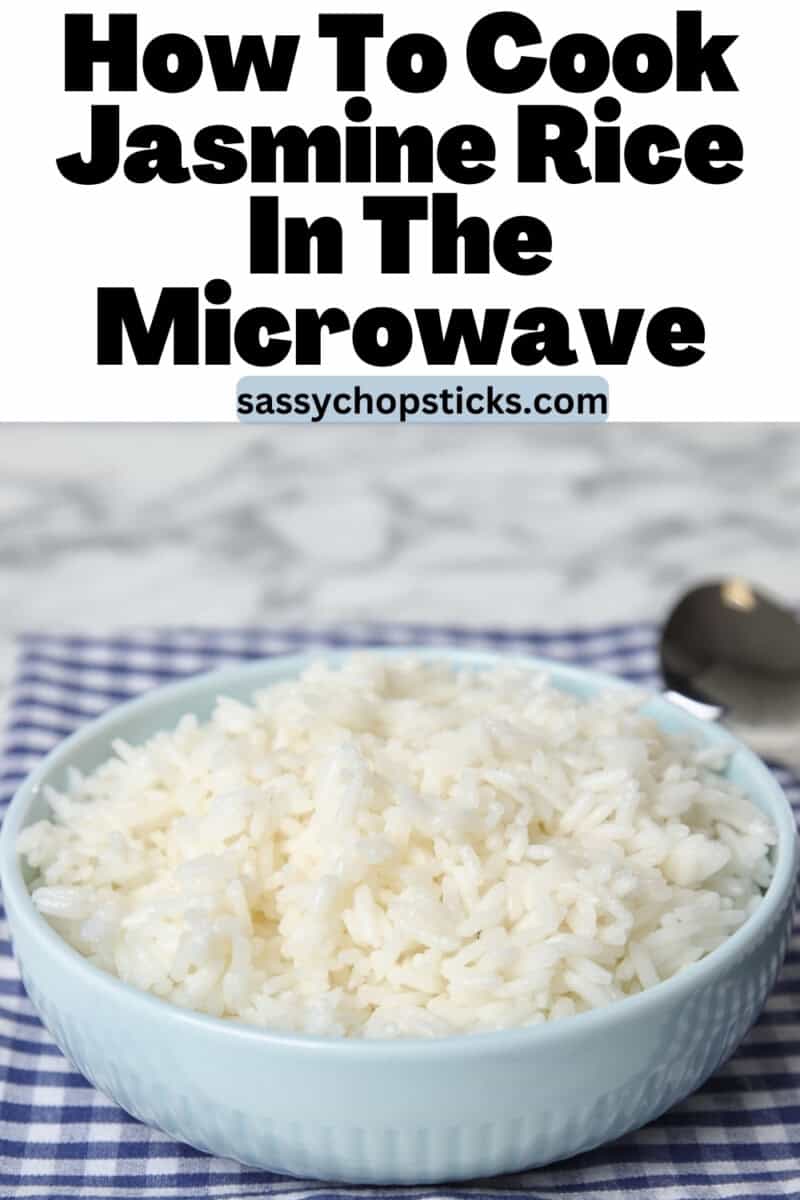
Yes, you can cook jasmine rice in the microwave. The easiest method is to combine rinsed jasmine rice with water in a large microwave-safe bowl, cook it in two stages, and let it rest before fluffing.
For 1 cup of dry white jasmine rice, use about 1½ cups of water. Cooking usually takes 18 to 25 minutes, depending on your microwave, bowl, rice brand, and the amount you make.

What You Need
You only need a few items:


- 1 cup dry white jasmine rice
- 1½ cups water
- A large microwave-safe bowl
- A microwave-safe lid or vented cover
- A fine-mesh strainer
- A fork or rice paddle
- A kitchen towel or oven mitt
Use a bowl that holds at least three times the volume of the rice and water. Rice can foam and rise as it cooks. A small bowl may boil over and make a mess.
This method is for regular white jasmine rice. Brown jasmine rice, instant rice, parboiled rice, and microwave-ready packets need different cooking times and water levels.

How to Cook Jasmine Rice in the Microwave
Follow these steps for soft, separate jasmine rice.
1. Rinse the rice
Put 1 cup of jasmine rice in a fine-mesh strainer. Rinse it under cool tap water for about 30 seconds, or until the water looks less cloudy.
Rinsing removes some loose surface starch. This can help reduce foaming and make the cooked rice less sticky. It does not need to run perfectly clear.
2. Add the water
Place the rinsed rice in a large microwave-safe bowl. Add 1½ cups of water.
For more flavor, you can replace part of the water with low-sodium chicken or vegetable broth. Do not add too much salt, oil, or other ingredients until you know how your microwave handles the basic recipe.
3. Cover the bowl
Cover the bowl with a microwave-safe lid that allows steam to escape. A vented lid works well.
If the lid is not vented, leave a small opening. Do not seal the bowl tightly. Steam needs a safe way out, and pressure can build inside a closed container.
4. Cook on high power
Microwave the covered bowl on high power for 10 minutes.


The water should be hot and bubbling by the end of this stage. The rice may not be fully cooked yet.
5. Finish at reduced power
Set the microwave to 50% power. Cook for another 8 to 12 minutes.
Lower power gives the rice more time to absorb the water. It also lowers the chance of boiling over or drying out the outer layer before the center is tender.
6. Let the rice rest
Keep the bowl covered and let the rice rest for 5 to 10 minutes.
This step matters. The remaining steam finishes cooking the grains and helps spread moisture evenly. If you open the bowl right away, the top may seem dry while the bottom remains wet.
7. Fluff and serve
Carefully remove the cover. Hot steam can burn your hands and face.
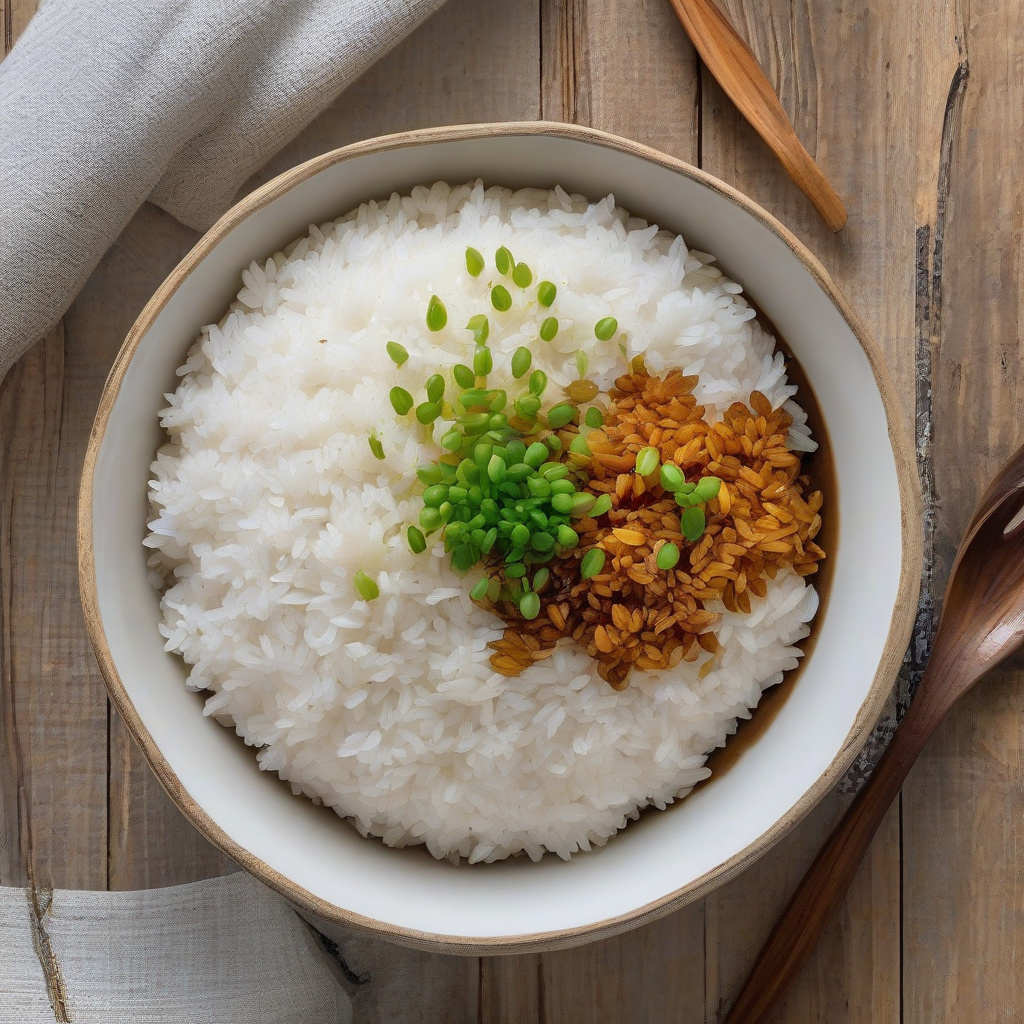
Fluff the rice gently with a fork. Serve it while hot, or cool and store it promptly if you plan to eat it later.

Microwave Jasmine Rice Ratio and Timing
The basic starting ratio is:
| Dry jasmine rice | Water | Approximate total time |
|---|---|---|
| ½ cup | ¾ cup | 14–20 minutes |
| 1 cup | 1½ cups | 18–25 minutes |
| 1½ cups | 2¼ cups | 22–30 minutes |
| 2 cups | 3 cups | 25–35 minutes |
These times are estimates, not fixed rules. Microwave power varies widely. A high-wattage microwave may cook rice sooner, while a lower-wattage model may need more time.
For the best result, start with the lower end of the time range. If the rice is still firm and the bowl has little or no water left, add 1 to 2 tablespoons of hot water, cover it again, and microwave at 50% power for 2 to 4 minutes.
Do not keep adding water if the rice is already soft. Extra water can turn cooked jasmine rice mushy.
How to Adjust the Method
Small changes can improve the result based on your rice, bowl, and microwave.
If the rice is too firm
Firm rice usually means it needed more water, more cooking time, or a longer rest.


Try this:
- Add 1 to 2 tablespoons of hot water.
- Cover the bowl.
- Microwave at 50% power for 2 to 4 minutes.
- Let it rest for 5 minutes.
If the rice is firm every time, increase the water slightly next time. Try 1⅝ cups of water per cup of rice.
If the rice is mushy
Mushy rice usually has too much water or was cooked too long.
Next time:
- Reduce the water by 1 to 2 tablespoons.
- Check the rice sooner.
- Let it rest without stirring.
- Use a wider bowl so steam can escape more evenly.
Once rice is mushy, you cannot fully restore its original texture. You can still use it for fried rice, rice porridge, soup, or rice patties.
If the rice boils over
Boiling over often comes from a bowl that is too small, a cover that traps too much foam, or a microwave set too high for too long.
Use a larger bowl. Rinse the rice well. Cook in stages rather than using one long high-power cycle.
Reducing the power does not mean the rice will fail. It often produces a more even result.
If the top is dry but the bottom is wet
The rice may not have rested long enough, or the bowl may have heated unevenly.
Stir the rice gently once, cover it, and let it rest for another 5 minutes. If it is still uneven, use a wider bowl and make a smaller batch.
Can You Microwave Jasmine Rice Without Rinsing It?
Yes, but rinsing is usually helpful.
Unrinsed rice can still cook properly. However, it may foam more and have a stickier surface because of loose starch. Rinsing also removes dust and small particles left from handling and packaging.
If you skip rinsing, use a large bowl and watch for boil-over. This matters most when cooking more than 1 cup of rice.


Can You Cook Jasmine Rice in the Microwave Without a Cover?
You can, but a cover gives better results.
A cover holds steam around the rice. Without one, water evaporates faster, which can leave the rice dry or undercooked. An uncovered bowl may also splatter inside the microwave.
Use a vented microwave lid, a microwave-safe plate set slightly ajar, or another cover approved for microwave use. Never create an airtight seal.

How to Store and Reheat Microwave Jasmine Rice
Cooked rice should be handled like other perishable leftovers. The U.S. Department of Agriculture recommends refrigerating leftovers within 2 hours, or within 1 hour when the temperature is above 90°F.
Spread rice in a shallow container so it cools more quickly. Refrigerate it at 40°F or below and use it within 3 to 4 days, according to USDA guidance.
To reheat one serving:
- Place the rice in a microwave-safe bowl.
- Sprinkle it with 1 to 2 teaspoons of water.
- Cover it loosely.
- Microwave until steaming hot throughout.
- Stir once if the portion is large.
USDA advises reheating leftovers to 165°F. Use a food thermometer if you need to check the temperature accurately.
Do not leave cooked rice on the counter for several hours. Rice can support the growth of Bacillus cereus when it cools slowly or remains at unsafe temperatures. Reheating may kill some bacteria, but it may not remove toxins that formed during improper storage.

Microwave Jasmine Rice vs. Stovetop Rice
Microwave cooking is convenient, but it has trade-offs.
| Feature | Microwave method | Stovetop method |
|---|---|---|
| Equipment | Microwave and large bowl | Pot and burner |
| Attention | Low after setup | Moderate |
| Cleanup | Usually simple | Usually simple |
| Control | Depends on microwave power | Easier to adjust by sight and sound |
| Batch size | Limited by bowl size | Often better for large batches |
| Texture | Can be very good with practice | Often more predictable |
The microwave is a good choice for a small or medium batch when you want to avoid using the stove. A stovetop pot may be better when you need a large amount or want more control over heat.

Common Mistakes to Avoid
Avoid these mistakes for more reliable microwave jasmine rice:
- Using too small a bowl: Rice and water can foam over.
- Sealing the lid: Steam pressure can build up.
- Skipping the rest period: The grains may seem wet or uneven.
- Using one long high-power cycle: The water may boil away before the rice cooks.
- Adding cold water during cooking: Hot water causes less interruption to the cooking process.
- Stirring too often: Frequent stirring can release starch and make the rice gummy.
- Cooking a different type of rice with the same ratio: Brown, instant, and parboiled rice have different needs.
- Ignoring the microwave wattage: A 1,200-watt microwave may cook faster than a 700-watt model.
Frequently Asked Questions
How much water do you use for jasmine rice in the microwave?
Start with 1½ cups of water for 1 cup of white jasmine rice. Adjust slightly based on the rice brand, bowl, and microwave. Some rice may need a little more or less water.
How long does jasmine rice take in the microwave?
One cup of jasmine rice usually takes 18 to 25 minutes, including the cooking and resting time. Cook it on high first, then finish at half power.
Can you microwave jasmine rice in a plastic container?
Only use a container labeled as microwave-safe. The container should be large enough for the rice and water, and its lid should be vented or left slightly open. Avoid damaged, warped, or unmarked plastic containers.
Why does my microwave rice come out sticky?
Sticky rice can result from excess water, surface starch, too much stirring, or overcooking. Rinse the rice, measure the water carefully, and fluff it gently after resting.
Can you cook brown jasmine rice in the microwave?
Yes, but brown jasmine rice usually needs more water and a longer cooking time than white jasmine rice. Follow the package directions first because brands vary. Check the rice near the end and add hot water in small amounts if needed.
Sources and Evidence
The cooking method above is a practical starting method that must be adjusted for the specific microwave and rice brand. Food-safety guidance is based on U.S. government recommendations:
- USDA: Keep Food Safe—Food Safety Basics
- USDA: Leftovers and Food Safety
- USDA: Safe Minimum Internal Temperature Chart

Conclusion
You can cook jasmine rice in the microwave with good results. Start with 1 cup of rinsed white jasmine rice and 1½ cups of water. Use a large vented bowl, cook in two stages, and let the rice rest before fluffing.
If the rice is firm, add a little hot water and continue at half power. If it is mushy, reduce the water or cooking time next time. Store leftovers within two hours, refrigerate them promptly, and reheat them to 165°F before serving.

Appliance Review Expert
Lucas Ramirez is a trusted voice at HomeFixGrid.com, known for his clear, practical, and creatively written guides that simplify appliance care for everyday homeowners. With a strong focus on hands-on testing and real-world problem-solving, Lucas brings expert insight into appliance reviews and troubleshooting techniques. Her work empowers readers to confidently maintain, repair, and choose the right appliances for their homes.