Can You Microwave Styrofoam Takeout Containers: Safe Answer
Usually, no. Do not microwave a styrofoam or foam takeout container unless the package clearly says it is microwave-safe. Most restaurant foam containers are made for holding food, not reheating it. They may soften, warp, melt, or allow unwanted substances to move into food when heated.
The safest choice in the United States is simple: move the food to a glass, ceramic, or microwave-safe plastic dish before reheating it. This takes only a few seconds and avoids guessing about the container’s material or heat limit.

What “Styrofoam” Means in Takeout Packaging
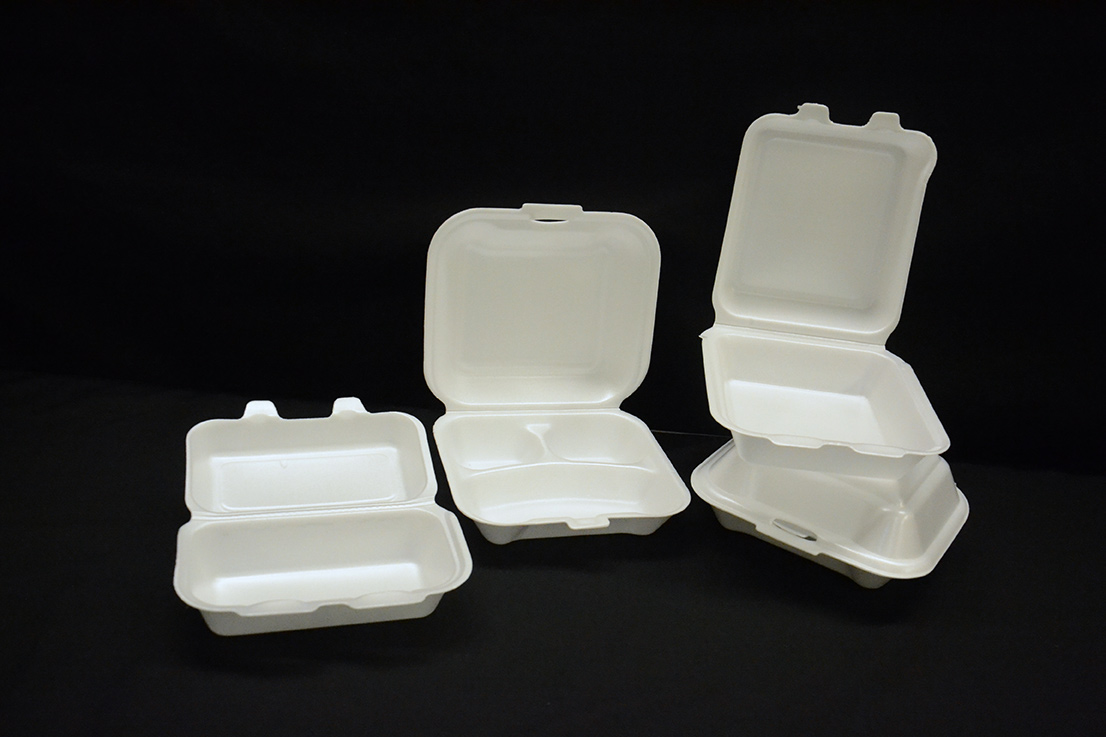
“Styrofoam” is a brand name for a type of extruded polystyrene foam. People in the United States often use the word for many white foam food containers, but those containers may use expanded polystyrene or another foam material.
This difference matters because not all foam packaging has the same design or heat resistance. A container made to hold a cold salad may behave differently from one made for hot soup. Even a container that safely held hot food from a restaurant may not be safe for microwave heating.
A takeout container can also include more than one material:
- Foam or plastic food tray
- Clear plastic lid
- Paper label or sleeve
- Adhesive
- Ink
- Sauce cup
- Metal handle, staple, or foil seal
The container may be suitable for food contact at room temperature or for short-term hot-food service without being suitable for microwave use.
What the recycling number means
A recycling symbol with the number 6 generally identifies polystyrene. It does not mean that the container is microwave-safe. Recycling codes identify the plastic resin type; they do not certify a container for a specific heating method.
Likewise, the absence of a recycling number does not prove that a package is unsafe. The best evidence is a clear microwave-safe label or instructions from the container maker.

Why Microwaving Foam Takeout Containers Can Be Risky
Foam containers can lose their shape when exposed to microwave heat. The risk rises when the food is very hot, oily, sugary, or heated for a long time.
Microwaves heat the food, not the container directly. However, hot food transfers heat into the container. Fat, oil, and sugar can become especially hot and may heat the surrounding foam beyond what the package was designed to withstand.
Possible problems include:
- The bottom or sides becoming soft
- The container bending when lifted
- A hole or leak forming
- Hot food spilling
- The lid popping off from steam
- Food touching a softened surface
- Strong plastic or chemical odors
- Grease leaking through the container
- Uneven heating that leaves cold spots and very hot areas
The concern is not that every foam container will suddenly burst into flames. That is not the usual outcome. The more common issue is that the package is not tested or labeled for microwave heating, so its performance and food-contact safety are uncertain.
The U.S. Department of Agriculture advises consumers not to microwave food in foam trays because foam is not heat-stable at high temperatures. The U.S. Food and Drug Administration also advises using cookware and containers labeled for microwave use.

Is Any Styrofoam Takeout Container Microwave-Safe?
Some foam food containers may be designed for limited heating, but you should rely on the package label or the manufacturer’s instructions—not on appearance.
A container may be used in a microwave only when one of these conditions applies:
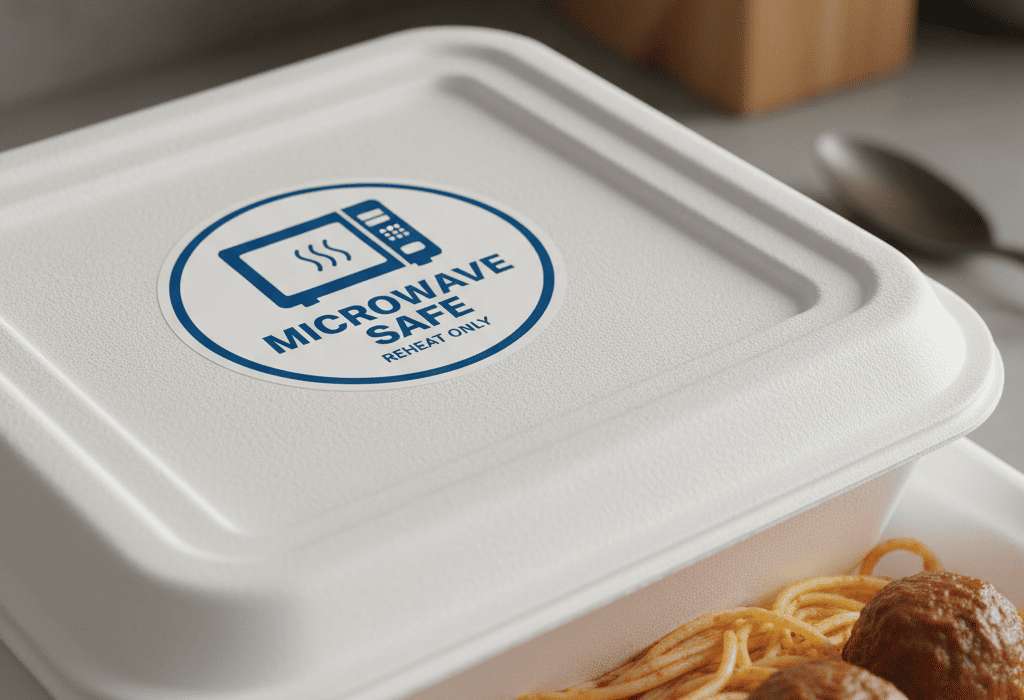
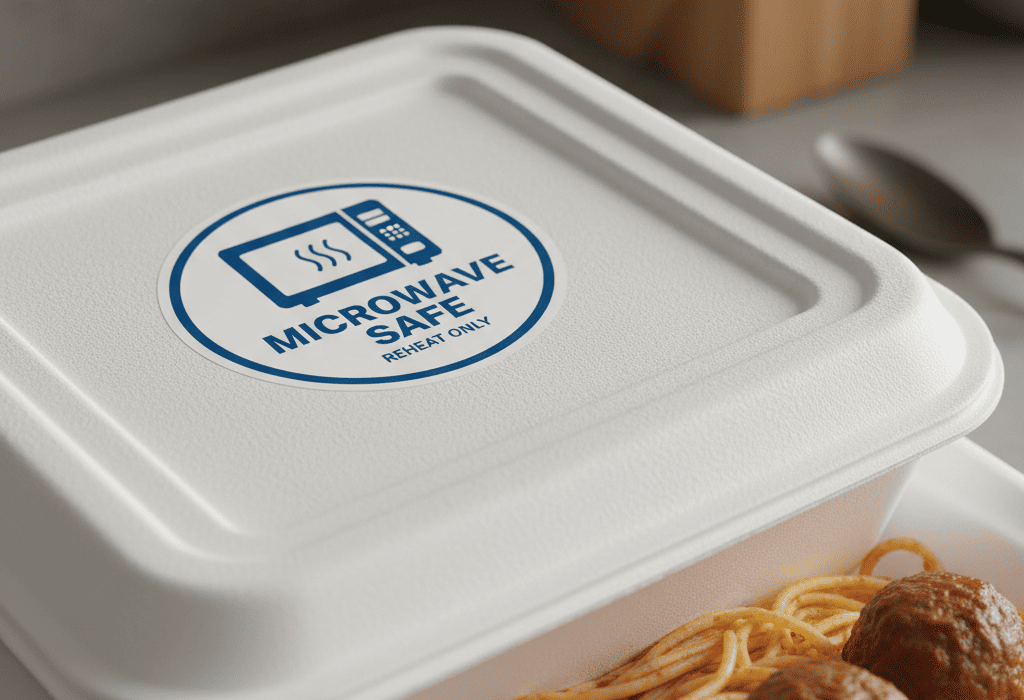
- The container says “microwave-safe.”
- The packaging gives microwave heating directions.
- The manufacturer confirms that exact container model is approved for microwave use.
A label that says “safe for hot food” is not the same as “microwave-safe.” It may only mean that the container can hold food that was heated elsewhere.
Restaurant packaging often has no clear heating instructions. In that case, treat the container as not approved for microwave use.
Signs that do not prove microwave safety
These clues are not enough by themselves:
- The container is white foam.
- The restaurant served hot food in it.
- The container feels thick.
- The container did not melt during a previous use.
- The bottom has a recycling number.
- The lid fits tightly.
- Someone online says they have done it many times.
A container can appear to work and still be a poor choice. Lack of visible damage is not a safety test.
A practical decision table
| Container or label | Microwave recommendation |
|---|---|
| Clearly marked “microwave-safe” | Follow the stated time and power limits |
| No label or instructions | Transfer food to a microwave-safe dish |
| Foam tray from a restaurant | Do not microwave unless the maker confirms it is approved |
| Clear plastic lid with no label | Remove it unless the instructions allow microwave use |
| Metal, foil, or metallic decoration | Do not microwave it |
| Cracked, stained, warped, or damaged container | Do not heat it, even if it once seemed safe |

The Safest Way to Reheat Food From a Foam Container
The safest method is to transfer the food before heating it. Use a microwave-safe glass or ceramic dish, or use plastic that is clearly labeled for microwave use.
Follow these steps
-
Remove the food from the foam container.
Check for foam fragments, leaks, or damaged areas. -
Place the food in a microwave-safe dish.
Spread thick food into an even layer so it heats more evenly. -
Cover the dish loosely.
Use a microwave-safe lid or vented cover. A loose cover helps reduce splatter while allowing steam to escape. -
Heat in short intervals.
Start with 30 to 60 seconds, then stir or turn the food when possible. -
Check the center.
The outside may feel hot while the middle remains cold. -
Let the food stand briefly.
Resting helps heat spread through the food and reduces the risk of a hot bite. -
Use a food thermometer for high-risk foods.
When reheating leftovers, the USDA recommends heating them to 165°F. This applies to the food, not to the container.
Do not cover a dish tightly. Steam can build pressure and cause the lid to burst open. Open the cover away from your face and hands.
What to Do If You Already Microwaved Styrofoam
If you heated food in a foam container once, do not panic. Inspect the container and the food before deciding what to do next.
Discard the food if:
- The foam melted, shrank, or became sticky.
- The container cracked or leaked.
- The food touched a softened or melted area.
- You noticed a strong chemical or plastic odor.
- Pieces of foam entered the food.
- The container smoked or caught fire.
If the container stayed intact and the food did not touch a damaged area, the immediate risk may be lower. However, the container still was not proven safe unless it carried microwave-use instructions. For future reheating, use a different dish.
If a foam container catches fire, stop the microwave and keep the door closed if it is safe to do so. Turn off or unplug the appliance if you can do that without approaching a flame. Leave the door closed until the fire is out, and call 911 if the fire continues or spreads.
Do not pour water into a microwave fire.

Can You Microwave the Plastic Lid?
Treat the lid separately from the container. A lid may use a different plastic, and it may not have the same heat limit.
Remove the lid unless it clearly says that it is microwave-safe and gives instructions for venting. A tight lid can trap steam and pop off. Some lids can also warp or touch the food as they soften.
A safer option is a microwave-safe cover made for reheating. You can also place a microwave-safe plate loosely over the dish. Do not use a sealed container unless the manufacturer specifically designed it for pressure and microwave heating.

Does Microwaving Styrofoam Release Toxic Chemicals?
It is too broad to say that every foam container will release dangerous chemicals when microwaved. The actual risk depends on the material, food, temperature, heating time, and package design.
The practical issue is that an ordinary restaurant foam container may not have been evaluated for microwave heating. When the package lacks a microwave-safe label, you do not know whether it can handle the heat without deforming or affecting the food.
Do not rely on smell alone. Some harmful changes may not produce an odor, while harmless packaging odors can seem alarming. The safest response is to avoid heating unapproved foam in the first place.
If you are worried after eating food that touched melted packaging, contact your doctor or call Poison Control in the United States at 1-800-222-1222. Poison Control can provide case-specific guidance based on the product, amount, and exposure.

Better Containers for Microwave Reheating
Choose a container with clear microwave-use instructions. The most dependable everyday options include:
- Glass dishes: Durable and easy to clean, although some glass can crack with sudden temperature changes.
- Microwave-safe ceramic: Useful for soups, rice, pasta, and leftovers.
- Microwave-safe plastic: Use only when the package states that it is microwave-safe. Follow any limits on time, temperature, or dishwasher use.
- Paper plates or paper bowls labeled for microwave use: Suitable for some short reheating tasks, but they may become weak with greasy or very wet food.
Avoid containers with metal trim, foil, metallic paint, or hidden metal parts. Takeout packaging can include foil seals, metal clips, or wire handles that are easy to miss.
Never place a sealed container in the microwave. Steam needs a safe way to escape.

Common Mistakes to Avoid
Assuming “hot food safe” means microwave-safe
A container may hold hot food briefly after cooking without being suitable for direct microwave heating. Those are different uses.
Heating the container because the food is cold
Cold food does not make an unapproved container safe. Transfer the food first.
Using the foam lid as a cover
The lid may warp, trap steam, or fall onto the food. Use a labeled microwave cover instead.
Heating greasy food for too long
Oil and fat can reach high temperatures. If the food needs more than a short warm-up, use a proper dish and heat it in stages.
Reusing a damaged container
Throw away foam that is cracked, crushed, stained, melted, or soft. Damage can make leaks and food contact more likely.
Trusting a viral kitchen tip
Anecdotes show that someone tried a method. They do not confirm that the packaging is approved for microwave use.
Frequently Asked Questions
Can you microwave Styrofoam for 30 seconds?
Only if the container is clearly labeled microwave-safe. A short heating time lowers exposure, but it does not change an unapproved container into a safe one.
Can you microwave soup in a foam takeout container?
It is better not to. Soup can become very hot, and the container may soften or leak. Transfer the soup to a microwave-safe bowl.
Can you microwave rice in a Styrofoam container?
Use a glass, ceramic, or labeled microwave-safe plastic dish instead. Rice can heat unevenly, so stir it and check the center before eating.
Can you microwave a foam container with the lid off?
Removing the lid helps prevent trapped steam, but it does not make the foam container microwave-safe. Transfer the food to another dish.
Is it safe to reuse Styrofoam takeout containers?
Reuse depends on the container’s condition and the intended use. For cold or room-temperature storage, an intact container may be usable if the restaurant or manufacturer permits it. Do not use it for microwave heating unless it is specifically labeled for that purpose.
Bottom Line
Do not microwave a typical Styrofoam takeout container. Unless the exact package clearly says it is microwave-safe, move the food to a glass, ceramic, or approved microwave-safe plastic dish.
That small extra step prevents leaks, warping, steam problems, and uncertainty about how the packaging behaves under heat.

Appliance Review Expert
Lucas Ramirez is a trusted voice at HomeFixGrid.com, known for his clear, practical, and creatively written guides that simplify appliance care for everyday homeowners. With a strong focus on hands-on testing and real-world problem-solving, Lucas brings expert insight into appliance reviews and troubleshooting techniques. Her work empowers readers to confidently maintain, repair, and choose the right appliances for their homes.