Can You Open A Refrigerator From The Inside: Safety Tips
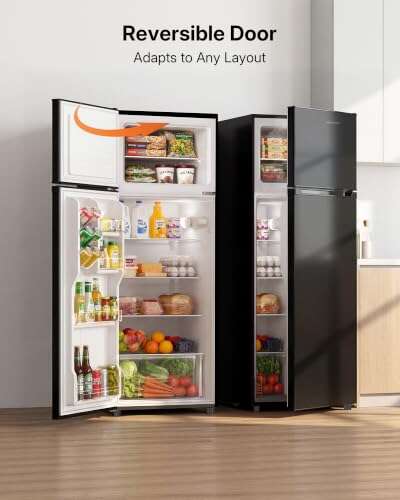
Yes. Most household refrigerators sold in the United States can be opened from the inside. Modern refrigerator doors usually close with a magnetic gasket, not a mechanical latch. If the door is pushed outward from inside, the magnetic seal should release.
Older refrigerators are different. Some older models used a rigid latch that could trap a person inside. That hazard led to U.S. safety rules requiring household refrigerator doors to open from the inside.
Never climb into a refrigerator to test this. A refrigerator is not a safe place for a person, child, or pet.

How a modern refrigerator door opens from the inside
A modern refrigerator door usually opens with outward pressure on the inner door panel or door edge. The flexible gasket creates a seal, while magnets hold the door against the cabinet.
The magnet helps keep cold air in, but it does not act like a locked latch. It should release when you push the door outward with your hand.
The easiest place to push is often:
- The inner surface near the door handle
- The side edge opposite the hinges
- A recessed grip built into the inside of the door
- The lower or upper corner, if the door has no clear grip
Do not pull on shelves or bins. They may break or slide out. Push on a solid part of the door instead.
Why the door can feel hard to open
A refrigerator door may need firm pressure for several reasons:
- The magnetic gasket is sealing tightly.
- The gasket is new, clean, or slightly stiff.
- The door is pressed shut by food or a shelf.
- A vacuum-like pressure difference formed after the door closed.
- The refrigerator has a door lock or child-lock setting.
- Ice, spilled food, or a damaged gasket is blocking the seal.
A short delay can help with pressure. Warm air enters when the door opens, and the pressure inside then equalizes. This is more common with freezers than with refrigerator compartments.
A good seal does not mean the door is mechanically locked. It means the gasket is doing its job.

Do all refrigerators open from the inside?
No. Most modern residential refrigerators do, but not every refrigerator is designed the same way.
The answer can change based on the refrigerator’s age, type, and use.
| Refrigerator type | Usually opens from inside? | Main concern |
|---|---|---|
| Modern full-size home refrigerator | Yes | Magnetic seal may need firm pressure |
| Modern top-freezer refrigerator | Yes | Freezer door may feel tighter |
| French-door refrigerator | Usually | Each door may need separate pressure |
| Compact or dorm refrigerator | Usually | Some models have a latch or lock |
| Older household refrigerator | Not always | Rigid latches can create an entrapment hazard |
| commercial refrigerator | Depends | Locks, latches, and safety releases vary |
| Display or beverage cooler | Depends | Some doors are designed to stay secured |
| Portable electric cooler | Depends | Latches are common |
| Outdoor or specialty refrigerator | Depends | Check the model manual |
A refrigerator intended for commercial, medical, laboratory, or outdoor use may have features that are not found on a standard home appliance. These can include keyed locks, sliding bolts, compression latches, or alarm systems.
If the appliance has a lock, do not assume that pushing harder will open it. Find the model number and read the manufacturer’s instructions.

Why old refrigerators could trap people
Older refrigerators often used a mechanical latch. When the door closed, the latch could remain engaged even if nobody was outside to release it.
That created a serious child-entrapment risk. Children could climb into an abandoned refrigerator, close the door, and become unable to escape.
The United States passed the Refrigerator Safety Act in the 1950s. The law addressed refrigerator doors and latches so that people could open them from inside. Modern household refrigerators generally use magnetic door seals rather than fixed latches for this reason.
The U.S. Consumer Product Safety Commission still warns people not to allow children to play in or around old refrigerators. An unplugged refrigerator can remain dangerous if its door, latch, or hinges still work.
What to do with an old refrigerator
Before disposal, storage, or donation:
- Empty the refrigerator completely.
- Unplug it.
- Remove the door, if local rules and the manufacturer allow it.
- If removing the door is not practical, make it impossible to close.
- Keep children away from the appliance until it is removed.
Do not simply leave an old refrigerator beside a road or in a garage with the door attached. Covering the appliance does not remove the risk.

How to check whether your refrigerator can open from inside
You can check the door design without entering the refrigerator.
Safe test
- Empty any items that block the door.
- Open the refrigerator normally.
- Look at the inner door panel.
- Find the handle, grip, or solid area opposite the hinges.
- Close the door gently, but do not latch or lock it.
- From outside, press the inner door area toward the outside.
- Confirm that the magnetic seal releases with reasonable pressure.
Do not ask a child to perform this test. Do not place a person or pet inside the appliance. The test only needs to show that the door can be pushed open from the outside while you simulate pressure on the inner panel.
If your refrigerator has a built-in interior release, inspect it without forcing or removing parts. The owner’s manual may call it an interior safety release, escape release, or emergency door opener.
Signs the door is designed to open from inside
Useful signs include:
- A soft, flexible rubber gasket around the door
- No metal latch that hooks into the cabinet
- A recessed inner grip
- A door that opens when pushed near its outer edge
- Product instructions that mention an interior release
- A safety label inside or near the door
The absence of an inside handle does not prove that the refrigerator is unsafe. Many modern doors open by pushing the inner panel or edge.

What to do if the refrigerator door will not open
If you are outside the refrigerator and the door will not open, check the simple causes first. Do not use a knife, screwdriver, pry bar, or other sharp tool near the gasket or electrical parts.
1. Check for a lock
Look for:
- A key cylinder
- A sliding lock
- A child-lock symbol
- A control-panel lock setting
- A latch under or beside the handle
Unlock the refrigerator according to the manual. Do not bypass a commercial or medical refrigerator lock without permission.
2. Check for items blocking the door
Food containers, shelves, and drawers can shift and press against the door. Apply gentle pressure inward first, then try opening the door again.
For a French-door refrigerator, open one door at a time. A container may be pressing against the center divider or the other door.
3. Wait briefly if it was just closed
If the door closed moments ago, wait 30 seconds to a few minutes and try again. Pressure inside the compartment may need time to equalize.
Do not keep pulling hard. Excess force can bend the door, tear the gasket, or damage the handle.
4. Inspect the gasket
Look for:
- Ice
- Dried food
- A folded gasket
- A torn gasket
- A magnet that has come loose
- A door that is sitting unevenly
Clean a dirty gasket with mild soap and water. Dry it well. Do not use sharp tools to remove ice. Turn off and defrost the appliance according to the manufacturer’s instructions.
5. Stop if the door or latch is damaged
Contact the manufacturer or a qualified appliance technician if:
- The handle moves but the door does not
- The door is locked and the key is missing
- The latch will not release
- The door is bent
- The gasket is torn
- The appliance is sparking, hot, or giving off a burning smell
Unplug the refrigerator only if you can do so safely and without touching wet electrical parts. Do not unplug a medical refrigerator or any unit holding temperature-sensitive medicine unless the responsible facility directs you to do so.

Can a child open a refrigerator from the inside?
A child may be able to open a modern refrigerator door from inside, but that does not make the refrigerator a safe play area.
Children can become trapped near the appliance, fall from an open door, or reach unsafe items. A child may also close a door that does not have a reliable inside release.
Keep children away from discarded, damaged, or commercial refrigerators. Store old appliances where children cannot enter them, and remove the door before disposal when possible.
For a refrigerator in active use:
- Keep small children out of the appliance area.
- Use the manufacturer’s child-lock feature if one exists.
- Do not use makeshift straps that prevent emergency opening.
- Keep magnets, cords, and small objects away from children.
- Repair damaged doors and latches promptly.
A child lock should prevent normal access from outside. It should not create an entrapment risk from inside. If you are unsure how a lock works, check the manual or contact the manufacturer.

Can you open a freezer from the inside?
Usually, yes, if the freezer is a modern residential model. The door may feel harder to open because cold air contracts and the gasket can form a stronger seal.
A freezer may also have:
- Ice around the gasket
- Frozen food blocking the door
- A thicker magnetic seal
- A lock for garage or commercial use
- A drawer design rather than a hinged door
Do not force a frozen door. Let the freezer warm naturally during a proper defrost cycle. Never use a flame, heat gun, boiling water, or sharp object to remove ice. These methods can damage the liner, wiring, refrigerant system, or gasket.
A chest freezer deserves extra care. Its lid may be heavy, and some models have a latch or lock. Never climb into a chest freezer, even for a quick test.

Does a refrigerator need an inside handle?
No. A refrigerator does not always need a separate inside handle to open from the inside.
Many residential refrigerators use a push-out design. The person inside would press the door panel or edge, and the magnetic seal would release.
An inside handle can make escape easier, but the key safety feature is the ability to release the door without a key, tool, or person outside.
If a refrigerator has a mechanical latch, lock, or compression seal, its operation may be different. Check the model’s instructions rather than relying only on the door’s appearance.

Common mistakes to avoid
The most dangerous mistake is treating a refrigerator like a harmless container. Even an unplugged unit can trap a child or pet.
Avoid these actions:
- Climbing inside to see whether the door opens
- Letting a child “try it out”
- Removing the gasket to make the door easier to open
- Forcing a locked door
- Using a knife or metal tool near the seal
- Heating a freezer with an open flame
- Leaving an old refrigerator with its door attached
- Blocking a working refrigerator door with a strap or cable
- Assuming every compact or commercial unit works like a home refrigerator
If your concern is an actual trapped person, call 911 in the United States immediately. Do not spend time searching for the manual or attempting a complicated repair.

Key takeaways
- Most modern U.S. household refrigerators can be opened from the inside.
- The door usually uses a magnetic gasket, not a fixed latch.
- Push on the solid inner door panel or edge, not on shelves or bins.
- Older refrigerators may be dangerous because of mechanical latches.
- Commercial, compact, specialty, and locked refrigerators may work differently.
- Never put a person, child, or pet inside a refrigerator to test it.
- Remove the door from an abandoned refrigerator, or make it impossible to close.
Frequently asked questions
Can you open a refrigerator from the inside without a handle?
Usually, yes. Push outward on the inner door panel or the edge opposite the hinges. The magnetic gasket should release. A separate interior handle is helpful but not required.
Can a refrigerator door lock you in?
A modern residential refrigerator normally should not lock a person inside. A refrigerator with a mechanical latch, keyed lock, sliding bolt, or commercial locking system may be different. Check the model before using or storing it.
Why is my refrigerator door hard to open right after closing?
The gasket may have formed a tight seal, or pressure inside the compartment may have changed. Wait briefly, then try again. Also check for food, ice, or a damaged gasket blocking the door.
Are old refrigerators dangerous?
Yes. An old refrigerator with a working door and latch can pose an entrapment risk, especially to children. Remove the door before disposal when possible, or prevent the door from closing.
Should I test my refrigerator by climbing inside?
No. Do not climb inside any refrigerator, freezer, or chest freezer. Test the door from outside, read the owner’s manual, or ask an appliance technician to inspect it.
Conclusion
For nearly all modern U.S. home refrigerators, the answer is yes: the door can be opened from inside by pushing against the door panel or edge. The main exception is a refrigerator with a lock, rigid latch, or specialty design.
If the appliance is old, abandoned, damaged, or used outside a normal home setting, treat it as a safety risk. Keep people and pets out, and have the door removed or the unit repaired by a qualified professional.

Appliance Review Expert
Lucas Ramirez is a trusted voice at HomeFixGrid.com, known for his clear, practical, and creatively written guides that simplify appliance care for everyday homeowners. With a strong focus on hands-on testing and real-world problem-solving, Lucas brings expert insight into appliance reviews and troubleshooting techniques. Her work empowers readers to confidently maintain, repair, and choose the right appliances for their homes.