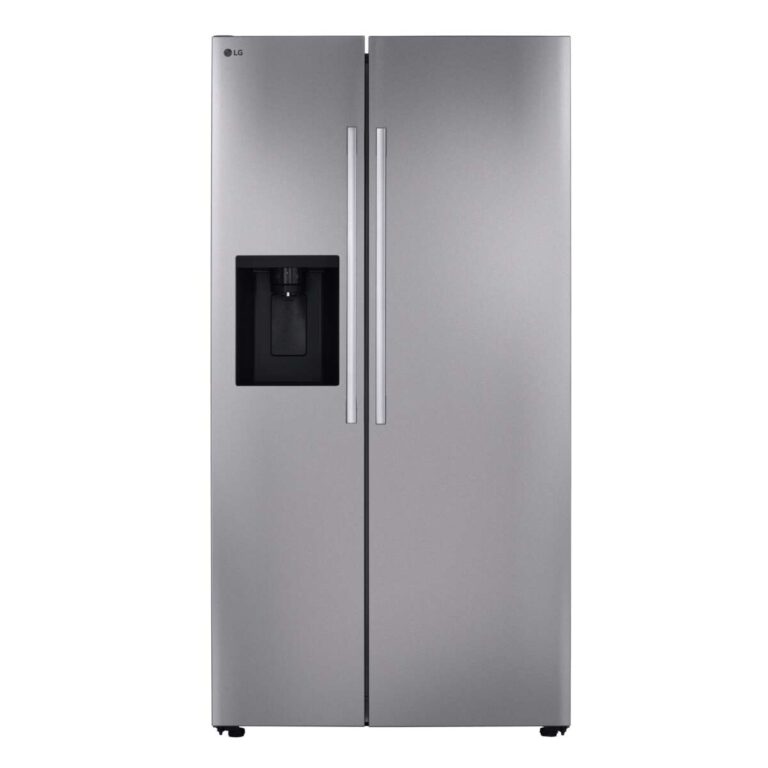
How Cold Is My Freezer: Ideal Temperature Guide
A home freezer in the United States should be set to 0°F (-18°C) or colder. That temperature keeps food frozen and helps preserve its quality. It also gives your freezer a safety buffer if the door opens often or the temperature rises for a short time.
The best way to know how cold your freezer is is to use a freezer thermometer. Do not rely on the dial setting, frost level, or how hard your ice cream feels.

What temperature should a freezer be?
The recommended freezer temperature is 0°F (-18°C). The U.S. Department of Agriculture (USDA) and the U.S. Food and Drug Administration (FDA) use 0°F as the standard storage temperature for frozen food.
Some freezers run a few degrees colder than 0°F. That is usually fine. A reading above 0°F does not always mean food is unsafe, but it can shorten storage life and reduce quality.
Use this simple guide:
| Freezer reading | What it means |
|---|---|
| 0°F or colder | Recommended setting |
| 1°F to 10°F | Food may stay frozen, but quality may decline faster |
| Above 10°F | Check the freezer soon |
| Above 32°F | Food may begin to soften or thaw |
| Above 40°F | Treat food as potentially unsafe if it stayed there for too long |
The 40°F limit matters because bacteria can grow quickly in the food safety danger zone between 40°F and 140°F. Frozen food that has thawed may no longer be safe, even if it later freezes again.
A freezer temperature of 0°F is a storage target, not a guarantee that every item stays at exactly 0°F. The air near the door may be warmer than the air near the back wall. Large items also take longer to freeze than small items.

How to check how cold your freezer is
Use a thermometer made for freezers, then leave it in place long enough to measure a stable temperature.
Follow these steps
-
Buy or use a freezer thermometer.
Choose a model designed to read below 32°F. A refrigerator thermometer may not show the full freezer range. -
Place it near the center of the freezer.
Put it between frozen packages, rather than next to the door, wall, vent, or ice maker. -
Keep the door closed for at least 24 hours.
Opening the door changes the air temperature and can give you a false reading. -
Read the thermometer before opening the door again.
If possible, check it at the same time each day for two or three days. -
Compare the result with 0°F.
If it reads 0°F or lower, the freezer is within the recommended range. -
Move the thermometer if needed.
A second reading near the front can show whether the door area is much warmer than the center.
A freezer thermometer measures the temperature where it sits. It does not measure every food item. A large roast in the center may remain frozen while a thin package near the door becomes soft.
Where should a freezer thermometer go?
The center of the freezer is a good starting point. After that, check warmer areas if you notice thawing:
- Near the front edge
- On the door shelves
- Beside the ice dispenser
- Near a warm air leak
- Near a blocked or weak air vent
Do not place a thermometer directly against the freezer wall. The wall may be colder than the food storage area and may produce a misleading reading.

Why your freezer temperature may change
Freezer temperature naturally changes as the compressor cycles on and off. A short rise is not always a problem. A steady rise, repeated thawing, or a temperature above 0°F for long periods needs attention.
Common causes include:
The door is opened often
Each opening lets warm, moist air inside. Frequent openings can raise the temperature and create frost.
Try to group items by type and keep common foods near the front. This reduces the time the door stays open.
The door does not seal well
A damaged or dirty gasket can let warm air enter. Close the door on a sheet of paper. If the paper slides out with little resistance, the seal may be weak.
Clean the gasket with mild soap and water. Do not use a sharp tool to remove frost or damage the seal.
The freezer is too full
A full freezer holds cold well, but packed food can block air vents. Cold air must circulate around the food.
Keep vents clear. Leave enough space for air to move between packages, especially around the back wall.
The freezer is nearly empty
A nearly empty freezer may warm faster when the door opens. Frozen containers or sealed bags of water can add thermal mass, but they should not block airflow.
The freezer has too much frost
A thick layer of frost can limit airflow and reduce cooling performance. Follow the owner’s manual for defrosting.
Never chip away frost with a knife, screwdriver, or other sharp object. You could puncture a refrigerant line or cause an electrical hazard.
The room is too warm
A freezer may struggle in a hot garage, porch, or utility room. Check the appliance manual for its approved room-temperature range.
Keep the freezer away from direct sunlight, ovens, dryers, and other heat sources. Leave the required clearance around the appliance.
The condenser needs cleaning
Some models have coils or a condenser area that collects dust. Dust can reduce heat release and make the compressor work harder.
Unplug the appliance before cleaning accessible coils, and follow the manual. Do not remove covers or work on sealed cooling parts yourself.

What to do if your freezer is not cold enough
Check the simple and safe causes first. Do not adjust parts behind service panels unless you are trained to do so.
If the freezer reads 1°F to 10°F
First, check the setting and confirm the reading with a freezer thermometer. Then:
- Make sure the door closes fully.
- Check the gasket for gaps.
- Clear food from air vents.
- Avoid adding a large amount of warm food at once.
- Check whether the freezer is in a very hot location.
- Give the appliance 24 hours after an adjustment.
A reading slightly above 0°F may not require repair if food remains solid and the temperature is stable. Still, a colder setting may be appropriate if the manual allows it.
If the freezer reads above 32°F
Food may be partly thawed. Move the thermometer to the center and check again after the door stays closed.
Look for:
- A door left open
- A failed door seal
- Heavy frost
- A blocked vent
- A power interruption
- A compressor that runs constantly
- Unusual clicking, buzzing, or silence
If the temperature does not fall after basic checks, contact the manufacturer or a qualified appliance technician.
If the freezer is completely warm
Keep the door closed. Every opening allows more heat inside.
Move food to another working freezer if you can do so safely. If the food still has ice crystals or is 40°F or colder, USDA guidance says it may be refrozen, although texture and quality can suffer. If food has been above 40°F for more than two hours, discard it. The limit is one hour when the surrounding temperature is above 90°F.
When in doubt, throw the food away. Do not taste food to decide whether it is safe.

How cold should a freezer be during a power outage?
Keep the freezer door shut during a power outage. A full freezer can usually stay cold longer than a partly full freezer, but the exact time depends on room temperature, food load, insulation, and how often the door opens.
The USDA says a full freezer may keep food safe for about 48 hours, while a half-full freezer may do so for about 24 hours, if the door remains closed. These are general guidance times, not guarantees.
When power returns, check the food:
- Food still has ice crystals: It may be safe to refreeze, though quality may decline.
- Food is 40°F or colder: It may be refrozen or cooked promptly.
- Food is above 40°F for more than two hours: Discard it.
- You do not know how warm it became: Use caution and discard high-risk food.
A refrigerator or freezer thermometer can help during an outage. Keep one inside the freezer so you can judge the temperature without guessing.

Does a cold freezer keep food safe forever?
No. A freezer at 0°F keeps food safe for a long time, but frozen food does not keep its best quality forever.
Freezing stops or greatly slows bacterial growth, but it does not destroy every microorganism. Once food thaws, bacteria can become active again.
Storage times depend on the food and packaging. USDA storage charts often list time ranges for best quality rather than a strict safety deadline when food stays continuously frozen.
For better quality:
- Wrap food tightly.
- Remove excess air from freezer bags.
- Use moisture-resistant packaging.
- Label food with the date.
- Store older items near the front.
- Avoid repeated thawing and refreezing.
- Keep the freezer at 0°F or below.
Freezer burn appears as dry, gray, or pale patches. It is usually a quality problem, not a safety problem. You can trim freezer-burned areas after thawing, but the food may taste dry or tough.

Why is my ice cream soft when the freezer is at 0°F?
Soft ice cream does not always prove that the freezer is too warm. Ice cream contains sugar, fat, and air, so it may stay softer than meat, vegetables, or ice cubes at the same temperature.
Check the thermometer before changing the setting. If the freezer is near 0°F and other foods are solid, the ice cream may simply have a soft texture.
If many foods are soft, check for a temperature problem. Also consider:
- Ice cream stored near the door
- A freezer that is too full
- A damaged container lid
- Repeated temperature changes
- A freezer that recently received a large load of food
Do not use ice cream texture as your only temperature test.

Should you set a freezer colder than 0°F?
Usually, no. A setting below 0°F may help create a small buffer, but it can use more electricity and may not solve a mechanical problem.
If food is thawing at a setting of 0°F, first confirm the actual temperature with a thermometer. A faulty thermostat, blocked vent, weak seal, or dirty condenser may be the real cause.
Follow the appliance manual when changing the control. Some freezer dials show numbers rather than degrees. On those models, a higher number may mean colder, but the exact meaning differs by brand.
Do not assume the coldest setting is best. It may increase energy use, dry food faster, or make some parts of the freezer colder than others.

Freezer temperature mistakes to avoid
Avoid these common mistakes when checking or adjusting freezer temperature:
- Trusting the control dial: The dial shows a setting, not the true internal temperature.
- Checking right after closing the door: The reading may not reflect stable operation.
- Putting the thermometer in the door: The door area is often warmer.
- Blocking air vents: This can create warm pockets.
- Adding hot food in large amounts: It can raise the freezer temperature.
- Opening the door during a power outage: This wastes stored cold air.
- Using touch as a test: Frozen food can feel hard even when the freezer is too warm.
- Using a kitchen thermometer outside its range: It may not read accurately below 32°F.
- Scraping frost with metal tools: This can damage the appliance or cause injury.
- Resetting the freezer repeatedly: Frequent resets can hide a failing part rather than fix it.
Temperature checks work best when the freezer has been closed, loaded normally, and allowed to stabilize.

Key takeaways
- Set a U.S. home freezer to 0°F (-18°C) or colder.
- Use a freezer thermometer to measure the actual temperature.
- Place the thermometer near the center and wait about 24 hours.
- Keep vents clear and make sure the door gasket seals.
- Do not judge freezer temperature by ice cream texture alone.
- During a power outage, keep the door closed.
- Refreeze food only when it still has ice crystals or is 40°F or colder.
- When food has been above 40°F too long, discard it.
Frequently asked questions
Is 10°F cold enough for a freezer?
Food may remain frozen at 10°F, but 0°F is the recommended target for home freezers. At 10°F, food quality may decline faster, and items near the door may soften during temperature swings.
Is 20°F cold enough for a freezer?
A freezer at 20°F is colder than the freezing point of water, but it is warmer than the recommended 0°F setting. Check the appliance, door seal, airflow, and thermometer. If the temperature stays near 20°F, the freezer may need service.
How long should I wait before checking a freezer temperature?
Wait at least 24 hours after placing a thermometer inside or changing the temperature setting. Keep the door closed during that time for a more useful reading.
Can I use a regular food thermometer in a freezer?
Only if the thermometer is designed and rated for temperatures below 32°F. Many instant-read food thermometers are not intended for long-term freezer monitoring.
What temperature should a refrigerator freezer combination be?
Set the freezer section to 0°F or colder and the refrigerator section to 40°F or colder. Use separate thermometers because the control setting may not show the actual temperature in either section.
When should I call an appliance technician?
Call for service if the freezer stays above 0°F after basic checks, food repeatedly thaws, the compressor runs without cooling, frost returns quickly, or you hear unusual sounds. Unplug the appliance if you smell burning, see damaged wiring, or notice other electrical hazards.
Your next step
Place a freezer thermometer in the center of the freezer, close the door, and check it after 24 hours. If the reading is above 0°F, check the door seal and air vents first. If it remains warm or food is thawing, protect the food and arrange qualified appliance service.
Sources
- USDA: Keep Food Safe! Food Safety Basics
- USDA: Keep Food Safe During an Emergency
- FDA: Refrigerator and Freezer Storage Chart
- USDA: Freezing and Food Safety

Appliance Review Expert
Lucas Ramirez is a trusted voice at HomeFixGrid.com, known for his clear, practical, and creatively written guides that simplify appliance care for everyday homeowners. With a strong focus on hands-on testing and real-world problem-solving, Lucas brings expert insight into appliance reviews and troubleshooting techniques. Her work empowers readers to confidently maintain, repair, and choose the right appliances for their homes.