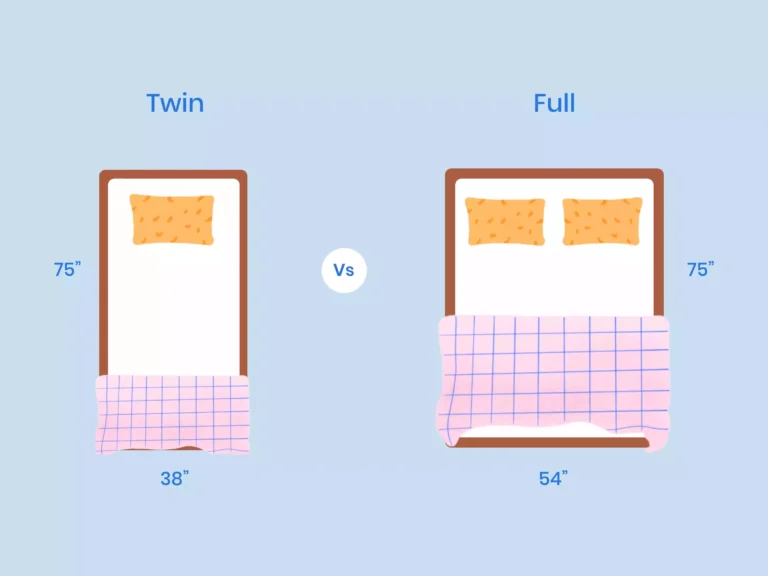
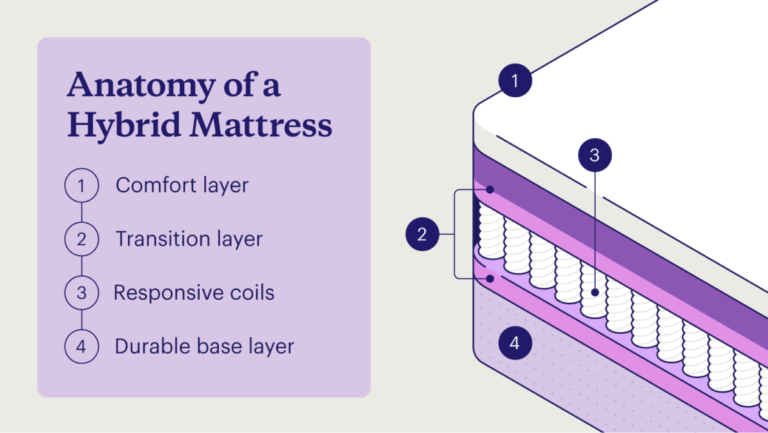
Best Mattress Firmness For Back And Side Sleepers: Guide
The best mattress firmness for back and side sleepers is usually medium to medium-firm, with strong support and gentle pressure relief.
You may wake with a sore lower back, a numb shoulder, or hips that feel as if they spent the night on a brick. That often means your mattress does not balance support and comfort well. Back sleepers need enough firmness to keep the spine level, while side sleepers need enough give to cushion the shoulders and hips. I reviewed these mattresses with that balance in mind, focusing on firmness, zoning, foam response, cooling, edge support, and value.
BedStory 14-Inch Medium-Firm Hybrid Mattress

The BedStory 14-inch hybrid mattress is a strong match for sleepers who want a balanced feel. Its medium-firm design supports the lower back without feeling hard under the shoulders. The hybrid build also gives it more bounce than an all-foam bed. That can help back sleepers move and change positions with less effort.
I especially like the zoned support idea for combination sleepers. A mattress with firmer support below the waist can help reduce the “hammock” feeling that causes the hips to sink too far. At the same time, the comfort layers offer space for a side sleeper’s shoulder and hip. For many people, this is close to the best mattress firmness for back and side sleepers.
Pros:
- Medium-firm feel suits many back and side sleepers
- Zoned support helps steady the lumbar area
- Hybrid design adds airflow and spring
- Good balance of pressure relief and support
- High profile makes getting in and out easier
- Useful choice for couples with mixed sleep styles
Cons:
- May feel too firm for very light side sleepers
- Hybrid springs can transfer some movement
- Needs time to fully expand after unboxing
Sweetnight CoolNest 14-Inch Memory Foam Mattress
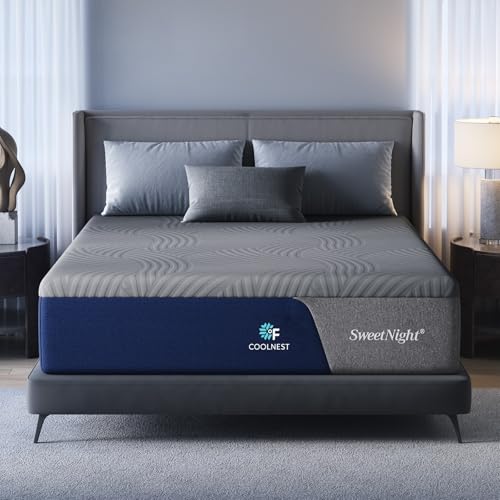
The Sweetnight CoolNest uses an all-foam design for sleepers who enjoy a quiet, close hug. Memory foam can spread pressure across the body rather than pressing on one small spot. That trait matters when your shoulder or hip takes most of your weight on its side. The 14-inch profile also gives the comfort layers room to cradle without making the bed feel thin.
This mattress may work well for side sleepers who want more cushioning than a traditional firm bed provides. It can also suit back sleepers who prefer a softer medium feel instead of a rigid surface. I would not call it the safest choice for every heavy sleeper, since soft foam may allow more sink. Still, it offers useful contouring for people who want the best mattress firmness for back and side sleepers with a plush touch.
Pros:
- Memory foam cushions shoulders and hips
- Quiet surface supports undisturbed sleep
- Cooling design may feel fresher than basic foam
- Thick profile offers a softer comfort experience
- Good motion isolation for couples
- Suitable for side sleepers who like a close hug
Cons:
- May feel too soft for some stomach sleepers
- Foam can make turning harder for some users
- May retain some heat compared with an open-spring bed
Sweetnight CoolNest 14-Inch Hybrid King Mattress

The CoolNest hybrid mattress combines a responsive coil base with a pillow-top comfort layer. That mix gives you some bounce beneath a softer upper surface. Side sleepers can settle into the top without losing all support underneath. Back sleepers may also like the way the coils help keep the pelvis from dropping too far.
I see this as a flexible pick for couples who do not share the same sleep position. The pillow top can soften pressure points, while the hybrid core keeps the mattress from feeling like a deep foam pit. Its cooling features may also help warm sleepers who dislike the still, dense feel of memory foam. For shoppers seeking the best mattress firmness for back and side sleepers, this design offers a comfortable middle path.
Pros:
- Pillow top eases pressure around shoulders and hips
- Coils provide responsive support for back sleepers
- Hybrid construction can improve airflow
- Balanced feel works for several sleep positions
- King size gives couples more personal space
- Spring response makes repositioning easier
Cons:
- Pillow top may soften over time
- Some motion may travel across the coil system
- Not ideal for shoppers seeking a very firm feel
EGOHOME 12-Inch Green Tea Memory Foam Mattress
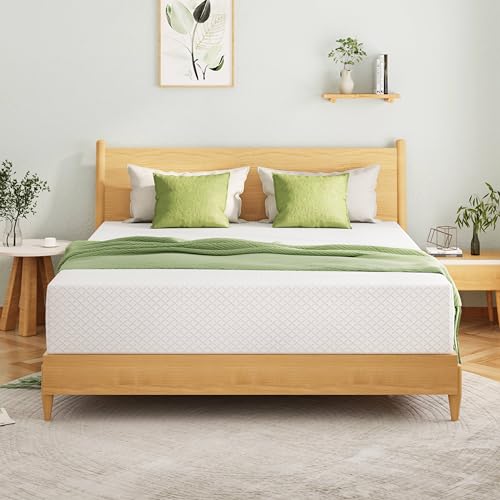
The EGOHOME Green Tea mattress takes a simpler all-foam approach. Its medium-firm feel aims to support the body while still allowing some contour. The foam can reduce small pressure points around the shoulders and hips. It also absorbs motion well, which is helpful when one partner gets up before the other.
This is a practical option for back sleepers who want steady support without coils. Side sleepers may find enough comfort if they weigh in the average range and prefer a balanced feel. Heavier side sleepers may need to check whether the surface allows enough shoulder travel. In my view, its medium-firm profile closely matches the best mattress firmness for back and side sleepers who like stable foam.
Pros:
- Medium-firm feel offers a balanced support level
- Foam reduces partner disturbance
- Contours to the body without spring noise
- Green tea treatment adds a fresh product touch
- 12-inch height works with many bed frames
- Often a practical value choice for foam fans
Cons:
- Less bounce than a hybrid mattress
- May sleep warmer than a coil-based model
- Some users may want more shoulder cushioning
Novilla Bliss 14-Inch Gel Memory Foam Mattress

The Novilla Bliss is built for sleepers who want a generous foam stack and a soft, quiet surface. Gel-infused foam may help manage heat better than basic dense foam, though no memory foam mattress stays cool for every body. Its thick design gives the upper layers room to form around the body. That can be helpful for side sleepers with sensitive hips or shoulders.
Back sleepers should pay close attention to how far the hips sink. A supportive feel is useful, but too much sink can pull the spine out of a neutral line. I would favor this mattress for back-and-side sleepers who want pressure relief and do not prefer a hard surface. It represents the softer side of the best mattress firmness for back and side sleepers.
Pros:
- Thick foam profile provides deep cushioning
- Gel foam may help moderate surface warmth
- Excellent motion isolation for couples
- Quiet when turning or getting out of bed
- Comfortable choice for pressure-sensitive side sleepers
- Soft contour can reduce contact pressure
Cons:
- May allow too much sink for heavier back sleepers
- Deep foam can make movement feel slower
- May not suit people who prefer a firm, lifted feel
UniPon 14-Inch Medium-Firm Hybrid Mattress

The UniPon hybrid focuses on medium-firm support, zoned lumbar reinforcement, and pressure relief. Those features make sense for sleepers who need a little more lift below the midsection. The hybrid core should also make the bed easier to move on than a slow memory foam mattress. Its larger 14-inch build gives the comfort system room to soften the feel above the support base.
Side sleepers may appreciate the pressure-relief design, especially if they dislike a flat, hard bed. Back sleepers can benefit from the extra lumbar focus when the rest of the body stays level. The long trial and warranty listed with this model may also reduce the risk of buying online. For many shoppers, this is one of the clearest examples of the best mattress firmness for back and side sleepers.
Pros:
- Medium-firm feel supports both back and side positions
- Zoned lumbar support helps limit midsection sink
- Hybrid coils improve movement and airflow
- Pressure-relief layers cushion common contact points
- Long trial period supports a more careful decision
- Fiberglass-free construction is a useful shopping detail
Cons:
- May feel firm to petite side sleepers
- Edge support can vary by sleeping position
- Hybrid motion transfer may bother very light sleepers
EGOHOME 14-Inch Medium-Firm King Mattress

This 14-inch EGOHOME mattress gives memory foam fans a taller comfort system than the 12-inch model. The added height may provide a more layered feel, with room for cushioning above the support core. Its medium-firm design aims to stop the body from sinking too deeply. That makes it a reasonable choice for back sleepers who still want foam comfort.
Side sleepers may enjoy the way the surface fills the gap between the waist and the mattress. That can help the spine stay more even instead of bending toward the bed. I would choose it over a very soft mattress for sleepers who want a grounded feel. As part of a search for the best mattress firmness for back and side sleepers, it offers a stable and familiar starting point.
Pros:
- 14-inch profile offers layered foam comfort
- Medium-firm support suits many back sleepers
- Foam absorbs movement across the surface
- Supports side sleepers without spring pressure
- Quiet construction works well in shared rooms
- Useful height for deep-pocket sheets
Cons:
- May feel too slow for active sleepers
- Foam can hold warmth in some bedrooms
- Taller mattress may need careful frame measurements
Niagara Sleep Solution Ultra-Soft Mattress Topper

The Niagara Sleep Solution is a mattress topper rather than a complete mattress. That distinction matters. It can change the feel of a mattress that is too firm, but it cannot repair a weak or sagging support core. Its ultra-soft surface may be useful for side sleepers whose shoulders and hips need more cushion.
I would use this topper as a comfort adjustment, not as a full solution for poor spinal support. A back sleeper with a firm, healthy mattress may enjoy the added softness, while a sleeper on an already soft bed could sink too far. It is a low-cost way to test a softer version of the best mattress firmness for back and side sleepers before replacing the entire bed.
Pros:
- Softens a mattress that feels too hard
- May reduce shoulder and hip pressure
- Costs less than replacing a full mattress
- Simple option for guest rooms or rentals
- Can help test a softer sleep feel
- Useful for side sleepers with firm beds
Cons:
- Cannot correct a sagging mattress
- May reduce support for heavier back sleepers
- Ultra-soft feel may not suit everyone
Nectar Premier 13-Inch Medium-Firm Mattress

The Nectar Premier is a medium-firm memory foam mattress made for sleepers who want pressure relief without a strongly plush feel. Its foam surface can contour around the shoulders and hips. The all-foam build also limits the small shakes that travel through many spring beds. That makes it appealing for couples with different schedules.
The one-year trial listed for this model is a helpful feature because firmness is personal. Your weight, frame, sleep position, and room temperature all change how a mattress feels. I would consider this mattress for back sleepers who want a balanced cushion and side sleepers who need steady contouring. It fits the common target for the best mattress firmness for back and side sleepers: supportive, but not board-like.
Pros:
- Medium-firm feel works for many sleep positions
- Memory foam cushions pressure points
- Strong motion isolation suits couples
- Quiet surface supports light sleepers
- Long trial gives time to assess comfort
- Good fit for people who dislike spring bounce
Cons:
- May feel warm to some sleepers
- Less responsive than a hybrid mattress
- Side sleepers over a higher weight may need more room to sink
My Recommendation
After comparing these choices, I would start with a medium to medium-firm mattress for most back and side sleepers. That range usually gives the lower back enough support while allowing the shoulders and hips to settle. The exact feel still depends on body weight and personal taste. A lighter side sleeper may need a softer comfort layer, while a heavier back sleeper may need a firmer support core.
| Best for | Why |
|---|---|
| Back and side sleepers | The BedStory and UniPon models offer medium-firm support with pressure relief and zoned support. |
| Side sleepers who prefer softness | The Sweetnight CoolNest foam, Novilla Bliss, and Niagara topper provide deeper cushioning. |
| Couples and combination sleepers | The Sweetnight hybrid, Nectar Premier, and EGOHOME models balance motion control, support, and comfort. |
For the best mattress firmness for back and side sleepers, my leading all-around choices are the BedStory and UniPon hybrids. They offer the most useful mix of lift, cushioning, airflow, and easy movement. I would choose Nectar or EGOHOME for quiet foam comfort, and Sweetnight or Novilla for a softer feel. Check the current Amazon listing for size, price, shipping, trial terms, and stock before ordering.
How to Choose the Best Mattress Firmness for Back and Side Sleepers
Firmness is not the same as support. A very firm mattress can still lack support if it develops a dip. A softer mattress can still support you if it keeps your spine in a neutral line. I always judge both the surface feel and the deeper support core.
Most mattress brands use a firmness scale from 1 to 10. A level of 1 feels extremely soft, while 10 feels extremely firm. In practice, brand ratings are not fully consistent. One company’s medium may feel like another company’s medium-firm. That is why materials, body weight, and sleep position matter more than the number alone.
Why Medium-Firm Often Works Best
Medium-firm mattresses often land around the middle of the firmness scale. They can cushion the upper body while keeping the pelvis from sinking too low. This balance explains why many sleepers consider medium-firm the best mattress firmness for back and side sleepers.
Back sleepers need a surface that supports the natural curve of the lower spine. If the mattress is too soft, the hips may drop below the chest. If it is too firm, the lower back may not receive enough contact. Both problems can create morning stiffness.
Side sleepers face a different challenge. The shoulder and hip press into the bed, so the mattress must allow some compression. If the surface is too firm, those areas may carry too much load. If it is too soft, the waist may dip and twist the spine.
Firmness by Body Weight
Body weight changes how far you sink into a mattress. A lighter person may experience a firm mattress as extra hard because the comfort layers do not compress much. A heavier person may experience the same mattress as softer because more force reaches the foam and springs.
- Light sleepers: Often do well with medium or medium-soft comfort layers, especially when sleeping on the side.
- Average-weight sleepers: Usually have the widest range of choices, from medium to medium-firm.
- Heavier sleepers: Often need firmer base support, strong edges, and enough thickness to prevent bottoming out.
If you share a bed, focus on the needs of the heavier sleeper first, but do not ignore pressure relief. A hybrid with zoned support can help couples find a middle ground. A topper can also change surface comfort, though it cannot replace a supportive core.
What Back Sleepers Should Look For
Back sleepers should look for even support from the shoulders to the hips. The mattress should not create a sharp pressure ridge beneath the lower back. Nor should the hips sink into a deep bowl. A medium-firm hybrid or dense foam mattress often works well.
Zoned support can help because different body areas need different levels of resistance. A slightly firmer center zone may support the pelvis and lumbar area. Softer areas near the shoulders may improve comfort. Still, zoning is not magic. The design must match your body and sleep position.
What Side Sleepers Should Look For
Side sleepers should pay close attention to pressure relief. When you lie on your side, your shoulder and hip become the main contact points. A comfort layer that slowly molds around these areas can reduce sharp pressure. A mattress that feels firm in a showroom may feel harsh after several hours on your side.
Side sleepers also need enough support under the waist. If the waist remains unsupported, the spine can bend toward the mattress. A mattress with moderate contour and a stable base often gives the best result. This is why the best mattress firmness for back and side sleepers often sits between soft and firm.
Memory Foam Versus Hybrid Construction
Memory foam provides close contouring and strong motion isolation. It can feel calm and smooth, like lying in a shallow nest. However, deep foam may hold heat and make turning harder. Some sleepers also dislike the feeling of being surrounded by the mattress.
Hybrid mattresses use foam over coils. They usually offer more bounce, easier movement, and better airflow. They may also provide stronger edge support. The trade-off is that coils can transfer more motion and may create a firmer first impression.
Neither design is automatically better. If pressure relief and silence matter most, memory foam may be the better fit. If airflow, movement, and support matter most, a hybrid may be the smarter choice. Both can deliver the best mattress firmness for back and side sleepers when the layers work together.
How to Test a Mattress at Home
Give your body time to adjust. A new mattress can feel different during the first few nights because your old bed shaped your sleep habits. Many foam mattresses also need time to expand and release a mild new-product odor. Follow the maker’s setup instructions and allow proper ventilation.
When testing the mattress, notice how you feel when you wake up, not only how it feels at bedtime. Ask whether your lower back feels supported. Check for shoulder numbness, hip pressure, or a sinking sensation. Also notice whether you can roll over without fighting the mattress.
A trial period has real value. Use a protector, keep the bed clean, and check the return rules before purchase. Some policies require a minimum number of nights or specific packaging steps. Product pages can change, so confirm the current terms at checkout.
Mattress Thickness and Base Support
Thickness alone does not prove quality. A tall mattress can still have weak comfort layers or poor edge support. A shorter mattress can work well if it uses durable materials and a sound support core. Look at the layer design, not just the inch count.
Your foundation also matters. A weak or bowed base can make a good mattress feel soft and uneven. Use the type of frame the manufacturer allows. Check slat spacing and center support, especially for queen and king sizes.
For heavier sleepers, a thicker mattress with firm coils may offer better long-term stability. For lighter side sleepers, a thick comfort layer may improve pressure relief. These details help narrow the best mattress firmness for back and side sleepers to a more personal match.
Cooling Features Worth Considering
Cooling labels can sound impressive, but no single feature guarantees a cool night. Gel foam may help absorb or spread heat for a time. Open-cell foam can improve airflow through the material. Coils usually create more open space than dense foam.
Your sheets, mattress protector, room temperature, and sleepwear also affect heat. Breathable cotton or wool layers may feel cooler than thick synthetic bedding. If you sleep hot, a hybrid is often a safer starting point than very dense, deep memory foam.
Edge Support and Partner Use
Strong edges make a bed feel larger. They help when you sit down, stand up, or sleep close to the side. Edge support also lets couples use more of the mattress surface. This feature matters even more in a smaller queen bed.
Hybrid mattresses often perform well in this area because their coil systems can reinforce the perimeter. All-foam models vary widely. If edge support matters to you, read the product details and pay attention to user feedback about sitting and sleeping near the edge.
Can a Mattress Help With Back Pain?
A mattress cannot diagnose or treat a medical condition. It can, however, affect sleep posture and pressure comfort. Research on mattress firmness often points to medium-firm surfaces as a useful starting point for people with nonspecific lower-back discomfort. Individual results still vary.
If pain is severe, new, persistent, or linked to numbness or weakness, speak with a qualified health professional. A mattress review can help with shopping, but it cannot replace medical advice. Good sleep also depends on posture, activity, stress, and overall health.
FAQs Of best mattress firmness for back and side sleepers
What is the best mattress firmness for back and side sleepers?
Medium to medium-firm is the best starting range for most back and side sleepers. It supports the hips and lower back while allowing the shoulders and hips to sink slightly. Your body weight and comfort preference may call for a softer or firmer option.
Is a firm mattress better for back pain?
Not always. An overly firm mattress can create pressure beneath the shoulders and hips. A medium-firm mattress often gives a better balance, but ongoing or severe pain needs professional attention.
Should side sleepers choose a soft mattress?
Side sleepers need pressure relief, but very soft is not always best. A medium or medium-soft comfort layer can cushion the shoulder while the base keeps the spine level. Heavy side sleepers often need firmer support beneath the softer top.
Is memory foam or hybrid better for back and side sleepers?
Memory foam usually gives deeper contour and better motion control. A hybrid often gives more bounce, airflow, and edge support. Choose foam for a quiet hug or a hybrid for easier movement and a more lifted feel.
Can a mattress topper change firmness?
Yes. A soft topper can make a firm mattress feel more cushioned. A topper cannot fix sagging or weak support, and a thick soft topper may cause too much sink for some back sleepers.
Final Verdict: Which Should You Buy?
I recommend the BedStory or UniPon hybrid for most shoppers. Both offer the best mattress firmness for back and side sleepers, with useful support and pressure relief. Choose Nectar or EGOHOME for quiet foam comfort.
Match firmness to your weight, sleep position, and pressure points. A balanced medium-firm mattress is often the safest place to start when shopping for restful, supportive sleep in 2026.

Appliance Review Expert
Lucas Ramirez is a trusted voice at HomeFixGrid.com, known for his clear, practical, and creatively written guides that simplify appliance care for everyday homeowners. With a strong focus on hands-on testing and real-world problem-solving, Lucas brings expert insight into appliance reviews and troubleshooting techniques. Her work empowers readers to confidently maintain, repair, and choose the right appliances for their homes.