
Can Fish Sticks Be Microwaved: Safe Cooking Guide
Yes, you can microwave fish sticks in the United States. A microwave is quick and safe when you follow the package directions, arrange the fish sticks in one layer, and heat them until they are hot all the way through.
The main drawback is texture. Microwaved fish sticks often have a soft, less crisp coating. An oven, toaster oven, or air fryer gives better crunch. Still, the microwave works well when speed matters or when you do not have access to another appliance.

Are Fish Sticks Safe to Microwave?
Most frozen fish sticks sold in U.S. grocery stores can be microwaved if the package lists microwave directions. These products are usually breaded, portioned pieces of cooked or partially cooked fish that must be heated according to the label.


Check the package before cooking. Some brands are designed for oven or air-fryer use only. If the package does not give microwave instructions, the product may heat unevenly or develop a poor texture.
Follow these basic rules:
- Remove all plastic wrapping.
- Do not microwave a metal tray or foil liner.
- Place the fish sticks on a microwave-safe plate.
- Heat only the amount you plan to eat.
- Turn or rearrange the fish sticks during cooking when possible.
- Let them stand briefly before eating.
- Make sure the center is hot, not cold or icy.
For food safety, use the cooking temperature listed on the package. If no temperature is given, heat the fish sticks until they are steaming hot throughout. A food thermometer can help you check the thickest part. The USDA advises reheating leftovers to 165°F, while FDA seafood guidance generally lists 145°F as the safe minimum for many fully cooked fish preparations. Packaged frozen foods may use their own validated heating instructions, so the label should come first.

How to Microwave Fish Sticks
The best microwave method is short heating in stages. This reduces cold centers and limits soggy breading.
Step-by-step method
-
Read the package directions.
Use the listed microwave power and time when available. -
Remove the fish sticks from all packaging.
Never leave plastic film, cardboard sleeves, or foil in the microwave unless the package clearly says the material is microwave-safe. -
Place the fish sticks in one layer.
Leave a little space between each piece. Do not stack them. -
Cover them loosely if needed.
A microwave-safe cover can reduce splatter. Do not seal the cover tightly. -
Microwave on high power.
Start with the package time. If there are no directions, begin with a short interval rather than cooking for several minutes at once. -
Turn or rotate the fish sticks halfway through.
This helps reduce uneven heating, especially in microwaves without a turntable. -
Check the center.
Cut open the thickest piece. It should be hot and fully heated, with no frozen center. -
Add short bursts of heat if needed.
Continue in 15- to 30-second intervals until done. -
Let them stand for about one minute.
Heat continues to spread after the microwave stops.


General microwave timing guide
The exact time depends on the number of fish sticks, their size, whether they are frozen, and your microwave’s wattage. Use this table as a starting point only.
| Amount | Starting time in a 1,000-watt microwave | What to do |
|---|---|---|
| 1 to 2 frozen fish sticks | 1 to 2 minutes | Turn halfway and check the center |
| 3 to 4 frozen fish sticks | 2 to 3 minutes | Arrange in one layer and rotate if needed |
| 5 to 6 frozen fish sticks | 3 to 4 minutes | Heat in stages and check more than one piece |
| Refrigerated, already cooked fish sticks | 30 to 90 seconds | Use short bursts to avoid drying them out |
These times are not a substitute for the package label. A 700-watt microwave may need more time than a 1,200-watt model. If your microwave heats food unevenly, use lower amounts and longer pauses.

How to Keep Microwaved Fish Sticks From Getting Soggy
Microwaves heat moisture inside food. That moisture turns to steam and softens the breaded coating. You can reduce the problem, but you usually cannot make microwave fish sticks as crisp as oven-baked ones.
Try these tips:
- Use a microwave crisper tray if the product instructions allow it.
- Place the fish sticks on a rack made for microwave use.
- Avoid covering them tightly.
- Do not overcrowd the plate.
- Let steam escape for a short time after cooking.
- Finish them in a toaster oven or air fryer if you want a crisp crust.
A two-step method can work well. Microwave the fish sticks until the center is hot, then place them in a toaster oven or air fryer for a few minutes. Use the second appliance’s instructions, and watch the coating closely because it can brown fast.
Do not use a metal rack, crisper tray, or browning plate unless it is specifically labeled for microwave use and your appliance manual allows it. Metal can cause arcing and damage the oven.
Microwave vs. Oven, Air Fryer, and Toaster Oven
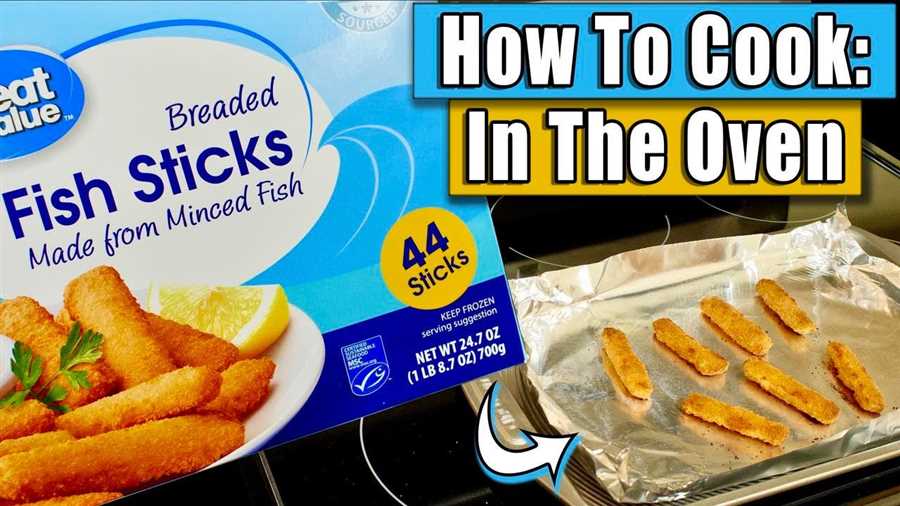
The microwave is the fastest option, but it usually gives the softest coating.
| Cooking method | Main benefit | Common drawback |
|---|---|---|
| Microwave | Fast and convenient | Soft breading and uneven heating |
| Conventional oven | More even heat and a better crust | Takes longer to preheat and cook |
| Toaster oven | Crisp results for small portions | Requires more time than a microwave |
| Air fryer | Fast, crisp coating | Needs counter space and may cook unevenly if crowded |
Choose the microwave when speed matters most. Choose an oven, toaster oven, or air fryer when texture matters more.
An air fryer does not need oil for most frozen fish sticks. Arrange the pieces in one layer and use the temperature and time on the package when available. The fish sticks may cook faster in a small air fryer than in a full-size oven, so check them early.


Common Problems and How to Fix Them
The fish sticks are cold in the middle
The pieces may be crowded, too thick for the cooking time, or heated in a low-wattage microwave.
Fix: Separate the fish sticks, rotate the plate, and heat in 15- to 30-second bursts. Check the thickest piece before serving.
The coating is wet or rubbery
Steam has collected around the breading. This is a normal microwave effect.
Fix: Use a microwave-safe rack or crisper tray, avoid tight covering, and leave space between pieces. For a crisp finish, transfer the fish sticks to an oven, toaster oven, or air fryer.
The fish sticks are dry
They may have been overcooked or reheated more than once.
Fix: Use shorter heating intervals. Stop as soon as the center is hot. A loose cover may help prevent excessive moisture loss.
The fish smells unusually strong
A mild seafood smell can be normal, but a sour, ammonia-like, or rotten odor is not.
Fix: Do not eat fish sticks with an abnormal odor, damaged packaging, freezer burn that affects quality, or signs of spoilage. When in doubt, discard them.
The microwave sparks
Metal, foil, a metallic trim on the plate, or a damaged microwave interior may cause sparks.
Fix: Stop the microwave at once. Remove metal only after the appliance stops and the item is safe to handle. Never continue heating food in a container that causes arcing.
Food Safety Rules for Fish Sticks
Microwaving does not make mishandled food safe. Start with fish sticks that have stayed properly frozen or refrigerated and that are within the package’s use-by guidance.
Keep these safety limits in mind:
- Do not eat fish sticks that were left at room temperature for more than two hours.
- Reduce that limit to one hour when the room is above 90°F.
- Do not thaw fish sticks on the counter.
- Refrigerate leftovers within two hours.
- Reheat leftovers only once when practical.
- Discard food that smells spoiled or has an unusual texture.
- Wash your hands and clean plates that held raw or partially cooked food.
- Do not rely on color alone to judge safety.
Frozen fish sticks can look done on the outside while remaining cold inside. The center is the key place to check. If you are serving young children, older adults, pregnant people, or anyone with a weakened immune system, take extra care to follow the package directions and heat the product completely.


Can You Microwave Thawed Fish Sticks?
Yes, thawed fish sticks can usually be microwaved, but they may cook faster and become softer than frozen ones. Keep them refrigerated until you are ready to heat them.
Use short intervals and check the center often. If the fish sticks were thawed in the refrigerator, cook or reheat them within the time stated on the package or within a safe refrigerator-storage period. If they were thawed on the counter, do not eat them if they have been at room temperature too long.
Do not microwave fish sticks while they are still inside a sealed package. Steam can build up and cause the package to split or burst.
Can You Reheat Cooked Fish Sticks in the Microwave?
Yes. Refrigerated cooked fish sticks can be reheated in the microwave. Use a microwave-safe plate and heat them in short bursts until the center is hot.
A loose cover can help keep the fish from drying out. However, it also creates steam, so the coating may soften. For the best texture, reheat cooked fish sticks in an oven, toaster oven, or air fryer.

Frequently Asked Questions
Can you microwave frozen fish sticks without thawing them?
Yes, if the package gives microwave directions. Cooking them from frozen is often safer and easier because thawed fish sticks can become wet and fragile. Use the label’s time, then check the center before serving.
How long do you microwave fish sticks?
There is no single time for every product. In a 1,000-watt microwave, one or two frozen fish sticks may take about one to two minutes, while several may take three to four minutes. Brand directions, piece size, and microwave wattage can change the result.
Can you microwave fish sticks in their box?
Only if the package specifically says the box is microwave-safe. Remove any foil, plastic film, or metal parts. When the instructions are unclear, use a plain microwave-safe plate.
Why do fish sticks explode in the microwave?
Steam can build up inside the fish or breaded coating. Heating for too long can make the coating split. Short intervals, a loose cover, and a brief standing time can reduce this problem.
Are microwaved fish sticks healthy?
Microwaving does not add frying oil, so it may use less added fat than pan-frying. The nutritional value still depends on the fish stick’s ingredients, breading, sodium, and serving size. Check the Nutrition Facts label for the product you buy.
Key Takeaways
- Yes, fish sticks can be microwaved when the package allows it.
- Use a microwave-safe plate and arrange the pieces in one layer.
- Heat in short stages and check the thickest piece.
- Follow the package instructions before using general timing estimates.
- Microwaving is fast, but it usually makes the coating soft.
- Use an oven, toaster oven, or air fryer when you want a crisp finish.
- Discard fish sticks that were left out too long or smell spoiled.
Conclusion
Microwaving fish sticks is a safe and practical choice when you follow the package directions and heat the center fully. The trade-off is texture: the coating will usually be softer than it would be after oven or air-fryer cooking.
For the fastest meal, microwave a small batch in one layer and check it in short intervals. For crisp breading, choose an oven, toaster oven, or air fryer instead.

Appliance Review Expert
Lucas Ramirez is a trusted voice at HomeFixGrid.com, known for his clear, practical, and creatively written guides that simplify appliance care for everyday homeowners. With a strong focus on hands-on testing and real-world problem-solving, Lucas brings expert insight into appliance reviews and troubleshooting techniques. Her work empowers readers to confidently maintain, repair, and choose the right appliances for their homes.