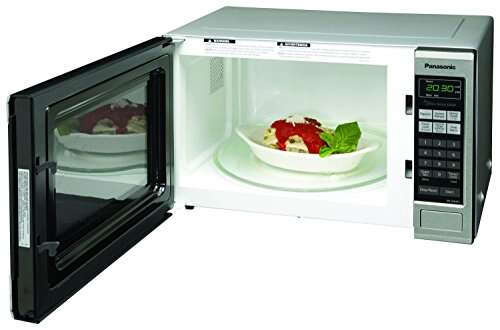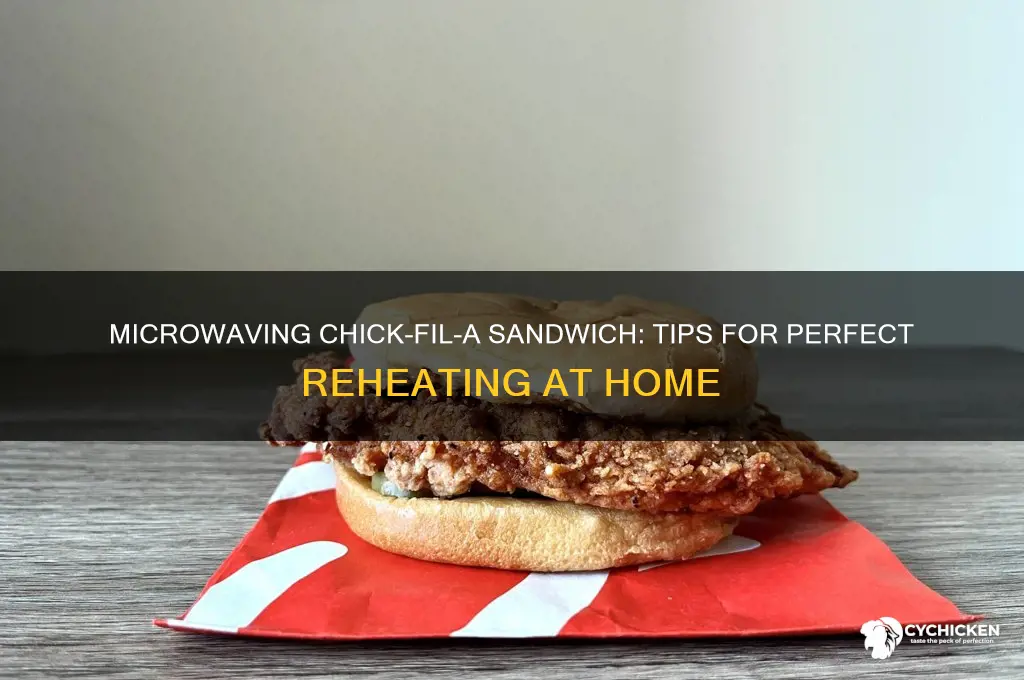
Can You Microwave A Chick Fil A Sandwich Bag: Safe Tips
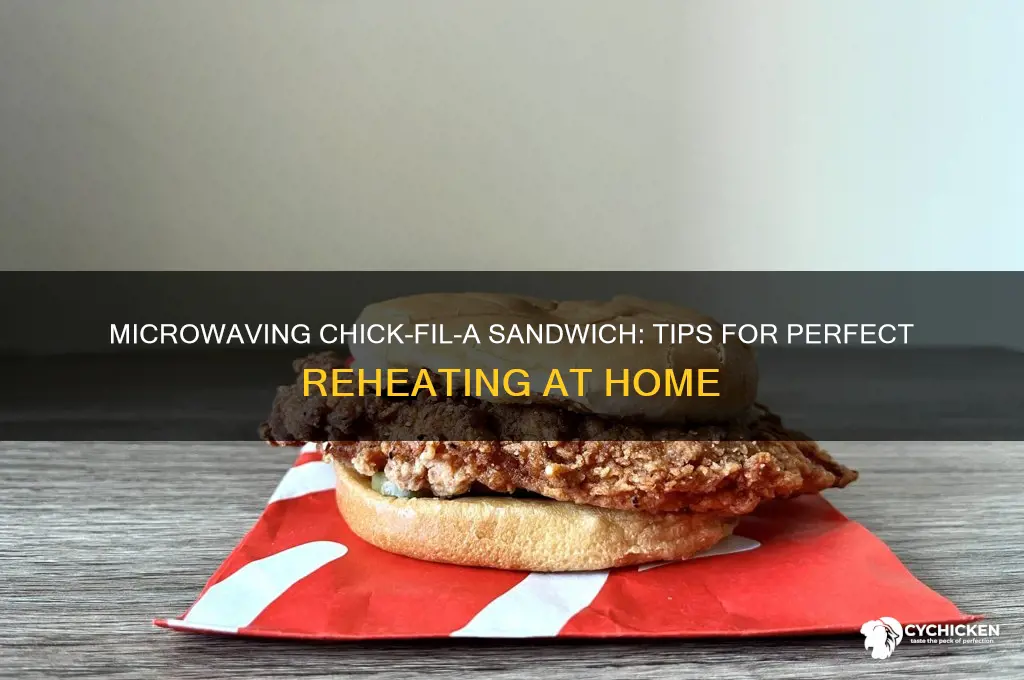
No. Do not microwave a Chick-fil-A sandwich while it is still inside its paper bag or wrapper. In the United States, Chick-fil-A packaging is not generally labeled as microwave-safe, and paper bags may contain ink, glue, coatings, or other materials that can heat unevenly or catch fire.
To reheat your sandwich, remove it from the bag, take off cold toppings, and place the chicken and bun on a microwave-safe plate. Heat it in short bursts, then check that the chicken is hot all the way through.
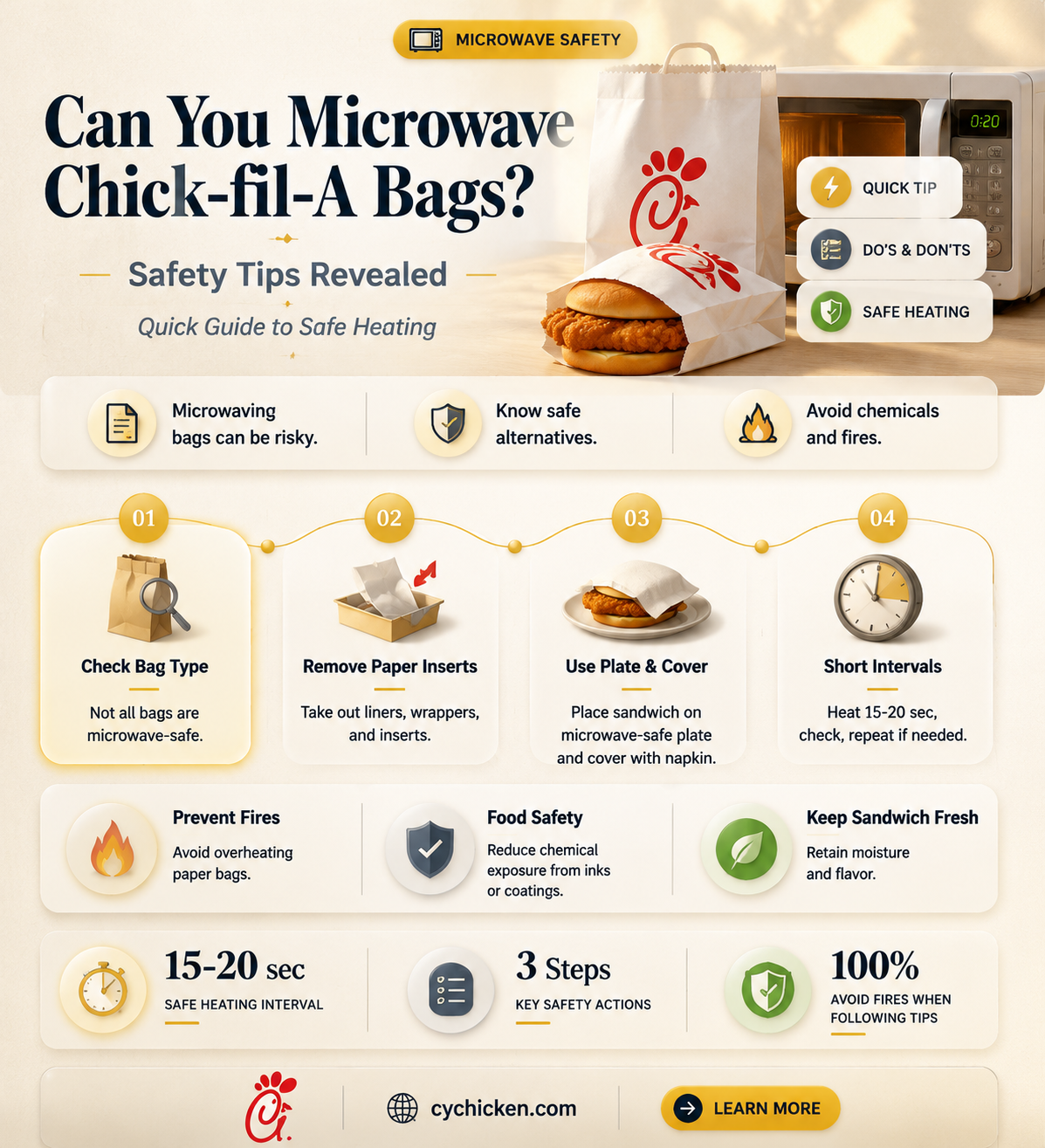
Why You Should Not Microwave the Chick-fil-A Bag
The main risk is not the paper alone. The risk comes from the bag’s full construction.
A restaurant bag may include:
- Printed ink
- Glue or adhesive
- Moisture-resistant coatings
- Handles or folded seams
- A waxed or treated inner surface
- Small pieces of plastic or foil in the packaging
These parts may not be designed for microwave heat. A bag can become very hot, scorch, smoke, or ignite. Even if it does not catch fire, it may transfer unwanted material to the food.
The U.S. Food and Drug Administration advises using cookware and containers made for microwave use. The U.S. Department of Agriculture also warns against heating food in brown paper bags and other packaging that is not intended for microwave cooking. A Chick-fil-A bag should be treated as non-microwave-safe unless it clearly says otherwise.
A paper bag also does not heat the sandwich better. The microwave heats the food’s moisture, not the bag. Keeping the sandwich in the bag can trap steam and make the bun soft while leaving the center of the chicken less evenly heated.

How to Reheat a Chick-fil-A Sandwich Safely
Use a microwave-safe plate and heat the sandwich without its restaurant packaging.
Step 1: Remove the sandwich from the bag
Take the sandwich out of the paper bag or wrapper. Do not place the bag on the microwave turntable, even for a short time.
If the sandwich has a foil wrapper or any shiny metallic material, remove that as well. Metal can cause sparks and may damage the microwave.
Step 2: Remove cold toppings
Take off toppings that do not reheat well, such as:
- Lettuce
- Tomato
- Pickles
- Cheese, if you want to prevent it from becoming oily
- Mayonnaise or other cold sauces
Set these aside and add them back after heating. Lettuce can wilt, pickles can become limp, and sauces may separate.
Step 3: Separate the bun if practical
For a more even result, separate the bun from the chicken. Place the chicken on a microwave-safe plate and keep the bun beside it.
You can wrap the chicken loosely in a damp paper towel labeled microwave-safe. This can help reduce drying. Do not use a paper towel with metallic decoration, glitter, or unknown coatings.
Step 4: Heat in short intervals
Microwave the chicken and bun at medium or high power for about 15 to 20 seconds at a time. Check the food after each interval.
The exact time depends on:
- How cold the sandwich is
- The size of the chicken fillet
- Your microwave’s wattage
- Whether the sandwich came from a refrigerator
– Whether the bun and chicken are heated together
Turn or rearrange the food between intervals if your microwave heats unevenly. Short bursts help prevent a hard bun and overheated edges.
Step 5: Check the center
The chicken should be hot in the middle, not just warm on the outside. If you use a food thermometer, place it in the thickest part of the chicken. USDA guidance for reheated leftovers is 165°F.
If the sandwich was left at room temperature for more than two hours—or more than one hour when temperatures were above 90°F—reheating may not make it safe. In that case, discard it rather than trying to rescue it in the microwave.
Step 6: Reassemble the sandwich
Let the chicken rest for about 30 seconds. Then put the sandwich back together with the lettuce, pickles, sauce, and other toppings.
The microwave will warm the sandwich, but it will not restore the crisp texture of freshly fried chicken. An oven, toaster oven, or air fryer usually gives a better texture, provided the sandwich is removed from all restaurant packaging first.

Microwave Timing Guide
The following times are practical starting points, not fixed Chick-fil-A instructions. Microwave power and sandwich temperature vary.
| Sandwich condition | Starting method | What to check |
|---|---|---|
| Room-temperature sandwich | 10–15 seconds | Warm center and bun |
| Refrigerated sandwich | 15–20 seconds, repeated | Chicken is hot throughout |
| Chicken separated from bun | 15–20 seconds | Center reaches a safe temperature |
| Frozen sandwich | Thaw first, then heat | Avoid a cold center and hard edges |
Do not run the microwave for several minutes at once. Long heating can make the bread tough and the chicken rubbery. It can also create very hot spots.
If the chicken is hot but the bun is dry, heat the bun separately for less time. If the bun is warm but the chicken is cold, continue heating the chicken in short intervals.
Microwave Versus Oven, Toaster Oven, and Air Fryer
A microwave is the fastest option, but it is not always the best option for texture.
| Method | Main benefit | Main drawback |
|---|---|---|
| Microwave | Fast and convenient | Can soften the bread and coating |
| Oven | More even heating | Takes longer |
| Toaster oven | Better crust and bun texture | Requires more setup |
| Air fryer | Can restore some crispness | May dry the chicken if overheated |
For a microwave, remove the bag and toppings first. For an oven, toaster oven, or air fryer, remove every piece of paper, plastic, foil, and wrapper before heating.
A general oven method is to place the chicken and bun on a baking sheet and warm them at a moderate temperature until heated through. Because ovens vary, check the center rather than relying only on time. The sandwich should not be heated in the original bag unless the packaging itself gives clear, model-specific heating instructions.

Common Mistakes to Avoid
Microwaving the bag for only a few seconds
A short time does not guarantee safety. A paper package can still scorch or contain materials that are not meant to contact hot food.
Leaving foil or metallic material on the sandwich
Foil, metallic printing, and some coated wrappers can spark. Remove them before placing the food in the microwave.
Heating the lettuce and pickles
These toppings can become limp and watery. Remove them first and add them back after reheating.
Using the microwave to fix spoiled food
Heat does not reliably remove every food-safety risk. If the sandwich was stored improperly or smells unusual, throw it away.
Reheating the sandwich many times
Repeated heating reduces quality and increases the time food spends in unsafe temperature ranges. Reheat only the portion you plan to eat.
Assuming a plain paper plate is always safe
Only use a plate or paper product marked for microwave use. Avoid products with metallic trim, unknown coatings, or decorative foil.

What If You Already Microwaved the Chick-fil-A Bag?
Stop the microwave if you see sparks, smoke, flames, or a burning smell. Keep the microwave door closed if there is a fire, turn off the appliance, and unplug it only if you can do so safely. Do not use water on an electrical or grease fire.
If the bag only warmed without smoking or burning, remove it carefully because it may be hot. Move the food to a clean, microwave-safe plate. If the packaging is scorched, melted, torn, or has transferred an unusual smell or residue to the food, discard the sandwich.
Afterward, inspect the microwave for smoke damage, melted material, or a persistent burned odor. Do not use the appliance if it appears damaged.
Frequently Asked Questions
Can you microwave a Chick-fil-A sandwich without the bag?
Yes. Remove the bag, wrapper, foil, and cold toppings first. Place the chicken and bun on a microwave-safe plate and heat in short intervals.
Can you microwave the Chick-fil-A foil wrapper?
No. Do not microwave foil or packaging with metallic parts. Metal can spark and damage the microwave or start a fire.
Can you microwave a Chick-fil-A chicken sandwich in its box?
Only if the box clearly states that it is microwave-safe and gives heating directions. If there is no microwave-safe label, remove the sandwich and use a microwave-safe plate instead.
How long should you microwave a Chick-fil-A sandwich?
Start with 15 to 20 seconds for a refrigerated sandwich. Check it, then continue in short intervals until the chicken is hot in the center. The time depends on the sandwich size and microwave wattage.
Is a reheated Chick-fil-A sandwich safe to eat the next day?
It may be safe if it was refrigerated promptly and kept cold. Reheat it until the chicken reaches 165°F. Do not eat it if it sat out for more than two hours, or if it has an unusual odor, appearance, or texture.
Bottom Line
Do not microwave a Chick-fil-A sandwich bag. Remove the sandwich from all restaurant packaging, take off cold toppings, and reheat the chicken and bun on a microwave-safe plate in short bursts. For the best texture, use an oven, toaster oven, or air fryer instead.
Before reheating, check the sandwich’s storage time. If it was left out too long or the packaging burned, discard it rather than taking a risk.

Appliance Review Expert
Lucas Ramirez is a trusted voice at HomeFixGrid.com, known for his clear, practical, and creatively written guides that simplify appliance care for everyday homeowners. With a strong focus on hands-on testing and real-world problem-solving, Lucas brings expert insight into appliance reviews and troubleshooting techniques. Her work empowers readers to confidently maintain, repair, and choose the right appliances for their homes.