Do Pillow Top Mattresses Wear Out Faster: What To Know
Pillow top mattresses can wear out faster because their soft comfort layers compress with repeated use.
The answer to “do pillow top mattresses wear out faster” depends on the materials, construction, sleeper weight, and daily care. A high-quality pillow top can feel comfortable for many years, while a low-density foam or fiber layer may develop body impressions much sooner. Understanding what causes this wear will help you choose wisely, protect your mattress, and know when replacement is truly needed.
Do pillow top mattresses wear out faster than regular mattresses?
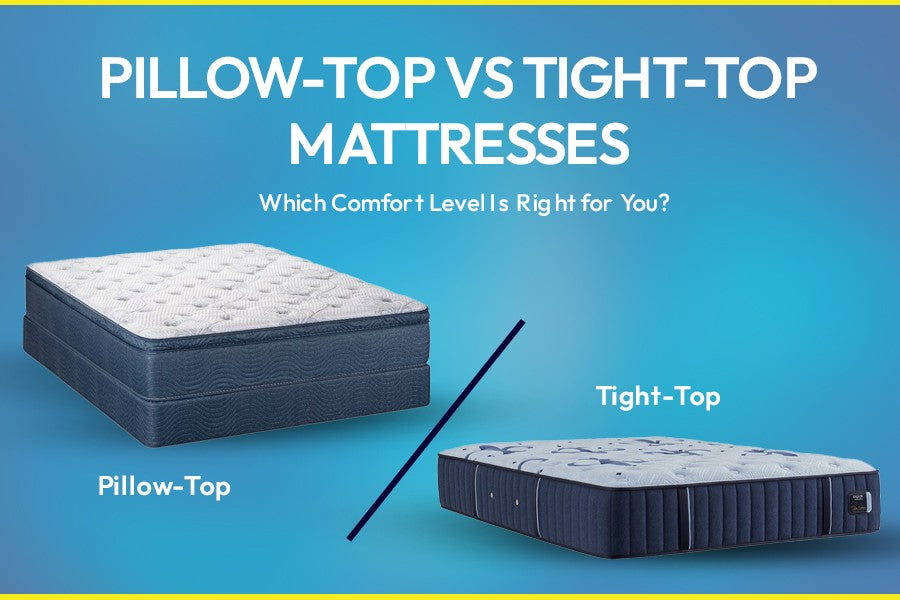
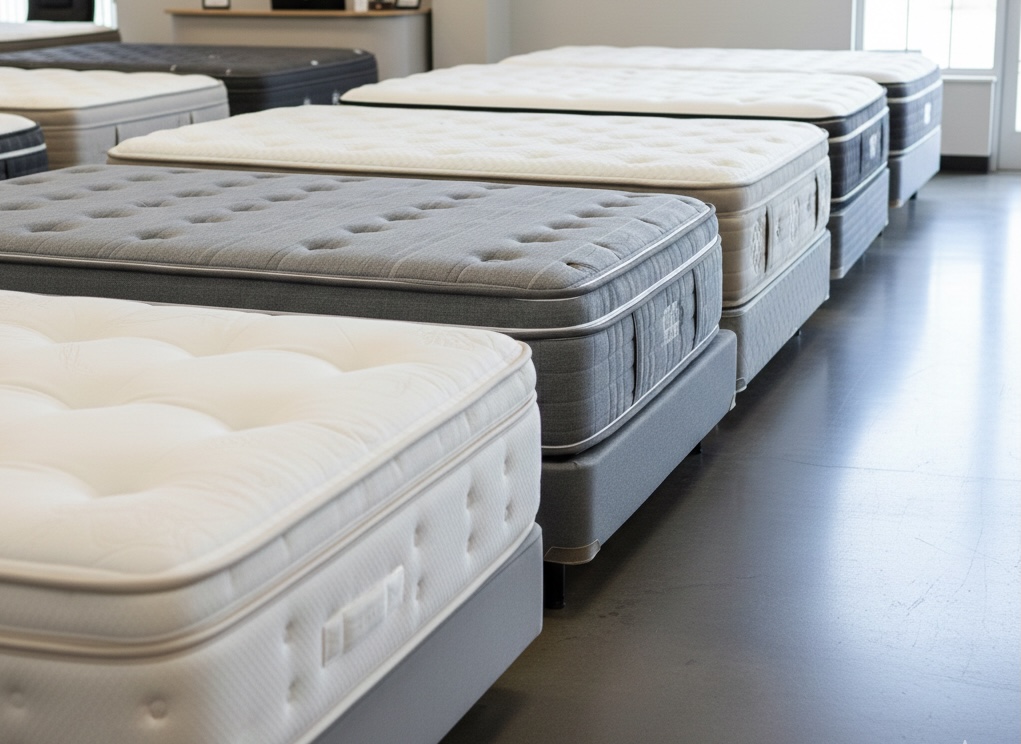
In many cases, pillow top mattresses do wear out faster than firm, flat-top mattresses. The reason is simple: they have an extra comfort layer sewn or attached to the mattress surface. This layer absorbs much of the pressure from your shoulders, hips, and lower back each night.
That soft layer may contain memory foam, polyfoam, latex, wool, cotton, or polyester fiber. Each material responds differently to pressure. Low-density foam and loose fiber usually compress sooner than high-density foam, natural latex, or tightly packed wool.
Still, a pillow top is not automatically a poor choice. A well-built mattress with strong support coils and durable comfort materials may last seven to ten years. A cheaper model may lose its shape in three to five years.
The key question is not only, “Do pillow top mattresses wear out faster?” It is also, “What is inside the pillow top?”
Why pillow top mattresses can lose comfort sooner
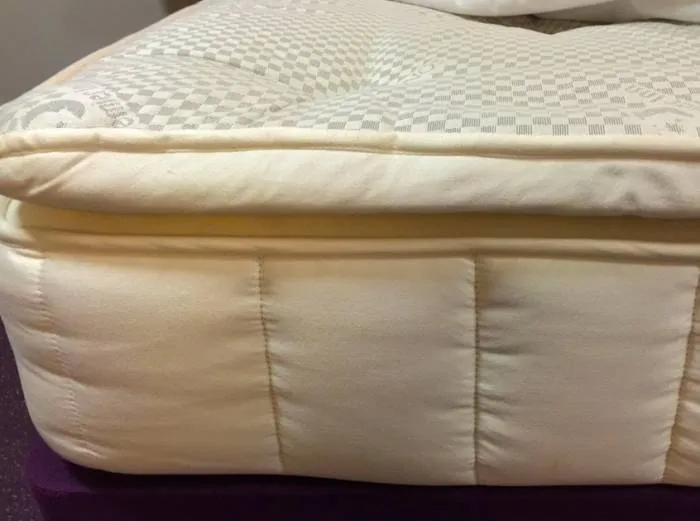
A pillow top works like a cushion placed over the main mattress. It creates a plush feel, but it also takes the first and strongest impact from your body every night.
Several factors can speed up wear.
Soft materials compress under repeated pressure
Foam and fiber slowly respond to body weight. This process is known as compression or fatigue. Over time, the material may not spring back to its original height.
Body impressions often form where a person sleeps most. These impressions are not always a defect. A small amount of settling is normal, especially during the first few months.
Low-density foam breaks down more quickly
Density is one of the best clues to foam durability. Higher-density foam usually resists permanent sagging better than low-density foam. However, density does not tell you everything about comfort, temperature, or firmness.
A pillow top made with thin, low-density polyfoam may feel soft in a showroom but lose support quickly. This is one reason a mattress can feel excellent for ten minutes in a store yet uncomfortable after a year.
Fiber filling flattens and shifts
Fiber pillow tops often feel fluffy when new. With regular use, the fibers can flatten, bunch, or move toward the edges. This can create uneven comfort and make the mattress feel less full.
Fiber-filled tops may also need more regular rotation. They can be comfortable and breathable, but they often do not hold their original loft as long as latex or quality foam.
Heat and moisture affect some materials
Body heat, sweat, and humidity can place extra stress on mattress materials. Moisture may weaken fibers, encourage odor, and contribute to material breakdown if the mattress has poor airflow.
A breathable protector can help. It should protect the mattress without trapping excessive heat.
A weak foundation allows extra movement
A pillow top needs a stable base. If the foundation bends, flexes, or has wide gaps between slats, the mattress may sag sooner. A weak base can also make normal wear appear worse.
Always check the mattress warranty for foundation rules. Some manufacturers require specific slat spacing or a center support beam.

What affects the lifespan of a pillow top mattress?
The average lifespan of a pillow top mattress varies because no two sleepers use a mattress in exactly the same way. A person who weighs 130 pounds and sleeps alone may place far less stress on a mattress than two heavier sleepers.
The most important factors include:
• Material quality: High-density foam, latex, and strong coils usually last longer than thin foam and loose fiber.
• Sleeper weight: More weight creates more pressure and faster compression.
• Sleeping position: Side sleepers place strong pressure on the shoulder and hip area. Stomach and back sleepers may wear the center more evenly.
• Use frequency: A guest-room mattress often lasts longer because it receives less nightly use.
• Mattress rotation: Rotating the mattress can spread wear across different areas.
• Foundation quality: A firm, well-supported base helps preserve the mattress shape.
• Climate: Hot, humid rooms may increase moisture and material stress.
• Care habits: Jumping on the bed, dragging it, or folding it can damage internal layers.
Research on mattress durability shows that support loss is one of the main reasons people replace a mattress. Comfort can decline before the cover looks damaged. This means a mattress may appear clean and attractive while its pressure relief has already weakened.
How long do pillow top mattresses last?
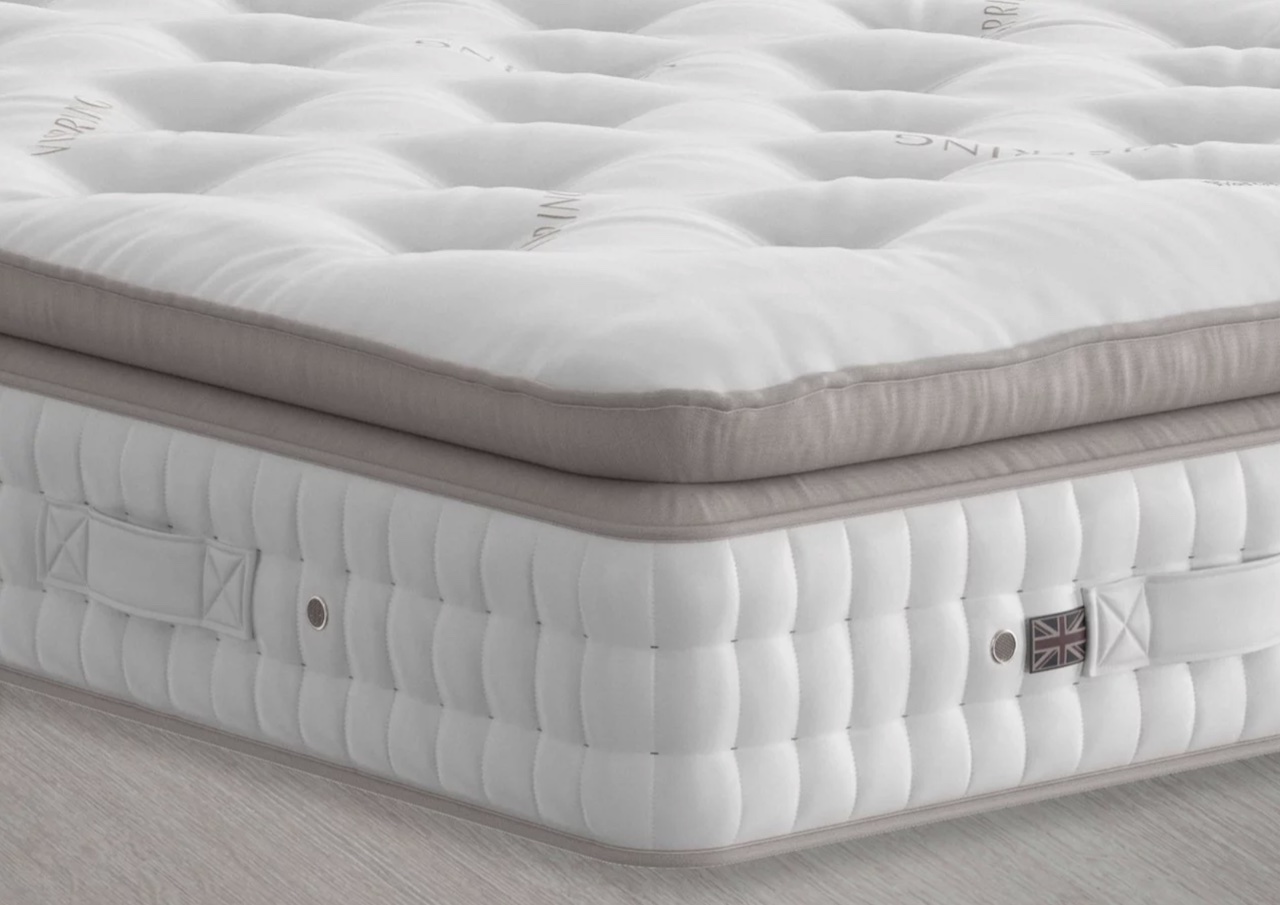
Most pillow top mattresses last about five to ten years. The lower end is more common with inexpensive models, heavy use, weak foundations, and soft foam layers. Premium latex or high-quality hybrid pillow tops may last longer with proper care.
Here is a general guide:
• Budget pillow top: About three to five years
• Mid-range pillow top: About five to seven years
• High-quality hybrid or latex pillow top: About seven to ten years or more
These numbers are estimates, not guarantees. A warranty may last ten years, but that does not mean the mattress will feel new for ten years. Warranties often cover manufacturing defects, not ordinary softening or gradual comfort loss.
A mattress is ready for replacement when it no longer supports your body well. Pain, poor sleep, deep sagging, and frequent tossing may matter more than the calendar.

Are pillow top mattresses bad for your back?
Pillow top mattresses are not automatically bad for your back. The right model can reduce pressure and help keep your spine in a neutral position. The wrong model can allow your hips to sink too far, which may strain the lower back.
Back and stomach sleepers often need a medium-firm support core beneath the pillow top. Side sleepers may prefer more cushioning around the shoulders and hips. Your body weight also changes how firm a mattress feels.
A common mistake is choosing a mattress based only on its surface softness. Soft comfort does not always mean good support. Think of the pillow top as the padding in a shoe. It can add comfort, but the structure underneath still carries the load.
If you wake with back pain that improves after moving around, your mattress may be part of the problem. Persistent or severe pain should be discussed with a qualified health professional.
Do pillow top mattresses wear out faster for heavier sleepers?
Yes, they may wear faster under heavier loads, especially when the pillow top uses soft, low-density foam. Greater pressure can cause deeper impressions and faster comfort-layer fatigue.
This does not mean heavier sleepers must avoid pillow tops. Look for a strong coil system, sturdy edge support, durable foam, and a suitable firmness level. A medium-firm or firm mattress with a modest pillow top may provide a better balance than an extremely plush model.
Couples should also consider motion and weight distribution. If one partner is much heavier, the mattress may develop uneven impressions. Rotating the mattress can help, but it cannot correct a weak design.
How to make a pillow top mattress last longer
Proper care cannot stop all wear, but it can slow the process. These simple steps can protect the comfort layers and support core.
- Use the correct foundation
Place the mattress on a base approved by the manufacturer. Check the spacing between slats and make sure the center of the bed has enough support.
- Rotate the mattress
Rotate the mattress from head to foot every three to six months if the manufacturer allows it. Do not flip a one-sided pillow top unless the care instructions specifically say that flipping is safe.
- Use a breathable mattress protector
A protector blocks sweat, spills, skin oils, and dust. Choose one that fits tightly and allows airflow. A thick, noisy, waterproof cover may change the feel of a soft pillow top.
- Keep the room dry and ventilated
Air out the mattress after removing the bedding. Wash sheets often and control indoor humidity when needed. Never soak the mattress or use harsh cleaning chemicals.
- Avoid jumping on the bed
Jumping places sudden force on the comfort layers, coils, seams, and edges. It can damage a pillow top much faster than normal sleeping.
- Do not sit on one edge for long periods
Sitting in the same spot every day can weaken edge support. This is especially important when getting dressed, working, or helping a child.
- Follow the care label
Manufacturers may give specific instructions for rotation, cleaning, and foundation support. Following these directions can also protect your warranty.
In my experience comparing plush mattresses, the best results come from treating the bed as a complete system. A good mattress cannot perform well on a weak base, and even a strong mattress can suffer from repeated misuse.
Signs that your pillow top mattress is wearing out
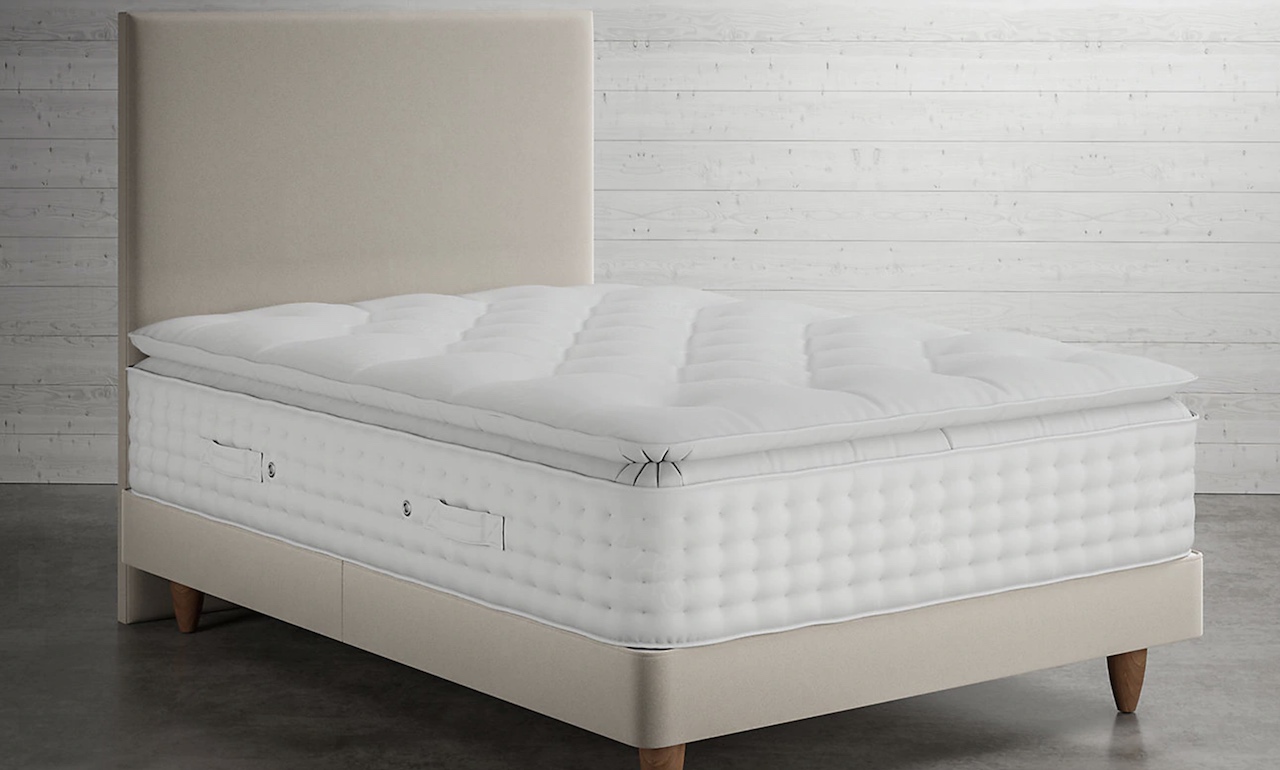
Visible sagging is one clear warning sign, but it is not the only one. Pay attention to how you feel in the morning and how the bed performs at night.
Look for these signs:
• A body impression remains after you leave the bed.
• You roll toward the center or toward your partner.
• Your hips sink lower than your shoulders.
• The mattress feels softer in one area than another.
• You wake with new aches or stiffness.
• You sleep better in hotels or on another bed.
• You hear unusual squeaks or feel broken springs.
• The edge collapses when you sit down.
• The cover is torn, lumpy, or badly stained.
A useful test is to place a straight board or long level across the mattress. If you see a deep gap beneath it, the mattress may have significant sagging. Do not use this test alone, because comfort and support also depend on your body and sleeping position.
A small dip may be normal. A deep impression that affects sleep is a practical reason to consider replacement, even if the warranty claim is not approved.
What to look for when buying a durable pillow top mattress
If you like a plush feel but want better durability, examine the whole construction. Marketing terms such as “luxury,” “cloud-like,” and “hotel comfort” do not prove that a mattress will last.
Check these details before buying:
• Comfort materials: Ask whether the top uses latex, memory foam, polyfoam, wool, cotton, or polyester.
• Foam density: Request density information for every foam layer when possible.
• Support core: Look for strong coils or a stable foam core with good edge support.
• Top thickness: A very thick, soft pillow top may compress faster than a thinner comfort layer.
• Return period: A long home trial gives your body time to adjust.
• Warranty terms: Read the rules for sagging, stains, foundations, and transportation.
• Independent reviews: Focus on long-term owner reports, not only reviews written after the first week.
• Proper firmness: Choose support based on your sleeping position, body weight, and comfort needs.
A removable or replaceable topper can be a practical alternative. When the topper wears out, you can replace that layer without replacing the entire mattress. However, a topper cannot repair a sagging support core.
Do pillow top mattresses wear out faster than memory foam mattresses?
The answer depends on what “pillow top” contains. A pillow top is a design feature, while memory foam is a material. A mattress can have both.
A pillow top made with low-density memory foam may wear faster than a firm mattress with a thin, high-density comfort layer. A latex pillow top may outlast a soft polyfoam pillow top. Construction matters more than the label alone.
Look beyond the name on the box. Ask how thick each layer is, what material it uses, and how well the support core is built.
Frequently Asked Questions About Do Pillow Top Mattresses Wear Out Faster
Do pillow top mattresses wear out faster than firm mattresses?
They often do because their soft upper layers receive repeated pressure. However, material quality and mattress construction can make a larger difference than firmness alone.
How long should a pillow top mattress last?
A pillow top mattress commonly lasts five to ten years. Low-cost models may show comfort loss sooner, while quality latex and hybrid designs may last longer.
Can you flip a pillow top mattress?
Most modern pillow top mattresses are designed for one-sided use and should not be flipped. Rotating the mattress is usually safer, but always follow the manufacturer’s instructions.
How do you fix a sagging pillow top mattress?
A supportive foundation may improve a mild support problem, but it cannot restore compressed foam or fiber. A topper can change the feel for a short time, yet deep sagging usually means the mattress needs replacement.
Are pillow top mattresses good for side sleepers?
They can be excellent for side sleepers because they cushion the shoulders and hips. Choose one with enough support to keep the spine level and avoid excessive sinking.
Does a mattress protector prevent a pillow top from wearing out?
A protector cannot stop normal compression, but it can guard against stains, moisture, and spills. Keeping the materials clean and dry may help preserve the mattress over time.
Do pillow top mattresses wear out faster when used every night?
Nightly use creates more repeated pressure than occasional use, so wear may happen sooner. Rotating the mattress, using a proper foundation, and choosing durable materials can reduce the effect.
Conclusion
So, do pillow top mattresses wear out faster? Often, yes, because their soft comfort layers can compress before the deeper support core fails. Yet a well-made pillow top with durable materials, strong support, and proper care can provide comfortable sleep for many years.
Focus on foam density, latex quality, coil support, foundation strength, and warranty terms before you buy. Rotate the mattress when allowed, use a breathable protector, and replace it when sagging or poor sleep becomes a regular problem. Compare construction instead of trusting attractive labels, and share your mattress experience or questions in the comments.

Appliance Review Expert
Lucas Ramirez is a trusted voice at HomeFixGrid.com, known for his clear, practical, and creatively written guides that simplify appliance care for everyday homeowners. With a strong focus on hands-on testing and real-world problem-solving, Lucas brings expert insight into appliance reviews and troubleshooting techniques. Her work empowers readers to confidently maintain, repair, and choose the right appliances for their homes.


