What Is A Full Size Mattress: Size, Benefits & Buying Guide
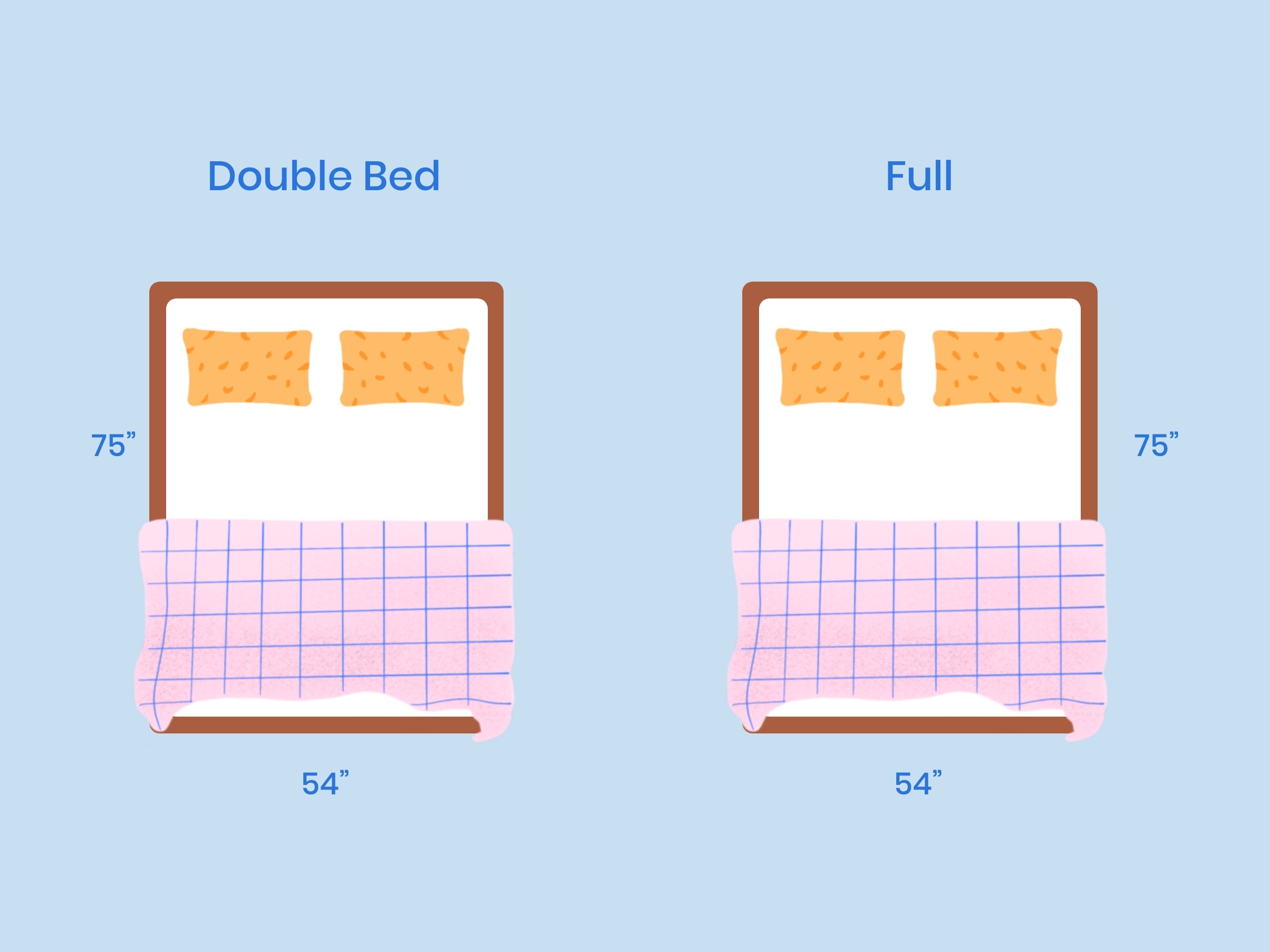
A full size mattress measures 54 inches wide by 75 inches long and fits one or two sleepers.
If you are asking what is a full size mattress, you are likely comparing it with a twin, queen, or king. A full mattress offers more room than a twin but takes up less space than a queen. This guide explains its exact size, comfort level, best uses, benefits, limits, and buying tips so you can choose with confidence.
What Is a Full Size Mattress?
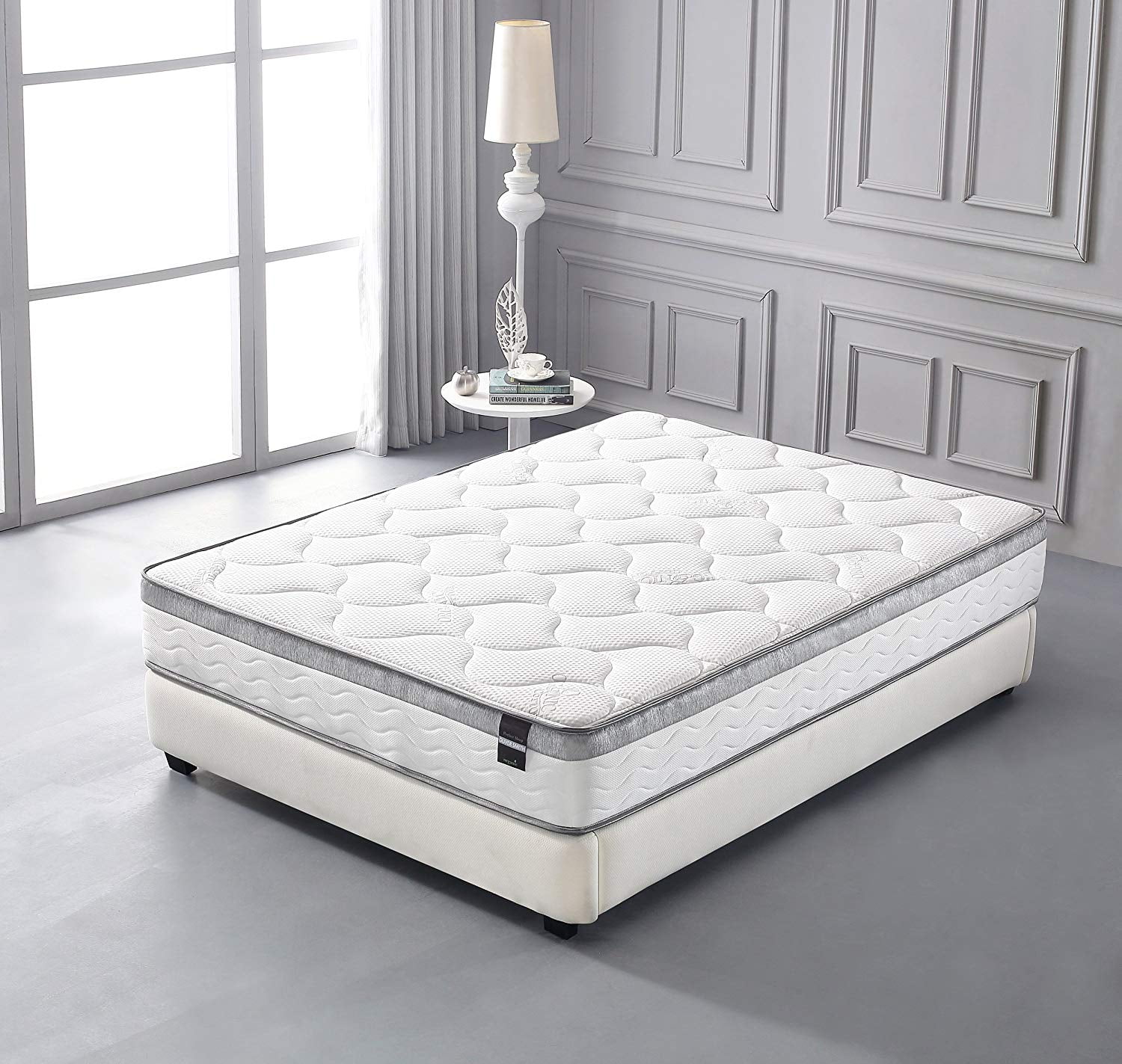
A full size mattress, also called a double mattress, is 54 inches wide and 75 inches long in the United States. It is 15 inches wider than a twin mattress, but both beds are the same length.
For one adult, a full mattress can feel roomy. It gives you space to change positions, stretch out, and keep personal items nearby. For two adults, however, the sleeping area may feel tight because each person gets about 27 inches of width.
The standard full mattress dimensions are:
• Width: 54 inches
• Length: 75 inches
• Width in feet: 4.5 feet
• Length in feet: 6.25 feet
• Surface area: About 28.1 square feet
Mattress sizes can vary slightly by brand. A mattress may be close to the standard size but differ by a fraction of an inch. Always check the product measurements before buying a bed frame, platform, or fitted sheets.

Full Size Mattress Dimensions Compared With Other Sizes
Understanding mattress dimensions makes shopping much easier. A few inches can affect your room layout, comfort, and choice of sheets.
| Mattress size | Standard dimensions |
|---|---|
| Twin | 38 by 75 inches |
| Twin XL | 38 by 80 inches |
| Full | 54 by 75 inches |
| Queen | 60 by 80 inches |
| King | 76 by 80 inches |
| California king | 72 by 84 inches |
A full size mattress is 16 inches narrower than a queen mattress. It is also 5 inches shorter than a queen, which matters if you are tall.
Compared with a twin mattress, a full size mattress adds 16 inches of width. That extra space can make a major difference for a growing teenager or an adult who wants more room without moving to a queen.
Compared with a king mattress, a full size mattress uses far less floor space. It can be a smart choice for a small bedroom, guest room, studio apartment, or dorm-style space.
Who Should Use a Full Size Mattress?
A full size mattress works best for certain sleepers and rooms. It is not the perfect fit for everyone, but it offers a useful middle ground.
Single adults
A full bed gives one adult plenty of side-to-side space. It can be especially comfortable for people who sleep alone and like to spread out.
It also leaves more room for pillows, blankets, and a pet than a twin bed. For many single sleepers, a full mattress feels comfortable without the extra cost and space of a queen.
Teenagers
A full size mattress is a popular choice for teens. It can support a child through the teenage years and into early adulthood.
The extra width gives a growing teen more comfort than a twin. It may also make the bedroom feel more mature without requiring a larger room.
Guest rooms
A full mattress can serve one guest very well. It can also sleep two guests for a short visit, although two adults may prefer a queen.
For a guest room, consider how often couples stay overnight. If the room is small and most visitors sleep alone, a full size mattress can save space while still feeling welcoming.
Small bedrooms and apartments
A full bed fits well in many compact spaces. It offers more comfort than a twin while keeping walkways open.
Renters often choose a full size mattress for studio apartments. It can separate the sleeping area from the living area without overwhelming the room.
Couples with limited space
A full size mattress can work for couples who enjoy close sleeping arrangements. It may also suit occasional use, such as a vacation home or spare bedroom.
For everyday use, most couples find a queen more comfortable. Sleep experts often point out that personal space supports better sleep, and a full mattress gives each adult less room than a queen.

How Much Space Does a Full Mattress Need?
A full size mattress itself is 54 by 75 inches, but your bedroom needs extra space for the frame and walking paths. The bed frame may add several inches to both the width and length.
A room measuring about 10 by 10 feet can often fit a full bed. However, the final layout depends on doors, closets, windows, dressers, and other furniture.
For easier movement, aim for:
• At least 24 inches of walking space beside the bed
• About 30 inches of clearance in busy walkways
• Enough room to open drawers and closet doors
• Space for a nightstand if you use one
Before buying, mark the mattress footprint on the floor with painter’s tape. This simple step shows how much room the bed will use. It can prevent a common mistake: measuring only the mattress and forgetting the bed frame.
A full size mattress may fit in a small room, but fitting is not the same as feeling comfortable. A crowded room can make cleaning harder and may block natural movement.
Full Size Mattress Benefits
The main appeal of a full size mattress is balance. It offers more sleeping space than a twin without requiring the footprint of a queen.
Key benefits include:
• More room than a twin mattress
• Lower cost than many queen and king mattresses
• Good fit for teenagers and single adults
• Easier placement in small bedrooms
• Wide availability of sheets, frames, and protectors
• Useful for guest rooms and vacation homes
• Less floor space than a queen mattress
A full bed can also reduce furnishing costs. Smaller sheets, frames, and foundations may cost less, though price depends on materials and brand.
Another benefit is flexibility. If you move often, a full mattress may be easier to transport than a queen or king. It is still large enough for adult use, but not as difficult to carry through narrow halls and stairways.
Full Size Mattress Limitations
A full size mattress is not ideal for every sleeper. Its biggest limitation is width.
Two adults sharing a full bed have less personal space than two adults sharing a queen. Each person gets about 27 inches of width, which is similar to the width of a crib mattress. That can feel restrictive, especially for couples who move often during sleep.
The length can also be a concern. A full mattress is 75 inches long, or 6 feet 3 inches. If you are taller than about 6 feet, your feet may extend beyond the edge, depending on your sleeping position.
Other limits include:
• Less space for couples
• Shorter length than a queen
• Limited room for children and pets together
• Fewer comfort options for restless sleepers
• Possible need to upgrade later
A full size mattress may seem like a bargain, but a future upgrade can add costs. If you expect to share the bed soon, buying a queen may be more practical.
Is a Full Size Mattress Good for Couples?
A full size mattress can sleep two people, but it is usually best for couples who do not need much personal space. It may work in a guest room or for occasional use.
For daily sleep, a queen mattress is often a better choice. A queen is 6 inches wider and 5 inches longer than a full, so each sleeper gains more room to turn and move.
Your sleeping styles also matter. A full bed may feel manageable if both people sleep quietly and stay close. It may feel too small if one person is tall, broad-shouldered, pregnant, or a restless sleeper.
During mattress testing and room planning, one lesson becomes clear: bed size affects more than comfort. It affects sleep quality, movement, temperature, and whether one sleeper wakes the other.

Full Size Mattress Types
Full mattresses come in several construction types. The best option depends on your body, sleep position, budget, and comfort preference.
Innerspring mattresses
Innerspring mattresses use metal coils for support. They often have strong edge support and good airflow.
These mattresses may feel responsive and cool. They can suit people who prefer a traditional, bouncy surface.
Memory foam mattresses
Memory foam contours to the body. It can reduce pressure around the shoulders and hips, especially for side sleepers.
Memory foam may also limit motion transfer. This feature helps when one person moves, although the smaller size of a full bed still limits personal space.
Latex mattresses
Latex feels springy and supportive. It usually offers easier movement than dense memory foam.
Natural latex can be durable, but it may cost more. Check the product label because some mattresses contain synthetic latex blends.
Hybrid mattresses
Hybrid mattresses combine coils with foam or latex layers. They aim to provide the airflow and support of springs with the pressure relief of foam.
A hybrid full size mattress can be a good choice for people who want a balanced feel. It may weigh more than an all-foam model, so check whether your frame can support it.

How to Choose a Full Size Mattress
Choosing a full size mattress involves more than checking the price. Focus on support, comfort, materials, and the way you sleep.
Consider your sleep position
Side sleepers often need cushioning around the shoulders and hips. A medium or medium-soft surface may help reduce pressure.
Back sleepers usually need balanced support. A medium-firm mattress can help keep the spine in a neutral position, but comfort remains personal.
Stomach sleepers often need a firmer surface. Too much sink can place the lower back in an uncomfortable position.
Check firmness carefully
Firmness is not the same as support. A soft mattress can support you well if its layers are designed properly. A firm mattress can still feel uncomfortable if it creates pressure points.
Because firmness ratings are not universal, read customer reviews and check the trial policy. If possible, test the mattress for several minutes in your normal sleeping position.
Review the materials
Look for clear information about:
• Foam density
• Coil count and coil type
• Mattress height
• Cover fabric
• Certifications
• Weight limits
Certifications can help confirm that materials meet certain emissions or safety standards. They do not guarantee that a mattress will feel comfortable, so use them as one part of your decision.
Measure your furniture
A full size mattress needs a full size frame or compatible foundation. A queen frame is too wide, while a twin frame is too narrow.
Measure the inside of the frame, not just the outside. Also check the height of the mattress and foundation together. A very tall setup can make it harder to get into bed.
Read the sleep trial and warranty
A sleep trial lets you test the mattress at home. Review the required break-in period, return shipping rules, and restocking fees.
A warranty usually covers manufacturing defects, not normal softening or personal comfort. Read the terms before purchase so you know what protection you actually receive.
Full Mattress Bedding and Accessories
Full size bedding must match the exact mattress dimensions. Full and double sheets usually fit the same standard size, but labels can vary.
You may need:
• Full fitted sheets
• Full flat sheets
• Full comforters or duvets
• Full mattress protectors
• Full bed frames
• Full platform bases
Deep-pocket sheets are useful for tall mattresses or mattresses placed on thick foundations. Check the pocket depth before ordering. A shallow fitted sheet may pop off during the night.
A mattress protector can help guard against spills, sweat, dust, and everyday wear. Choose a breathable protector that does not create noise or change the feel of the mattress too much.
Common Mistakes to Avoid
Many mattress problems come from poor planning rather than the mattress itself.
Avoid these mistakes:
• Buying a full bed without measuring the room
• Assuming all full mattresses have identical dimensions
• Choosing a frame before checking mattress height
• Ignoring the sleeper’s height and body size
• Buying based only on firmness labels
• Skipping the return policy
• Using old or weak support slats
• Forgetting space for doors and drawers
A full mattress also needs proper support. Follow the manufacturer’s rules for slat spacing and center support. Weak or widely spaced slats can lead to sagging and may affect the warranty.
One practical lesson is worth remembering: protect the mattress from day one. Stains and moisture can void some warranties, and replacing a protector costs far less than replacing a mattress.
How Long Does a Full Size Mattress Last?
A full size mattress often lasts about 7 to 10 years, but lifespan depends on materials, body weight, use, care, and construction quality.
A high-quality latex or hybrid mattress may last longer than a low-cost mattress with thin comfort layers. A mattress used every night may wear faster than one used in a guest room.
Watch for these signs of replacement:
• Visible sagging
• Permanent body impressions
• New aches after sleeping
• Lumps or broken coils
• Increased noise
• Waking tired despite enough sleep
• Allergy symptoms linked to dust buildup
Rotate the mattress only if the manufacturer allows it. Many modern mattresses are one-sided and should not be flipped. Regularly clean the bedding, use a protector, and keep the support base in good condition.
Frequently Asked Questions About What Is a Full Size Mattress
What is a full size mattress in inches?
A standard full size mattress is 54 inches wide and 75 inches long. It is also commonly called a double mattress.
Is a full size mattress the same as a double?
Yes. In the United States, “full” and “double” usually describe the same mattress size. Brand measurements may vary slightly, so check the product specifications.
Is a full size mattress big enough for two adults?
A full size mattress can fit two adults, but it may feel tight for everyday use. A queen mattress provides 6 more inches of width and 5 more inches of length.
Is a full size mattress good for one adult?
Yes. A full size mattress gives one adult much more space than a twin. It is a strong choice for single sleepers, teenagers, guest rooms, and small apartments.
Can a full size mattress fit in a 10 by 10 room?
A full mattress can often fit in a 10 by 10 room, but the frame and other furniture also need space. Use floor tape to test the layout before purchasing.
What sheets fit a full size mattress?
Sheets labeled “full” or “double” are designed for this mattress size. Check the fitted-sheet pocket depth if your mattress is especially thick.
Is a full size mattress shorter than a queen?
Yes. A full mattress is 75 inches long, while a queen is 80 inches long. Taller sleepers may prefer a queen or another longer mattress size.
Conclusion
A full size mattress measures 54 by 75 inches and offers a practical middle ground between a twin and a queen. It works especially well for single adults, teens, guest rooms, and compact bedrooms, but two adults may find it narrow for nightly use.
Before buying, measure your room, compare mattress materials, consider your sleep position, and confirm the return policy. With those steps, you can choose a full size mattress that fits both your space and your sleep needs. Explore your options carefully, and share your mattress questions or experiences in the comments.

Appliance Review Expert
Lucas Ramirez is a trusted voice at HomeFixGrid.com, known for his clear, practical, and creatively written guides that simplify appliance care for everyday homeowners. With a strong focus on hands-on testing and real-world problem-solving, Lucas brings expert insight into appliance reviews and troubleshooting techniques. Her work empowers readers to confidently maintain, repair, and choose the right appliances for their homes.