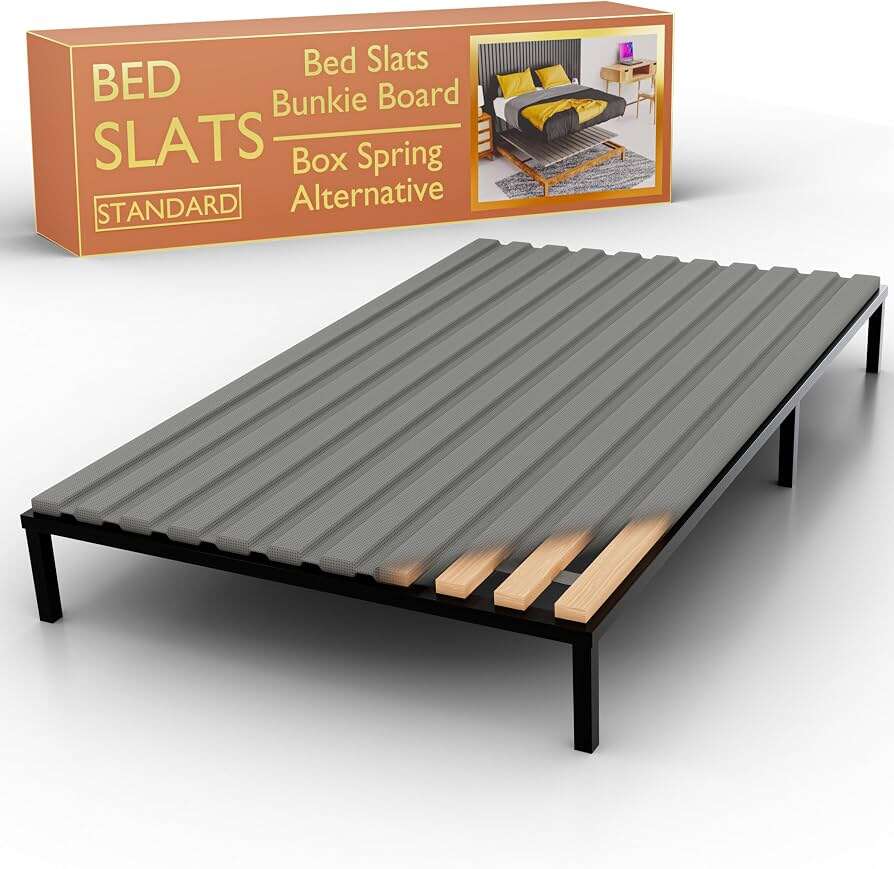
Do You Need To Replace Box Spring With Mattress: Guide
Usually, you do not need to replace a box spring when buying a new mattress, but check compatibility first.
The question “do you need to replace box spring with mattress” depends on the box spring’s age, condition, design, and the support needs of your new mattress. A strong foundation can last through several mattresses, while a weak or outdated one may cause sagging, noise, poor comfort, and warranty problems. This guide explains how to inspect your current foundation, when replacement makes sense, and which alternatives work best.
Do You Need to Replace a Box Spring With a Mattress?
In most cases, you do not need to replace a box spring with a mattress if the box spring is clean, sturdy, and compatible with the new bed. Many people replace both at the same time because they assume a new mattress always requires a new foundation. That is not always true.
A box spring is part of a bed support system. It may contain actual springs, metal supports, wood slats, or a solid frame. Modern mattresses, especially memory foam, latex, and hybrid models, often use a foundation or platform base instead of a traditional spring box.
To decide whether you need to replace a box spring with a mattress, check these points:
- The box spring has no broken springs, bent parts, or damaged wood.
- The surface remains level and does not sag.
- The foundation supports the mattress across its full width.
- The foundation meets the new mattress maker’s requirements.
- The box spring does not creak, shift, or collapse under weight.
- The foundation is not stained, damp, moldy, or infested.
A good foundation acts like a firm bridge. It spreads weight and keeps the mattress stable. A weak foundation acts like a bent bridge and can shorten the life of even a high-quality mattress.

When Should You Replace a Box Spring?
Age alone does not decide whether you need to replace a box spring with a mattress. Still, older foundations deserve a close inspection. Many traditional box springs last about 8 to 10 years, but the real lifespan depends on materials, use, weight, moisture, and build quality.
You should consider replacement if you notice any of the following signs:
Visible sagging
Place a straight object, such as a yardstick, across the top of the box spring. If you see a deep dip, the foundation may no longer offer even support.
A sagging foundation can make a mattress feel softer in one area than another. It can also create uncomfortable pressure around the hips and lower back.
Broken or noisy components
Loud squeaks, popping sounds, or grinding noises may point to broken springs, loose joints, or damaged hardware. A small noise may be easy to fix, but repeated noise often signals deeper wear.
Cracked wood or bent metal
Look under the fabric and around the frame if the design allows it. Cracks, splits, bent rails, or loose corners can reduce the foundation’s strength.
A damaged cover
Torn fabric can allow dust, pests, and moisture into the interior. If the box spring has a musty smell or signs of mold, replacing it is safer than trying to cover the problem.
Poor support for the new mattress
Some older box springs have wide gaps or flexible surfaces. These may not support newer foam or hybrid mattresses properly. The result can be premature sagging or uneven wear.
A change in bed size
If you are moving from a full mattress to a queen mattress, the old foundation will not fit. Using the wrong size can place stress on the frame and mattress.
When deciding do you need to replace a box spring with a mattress, focus on structural condition rather than appearance alone. A plain-looking foundation may work well, while a newer one may already be damaged.
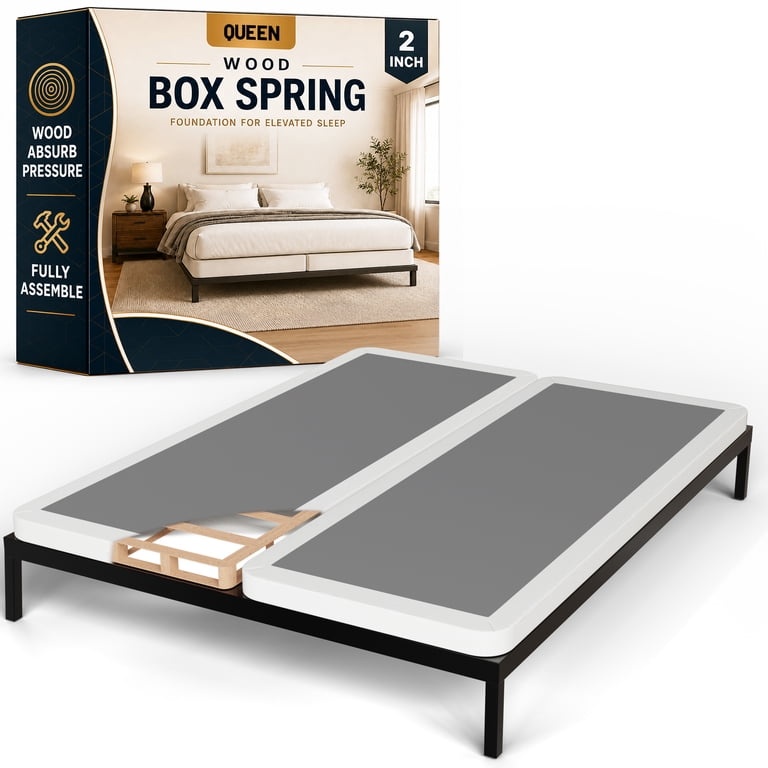
Does Every Mattress Need a Box Spring?
No. Not every mattress needs a box spring. The correct base depends on the mattress type and the instructions from the manufacturer.
Traditional innerspring mattresses often work well with a box spring. However, many foam and hybrid mattresses require a rigid foundation, platform bed, adjustable base, or closely spaced slats.
Here is a simple guide:
- Memory foam mattress: Usually needs a solid foundation or slats with small gaps.
- Latex mattress: Usually needs strong, even support with limited space between slats.
- Hybrid mattress: Often needs a rigid platform or foundation approved by the maker.
- Traditional innerspring mattress: May work with a compatible box spring.
- Adjustable mattress: Requires a compatible adjustable base.
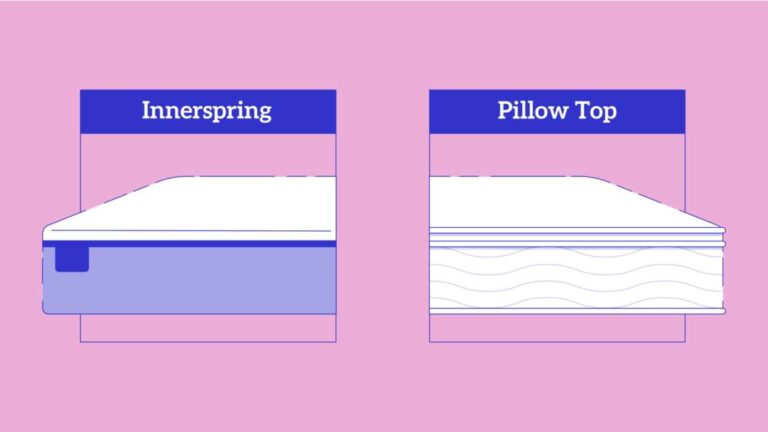
- Pillow-top mattress: Needs the same support rules as the mattress beneath it, not a special pillow-top box spring.
The phrase “box spring” is also used loosely. Some products sold today as box springs are really fabric-covered foundations with no springs inside. That is why reading the product specifications matters more than relying on the label.
If you wonder do you need to replace a box spring with a mattress, start with the warranty guide. Most manufacturers list the required base type, slat spacing, center support, and weight limits.
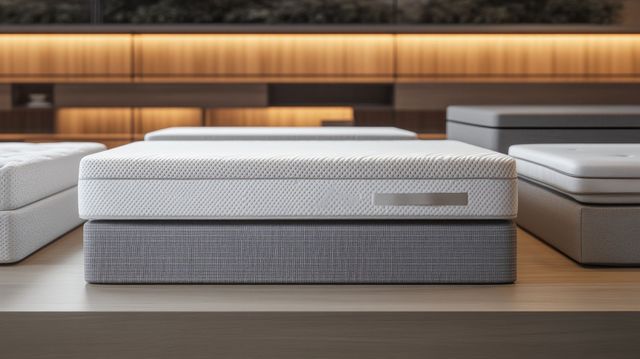
How to Check if Your Box Spring Is Compatible
Before placing a new mattress on an old box spring, perform a simple inspection. This takes only a few minutes and may prevent discomfort or warranty trouble.
1. Measure the foundation
Confirm that the foundation matches the mattress length and width. A standard queen foundation should fit a standard queen mattress, but unusual sizes may need special measurements.
2. Check the support surface
Look for sagging, soft spots, broken slats, and large gaps. Many mattress makers recommend slat gaps of about 2 to 3 inches, but the exact limit varies. Follow the instructions for your specific mattress.
3. Test for movement
Sit on several areas of the foundation. It should feel firm and stable. Excessive bouncing, shifting, or flexing suggests that the support may be worn.
4. Inspect the center support
Queen, king, and California king beds often need center rails or center legs. Without proper center support, the middle of the foundation can sag even when the outer edges look fine.
5. Review the mattress warranty
A mattress warranty may require a specific foundation. Some warranties exclude damage caused by an unsuitable base. Keep the foundation instructions and purchase records in case you need service later.
6. Check the weight rating
Add the weight of the sleepers, mattress, bedding, and pets. The base should safely support the total load. A foundation that feels fine for one person may struggle under two adults.
This inspection gives you a more reliable answer to do you need to replace a box spring with a mattress than age or marketing claims alone.
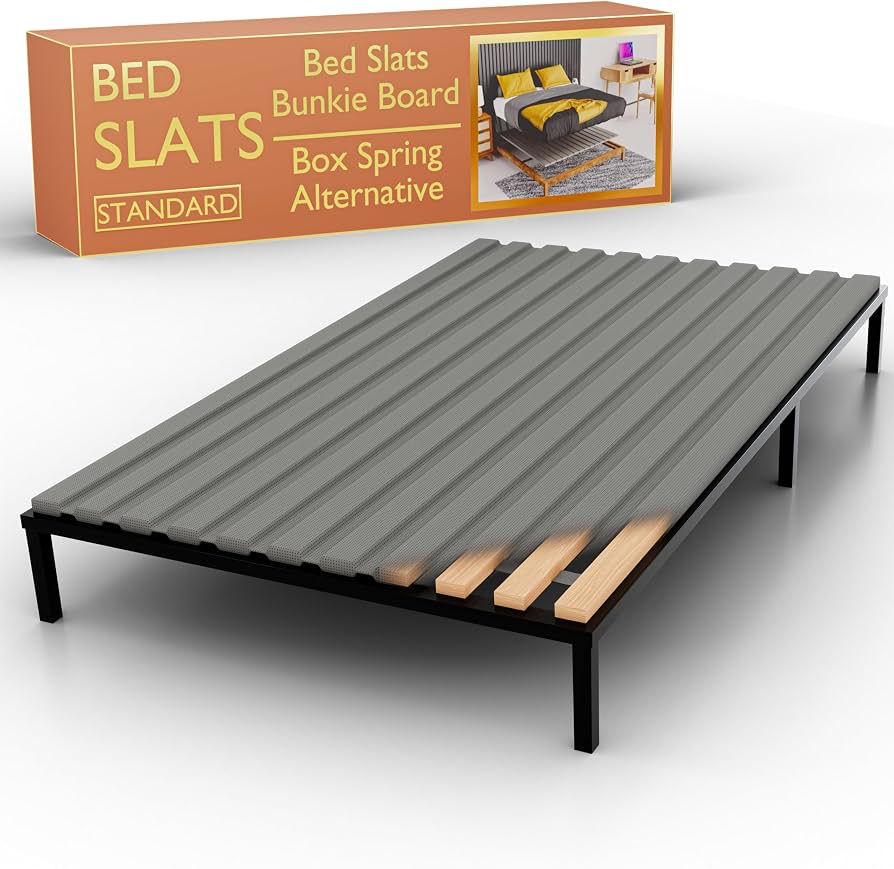
Can an Old Box Spring Damage a New Mattress?
Yes, an old or damaged box spring can damage a new mattress. It may create uneven pressure that causes the mattress to dip, bend, or wear faster than expected.
A foundation with broken supports can also leave hard points beneath the mattress. These points may affect comfort and place stress on foam layers, coils, and fabric.
Common problems include:
- Early body impressions
- Uneven mattress wear
- Increased noise
- Reduced edge support
- Poor spinal alignment
- Voided warranty coverage
- A mattress that slides or shifts
This does not mean every old box spring is dangerous. A well-built foundation in good condition may provide excellent support for many years. The key issue is whether it remains firm, level, and approved for the new mattress.
In practical terms, a new mattress cannot fully correct a weak support system. Buying an expensive mattress and placing it on a failing foundation is like putting new tires on a car with a damaged axle.

Box Spring vs. Foundation vs. Platform Bed
Understanding the difference between these bases makes it easier to decide do you need to replace a box spring with a mattress.
Traditional box spring
A traditional box spring usually contains a wooden or metal frame with springs. It provides some flex and is often paired with an innerspring mattress.
Mattress foundation
A foundation is usually more rigid than a traditional box spring. It may contain wood slats, solid panels, or a metal frame covered in fabric. Many foam and hybrid mattresses use this type of support.
Platform bed
A platform bed has a built-in support surface. It may use solid panels or wooden slats. A platform bed can remove the need for a separate box spring if it meets the mattress maker’s spacing and weight rules.
Adjustable base
An adjustable base raises the head or foot of the mattress. It must match the mattress design. Most traditional innerspring mattresses are not suitable for repeated bending on an adjustable base.
Each option has benefits and limits:
- Box spring: Offers flexible support and may provide extra height.
- Foundation: Gives firm support and works with many modern mattresses.
- Platform bed: Can save space and eliminate a separate base.
- Adjustable base: Adds movement and comfort features but costs more.
The best answer to do you need to replace a box spring with a mattress may be no if your current base meets the requirements. It may be yes if you want a different height, style, or support feel.
Should You Replace Both at the Same Time?
Replacing both can make sense when the box spring is old, damaged, or incompatible. It also makes sense when you want a complete sleep system with matching height and support.
However, replacing both is not always necessary. If your foundation is only a few years old and passes inspection, keeping it can reduce waste and save money.
Consider replacing both when:
- The box spring is older than the mattress you plan to buy.
- The foundation shows sagging or structural damage.
- The new mattress requires a different support type.
- You want a taller or lower bed.
- The current base creates noise or movement.
- The manufacturer will not honor the warranty with your current foundation.
One mistake I often see is buying a mattress first and checking the foundation later. This can lead to rushed purchases, wrong measurements, or a base that does not meet warranty rules. Measure the room, inspect the foundation, and read the mattress requirements before ordering.
How Much Does a Replacement Foundation Cost?
The cost varies by size, materials, brand, and features. A basic metal frame may cost less than a fabric-covered foundation, while a powered adjustable base can cost much more.
Typical factors that affect price include:
- Twin, full, queen, king, or California king size
- Wood, metal, foam, or hybrid construction
- Folding or fixed design
- Basic or reinforced center support
- Adjustable features
- Delivery and setup fees
- Warranty length
Do not choose only by price. A low-cost foundation that bends or breaks may cost more after you replace it again or repair a damaged mattress.
If you do not need to replace a box spring with a mattress, keeping the current base is often the most affordable choice. If replacement is necessary, compare the total cost, weight rating, warranty, and return policy.
Tips for Buying a New Box Spring or Foundation
Use this checklist before you buy:
- Confirm the exact mattress size.
- Read the mattress manufacturer’s foundation rules.
- Check the maximum slat spacing.
- Confirm the total weight capacity.
- Look for center support on larger sizes.
- Measure the foundation height.
- Check whether the base fits through doors and stairways.
- Review the return policy.
- Ask whether assembly is included.
- Keep your receipt and warranty documents.
Avoid placing a new mattress directly on the floor for long periods. The floor may restrict airflow and expose the mattress to moisture, dust, and pests. It also makes getting in and out of bed harder.
If you use a platform bed, make sure its slats do not bow under pressure. A center beam and legs that touch the floor can greatly improve stability on queen and king beds.
Frequently Asked Questions About Do You Need to Replace a Box Spring With a Mattress
Do you need to replace a box spring when buying a new mattress?
Not always. Keep the box spring if it is firm, level, undamaged, and approved for the new mattress.
How often should you replace a box spring?
Many box springs last about 8 to 10 years, but quality and use matter more than a strict age limit. Replace one sooner if it sags, breaks, smells musty, or no longer supports the mattress evenly.
Can you put a memory foam mattress on a box spring?
You can if the box spring is firm and meets the memory foam manufacturer’s support rules. A flexible or widely spaced box spring may cause sagging and could affect the warranty.
Can a new mattress make an old box spring feel worse?
Yes. A new mattress may reveal weak spots that were hidden by the old mattress. If the foundation bends, creaks, or sags, the new mattress may feel uneven.
Do you need a box spring with a platform bed?
Usually, no. A platform bed often provides the needed support by itself, but its slat spacing and weight capacity must match the mattress requirements.
Is it better to replace the mattress or the box spring first?
Replace the part that is worn or incompatible. If both are old or damaged, replacing them together gives the new mattress a stronger and more even support system.
Conclusion
You do not automatically need to replace a box spring with a mattress. Keep your current foundation if it is clean, firm, level, stable, and compatible with the new mattress. Replace it when you find sagging, broken parts, poor center support, wide gaps, or a mismatch with the mattress warranty.
The smartest approach is simple: inspect the base, read the mattress requirements, measure carefully, and compare the total cost. Take a few minutes to check your foundation before ordering, then choose the support system that protects both your comfort and your investment.

Appliance Review Expert
Lucas Ramirez is a trusted voice at HomeFixGrid.com, known for his clear, practical, and creatively written guides that simplify appliance care for everyday homeowners. With a strong focus on hands-on testing and real-world problem-solving, Lucas brings expert insight into appliance reviews and troubleshooting techniques. Her work empowers readers to confidently maintain, repair, and choose the right appliances for their homes.