How To Fix The Refrigerator: Quick DIY Repair Guide
Most refrigerator problems come from blocked airflow, dirty coils, bad door seals, or a failed part.
Learning how to fix the refrigerator starts with safe checks, not guesswork. A warm fridge, strange noise, water leak, or ice maker failure often has a simple cause, but some repairs need a trained technician. This guide explains how to fix the refrigerator step by step, how to test common parts, and when to stop before causing damage or losing food.

Start With Refrigerator Safety
Before you learn how to fix the refrigerator, protect yourself, your food, and the appliance. Refrigerators use electricity, moving parts, sharp metal, and sealed cooling systems. A careless repair can cause shock, fire, frostbite, or a costly compressor problem.
Follow these basic rules:
• Unplug the refrigerator before removing panels or touching electrical parts.
• Keep water away from outlets, plugs, and control boards.
• Do not puncture copper tubing or sealed refrigerant lines.
• Wear work gloves when handling metal panels or fan blades.
• Keep children and pets away while you work.
• Move food to a cooler if the repair may take more than 30 minutes.
• Use a thermometer to check the temperature. A safe refrigerator should stay at or below 40°F, while the freezer should stay near 0°F.
Perishable food can become unsafe even when it looks and smells normal. When in doubt, follow food safety guidance and throw it out. The cost of replacing food is small compared with the risk of food poisoning.
Identify the Refrigerator Problem
A clear symptom can point you toward the right repair. Write down what you see before taking anything apart. This simple habit prevents random part replacement.
Use this quick guide:
• Refrigerator is warm but the freezer works: Check airflow, the evaporator fan, the damper, and frost buildup.
• Both refrigerator and freezer are warm: Check power, temperature controls, condenser coils, the condenser fan, and the compressor.
• Freezer is cold but the refrigerator is warm: Look for blocked vents, a failed damper, or an evaporator fan problem.
• Refrigerator is too cold: Check the thermostat, temperature sensor, damper, and control settings.
• Water is leaking inside: Inspect the defrost drain, drain pan, water filter, and ice maker line.
• Water is leaking under the appliance: Check the drain pan, supply line, filter housing, and cracked tubing.
• Refrigerator makes a loud hum: Inspect the condenser fan, evaporator fan, compressor, and leveling feet.
• Ice maker does not work: Check the water supply, shutoff arm, filter, inlet valve, and freezer temperature.
• Refrigerator clicks but does not start: The start relay, compressor, control board, or power supply may be involved.
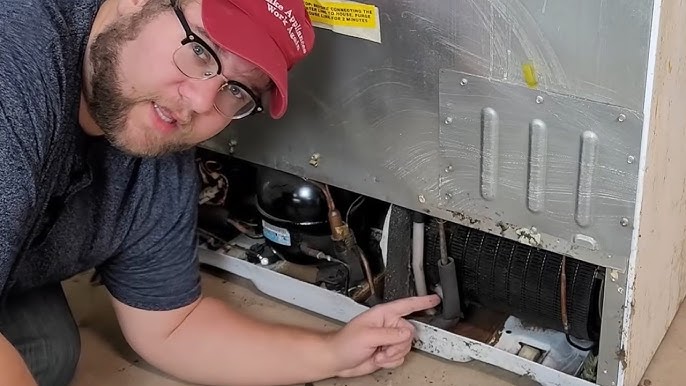
Take a photo of the model label before ordering parts. The label is often inside the fresh-food compartment, near the wall, ceiling, or crisper drawer. The exact part can vary by model even when two refrigerators look nearly identical.
Check the Easy Causes First
The best answer to how to fix the refrigerator is often a basic check. Many service calls end with a loose plug, a blocked vent, or a dirty condenser coil. Start with the simple causes before testing electrical parts.
Check the power
Make sure the plug is fully seated in the wall outlet. Test the outlet with a lamp or another small device. If the outlet does not work, check the circuit breaker.
Avoid using an extension cord. Most refrigerator makers recommend a grounded wall outlet on a dedicated circuit. A weak connection can cause repeated starts, heat, and compressor damage.
Check the temperature settings
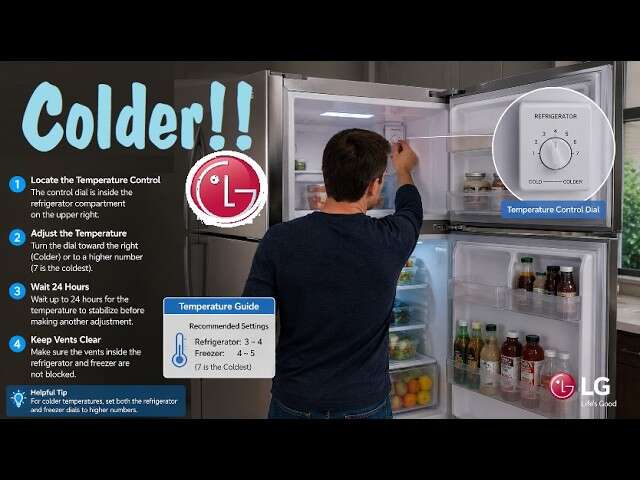
Set the refrigerator near 37°F and the freezer near 0°F. These settings work well for many homes, but the owner’s manual should guide the final choice.
Wait at least 24 hours after changing the setting. A refrigerator does not cool instantly. Opening the door often can also delay the temperature change.
Check the doors and vents
Do not pack food tightly against the rear wall or air vents. Cold air must move from the freezer into the refrigerator compartment.
Check that shelves, drawers, and large containers do not stop the door from closing. A door that looks closed may still leak warm air if a bin pushes against it.
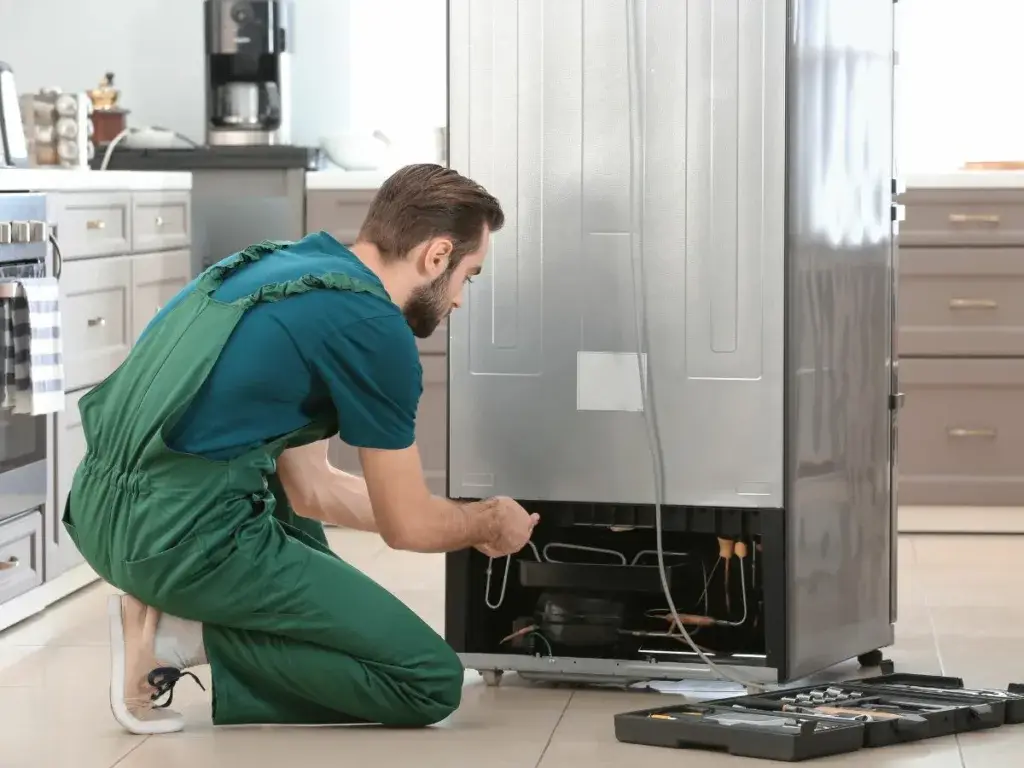
Clean the condenser area
Dust on the condenser coils acts like a heavy blanket. It makes the compressor work harder and can reduce cooling.
Unplug the appliance, then clean accessible coils with a coil brush and a vacuum. Some modern models place the coils underneath or behind a cover. Do not bend the tubing or use excessive force.
How to Fix a Refrigerator That Is Not Cooling
When a refrigerator is not cooling, check airflow before replacing major parts. The evaporator fan moves cold air from the freezer, while the condenser fan removes heat from the cabinet. Both fans must work for the system to cool well.
Open the freezer door and listen for a fan. Some models stop the fan when the door opens, so press and hold the door switch carefully. If the fan stays silent, unplug the refrigerator and inspect it for ice, dirt, or an object blocking the blade.
A thick layer of frost on the freezer’s rear wall is a strong clue. It can block airflow over the evaporator coil. A temporary fix is to unplug the refrigerator and let it thaw with the doors open, but never chip ice with a knife or heat it with a torch.
If the frost returns within a few days, the defrost system may have failed. Common causes include:
• Defrost heater failure
• Defrost thermostat failure
• Temperature sensor failure
• Control board failure
• Blocked air passages
A refrigerator that runs all day may have dirty coils, a weak door seal, poor airflow, or a failing compressor. If the compressor becomes very hot, trips the breaker, or makes repeated clicking sounds, stop testing and call a qualified appliance technician.

How to Fix Refrigerator Door Seal Problems
A damaged door gasket allows warm, moist air to enter. The refrigerator then works longer, uses more energy, and may develop frost around the freezer door.
Inspect the rubber seal for cracks, tears, gaps, or hard spots. Close the door on a sheet of paper. If the paper slides out with little resistance, the gasket may not seal well.
Clean the gasket with warm water and mild dish soap. Food residue can create a small gap. Dry it fully before testing again.
If the gasket is bent, warm it gently with a hair dryer on a low setting. Keep the dryer moving and do not overheat the rubber. The seal may return to its shape.
Replace the gasket when it is torn or permanently damaged. Remove the retaining screws, fit the new gasket into place, and tighten the screws evenly. Do not overtighten them, because this can distort the door liner.
Also check whether the refrigerator is level. If the cabinet tilts forward, the door may not close by itself. Adjust the front feet according to the manual.

How to Fix Refrigerator Water Leaks
Water inside the refrigerator often comes from a frozen or clogged defrost drain. During normal operation, melted frost flows through this drain into a pan near the compressor. If the drain freezes or fills with debris, water can collect under the crisper drawers.
To clear a drain:
-
Unplug the refrigerator.
-
Remove food and drawers near the drain.
-
Melt visible ice with warm water and a soft cloth.
-
Flush the drain with a small amount of warm water.
-
Confirm that water reaches the drain pan below the cabinet.
Never pour boiling water onto plastic parts. Sudden heat can crack liners and trays.
Water under the refrigerator may come from a loose supply tube, a cracked filter housing, a full drain pan, or a failed ice maker valve. Turn off the water supply before removing a water line. Push-in fittings must sit fully in place, and copper or plastic tubing should not have sharp bends.
A refrigerator with a water dispenser may leak after a filter change. Make sure the filter is the correct model and fully locked. Air trapped in the system can also cause a short burst of water, so follow the manufacturer’s flushing instructions.

How to Fix a Refrigerator Ice Maker
An ice maker needs three things: a cold freezer, a water supply, and a working control system. The freezer should usually be near 0°F. If it is too warm, the ice maker may pause even though other parts seem normal.
Check the following:
• Make sure the ice maker power switch is on.
• Lower the shutoff arm if your model uses one.
• Confirm that the water supply valve is open.
• Inspect the water filter and replace it if it is overdue or clogged.
• Look for a frozen fill tube.
• Check whether the ice bin is jammed or overfilled.
• Make sure the refrigerator is level.
If the ice maker fills with water but does not eject ice, its motor or mold heater may be faulty. If it never fills, the inlet valve, water pressure, control board, or temperature sensor may be the cause.
Do not use a sharp tool to remove ice from the fill tube. A small amount of warm water is safer, but unplug the appliance first and keep water away from electrical parts.
Ice makers are convenient but complex. If a new filter and clear water line do not solve the issue, a technician can test the valve and ice maker assembly.
How to Fix Strange Refrigerator Noises
A refrigerator makes normal sounds as it cools. A soft hum may come from the compressor. Clicking can occur during a start cycle. Gurgling may come from refrigerant moving through the system, and popping can happen as plastic parts expand and contract.
The sound matters most when it is new, loud, or linked to poor cooling.
Check these common causes:
• Rattling: Make sure the refrigerator is level and not touching the wall.
• Buzzing: Inspect the ice maker, water valve, and condenser fan.
• Scraping: Look for ice touching the evaporator fan.
• Squealing: Check a fan blade or fan motor.
• Repeated clicking: The start relay, compressor, or electrical supply may be failing.
• Loud vibration: Adjust the leveling feet and secure the drain pan.
Unplug the appliance before touching a fan. A fan blade can start without warning on some models. If a noise comes from the compressor area and the refrigerator is warm, avoid repeated restart attempts.

How to Test Common Refrigerator Parts
Basic testing can help you understand how to fix the refrigerator, but it requires care. Use a digital multimeter only if you know how to work safely around electrical equipment.
Test a door switch
A door switch controls the interior light and may also control fans. With the refrigerator unplugged, remove the switch and test for continuity according to its design. The reading should change when the button is pressed.
Test a fan motor
Look for ice, dirt, or a damaged blade first. A motor that receives power but does not turn may need replacement. Do not test live voltage unless you have proper training.
Test a defrost heater
The heater should show continuity when it is cold and disconnected. An open reading may indicate a failed heater, but a good heater does not rule out a bad thermostat or control board.
Test the start relay
A loose or rattling relay can point to failure. Some relays can be tested for continuity, but the correct reading depends on the model. Use the service manual for accurate values.
Check the thermostat or sensor
Temperature sensors often change resistance as temperature changes. The correct resistance range is model-specific, so do not rely on a general internet chart.
The most common repair mistake I have seen is replacing a control board before checking airflow and coils. A board is expensive, while a blocked vent or dirty coil is often easy to fix.
When to Call a Refrigerator Repair Professional
Knowing when not to repair the refrigerator yourself is part of good appliance care. Call a qualified professional when the problem involves refrigerant, a sealed compressor system, live high-voltage testing, or a damaged power cord.
Professional help is also wise when:
• The compressor will not start.
• The breaker trips repeatedly.
• The cabinet has a punctured refrigerant line.
• The refrigerator has a burning smell.
• The appliance shocks you.
• A repair requires opening the sealed cooling system.
• The same fault returns after a basic repair.
Refrigerant work requires specialized tools and legal certification in the United States. Adding refrigerant without finding the leak only hides the problem and may damage the compressor.
If the refrigerator is under warranty, contact the manufacturer before removing panels. DIY work may affect coverage. Keep the model number, serial number, purchase date, and a short description of the fault ready for the service team.
How to Prevent Future Refrigerator Problems
The easiest way to fix the refrigerator is to prevent the fault in the first place. A few minutes of care each month can reduce heat, frost, leaks, and food waste.
Use this maintenance routine:
• Clean condenser coils every six to twelve months, or more often with pets or heavy dust.
• Check the door gasket each month.
• Keep vents clear inside the cabinet.
• Replace water filters on the schedule in the manual.
• Keep the refrigerator close to 37°F and the freezer near 0°F.
• Leave space around the cabinet for proper ventilation.
• Do not place hot food directly into the refrigerator.
• Clean spills before they enter drawers or air channels.
• Keep the ice maker fill area free of ice buildup.
• Listen for new sounds and act early.
In my experience, small early warnings matter. A faint fan scrape can become a failed motor, and a small door gap can become a warm cabinet with spoiled food. Early checks are cheaper and safer than emergency repairs.
Common Mistakes to Avoid
Many refrigerator repairs go wrong because the first step is rushed. Avoid these mistakes:
• Chipping frost with a knife: This can puncture an evaporator line and ruin the appliance.
• Using a heat gun: High heat can melt plastic, damage wiring, and create a fire risk.
• Replacing parts without testing: A new part may not solve the real problem.
• Ignoring the door gasket: Poor sealing can look like a compressor failure.
• Overloading the freezer: Packed food can block the evaporator vents.
• Using the wrong water filter: Incorrect filters may leak or reduce water flow.
• Running the appliance on an extension cord: This can create overheating and voltage problems.
• Working on a plugged-in appliance: Unplugging is the safest first step.
A refrigerator is like a small house. It needs power, airflow, drainage, and a tight door. If one system fails, the others work harder.
Frequently Asked Questions About How to Fix the Refrigerator
Why is my refrigerator running but not getting cold?
Dirty condenser coils, blocked vents, frost buildup, a failed fan, or a weak compressor can cause this problem. Start by checking the temperature, airflow, door seal, and coil condition before testing parts.
How long should I wait after fixing a refrigerator?
Allow 12 to 24 hours for the temperature to stabilize after cleaning coils, clearing frost, or changing settings. Keep the doors closed as much as possible during this time.
Can I fix a refrigerator that has frost on the back wall?
You can safely unplug the refrigerator and let the ice melt, then clear the drain and vents. If frost returns quickly, the defrost heater, sensor, thermostat, or control board may need professional testing.
Why is my refrigerator leaking water inside?
A blocked or frozen defrost drain is a common cause. Water can also come from a filter housing, ice maker, or loose supply line, so inspect each area carefully.
Is it safe to repair a refrigerator myself?
Basic tasks such as cleaning coils, replacing a filter, adjusting feet, and cleaning a gasket are usually suitable for careful homeowners. Sealed-system work, refrigerant repairs, live electrical tests, and compressor problems should be handled by a qualified technician.
Why does my refrigerator make a clicking sound?
An occasional click can be normal during a cooling cycle. Repeated clicking with poor cooling may indicate a failed start relay, compressor, control board, or power problem.
How do I know if my refrigerator compressor is bad?
A bad compressor may hum, click repeatedly, become very hot, or fail to cool both compartments. Because several other faults create similar symptoms, a technician should confirm the diagnosis before compressor replacement.
Conclusion
The safest way to fix the refrigerator is to begin with simple checks: power, temperature settings, airflow, condenser coils, door seals, drains, and water lines. Frost, leaks, odd sounds, and weak cooling each provide clues, so avoid replacing parts before you understand the symptom.
Some repairs are simple, while compressor, refrigerant, and high-voltage problems need expert service. Use a thermometer, protect your food, unplug the appliance before opening panels, and follow the model manual. Try these steps today, and share your refrigerator symptom or repair experience in the comments.

Appliance Review Expert
Lucas Ramirez is a trusted voice at HomeFixGrid.com, known for his clear, practical, and creatively written guides that simplify appliance care for everyday homeowners. With a strong focus on hands-on testing and real-world problem-solving, Lucas brings expert insight into appliance reviews and troubleshooting techniques. Her work empowers readers to confidently maintain, repair, and choose the right appliances for their homes.