How Long To Cook Thawed Shrimp In Air Fryer: Quick Guide
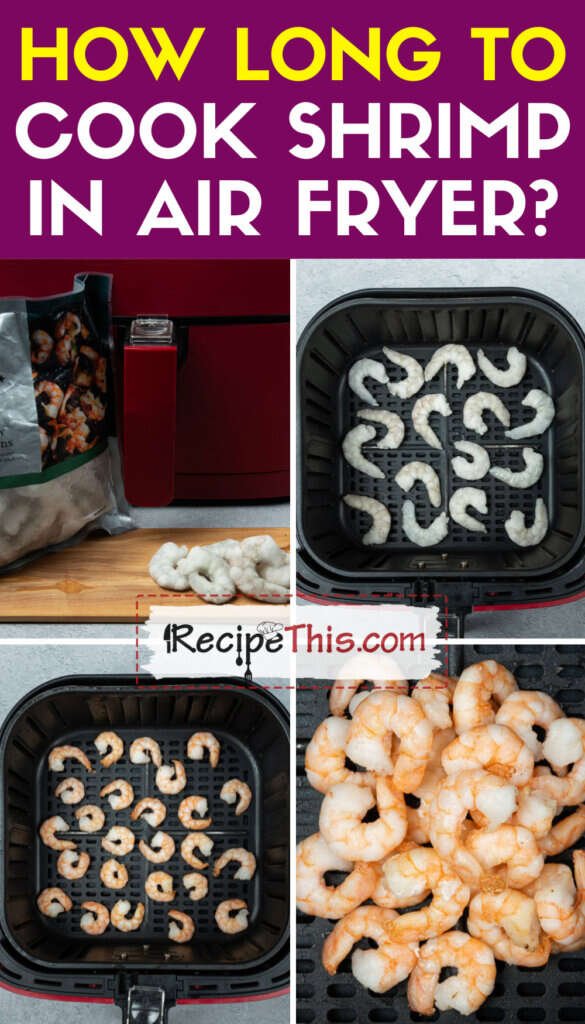
Thawed raw shrimp usually takes 6 to 8 minutes in an air fryer set to 375°F. Small shrimp may finish in 4 to 6 minutes, while jumbo shrimp may need 8 to 10 minutes. Turn the shrimp halfway through cooking and check that the thickest piece reaches 145°F, the safe minimum internal temperature for seafood in the United States.
This guide uses U.S. food-safety advice from the USDA and FDA. Cooking time can change with shrimp size, air fryer model, basket size, and whether the shrimp are raw or precooked.

Quick answer: Air fryer times for thawed shrimp
Cook thawed raw shrimp at 375°F for 6 to 8 minutes in a single layer. Shake the basket or turn the shrimp after about 3 to 4 minutes.


Use this table as a starting point:
| Shrimp size | Approximate count per pound | Air fryer time at 375°F |
|---|---|---|
| Small | 51–60 | 4–6 minutes |
| Medium | 41–50 | 5–7 minutes |
| Large | 31–40 | 6–8 minutes |
| Extra-large | 26–30 | 7–9 minutes |
| Jumbo | 16–20 | 8–10 minutes |
These times apply to raw, thawed shrimp in a preheated air fryer. Start checking early, since shrimp can go from tender to rubbery in a short time.
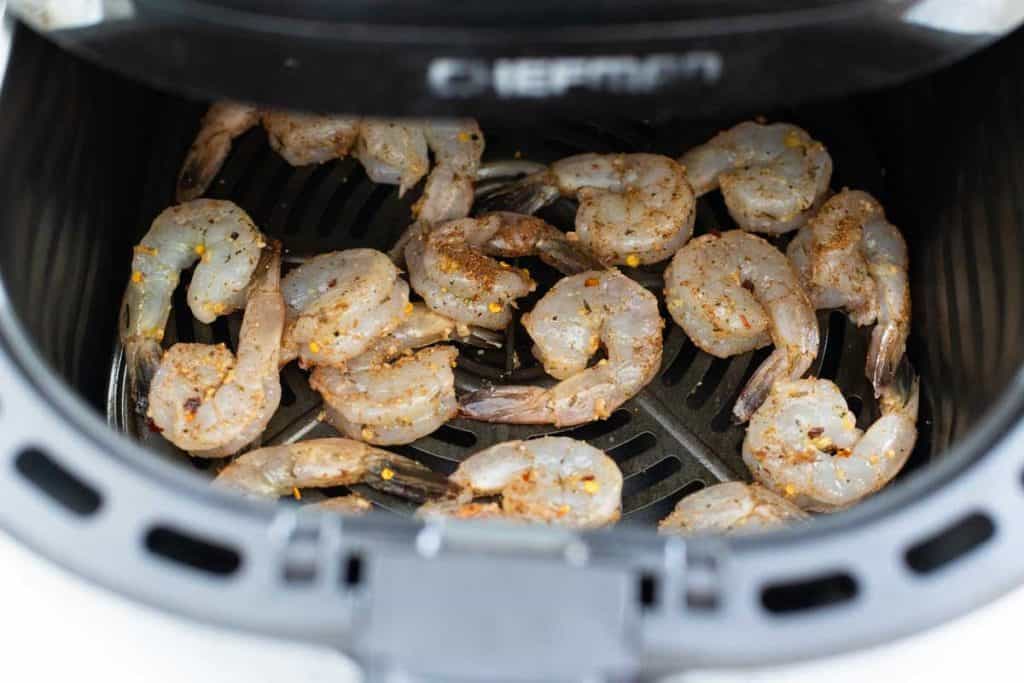
The shrimp are ready when they are opaque and firm, with a curved “C” shape. A tightly curled “O” shape often means they have cooked too long. Color alone is not a perfect safety test, so use an instant-read thermometer when possible.

What you need before cooking
You need thawed shrimp, a clean towel or paper towel, a little oil, <a href="https://en.wikipedia.org/wiki/List_of_MythBusters_episodes" target="_blank" rel="dofollow" style="color: #6b21a8; text-decoration: underline; font-weight: 600;”>seasonings, and an air fryer. A food thermometer is also useful, especially for thick jumbo shrimp.
Remove the shell and vein if needed. You can leave the tail on for easier handling, but the tail does not change the cooking time much.
How to thaw shrimp safely
The safest simple method is to thaw shrimp in the refrigerator. Place the shrimp in a covered container and let them thaw for several hours or overnight.
For a faster method, put the shrimp in a sealed bag and place the bag in cold water. Change the water every 30 minutes if needed. Do not thaw shrimp on the kitchen counter, in warm water, or near a heat source.
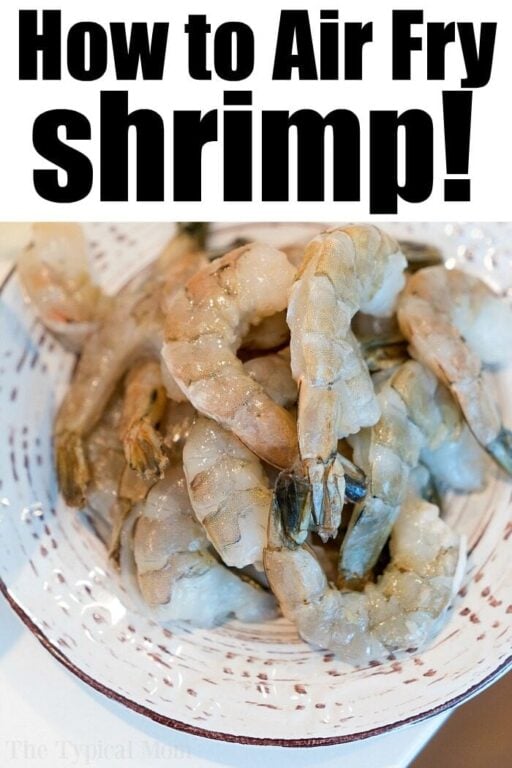
After thawing, drain the shrimp well and pat them dry. Dry shrimp brown better and do not release as much water into the air fryer basket.
Raw versus precooked shrimp
This timing guide is mainly for raw shrimp. Precooked shrimp only need to be heated, so air fry them at 350°F for about 2 to 4 minutes. Check them often to prevent a tough texture.
If the package says “cooked,” “fully cooked,” or “ready to eat,” do not use the longer raw-shrimp cooking time.


How to cook thawed shrimp in an air fryer
Follow these steps for evenly cooked shrimp:
- Preheat the air fryer to 375°F. Preheating helps the shrimp begin cooking at once. If your model does not require preheating, add about 1 minute to the cooking time.
- Dry the shrimp well. Blot away excess water with paper towels.
- Season the shrimp. Toss them with a small amount of oil, such as olive or avocado oil, plus salt, pepper, garlic, paprika, lemon zest, or another seasoning blend.
- Place the shrimp in one layer. Leave a little space between pieces so hot air can move around them.
- Cook for 3 to 4 minutes. Then shake the basket or turn the shrimp with tongs.
- Continue cooking for 2 to 5 minutes. The exact time depends on shrimp size.
- Check for doneness. The center should be opaque and firm. The thickest shrimp should reach 145°F.
- Serve right away. Add lemon juice, herbs, melted butter, or sauce after cooking.
Do not stack a large amount of shrimp in the basket. Crowding traps steam and may leave some shrimp undercooked while others become dry.

How to tell when air-fried shrimp are done
The most reliable sign is an internal temperature of 145°F. Insert the thermometer into the thickest part of the largest shrimp. Because shrimp are small, it can be hard to get an accurate reading, so use several signs together.
Done shrimp should be:
- Opaque rather than gray or glassy in the center
- Firm but still springy
- Pink, white, or lightly golden on the outside
- Curved into a loose “C” shape
- Hot in the center, with no translucent raw area
Shrimp continue to cook slightly after removal from the air fryer. If they look nearly done, take them out and check them again after a brief rest.
Do not rely only on a bright pink color. Some shrimp change color before the center is fully cooked, while seasoned or breaded shrimp can make visual checks harder.

The best air fryer temperature for thawed shrimp
375°F is a useful middle setting because it cooks shrimp quickly without making them dry as easily as very high heat can. You can also use 400°F for a faster cook, but begin checking after 4 minutes.
Here is a practical comparison:
| Air fryer temperature | Typical time | Best use |
|---|---|---|
| 350°F | 7–10 minutes | Gentle cooking and delicate shrimp |
| 375°F | 6–8 minutes | Most raw thawed shrimp |
| 400°F | 4–7 minutes | Fast cooking and light browning |
Air fryer temperatures are not always exact. Two machines set to 375°F may cook at slightly different rates because of basket size, heating design, and airflow.
If your shrimp are heavily coated with oil or sauce, they may brown faster. If they are wet, crowded, or very cold from the refrigerator, they may take longer.

Why shrimp become rubbery in an air fryer
Shrimp become rubbery when their muscle proteins tighten from too much heat or too much time. Their small size makes overcooking easy.


To keep shrimp tender:
- Start checking before the shortest time in the recipe.
- Cook shrimp in a single layer.
- Pat thawed shrimp dry before seasoning.
- Avoid cooking precooked shrimp as if they were raw.
- Remove them as soon as they reach a safe temperature.
- Serve them soon after cooking.
Very large shrimp may need more time than small shrimp, but they do not need a much higher temperature. Moderate heat and careful timing work better than blasting all shrimp at 400°F for a long period.
Should you flip shrimp in the air fryer?
Yes. Turning or shaking shrimp halfway through cooking helps expose both sides to the hot air. This is most useful when the shrimp sit close together or when your air fryer has stronger heat from the top.
Small shrimp may cook evenly without flipping, but a quick shake is still helpful. Use silicone-tipped tongs if the shrimp are delicate or coated with seasoning.
You do not need to flip breaded shrimp if the package gives different instructions. Follow the package directions when they conflict with general timing.

Cooking shrimp with the shell or tail on
You can air fry shrimp with the shell and tail on. The shell may help protect the meat from direct heat, but it can also slow cooking slightly.
Cook shell-on shrimp using the same starting range of 6 to 8 minutes at 375°F for medium or large shrimp. Check the thickest piece before serving.
For easier seasoning and eating, many cooks remove the shell but leave the tail attached. Tail-on shrimp may look attractive for serving, while peeled shrimp are easier to use in tacos, pasta, rice bowls, and salads.

Can you cook marinated shrimp in an air fryer?
Yes, but drain off excess marinade before cooking. A wet marinade can create steam, slow browning, and drip into the bottom of the air fryer.
Oil-based marinades usually work well. Marinades with sugar, honey, or barbecue sauce can darken quickly, so use 350°F to 375°F and check the shrimp early.
Never reuse marinade that touched raw shrimp unless you boil it first. A safer option is to reserve part of the marinade before adding the raw seafood.


Common mistakes to avoid
Overcrowding the basket
A crowded basket blocks airflow. The shrimp may steam instead of roast, and cooking becomes uneven. Cook in batches when needed.
Skipping the drying step
Wet shrimp can turn pale and watery. Patting them dry helps the oil and seasoning cling to the surface.
Using frozen-shrimp timing for thawed shrimp
Frozen shrimp need more time because the air fryer must first remove the ice and warm the center. Thawed shrimp cook faster. If you use frozen shrimp instructions for thawed shrimp, the result may be overcooked.
Adding too much oil
Shrimp need only a light coating. Excess oil can smoke, splatter, or make the shrimp greasy.
Cooking by time alone
A timer is a guide, not a guarantee. Shrimp size and air fryer design affect the result. Check the largest piece before serving.
Leaving cooked shrimp at room temperature
Perishable seafood should not sit out for more than 2 hours, or more than 1 hour when the surrounding temperature is above 90°F. Refrigerate leftovers in a shallow container and use them within 3 to 4 days, following USDA storage guidance.
What to do if the shrimp are undercooked
If the center is still gray, translucent, or cool, return the shrimp to the air fryer. Cook at 375°F for 1 to 2 more minutes, then check again.
If some shrimp are smaller than others, remove the finished pieces first. Continue cooking only the pieces that need more time.
Do not taste shrimp to test whether they are safe. Use a thermometer when possible, and look for an opaque center and firm texture as supporting signs.
If cooked shrimp smell sour, ammonia-like, or unusually strong, discard them. Cooking cannot reliably make spoiled seafood safe.

What to serve with air-fried shrimp
Air-fried shrimp work well with quick sides because they cook in minutes. Try them with:
- Rice, quinoa, or cauliflower rice
- Corn tortillas and cabbage slaw
- Pasta with lemon and garlic
- A green salad
- Roasted vegetables
- Coleslaw or a bean salad
- Grits or mashed potatoes
- Garlic butter and crusty bread
Add acidic ingredients, such as lemon or lime juice, after cooking. Acid can change the texture of shrimp if they sit in it for too long before cooking.
Frequently asked questions
How long do thawed shrimp take at 400°F?
Thawed raw shrimp usually take 4 to 7 minutes at 400°F. Small shrimp may finish sooner, while jumbo shrimp may need closer to 7 minutes. Turn them halfway through and check the thickest piece.
Can I air fry shrimp without oil?
Yes. Shrimp can cook without added oil, but a light coating helps seasonings stick and may improve browning. Avoid spraying aerosol cooking spray directly into some air fryer baskets if the manufacturer warns against it.
Can I cook thawed breaded shrimp in an air fryer?
Yes. Follow the package temperature and time when available. As a general guide, breaded shrimp often take 8 to 12 minutes at 400°F, but coating thickness and whether the shrimp are raw or precooked can change the result.
Can I cook thawed shrimp from the refrigerator?
Yes. Refrigerated thawed shrimp can go directly into the air fryer after draining and drying. They may need about 1 extra minute compared with shrimp that have warmed slightly during preparation.
How should I reheat cooked shrimp?
Reheat cooked shrimp at 350°F for about 2 to 4 minutes. Stop as soon as they are hot. Longer reheating can make them chewy.
Key takeaways
- Cook thawed raw shrimp at 375°F for about 6 to 8 minutes.
- Adjust the time for shrimp size, from about 4 minutes for small shrimp to 10 minutes for jumbo shrimp.
- Turn or shake the shrimp halfway through cooking.
- Cook in a single layer for better airflow.
- Check that the thickest shrimp reaches 145°F.
- Use shorter times for precooked shrimp.
- Remove shrimp promptly to protect their texture.
Conclusion
For most thawed raw shrimp, set the air fryer to 375°F and cook for 6 to 8 minutes. Pat the shrimp dry, season them lightly, arrange them in one layer, and turn them halfway through. Begin checking early, because shrimp cook quickly and can become tough when left in the basket too long.
Sources
- USDA FSIS: Safe Food Handling—Seafood
- USDA FSIS: Seafood and Fish Safety
- FDA: Selecting and Serving Fresh and Frozen Seafood Safely

Appliance Review Expert
Lucas Ramirez is a trusted voice at HomeFixGrid.com, known for his clear, practical, and creatively written guides that simplify appliance care for everyday homeowners. With a strong focus on hands-on testing and real-world problem-solving, Lucas brings expert insight into appliance reviews and troubleshooting techniques. Her work empowers readers to confidently maintain, repair, and choose the right appliances for their homes.