
How Often Should You Replace Your Mattress Topper: Guide
Most mattress toppers should be replaced every three to five years, depending on material, use, and condition.
A mattress topper can soften a firm bed, support better sleep, and extend the life of your mattress. However, even the best topper loses shape over time. Knowing how often you should replace your mattress topper helps you protect your comfort, posture, and sleep quality without replacing it too soon.
How Often Should You Replace Your Mattress Topper?
Most people should replace a mattress topper every three to five years. This is a useful average, not a strict rule. A high-quality latex topper may last seven to ten years, while a low-cost fiber or thin foam topper may last only one to three years.
The right replacement time depends on several factors:
• The topper’s material and thickness
• Your body weight and sleeping position
• How often you use the bed
• Whether you sleep alone or with a partner
• Room temperature and humidity
• How well you clean and protect the topper
• Visible signs of wear
A topper used every night usually wears out sooner than one placed in a guest room. A heavier sleeper may also notice sagging or soft spots earlier. So, when asking how often should you replace your mattress topper, think about its condition first and its age second.
A simple rule is this: replace the topper when it no longer improves your sleep. If you wake with new aches, feel your mattress beneath you, or see deep dips, the topper may have reached the end of its useful life.
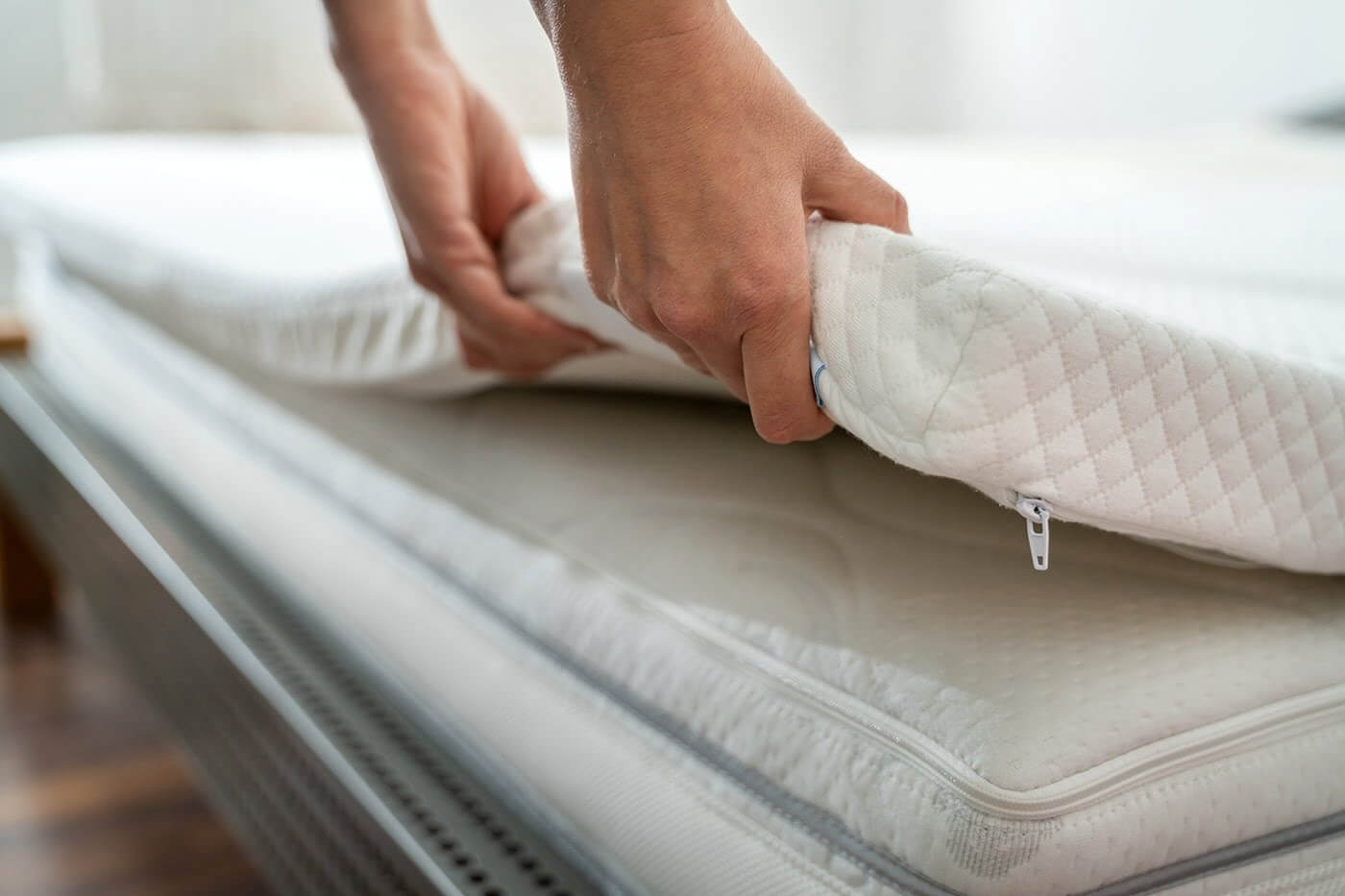
Signs You Need a New Mattress Topper
Age alone does not always tell the full story. Some toppers fail early, while others remain comfortable for years. Watch for changes in comfort, support, cleanliness, and shape.
1. Permanent dips or body impressions
A topper should recover after you remove your body weight. If it stays compressed for hours or develops a deep valley, its materials have started to break down.
Small impressions are normal in many foam products. A deep, permanent dip is different. It can place your spine at an awkward angle and create pressure around your hips or shoulders.
2. New aches and poor sleep
A worn topper may cause lower back pain, shoulder pain, hip soreness, or morning stiffness. It can also make you toss and turn more often.
Of course, pain may have many causes. A topper is only one possible factor. Still, if discomfort began after the topper became lumpy or flat, replacement is worth considering.
3. Lumps, ridges, or uneven areas
Fiber, down alternative, and low-density foam toppers may form lumps over time. These uneven areas can create pressure points and make the bed feel unstable.
Turning the topper may help for a short time. If the lumps return quickly, replacement is usually the better choice.
4. Crumbling foam or a strong odor
Aging foam may crack, crumble, or release small pieces. A mild new-product smell often fades within a few days, but a strong odor that returns after airing out is a warning sign.
Do not keep using a topper that irritates your eyes, skin, or breathing. People with asthma or chemical sensitivities should be especially cautious.
5. Stains, mold, or moisture damage
Sweat, spills, and humidity can move through bedding and reach the topper. Mold or mildew may appear as dark spots, fuzzy growth, or a musty smell.
Do not sleep on a moldy topper. Cleaning may not remove the growth from the inner layers. Replace it and check the mattress below for moisture damage.
6. The topper no longer fits correctly
A topper that slides, bunches, or hangs over the edge can become uncomfortable and unsafe. It may also show that the cover or elastic straps have stretched.
A properly sized mattress protector can help prevent movement. If the problem continues, the topper may be worn out or the wrong size.

Mattress Topper Lifespan by Material
The material has a major effect on how often you should replace your mattress topper. Each type responds differently to pressure, heat, moisture, and cleaning.
Memory foam toppers
A quality memory foam topper often lasts three to five years. Dense foam tends to last longer than low-density foam because it resists permanent compression.
Memory foam may soften over time, especially in warm rooms. If the surface feels much softer than it did at first or your hips sink too far, the foam may be failing.
Latex toppers
Latex is often the most durable topper material. A well-made natural latex topper may last seven to ten years or longer with proper care.
Latex can still develop wear near the areas where you sleep most. It may also break down faster when exposed to direct sunlight, high heat, or moisture.
Polyfoam toppers
Polyfoam toppers vary widely in quality. A firm, high-density product may last three to five years, while a soft, low-density product may lose support within one to three years.
Check the product label for density when possible. Thickness alone does not prove durability.
Fiber and polyester toppers
Fiber-filled toppers are often affordable and easy to wash. Their main weakness is compression. They can flatten, clump, and lose loft within one to three years.
These toppers may suit people who want a low-cost comfort layer. They are less suitable for someone who needs strong pressure relief or long-term support.
Down and down alternative toppers
Down toppers can last several years when they are fluffed and protected. Down alternative products may flatten sooner, often within two to three years.
Moisture is a key concern. Body sweat can reduce loft and create odor, so regular airing and a washable cover are important.
Wool toppers
Wool naturally manages moisture and can remain useful for five to ten years. It may compress over time, but careful reshaping can restore some loft.
A wool topper may need professional cleaning. Always follow the care label to avoid shrinking or felting the fibers.

What Causes a Mattress Topper to Wear Out Faster?
Your sleep habits and bedroom conditions can change how often you should replace your mattress topper. Two people can buy the same model and get very different results.
Body weight and sleeping position
A heavier body places more pressure on the same areas each night. Side sleepers also create concentrated pressure around the shoulders and hips. Both factors can speed up compression.
Back sleepers often spread weight more evenly. However, a soft topper may still sag under the pelvis and cause the lower back to dip.
Sharing the bed
A topper used by two people receives more pressure and movement than one used alone. Partners may also create different wear patterns on each side.
Rotate the topper from head to foot if the manufacturer allows it. Do not flip a topper unless it is designed for two-sided use.
Heat and humidity
Warm rooms can soften some foam materials. High humidity can encourage odor, mildew, and material breakdown.
Use breathable sheets and keep the bedroom dry. A mattress protector can reduce sweat and spills, but it should not trap excessive heat.
Poor support from the mattress below
A topper cannot permanently repair a sagging mattress. If the mattress has a deep dip, the topper will often follow that shape.
This is a common mistake. People may replace the topper several times when the real problem is the mattress foundation.
Lack of protection
A bare topper absorbs sweat, skin oils, dust, and accidental spills. These contaminants can shorten its life and make cleaning more difficult.
Use a breathable, washable mattress protector. Avoid waterproof covers that feel hot or make the topper noisy unless moisture protection is your main need.
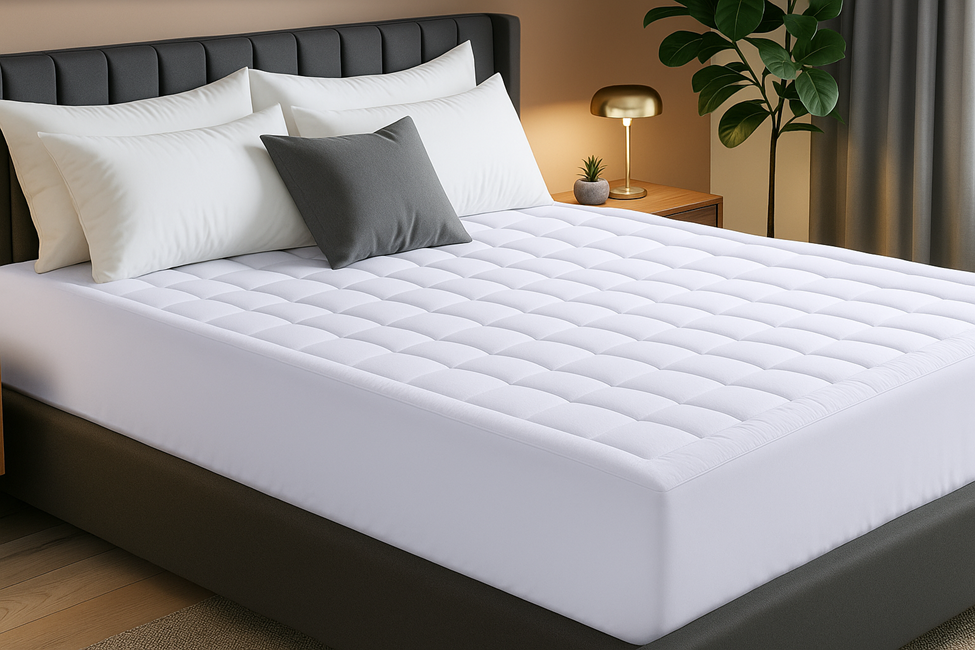
How to Make Your Mattress Topper Last Longer
Good care can add months or even years to a topper’s useful life. It cannot stop normal aging, but it can reduce avoidable damage.
- Use a fitted mattress protector. Choose one that fits over both the topper and mattress without compressing the surface.
- Follow the care label. Some toppers can be machine washed, while others should only be spot cleaned.
- Air the topper regularly. Remove bedding for a few hours so moisture can escape.
- Rotate it when allowed. Turn it from head to foot every three to six months.
- Keep pets from digging into the surface. Claws can damage covers and foam.
- Avoid folding dense foam. A sharp fold can create cracks or permanent creases.
- Keep it away from direct sunlight and strong heat. Heat can damage some foam and latex materials.
- Clean spills quickly. Blot liquid instead of rubbing it deeper into the topper.
- Let it dry fully. Never cover a damp topper, since trapped moisture can lead to mildew.
- Support the bed properly. A strong foundation reduces uneven pressure and movement.
In my own testing of different bedding setups, the biggest mistake was covering a topper before it had fully dried after cleaning. The surface seemed fine, but a stale smell developed later. Patience matters. A topper needs air, not just a clean sheet.

Should You Replace the Mattress or the Topper?
A mattress topper is a comfort accessory, not a replacement for a worn mattress. It can adjust firmness and pressure relief, but it cannot restore broken springs, damaged foam, or a sagging support core.
Replace the topper when:
• The mattress still feels supportive
• You want a different firmness level
• The topper has become flat or uneven
• You notice stains, odors, or material damage
• Your comfort needs have changed
Consider replacing the mattress when:
• The mattress has deep sagging
• You feel springs or hard structural areas
• The edge support has collapsed
• You wake with pain even after changing the topper
• The mattress is roughly seven to ten years old and visibly worn
The age range for mattresses varies by construction and quality. A well-made latex mattress may last longer than a basic innerspring model. Your body and the mattress condition provide better clues than a calendar alone.
A useful test is to place the topper on another supportive bed for a few nights, if possible. If the topper feels comfortable there but not on your usual bed, the mattress may be the true problem.

How to Choose a Replacement Mattress Topper
Once you know how often you should replace your mattress topper, choose the next one based on your sleep needs rather than advertising claims.
Choose the right firmness
Side sleepers often prefer a softer surface that cushions the shoulders and hips. Back and stomach sleepers usually need enough firmness to prevent the midsection from sinking too deeply.
Your mattress firmness matters, too. A soft topper on a soft mattress may create too much sink.
Check the material and density
Look for clear information about the foam type, density, cover, and care instructions. Vague product descriptions make it hard to compare durability.
For foam, density can provide a better clue than thickness. A thick, low-density topper may wear faster than a thinner, higher-density option.
Consider temperature control
If you sleep hot, look for breathable latex, ventilated foam, wool, or a cover designed to release heat. Gel infusions may change the initial feel, but they do not guarantee cool sleep for every person.
Room temperature, bedding, clothing, and body temperature all affect heat. No topper can solve every sleep-temperature problem.
Measure before buying
Confirm the mattress length, width, and depth. A topper that is too small may slide, while one that is too large can bunch beneath the sheets.
Also check the return policy. Comfort is personal, and a topper that feels excellent to one sleeper may feel too soft or too firm to another.
:max_bytes(150000):strip_icc()/GettyImages-2217327824-e97efd14887942d1b0478492afec9a13.jpg)
How to Replace Your Mattress Topper Safely
Replacing a topper is simple, but a few steps can prevent discomfort and waste.
- Remove all bedding and inspect the mattress for stains, sagging, or moisture.
- Measure the mattress and confirm the topper size.
- Recycle or dispose of the old topper according to local rules.
- Unpack the new topper in a well-ventilated room.
- Let foam expand for the time listed by the manufacturer.
- Check the surface for uneven areas before adding sheets.
- Use a breathable protector from the first night.
- Give your body several nights to adjust to the new feel.
A mild odor from new foam can occur. Airing the topper in a ventilated space often helps. If the odor is strong, causes symptoms, or does not improve, contact the manufacturer and stop using it.
Keep the receipt and warranty details. Warranties often cover manufacturing defects, but they may not cover normal softening, stains, or comfort preferences.
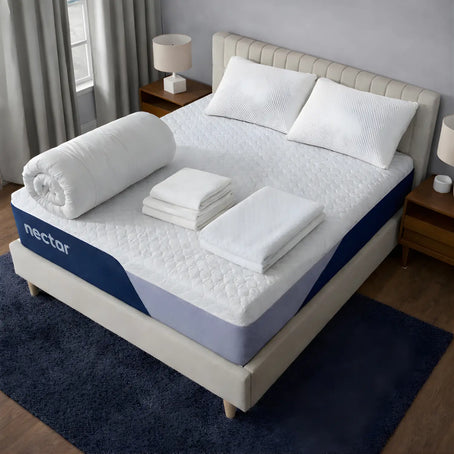
Frequently Asked Questions About How Often Should You Replace Your Mattress Topper
How often should you replace your mattress topper if you use it every night?
Most nightly users should expect to replace a mattress topper every three to five years. Replace it sooner if it develops deep dips, lumps, odors, or no longer relieves pressure.
Can a mattress topper last ten years?
Some latex and wool toppers can last close to ten years with careful use. Most memory foam, fiber, and down alternative toppers will not maintain their original support for that long.
How do I know if my mattress topper is worn out?
Look for permanent body impressions, uneven areas, crumbling material, stains, and new morning pain. If the topper no longer improves the bed, it is likely time for a replacement.
Can washing a mattress topper make it last longer?
Proper cleaning can reduce odors, moisture, and surface damage. However, washing cannot restore foam that has permanently compressed or fibers that have lost their loft.
Should I replace my mattress topper when I replace my mattress?
Not always. A topper may still be clean and supportive, but a new mattress can change the feel of the sleep surface. Test the combination before deciding whether a new topper is needed.
Is a mattress protector necessary for a topper?
A protector is not required, but it is strongly recommended. It helps shield the topper from sweat, spills, skin oils, and allergens while making routine cleaning easier.
Can a topper fix a sagging mattress?
A topper may hide a small comfort problem for a short time, but it cannot repair a sagging mattress. If the mattress has a deep dip or broken support, replacement is usually the lasting solution.
Conclusion
Most mattress toppers need replacement every three to five years, but material, body weight, sleep position, moisture, and daily use all affect that timeline. Latex and wool may last longer, while fiber and low-density foam often wear out sooner.
Inspect your topper instead of relying only on its age. If it is flat, lumpy, stained, smelly, or linked to new aches, replacing it can improve comfort and sleep quality. Check your mattress at the same time so you solve the real problem.
Start with a simple inspection tonight, then choose a topper that fits your sleep position, body, budget, and climate. Share your experience or explore more sleep-care guides to build a healthier, more comfortable bed.

Appliance Review Expert
Lucas Ramirez is a trusted voice at HomeFixGrid.com, known for his clear, practical, and creatively written guides that simplify appliance care for everyday homeowners. With a strong focus on hands-on testing and real-world problem-solving, Lucas brings expert insight into appliance reviews and troubleshooting techniques. Her work empowers readers to confidently maintain, repair, and choose the right appliances for their homes.


