What Are The Best Beds For Bad Backs: Top Picks For Comfort
The best beds for bad backs support the spine, relieve pressure, and keep you comfortable all night.
If you wake with stiffness, pain, or numbness, your mattress may be part of the problem. After comparing mattress materials, firmness levels, sleep positions, and clinical guidance, this guide explains what are the best beds for bad backs and how to choose one with confidence.
What are the best beds for bad backs?
For most people, the best beds for bad backs are medium-firm mattresses with strong support, moderate pressure relief, and enough cushioning to keep the spine level. A mattress that is too soft can let your hips sink. One that is too firm may press against the shoulders and hips.
The ideal bed depends on your body weight, sleep position, pain pattern, and personal comfort. Research on mattress firmness suggests that medium-firm surfaces often support better comfort and spinal alignment than very firm beds, especially for people with chronic lower back pain.
A good mattress should do three things:
• Keep your spine in a neutral, natural position
• Spread pressure across your shoulders, hips, and lower back
• Limit motion and sagging when you change position
The goal is not to find the hardest bed. It is to find a stable surface that supports you without creating new pressure points.
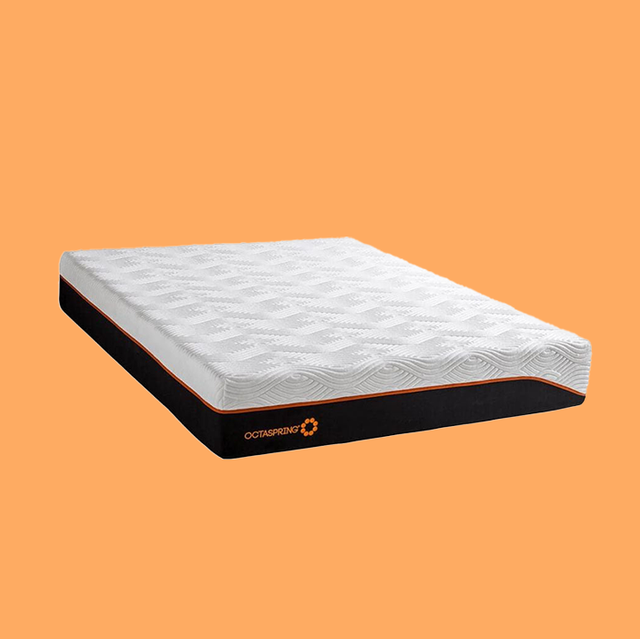
Best mattress types for back pain
Different mattress materials can work well for back pain. The best choice depends on how much support, contour, cooling, and movement control you need.
Hybrid mattresses
Hybrid mattresses combine pocketed coils with foam or latex. They are often among the best beds for bad backs because they offer both support and cushioning.
The coil system helps prevent deep sagging. The comfort layers cushion the hips and shoulders. Pocketed coils also reduce motion transfer better than traditional connected springs.
A hybrid may suit you if you:
• Sleep with a partner
• Need strong edge support
• Feel trapped in all-foam mattresses
• Want a balanced mix of bounce and pressure relief
Look for a hybrid with thick, individually wrapped coils and a comfort layer that is supportive rather than overly soft.
Latex mattresses
Latex mattresses provide a responsive feel. They cushion the body without allowing you to sink deeply into the bed. This can make latex one of the best beds for bad backs for sleepers who need easy movement and stable support.
Natural latex is also durable and tends to sleep cooler than some memory foam products. However, it can feel springier and may not provide enough body-hugging comfort for people with sensitive hips or shoulders.
Latex is worth considering if you:
• Change positions often
• Sleep hot
• Prefer natural or breathable materials
• Want a mattress that resists permanent body impressions
Memory foam mattresses
Memory foam can relieve pressure by shaping itself around the body. It may help side sleepers and people who feel pain at the hips, shoulders, or lower back.
However, very soft memory foam can allow the pelvis to sink too far. That may place the spine in a curved or twisted position. For this reason, medium or medium-firm memory foam is usually a better choice than plush foam for back pain.
Choose memory foam carefully if you:
• Prefer a slow, body-hugging feel
• Need strong motion isolation
• Have pressure points
• Do not move around much during sleep
Innerspring mattresses
Traditional innerspring mattresses can provide firm support and good airflow. Yet, some models have thin comfort layers and may create pressure at the hips and shoulders.
An innerspring mattress may work well when it includes individually wrapped coils and a substantial foam, latex, or fiber comfort layer. Avoid old mattresses with visible sagging or weak support.
Adjustable beds
An adjustable bed lets you raise the head or legs. This can reduce pressure for some people and make it easier to get in and out of bed.
Many people with back pain enjoy a slightly raised upper body or a gentle elevation under the knees. Still, an adjustable base does not fix a poor mattress. The mattress must be flexible and compatible with the base.
How firm should a mattress be for back pain?
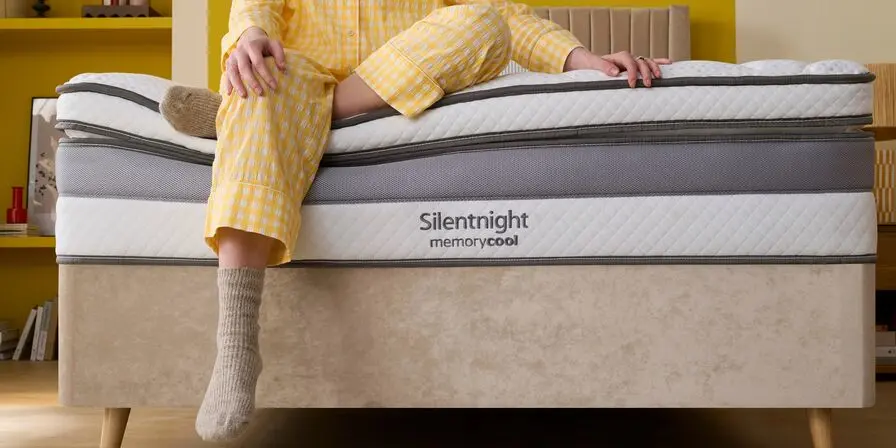
A medium-firm mattress is often the safest starting point for back pain. On a typical scale from 1 to 10, this usually falls around 6 to 7, although firmness ratings vary between brands.
Your body weight changes how a mattress feels. A heavier sleeper may experience a medium mattress as soft. A lighter sleeper may experience the same mattress as firm. This is why a label alone cannot tell you whether a bed will work.
Use these general guidelines:
• Sleepers under 130 pounds may prefer medium or medium-soft cushioning
• Sleepers between 130 and 230 pounds often do well on medium-firm support
• Sleepers over 230 pounds may need firmer support and reinforced coils
These are starting points, not rules. Comfort, alignment, and pressure relief matter more than a number printed on a product page.
A useful test is to lie on the mattress in your usual sleep position. Your hips should not sink far below your shoulders. At the same time, your shoulders and hips should not feel jammed against the surface.
Choose the best bed for your sleep position
Your sleep position affects how your spine rests for seven or eight hours. It also changes where your body needs cushioning.
Best beds for back sleepers
Back sleepers usually need balanced support. The mattress should support the lower back while allowing the hips and shoulders to settle slightly into the comfort layer.
A medium-firm hybrid, latex mattress, or responsive memory foam mattress may work well. If the surface feels too firm, place a thin pillow under your knees. This can reduce the arch in your lower back.
Best beds for side sleepers
Side sleepers need more cushioning around the shoulders and hips. A mattress that is too firm may create pressure and force the spine out of alignment.
The best beds for bad backs for side sleepers often have medium firmness with a soft, pressure-relieving comfort layer. Memory foam and softer latex can work well. You should still avoid excessive sink, which can bend the waist.
A pillow between the knees can also help keep the pelvis level.
Best beds for stomach sleepers
Stomach sleeping can increase strain on the neck and lower back. The hips may sink into the mattress, creating an exaggerated curve in the spine.
If you sleep on your stomach, choose a supportive mattress that prevents your midsection from sinking. A low-loft pillow, or no pillow under the head, may reduce neck strain. If possible, gradually move toward side or back sleeping.
Best beds for combination sleepers
Combination sleepers need a mattress that responds quickly when they turn. Latex and hybrid mattresses often work better than very slow memory foam.
Choose a surface that offers pressure relief without making movement difficult. Strong edge support can also help you push yourself into a new position.

Features to look for in a back-friendly bed
When comparing what are the best beds for bad backs, look beyond the brand name. Construction details often matter more than marketing terms.
Zoned support
Zoned support uses firmer materials under the center of the body and softer materials near the shoulders and legs. This design may help keep the pelvis from sinking too deeply.
Zoning is not essential for everyone. It can feel helpful for some people and uncomfortable for others, especially if the zones do not match their body shape.
Strong edge support
Strong edges make it easier to sit down, stand up, and move across the bed. This is useful for people with limited mobility or morning stiffness.
A reinforced perimeter can also increase the usable sleep area. Weak edges may cause you to roll toward the side, which can reduce support.
A durable support core
The support core carries most of your weight. Look for high-quality pocketed coils, dense foam, or durable latex.
A mattress that sags in the first few years is unlikely to remain one of the best beds for bad backs. Check the warranty for sagging limits, but remember that warranties do not always cover a small dip that still feels uncomfortable.
Breathable materials
Heat can disturb sleep and increase discomfort. Coils, latex, breathable covers, and open-cell foams may improve airflow.
Cooling features do not directly treat back pain. They simply help you sleep more comfortably, which may support better recovery.
A suitable foundation
A mattress can perform poorly on a weak or flexible base. Use the foundation recommended by the manufacturer. Slats should be close enough together to prevent the mattress from bending between them.

How pillows and bed bases affect back pain
Even the best bed for bad backs may feel wrong with the wrong pillow. Your pillow should keep your head level with the rest of your spine.
Side sleepers often need a taller, firmer pillow. Back sleepers usually need medium height. Stomach sleepers often need a thin pillow to reduce neck rotation.
Your bed base matters too. An adjustable base can raise the upper body or legs. A firm, level platform can improve support when a mattress feels unstable.
Try these simple changes before buying a new mattress:
• Place a pillow under your knees when sleeping on your back
• Place a pillow between your knees when sleeping on your side
• Use a small pillow under the lower abdomen if you must sleep on your stomach
• Check whether the bed frame bows, creaks, or dips
These low-cost changes may not solve chronic pain, but they can reveal whether positioning is part of the issue.

Common mattress mistakes that worsen back pain
Many shoppers choose a mattress based on price, brand popularity, or showroom feel. Those factors matter, but they do not prove that a bed will support your back.
Avoid these common mistakes:
• Buying the firmest mattress available because you believe hard beds are always better
• Choosing a soft pillow-top that allows your hips to sink
• Testing a mattress for only two minutes in a store
• Ignoring your usual sleep position
• Keeping a sagging mattress because it still looks acceptable
• Forgetting to check the return policy
• Assuming a high price guarantees better spinal support
A mattress can feel wonderful for five minutes and uncomfortable after six hours. That is why a home trial is valuable. Your body needs time to adjust, and your sleep pattern offers a better test than a showroom visit.
One lesson that comes up often in mattress comparisons is that “firmer” does not always mean “more supportive.” Support means keeping your body level. Firmness describes how hard the surface feels. They are related, but they are not the same.

How to test a mattress before you keep it
Use a simple testing plan when you receive a new mattress. This can help you judge comfort without relying on advertising claims.
-
Give your body several nights to adjust, unless the mattress causes sharp or worsening pain.
-
Sleep in your normal position and use your usual pillow.
-
Notice whether your hips sink lower than your shoulders.
-
Check for pressure at the shoulders, hips, ribs, or knees.
-
Observe how you feel when you get up, not only how you feel at bedtime.
-
Ask your partner whether the mattress creates movement or sagging.
-
Keep notes for at least two weeks during the trial period.
A good mattress should not cause new numbness, tingling, or strong pain. Mild adjustment stiffness can happen, but severe symptoms are a reason to stop and reassess.
If you share a bed, both people should test it. A mattress may feel supportive for one person and too soft or too firm for the other.

When a mattress is not the real cause of back pain
A mattress can affect comfort, but it does not treat every cause of back pain. Muscle strain, arthritis, disc problems, nerve irritation, poor posture, and injuries may all play a role.
Seek medical care quickly if back pain follows a serious fall or accident. You should also seek prompt help for leg weakness, loss of bladder or bowel control, numbness around the groin, fever, or unexplained weight loss.
For ongoing pain, a doctor or physical therapist can assess your movement and recommend safe exercises. Clinical care is especially important when pain lasts more than a few weeks or limits normal activity.
A new mattress may support better sleep, but it should not replace diagnosis or treatment. Think of it as part of a larger plan that may include movement, strength work, posture changes, and professional care.
How much should you spend on a back-friendly mattress?
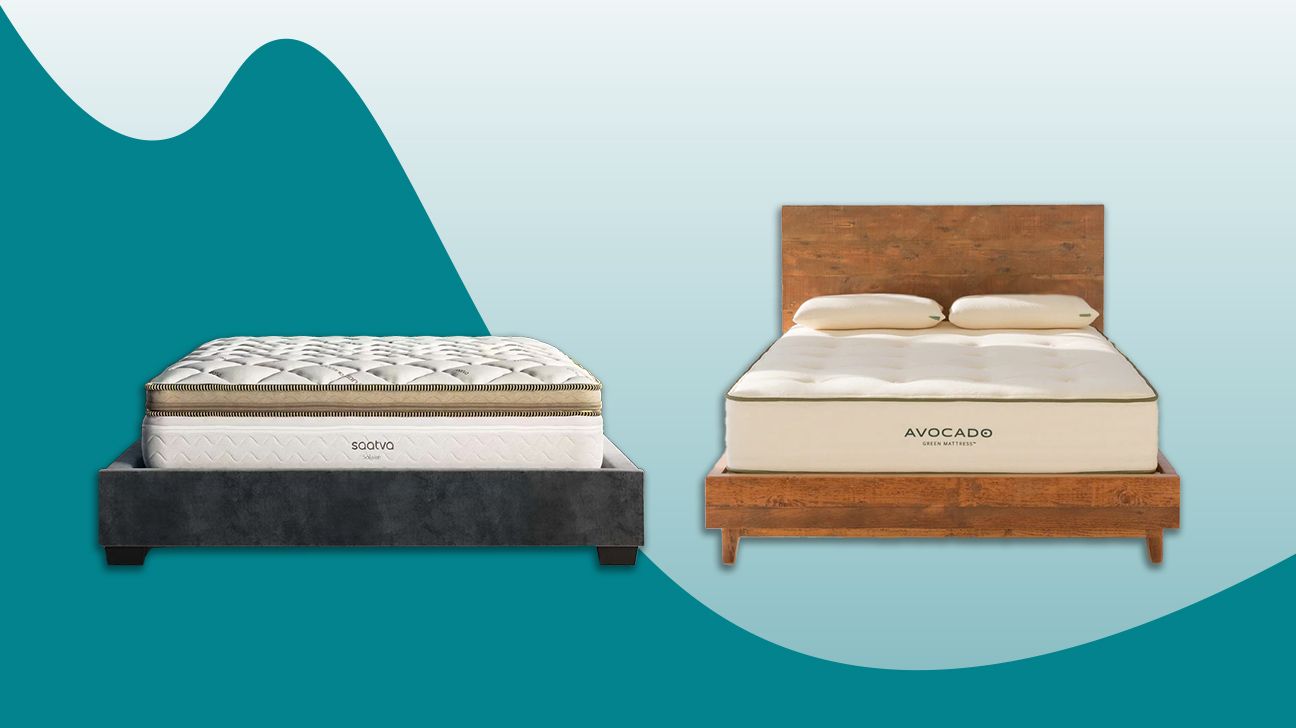
You do not need the most expensive mattress to find one of the best beds for bad backs. Price often reflects materials, construction, brand costs, and service policies. It does not guarantee a perfect match.
Focus your budget on:
• A durable support core
• A comfort layer that suits your sleep position
• A trial period of at least several weeks
• A clear warranty
• Free or reasonable returns
• A foundation that supports the mattress correctly
Very cheap mattresses may use weak foam or thin comfort layers. Premium mattresses may offer better materials, but a mid-range hybrid or latex mattress can provide excellent support.
Also consider the full cost. Delivery, removal of your old mattress, adjustable bases, sheets, and return fees can change the final price.
Frequently Asked Questions
What are the best beds for bad backs?
The best beds for bad backs are usually medium-firm hybrid, latex, or memory foam mattresses that keep the spine level and reduce pressure. The right choice also depends on body weight, sleep position, and personal comfort.
Is a firm or soft mattress better for back pain?
A medium-firm mattress often works better than an extremely firm or soft mattress. Very soft beds may allow the hips to sink, while very firm beds can create pressure at the shoulders and hips.
Can a memory foam mattress help lower back pain?
Yes, memory foam can help by reducing pressure and limiting movement between partners. Choose a supportive medium or medium-firm model so your pelvis does not sink too far.
Are hybrid mattresses good for bad backs?
Hybrid mattresses can be an excellent choice because coils provide stable support while foam or latex cushions pressure points. Look for strong edge support, durable coils, and a comfort layer suited to your sleep position.
Should I use an adjustable bed for back pain?
An adjustable bed may improve comfort by raising your upper body or supporting your legs. It cannot correct a sagging or unsuitable mattress, so the mattress and base must work together.
How often should you replace a mattress with back pain?
Many mattresses last about seven to 10 years, but lifespan depends on materials, use, and care. Replace yours sooner if it sags, causes new pain, or no longer feels supportive.
Can a mattress topper fix back pain?
A topper may adjust firmness and add pressure relief, but it cannot repair a worn-out support core. Use one as a short-term test or comfort change, not as a permanent fix for deep sagging.
Conclusion
The best beds for bad backs usually offer medium-firm support, steady spinal alignment, and enough cushioning for your sleep position. Hybrids, latex, and well-designed memory foam mattresses can all work well when they prevent sagging and reduce pressure.
Do not choose a mattress based only on firmness, price, or brand. Test it at home, use the correct pillow and foundation, and track how your back feels each morning. If pain is severe, persistent, or linked with warning signs, speak with a medical professional.
Use these guidelines to narrow your options, compare trial policies, and choose a bed that supports better sleep. Share your experience or explore more sleep and back-care resources to make your next mattress decision with confidence.

Appliance Review Expert
Lucas Ramirez is a trusted voice at HomeFixGrid.com, known for his clear, practical, and creatively written guides that simplify appliance care for everyday homeowners. With a strong focus on hands-on testing and real-world problem-solving, Lucas brings expert insight into appliance reviews and troubleshooting techniques. Her work empowers readers to confidently maintain, repair, and choose the right appliances for their homes.