
How To Find The Right Mattress: Best Buying Guide
The right mattress supports your sleep position, body shape, comfort needs, budget, and long-term health.
Learning how to find the right mattress is less about choosing the most expensive model and more about matching the mattress to your body and sleep habits. This guide explains firmness, materials, support, cooling, durability, trial periods, and return policies so you can shop with confidence instead of guessing in a showroom.
Start With Your Sleep Position
Your sleep position affects how much pressure your shoulders, hips, and spine receive each night. It should be the first factor you consider when learning how to find the right mattress.
Side sleepers
Side sleepers usually need enough cushioning for the shoulders and hips. A mattress that is too firm may create pressure at these points and cause numbness or soreness.
A medium-soft to medium mattress often works well. Memory foam and hybrid mattresses can both offer useful pressure relief, but your body weight also matters. Heavier side sleepers may need a slightly firmer surface to prevent the hips from sinking too far.
Back sleepers
Back sleepers need balanced support. The mattress should allow the lower back to rest in its natural curve without letting the hips drop too deeply.
A medium-firm mattress is a common starting point. Latex, foam, and hybrid models can work well if they support the lumbar area without feeling stiff.
Stomach sleepers
Stomach sleepers often need firmer support. A soft mattress can allow the midsection to sink, which may place extra strain on the lower back and neck.
Look for a firm or medium-firm mattress with strong edge and core support. A thin comfort layer may add cushioning without allowing too much sinking.
Combination sleepers
Combination sleepers change positions during the night. They need a mattress that provides pressure relief but also allows easy movement.
Responsive latex, hybrid, and pocketed coil mattresses are often good choices. Very slow memory foam may feel comfortable at first but can make turning harder for some people.

Consider Your Body Weight and Shape
Body weight changes how a mattress feels. The same model may feel firm to one person and soft to another, so firmness labels are not universal.
People with a lighter body weight may rest mostly on top of a mattress. A soft or medium comfort layer can help prevent pressure on the shoulders and hips.
People with a higher body weight may sink more deeply into the same mattress. A supportive model with strong coils, dense foam, or reinforced edges may provide better comfort and durability.
Your body shape matters, too. A person with broad shoulders may need more upper-body cushioning, while someone with wider hips may need extra support around the pelvis.
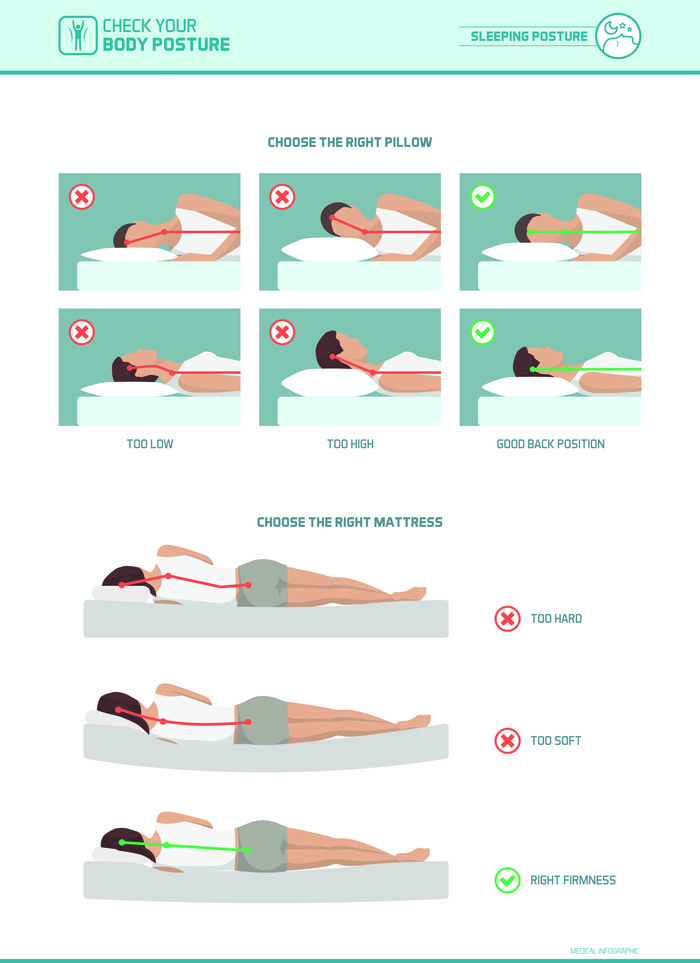
When considering how to find the right mattress, focus on spinal alignment rather than a firmness label alone. Your spine should remain fairly straight when viewed from the side. It does not need to feel perfectly flat, but your hips should not sag and your shoulders should not be pushed upward.

Choose the Right Mattress Material
Each mattress material has a different feel. Understanding these materials makes it easier to narrow your search.
Memory foam
Memory foam contours closely to the body. It can reduce motion transfer, which helps couples who wake when their partner moves.
Its limits include heat retention, a slow response, and a possible “stuck” feeling. New foam may also produce an odor for a short time after opening. Good airflow and a breathable cover can help, but no foam mattress is completely cool for every sleeper.
Latex
Latex feels springy and responsive. It usually makes movement easier and may sleep cooler than traditional memory foam.
Natural latex can be durable, but it is often more expensive. Latex also has a distinct buoyant feel that some people love and others dislike.
Innerspring
Traditional innerspring mattresses use a coil support system with a comfort layer above it. They often provide strong airflow and a familiar, bouncy feel.
Basic innerspring models may have thinner comfort layers. This can lead to pressure on the shoulders and hips for some side sleepers.
Hybrid
Hybrid mattresses combine coils with foam or latex. They often balance support, pressure relief, airflow, and responsiveness.
A hybrid can be a strong choice for couples, combination sleepers, and people who want support without the deep hug of all-foam construction. Still, hybrid quality varies widely, so check the coil system and comfort materials.
Pillow-top and Euro-top
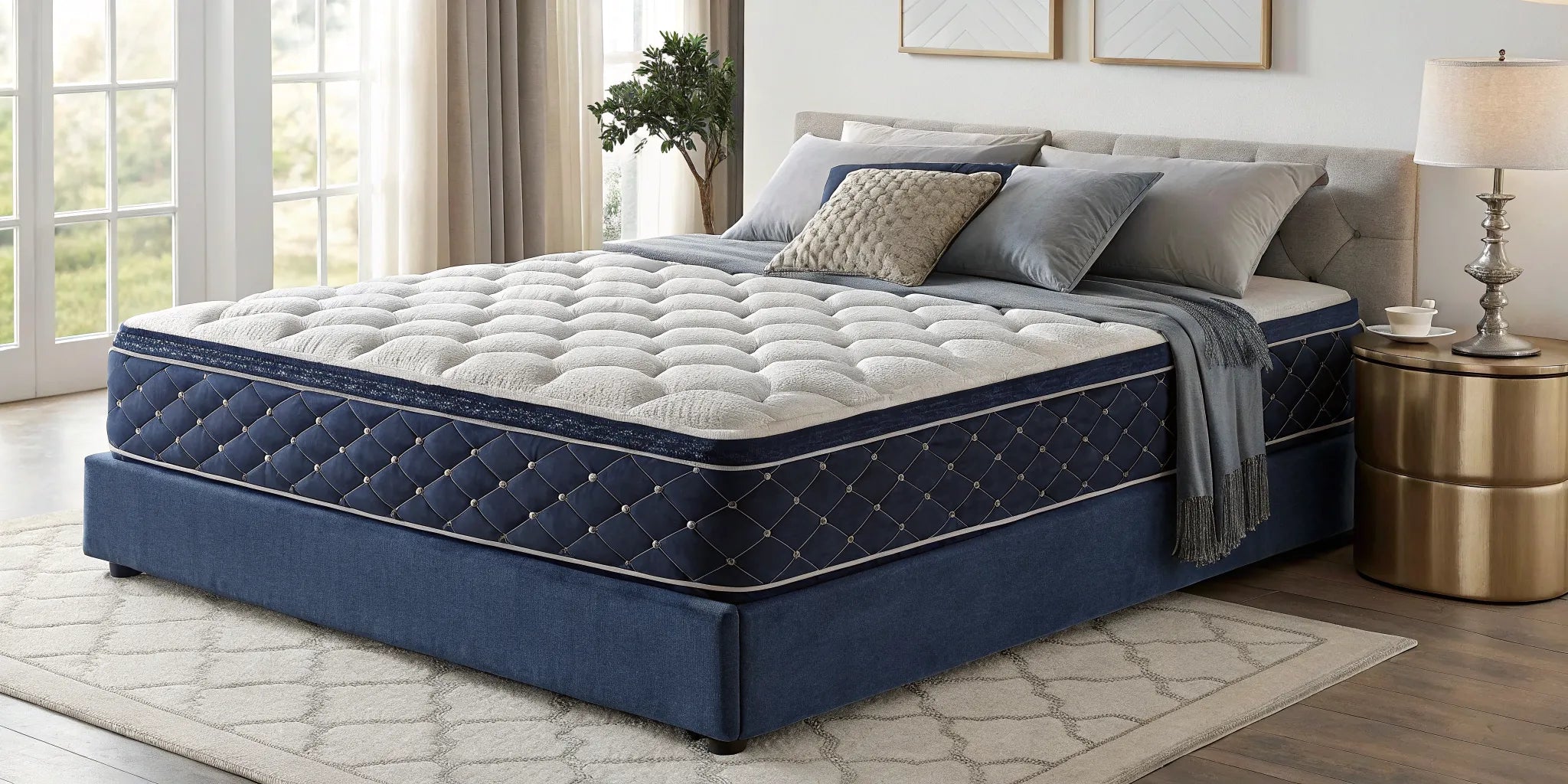
These mattresses include a thick cushioned layer sewn to the top. They may feel plush and inviting, but soft materials can compress over time.
A pillow-top is not automatically better. Check whether the cushioning uses durable foam or lower-quality material that may develop body impressions.
Pick a Firmness That Matches Your Needs
Firmness describes the surface feel, not the total level of support. A soft mattress can have a strong support core, while a firm mattress can still lack proper support.
Most brands use a scale from 1 to 10, with 1 being very soft and 10 being very firm. These ratings are not standardized, so a “medium-firm” mattress from one company may feel different from another.
Use this as a general guide:
• Soft, around 2 to 4: Often suits lighter side sleepers and people who want a deep, cushioned feel.
• Medium, around 5 to 6: Often suits side sleepers, combination sleepers, and many average-weight adults.
• Medium-firm, around 6 to 7: A useful starting point for back sleepers and couples with different preferences.
• Firm, around 7 to 9: Often suits stomach sleepers, heavier sleepers, and people who prefer minimal sink.
If you share a bed, avoid choosing only for yourself. A split king mattress or two twin XL mattresses can let each person choose a different firmness.
The best way to learn how to find the right mattress is to treat firmness as a starting point, not a final answer. Your comfort, alignment, and pressure relief matter more than the number on the box.

Test the Mattress the Smart Way
A short showroom test can help, but it cannot fully predict how you will sleep after several weeks. Your body needs time to adjust to a new surface.
If you shop in person, lie in your normal sleep position for at least 10 to 15 minutes. Do not sit only on the edge or lie flat on your back if you normally sleep on your side.
Bring your partner if you share the bed. Test movement, edge support, and noise. Ask whether the mattress has a home trial, and request the exact terms in writing.
If you shop online, check these details before ordering:
• The length of the sleep trial
• Whether a minimum adjustment period is required
• Return shipping or pickup fees
• Whether returns are allowed after opening
• The warranty length and coverage
• The required bed frame or foundation
• Whether stains, damage, or removed tags affect the return
Many online mattresses arrive compressed in a box. They may need several hours or even a few days to expand fully. Follow the manufacturer’s instructions and allow your body time to adjust before making a final choice.
Check Support, Pressure Relief, and Alignment
Support and comfort are related, but they are not the same. Comfort describes how pleasant the surface feels. Support describes how well the mattress holds your body in a healthy position.
A mattress may feel soft and cozy for five minutes but fail to support your hips during a full night. Another mattress may feel slightly firm at first but provide better alignment after your body adjusts.
Use this simple test:
-
Lie in your usual sleeping position.
-
Ask someone to check whether your spine looks fairly straight.
-
Notice pressure around your shoulders, hips, knees, and lower back.
-
Roll into another position and check how easily you can move.
-
Pay attention to pain or numbness after lying down for several minutes.
For back sleepers, place a hand beneath the lower back. A small gap is normal, but a large gap may suggest poor support. If your lower back feels pushed upward, the mattress may be too firm or the comfort layer may be too thin.
For side sleepers, check whether your spine slopes downward from the hips to the shoulders. Excessive sinking can cause misalignment, while too little cushioning can create shoulder pressure.
Think About Temperature and Airflow
A hot mattress can disturb sleep even when its comfort level is excellent. Temperature depends on the foam type, cover fabric, coil design, bedroom climate, bedding, and your own body temperature.
Memory foam tends to retain more heat than coil or latex systems. Some manufacturers add gel, graphite, copper, or phase-change materials. These features may improve surface temperature, but marketing terms do not guarantee a cool night.
For better airflow, consider:
• A hybrid or latex design
• A breathable mattress cover
• A supportive slatted foundation
• Lightweight cotton or linen bedding
• A bedroom temperature near 65 degrees Fahrenheit, if comfortable for you
The mattress is only one part of your sleep system. A thick polyester comforter can make a breathable mattress feel hot, while a cool room may improve the feel of nearly any model.

Choose the Right Mattress for Couples
Couples often have different sleep positions, body weights, and comfort preferences. Motion transfer and edge support become especially important.
Memory foam usually absorbs movement well. Pocketed coils can also reduce motion transfer because each spring moves more independently than older connected coil systems.
A mattress with strong edge support gives both sleepers more usable space. This can make a smaller bed feel larger and reduce the sensation of rolling toward the edge.
Consider a split design if you disagree about firmness. You can also use a mattress topper on one side, although this may create a height difference or uneven feel.
When explaining how to find the right mattress to couples, I often compare it to choosing a shared thermostat. The goal is not to make both people identical. The goal is to create a sleep setup that gives each person enough comfort and space.
Set a Realistic Budget
A higher price does not always mean better sleep. Mattress prices reflect materials, construction, brand costs, marketing, and sales strategy.
Set a budget before shopping, but compare construction rather than the ticket price. Look for useful details such as:
• Coil count and coil design
• Foam density
• Latex type
• Layer thickness
• Cover quality
• Foundation requirements
• Warranty terms
Very cheap mattresses may use thin comfort layers that compress sooner. However, a mid-priced mattress may offer excellent value if it has durable materials and a strong return policy.
Do not forget related costs. You may need a foundation, frame, mattress protector, delivery, removal of the old mattress, or new sheets with deeper pockets.
Understand Mattress Durability and Warranties
Mattress lifespan depends on material quality, body weight, use, rotation, moisture, and construction. Many mattresses last roughly seven to ten years, but this is only a broad estimate.
Foam density is more useful than vague claims such as “premium” or “luxury.” Higher-density foam often resists early softening better, although it may retain more heat.
Latex is known for durability, while coil mattresses can remain supportive when the comfort layers are well made. The top comfort layer often shows wear before the support core.
A warranty protects against specific manufacturing defects. It usually does not cover normal softening, comfort changes, stains, or damage from an unsuitable foundation.
Read the warranty before buying. Confirm the sagging measurement required for a claim and learn whether transportation costs are covered.
Avoid Common Mattress Shopping Mistakes
Many mattress problems begin before the purchase. A few simple checks can prevent expensive frustration.
• Choosing by brand name alone: A trusted brand may still make models that do not suit your body.
• Trusting firmness labels completely: Ratings vary between manufacturers.
• Testing for only two minutes: A mattress can feel different after sustained pressure.
• Ignoring the foundation: An old or weak frame can change the feel and damage the mattress.
• Buying without checking the return policy: A trial is useful only when the terms are clear.
• Selecting based only on price: Low cost may mean thinner or less durable materials.
• Forgetting your sleep position: Your preferred feel may not match your body’s support needs.
• Keeping an uncomfortable mattress too long: Do not ignore ongoing pain, numbness, or poor sleep.
One lesson worth remembering is that the “best” mattress is personal. Reviews can reveal patterns, but they cannot replace your own comfort test.
Use a Simple Mattress Buying Checklist
Use this checklist before placing an order:
-
Identify your main sleep position.
-
Consider your body weight, shape, and pressure points.
-
Decide whether you prefer a soft, balanced, or firm feel.
-
Compare foam, latex, innerspring, and hybrid construction.
-
Check cooling features if you sleep hot.
-
Consider motion isolation and edge support if you share the bed.
-
Review the sleep trial, return rules, warranty, and delivery terms.
-
Confirm that your bed frame or foundation is compatible.
-
Calculate the full cost, including accessories and removal fees.
-
Keep all purchase records until the trial period ends.
This process helps turn how to find the right mattress from a confusing shopping task into a clear decision. You do not need to understand every technical term. You only need to connect the mattress design to your personal needs.
Frequently Asked Questions About How to Find the Right Mattress
How do I know which mattress firmness is right for me?
Start with your sleeping position, body weight, and pressure points. Side sleepers often prefer more cushioning, while stomach sleepers commonly need firmer support; back sleepers usually do well with a balanced medium to medium-firm feel.
Is memory foam or a hybrid mattress better?
Neither is best for everyone. Memory foam often provides better motion isolation, while hybrids usually offer stronger airflow, easier movement, and a more responsive feel.
How long should I test a new mattress?
Use the full trial period when possible, because your body may need several weeks to adjust. Follow the company’s minimum break-in rule before requesting a return.
Should I choose a soft or firm mattress for back pain?
There is no single firmness that treats every type of back pain. A supportive medium-firm mattress may help some people, but persistent or severe pain should be discussed with a qualified health professional.
How often should I replace my mattress?
Many mattresses last about seven to ten years, but condition matters more than age alone. Replace it when you notice lasting sagging, broken support, worsening discomfort, or consistently poor sleep.
Can a mattress topper fix the wrong mattress?
A topper can change surface softness and add pressure relief, but it cannot fully repair a weak or sagging support core. If the mattress lacks basic support, replacement is usually a better long-term solution.
What is the best mattress for hot sleepers?
Latex and hybrid mattresses often provide better airflow than dense all-foam models. Breathable bedding, a cool bedroom, and a suitable mattress cover also affect temperature.
Conclusion
The best way to learn how to find the right mattress is to match the mattress to your sleep position, body, comfort preferences, room temperature, and budget. Focus on spinal alignment, pressure relief, support, materials, trial terms, and warranty coverage rather than relying on price or brand popularity.
Take your time, test the mattress in your usual sleep position, and read the return policy before you buy. With a clear checklist and realistic expectations, you can choose a mattress that supports better sleep for years. Share your mattress experiences or explore more sleep resources to make your next purchase even easier.

Appliance Review Expert
Lucas Ramirez is a trusted voice at HomeFixGrid.com, known for his clear, practical, and creatively written guides that simplify appliance care for everyday homeowners. With a strong focus on hands-on testing and real-world problem-solving, Lucas brings expert insight into appliance reviews and troubleshooting techniques. Her work empowers readers to confidently maintain, repair, and choose the right appliances for their homes.


