What Is The Best Plush Mattress: Top Picks For Comfort
The best plush mattress balances soft pressure relief, strong support, cooling, durability, and your preferred sleep position.
Finding the best plush mattress is not simply about choosing the softest bed in a showroom. A good plush mattress should cushion your shoulders and hips while keeping your spine level, limiting motion transfer, and resisting heat buildup. After comparing mattress designs, comfort layers, support systems, and common sleeper needs, this guide will help you choose a plush bed with confidence.
What is a plush mattress?
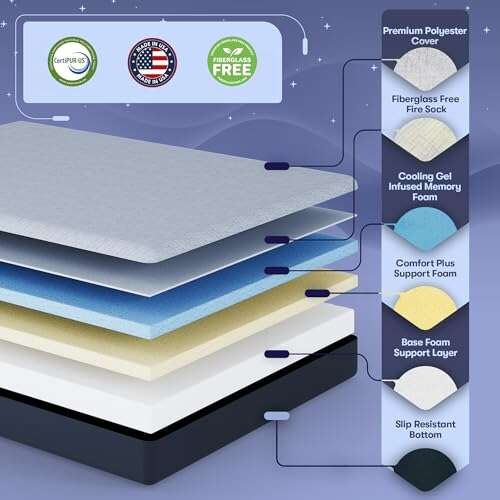
A plush mattress has a softer surface than a medium or firm mattress. It usually contains thicker comfort layers made from memory foam, latex, fiber, or soft quilting. These layers let your body sink slightly into the bed.
However, “plush” does not always mean weak or unsupportive. The best plush mattress combines a soft top with a stable support core. Think of it like a supportive shoe with a cushioned insole: comfort matters, but structure still protects your body.
Most mattresses use a firmness scale from 1 to 10. A plush model often falls between 2 and 5, although brands use different testing methods. One company’s “soft” mattress may feel like another company’s “medium-soft.”
Important features include:
• A cushioned comfort layer for pressure relief
• A supportive core that keeps your hips from sinking too far
• Good edge support for sitting and getting out of bed
• Breathable materials that reduce heat retention
• Motion isolation if you share the bed
• A trial period long enough to judge real comfort
A mattress can feel soft in a store but too firm after several nights. Your body needs time to adjust, especially if you are moving from an old, worn mattress.
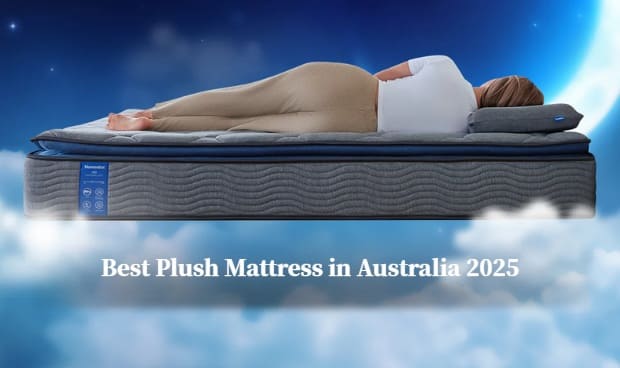
Best plush mattress options for different sleepers
There is no single winner for every person. Weight, sleep position, body shape, temperature, and budget all change how a mattress feels. The options below are strong starting points, but you should still check each brand’s current design and return policy.
Best overall: Saatva Classic Plush Soft
The Saatva Classic in the Plush Soft feel is a strong choice for sleepers who want a soft surface with traditional innerspring support. Its coil-on-coil design gives the bed a responsive feel rather than the deep, slow sink found in some memory foam mattresses.
This mattress may suit:
• Side sleepers who need shoulder and hip cushioning
• Couples who prefer easy movement
• People who like a gentle bounce
• Sleepers who want reinforced edges
Its main limitation is motion transfer. The coils may allow more movement across the bed than an all-foam model. It may also feel too soft for some stomach sleepers.
Best for side sleepers: Helix Sunset Luxe
The Helix Sunset Luxe is designed with side sleepers in mind. Its softer comfort system can help reduce pressure at the shoulders and hips, which are common trouble spots for people who sleep on their side.
The zoned support design may also help keep the middle of your body from sinking too deeply. That balance is important because a mattress that is too soft can bend the spine out of alignment.
This may be a good fit if you want:
• Noticeable cushioning
• A softer memory foam feel
• Helpful lumbar support
• Good motion control for couples
Heavier sleepers may need a firmer model or a mattress with stronger support. Softness also depends on body weight, so a person under 130 pounds may feel a bed as firmer than someone over 230 pounds.
Best plush hybrid: WinkBed Softer
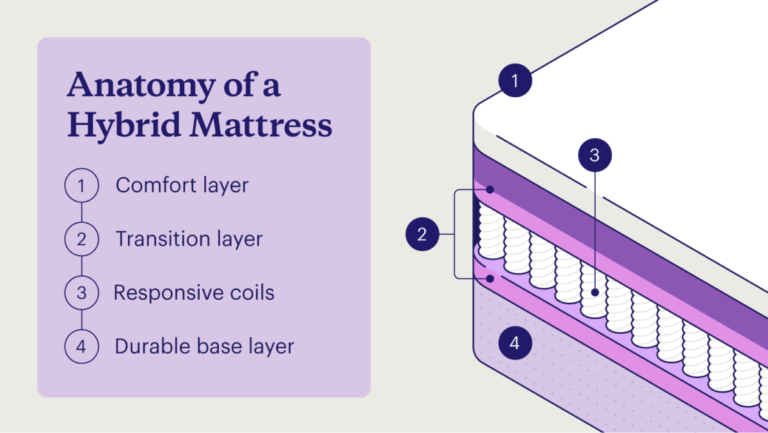
The WinkBed Softer combines pressure-relieving foam with coils. This design offers a plush surface while keeping more lift and airflow than many all-foam mattresses.
It may work well for people who want to sink into the bed without feeling trapped. The edge support can also make the mattress feel larger and easier to use.
The trade-off is that a plush hybrid may feel less contouring than a dense memory foam bed. If you want a slow, deep hug, an all-foam model may feel more suitable.
Best for deep pressure relief: Nolah Evolution 15 Plush
The Nolah Evolution 15 in its plush feel uses layered foam and a zoned support system. It is built to cushion sensitive joints while supporting the center of the body.
This type of mattress may help side sleepers who wake with sore shoulders or hips. It can also suit people who prefer a thicker comfort system and a more enveloping feel.
The taller profile may require deep-pocket sheets. Its price can also be higher than that of simpler foam mattresses.
Best for a luxury memory foam feel: TEMPUR-ProAdapt Soft
A soft TEMPUR material mattress offers close body contouring and strong motion isolation. It can feel calm and stable, especially when one partner moves during the night.
This design may suit people who enjoy a slow response and deep pressure relief. It can be less suitable for sleepers who change positions often because the foam responds slowly.
Memory foam can also retain heat. Look for breathable covers, a cool room, and lightweight bedding if you tend to sleep warm.

How to choose the best plush mattress
The best plush mattress should match your body and sleep habits, not just a product label. Start by looking at the factors that affect comfort most.
Consider your sleeping position
Your sleep position is one of the best guides to mattress firmness.
Side sleepers usually need more cushioning. A soft or medium-soft mattress can reduce pressure around the shoulders and hips. But the mattress must still support the waist and pelvis.
Back sleepers often need a medium-plush feel. Too much softness can allow the hips to drop below the chest, which may strain the lower back. Zoned coils or firmer lumbar support can help.
Stomach sleepers usually need more support. A mattress that is too plush may let the abdomen and hips sink, which can place stress on the lower spine. Many stomach sleepers do better with a medium or medium-firm mattress.
Combination sleepers need a balance. The best plush mattress for a combination sleeper should relieve pressure but also allow easy movement. Responsive foam, latex, or pocketed coils can help.
Think about body weight
Body weight affects how deeply you sink into a mattress.
• Lighter sleepers may experience a plush mattress as firmer
• Average-weight sleepers may feel the advertised comfort level more closely
• Heavier sleepers may sink farther and need stronger support
A heavier sleeper does not always need a firm mattress. Instead, look for a soft comfort layer over a durable support core. A thick hybrid with reinforced coils may offer a better balance than a thin all-foam bed.
Choose the right comfort material
Each material creates a different type of softness.
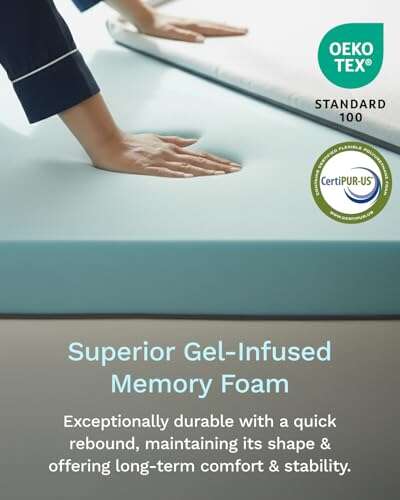
Memory foam provides strong pressure relief and motion isolation. It slowly molds around the body, which some sleepers love and others find restrictive.
Latex feels springy and responsive. It cushions the body without as much sink. Natural latex is also known for durability, but it can cost more.
Pocketed coils add lift, airflow, and edge support. A hybrid mattress often feels softer on top but easier to move across than an all-foam model.
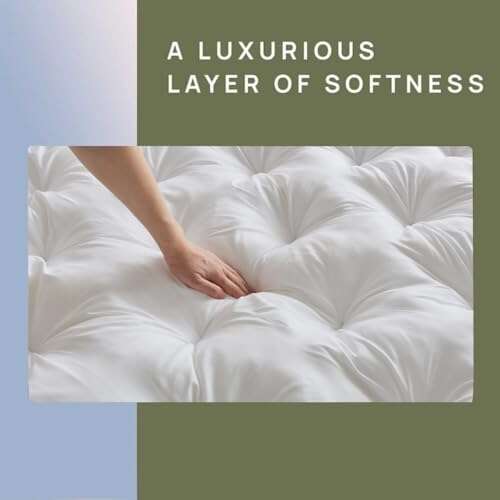
Fiber and pillow-top materials create surface softness. They can make a mattress feel luxurious at first, but low-quality padding may compress over time.
Check the support core
A soft comfort layer cannot fix a weak support core. Look for:
• Individually wrapped coils
• Reinforced edges
• Zoned support beneath the lumbar area
• Durable base foam
• A suitable weight capacity
The support core is the foundation of the mattress. It keeps your spine from falling into a hammock-like position.
Review the sleep trial and warranty
A home trial is essential because comfort changes after several nights. Look for a trial of at least 90 nights when possible. Many brands ask customers to keep the mattress for a short break-in period before starting a return.
Read the fine print carefully. Check:
• Whether returns are free
• Whether the company removes the mattress
• Whether stains void the trial
• Whether the warranty covers sagging
• What minimum indentation qualifies as a defect
A warranty may cover manufacturing defects but not normal softening. This distinction matters because plush materials can change slightly with use.

Plush mattress benefits
The best plush mattress can offer several comfort advantages.
Pressure relief
A soft comfort layer spreads weight across a wider area. This may reduce pressure around the shoulders, hips, knees, and heels.
Pressure relief can be especially useful for side sleepers and people with sensitive joints. Still, a mattress is not a medical treatment. Persistent pain should be discussed with a qualified health professional.
Better motion isolation
Foam-based plush mattresses often absorb movement well. If your partner turns, gets up, or changes position, you may feel less disturbance.
All-foam beds usually isolate motion better than traditional innerspring mattresses. Hybrid models can still perform well when they use dense foam and individually wrapped coils.
A cozy, enveloping feel
Some people relax faster on a mattress that gently hugs the body. The feeling can be similar to settling into a padded chair after a long day.
This comfort is personal. If you dislike sinking or feel trapped when changing positions, a responsive plush hybrid may be a better choice.
Relief for lighter sleepers
People with smaller frames may not compress firm mattresses enough to activate their comfort layers. A plush mattress can provide better cushioning and a more balanced feel.

Limitations of a plush mattress
Softness has limits. The best plush mattress for one sleeper may create problems for another.
It may lack support
A mattress that is too soft can allow the hips to sink too far. This may lead to an uneven spinal position, especially for stomach and back sleepers.
If you wake with new lower-back discomfort, feel as if you are bending in the middle, or struggle to turn over, the mattress may be too soft.
It can sleep warmer
Dense foam surrounds the body and may reduce airflow. This can create heat, especially for people who sleep hot or use heavy blankets.
To improve cooling:
• Choose a breathable cover
• Consider latex or a coil-based hybrid
• Use light cotton or linen sheets
• Keep the bedroom cool
• Avoid thick waterproof pads that trap heat
It may develop body impressions
Soft foams and pillow tops can soften in the places where you sleep most. A small change is normal, but deep permanent sagging is a quality concern.
Rotating the mattress according to the manufacturer’s instructions may help. Do not flip a one-sided mattress unless the brand specifically allows it.
It may be harder to move on
Deep foam can make position changes harder. This matters for older adults, people with limited mobility, and combination sleepers.
A latex or hybrid plush mattress often offers easier movement than a thick memory foam model.
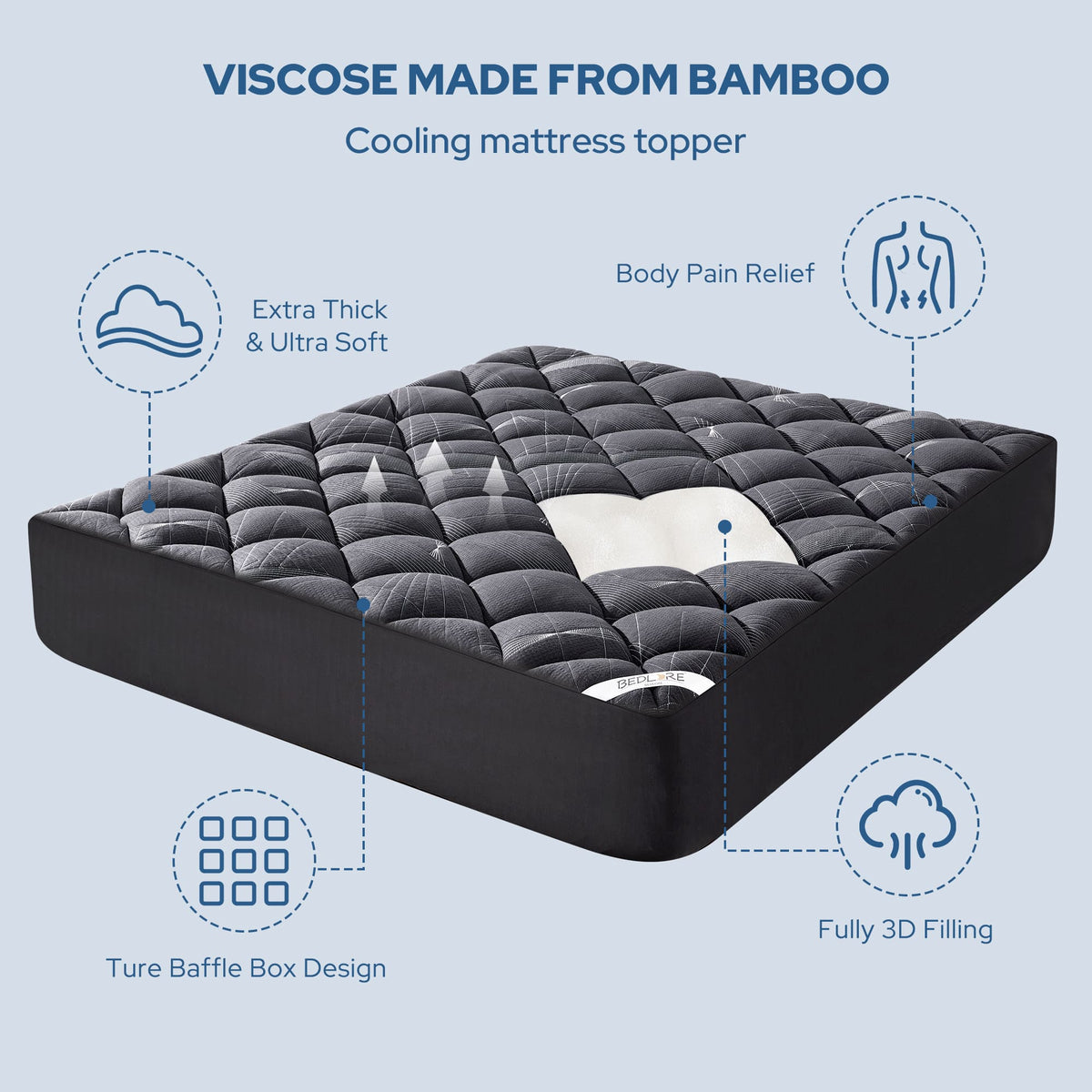
Plush mattress versus pillow-top mattress
A plush mattress and a pillow-top mattress are related but not identical.
“Plush” describes the overall comfort feel. “Pillow-top” describes an added layer sewn or attached to the top of the mattress.
A mattress can be plush without a pillow top. It can also have a pillow top that feels medium or firm. The materials inside the pillow top determine the feel and durability.
Euro-top designs have a more squared-off appearance and may offer a cleaner edge. Pillow tops look fuller and softer but can show body impressions sooner if made with low-density foam.
When shopping, focus less on the name and more on:
• Foam density
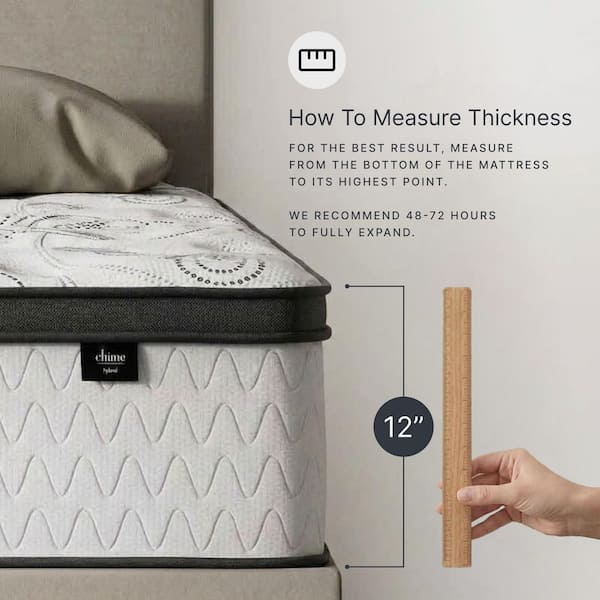
• Layer thickness
• Coil quality
• Edge support
• Trial terms
• Warranty coverage

How to test a plush mattress at home
A mattress needs more than a five-minute store test. Use a careful home test instead.
-
Give your body time to adjust. Sleep on the mattress for at least two to four weeks unless it causes severe discomfort.
-
Test your normal sleep positions. Spend time on your side, back, and stomach if you change positions at night.
-
Check your spine. Ask a partner to look at your body from behind while you lie on your side. Your head, chest, and hips should appear reasonably aligned.
-
Watch for pressure points. Tingling, numbness, or sharp pressure around the shoulder and hip may signal that the mattress is too firm.
-
Notice how easy it is to move. If turning feels like climbing out of a hole, the mattress may be too soft or too slow.
-
Check heat and sweat. A bed that feels comfortable for ten minutes may feel warm after seven hours.
-
Read the return policy before removing tags. Follow the brand’s rules so you do not lose the trial option.
One lesson that comes up often in mattress comparisons is that first impressions can mislead. A thick, soft top feels impressive at first, but alignment and temperature matter more by morning.
Common plush mattress mistakes to avoid
Many shoppers focus on softness and overlook the support system. Avoid these mistakes when comparing the best plush mattress options.
• Choosing the softest model without considering sleep position
• Ignoring your body weight and height
• Buying based only on a showroom test
• Assuming a higher price guarantees better comfort
• Overlooking heat retention
• Skipping the return policy
• Using old or weak bed slats
• Placing a new mattress on an unsuitable foundation
Your bed frame also matters. A weak base can cause noise, sagging, and poor support. Check the required slat spacing before delivery.
Another common mistake is judging a mattress after one night. New materials may feel different after unpacking, and your body may need time to adjust from an old mattress.
How much should you spend on the best plush mattress?
Prices vary widely. A basic foam mattress may cost several hundred dollars, while a premium hybrid or luxury model may cost several thousand.
Price alone does not prove quality. A more useful comparison includes:
• Layer construction
• Material density
• Coil count and design
• Trial length
• Warranty terms
• Delivery and return fees
• Expected lifespan
A budget mattress can be a good choice for a guest room or short-term home. For daily use, stronger materials may offer better long-term value.
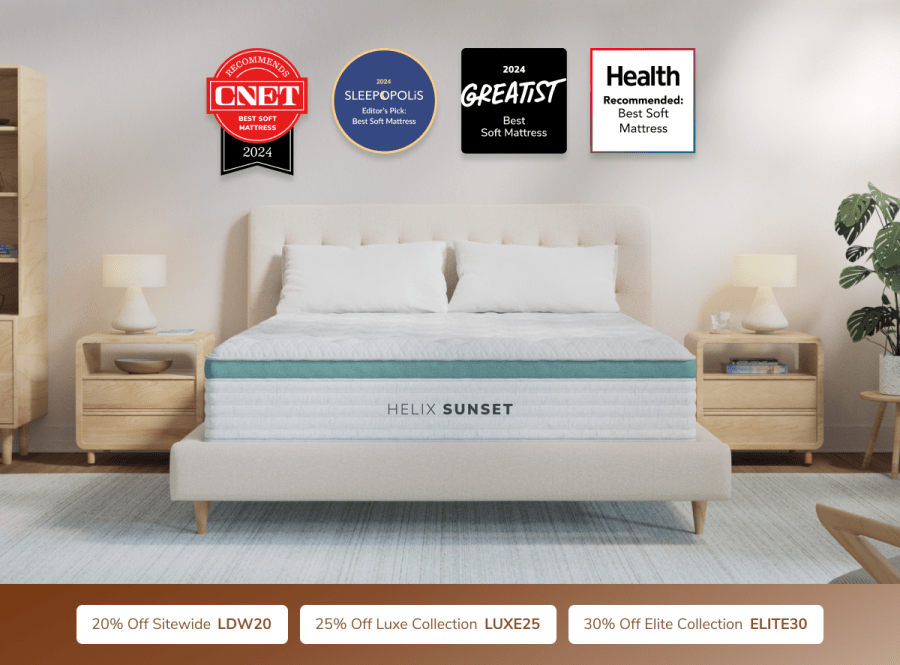
Watch for sale pricing. Mattress brands often use frequent promotions, so compare the trial policy and final price rather than the claimed “original” price.
When to replace a plush mattress
Most mattresses eventually lose comfort and support. The useful life depends on materials, body weight, usage, and care.
Signs that you may need a replacement include:
• A visible sag in the sleeping area
• New aches that improve on another bed
• Loud or broken coils
• Foam that no longer rebounds
• Worsening allergies or odor
• Poor sleep despite healthy habits
• A mattress that feels uneven
A mattress is not automatically worn out after a fixed number of years. However, many conventional mattresses last roughly seven to ten years, while high-quality latex may last longer. Heavy use and lower-quality foam can shorten that range.
Rotate the mattress only if the manufacturer permits it. Flipping a one-sided design can damage comfort and support layers.
Who should not choose a plush mattress?
A plush mattress may not be the best choice for everyone. Consider a medium or firmer option if you:
• Sleep mainly on your stomach
• Have a heavier body type and feel unsupported
• Prefer a stable surface for easy movement
• Sleep very hot
• Dislike a sinking sensation
• Share a bed with a partner who needs much firmer support
Couples with different preferences can consider a split firmness design, two twin XL mattresses, or a mattress with adjustable firmness. A topper can also change the surface feel, but it cannot correct a weak support core.
Frequently asked questions about what is the best plush mattress
What is the best plush mattress for side sleepers?
The best plush mattress for side sleepers cushions the shoulders and hips while supporting the waist. A soft hybrid, zoned foam mattress, or medium-soft memory foam model can work well, depending on body weight and personal preference.
Is a plush mattress good for back pain?
A plush mattress may reduce pressure, but it can worsen back discomfort if the hips sink too deeply. Back sleepers often need a medium-plush design with strong lumbar support rather than the softest available bed.
Are plush mattresses good for heavy people?
Some are, but a heavy sleeper should look for a thick comfort layer over a strong coil or foam core. Reinforced edges, zoned support, and a clearly stated weight capacity are important.
Do plush mattresses sleep hot?
They can, especially when they use dense memory foam. A breathable cover, latex, pocketed coils, cooling sheets, and a cool bedroom can reduce heat, but no material guarantees a cool sleep experience.
How long does a plush mattress last?
A plush mattress may last about seven to ten years, although quality and use make a major difference. Soft comfort layers may show impressions sooner than firmer designs, so check the warranty and use proper support.
Can a mattress topper make a firm mattress plush?
Yes, a quality topper can soften the surface and add pressure relief. However, it will not repair a mattress with sagging, broken coils, or a weak foundation.
Is a plush mattress better than a firm mattress?
Neither is automatically better. A plush mattress may suit side sleepers and people who want pressure relief, while a firm mattress may better support stomach sleepers and people who prefer a stable feel.
Conclusion
The best plush mattress gives you soft pressure relief without allowing your body to sink out of alignment. Start with your sleep position, body weight, temperature preference, and need for movement. Then compare the comfort materials, support core, edge strength, trial period, and warranty.
For many shoppers, a plush hybrid offers the most balanced feel because it combines cushioning with support and airflow. Side sleepers may prefer deeper foam comfort, while back and stomach sleepers should be careful with very soft designs.
Take your time, use the home trial, and judge the mattress by how you feel after a full night—not just how it feels for five minutes. Explore current mattress options, compare return policies, and share your own comfort experience in the comments.

Appliance Review Expert
Lucas Ramirez is a trusted voice at HomeFixGrid.com, known for his clear, practical, and creatively written guides that simplify appliance care for everyday homeowners. With a strong focus on hands-on testing and real-world problem-solving, Lucas brings expert insight into appliance reviews and troubleshooting techniques. Her work empowers readers to confidently maintain, repair, and choose the right appliances for their homes.