
How To Re Season Slow Cooker Food Before Serving: Tips
Re-season slow cooker food before serving by tasting, adjusting salt, acid, heat, and fresh herbs.
I’ve spent years cooking low-and-slow meals for family and friends. I know how a rich stew or pulled pork can taste flat after hours in a slow cooker. This guide explains exactly how to re season slow cooker food before serving, with clear steps, practical tips, and real-life fixes that work every time. You’ll learn when to taste, which seasonings to add, and how to preserve texture and balance so your slow-cooked meals shine at the table.

Why re-season slow cooker food matters
Slow cooking builds deep flavors. But long, gentle heat can mute bright notes. Salt can get absorbed into meat and starch. Acids and fresh herbs lose punch. That’s why knowing how to re season slow cooker food before serving transforms a good dish into a great one.
Re-seasoning restores balance. It brightens sauces, sharpens flavors, and helps textures pop. Small tweaks at the end make a big difference.

When to re-season: timing and signs
Taste at the end, not in the middle. The final 10–20 minutes are the best time to adjust. Look for these signs that you need to re-season:
- Sauce tastes dull or one-note.
- Meat feels bland despite long cooking.
- Vegetables are soft but lack brightness.
- Dish is either too salty or too flat.
If broth has reduced a lot, wait until it cools slightly before adding strong salt. For cream or dairy-based slow cooker dishes, stir and taste near the end to prevent curdling when you re-season.

How to re-season slow cooker food before serving: step-by-step
Follow a simple tasting and fixing routine. This is my go-to system after years of testing recipes.
- Cool slightly and taste
- Turn off the cooker. Let the food sit for 5 minutes. Stir and taste for salt, acid, sweetness, and heat.
- Fix salt and umami
- Add salt sparingly. Use kosher salt or sea salt. Add 1/4 teaspoon, stir, then taste. Repeat until balanced.
- For depth, add a splash of soy sauce, fish sauce, or a small spoon of miso dissolved in hot liquid.
- Brighten with acid
- Add acid last to bring life to slow-cooked flavors. Use lemon or lime juice, vinegar (apple cider, red wine), or a dash of sherry. Start with 1/2 teaspoon per cup of sauce and taste.
- Add fats and aromatics
- Stir in butter, olive oil, or a drizzle of good finishing oil to round flavors.
- Fresh herbs, raw garlic, or grated lemon zest give an immediate lift.
- Adjust sweetness or heat
- Add a touch of sugar, honey, or maple to tame harsh acids. Add hot sauce, chili flakes, or black pepper for heat.
- Finish with texture
- If stew or chili feels thin, thicken with a slurry (cornstarch + water) or by simmering uncovered on high for a few minutes.
- If too thick, thin with stock, water, or a splash of wine.
- Final rest and taste
- Give the dish 5 minutes after adjustments to let flavors marry. Taste again and make tiny tweaks if needed.
Practice makes this fast. Once you get used to how flavors evolve in a slow cooker, re-seasoning becomes second nature. The phrase how to re season slow cooker food before serving will guide your tasting checklist every time.

Re-seasoning by dish type
Different dishes need different approaches. Here are quick rules for common slow cooker meals.
-
Braises and pot roasts
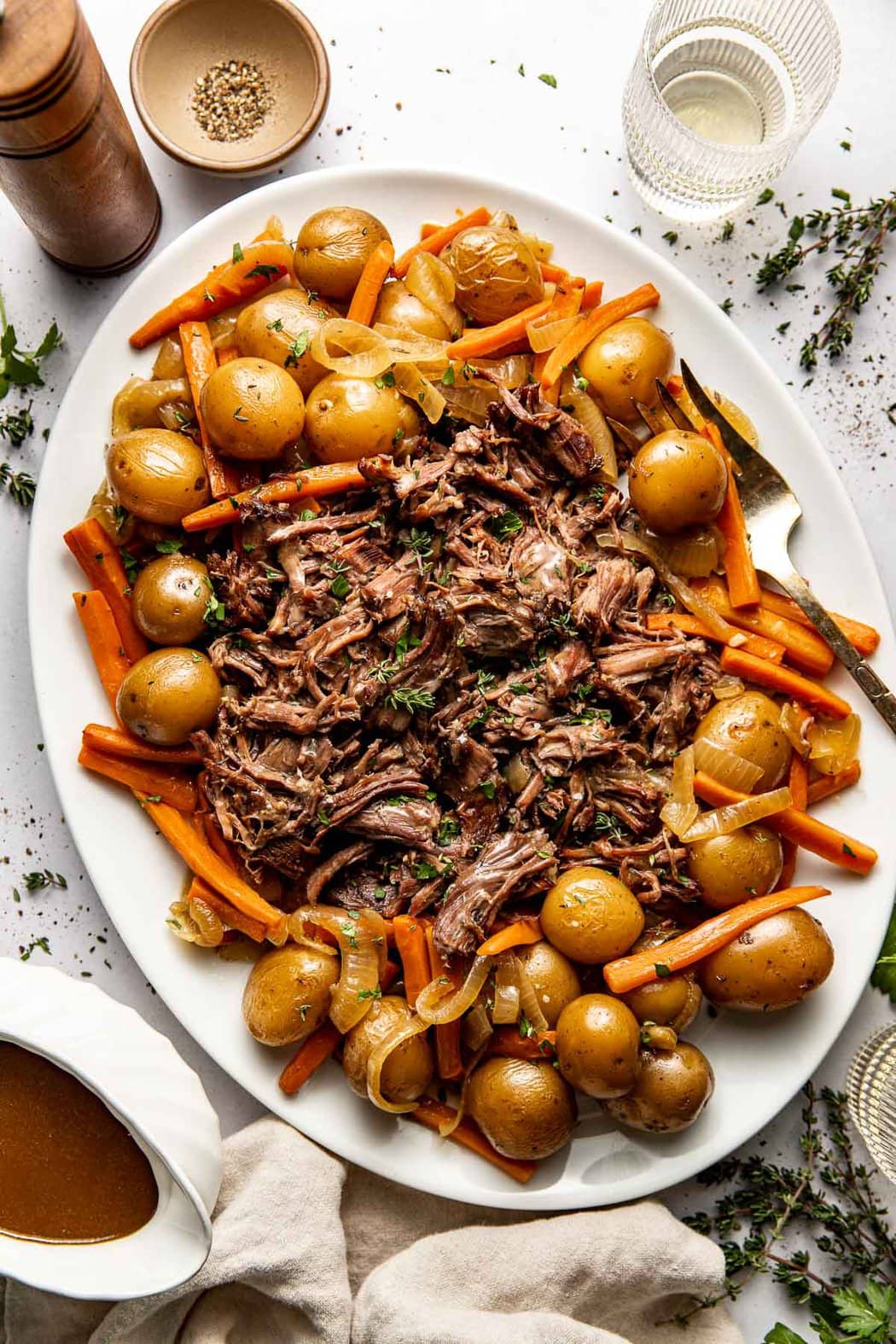
- Add acid and fresh herbs near the end. A tablespoon of vinegar or a squeeze of lemon brightens rich meat. Add butter or a pat of butter for shine.
-
Soups and stews
- Adjust salt and acidity. If a stew tastes flat, add a splash of Worcestershire or soy for umami. Add chopped herbs last.
-
Chilis
- Boost with salt, dark chocolate, or espresso for depth. Add fresh cilantro or lime just before serving.
-
Pulled meats
- Stir in finishing sauce, then taste for salt and sugar balance. Add vinegar to cut richness.
-
Creamy dishes and curries
- Temper with a small amount of acid and a finishing fat. Stir in cream or coconut milk last, and taste again for salt.
For each of these, tasting and adjusting is the final step. Remember the core idea of how to re season slow cooker food before serving: small, precise changes win the day.
Common mistakes and troubleshooting
Even experienced cooks slip up. Avoid these common errors when you re-season.
-
Over-salting
- Fix: Add bulk (potatoes, cooked rice) or dilute with liquid. A peeled raw potato soaks some salt, but this is a patch, not a rule.
-
Adding acid too early
- Acid can toughen proteins. Add vinegar or citrus at the end.
-
Using raw garlic too soon
- Raw garlic can taste sharp if cooked too long. Add minced garlic in the last 10 minutes or use roasted garlic for mellow flavor.
-
Ignoring texture
- Re-seasoning is not only about taste. If vegetables are mushy, consider textural contrasts like toasted seeds, croutons, or a fresh herb salad on the side.
I learned these fixes the hard way. Once, I added all my lemon to a pot roast mid-cooking. The meat tightened. Now I save bright notes for the end. Remember how to re season slow cooker food before serving and you’ll avoid the same mistakes.

Frequently Asked Questions of how to re season slow cooker food before serving
How long before serving should I taste and re-season?
Taste and adjust in the last 10–20 minutes of cooking. This gives time for flavors to settle without losing bright notes.
Can I add fresh herbs directly to the slow cooker?
Yes, but add delicate herbs like parsley or basil at the end. Robust herbs like rosemary can go in earlier but taste before serving.
How do I fix an overly salty slow cooker dish?
Dilute with water or low-salt stock, add bulk like cooked potatoes, or balance with a touch of acid and sweetener. Avoid adding more salt.
Is it safe to re-season with raw garlic or citrus?
Yes, but add them at the end so they keep brightness without becoming bitter or harsh. For garlic, consider gently cooking it first.
Will vinegar or lemon juice spoil slow-cooked meat texture?
Added in small amounts at the end, no. Acid used late brightens without affecting tenderness. Avoid heavy acid early in cooking.
Should I reheat after re-seasoning?
If you add cold ingredients, warm gently for a few minutes. Do not simmer aggressively after adding fresh herbs or cream to avoid dulling flavor.
Conclusion
Re-seasoning transforms slow-cooked meals from good to memorable. Taste near the end, correct salt and umami first, then add acid, fresh herbs, and a finishing fat. Small adjustments matter more than big ones. Try this method the next time you cook a stew, chili, or roast and notice how a few careful tweaks bring everything to life. Share your results, subscribe for more tips, or leave a comment about your favorite slow-cooker fix.

Appliance Review Expert
Lucas Ramirez is a trusted voice at HomeFixGrid.com, known for his clear, practical, and creatively written guides that simplify appliance care for everyday homeowners. With a strong focus on hands-on testing and real-world problem-solving, Lucas brings expert insight into appliance reviews and troubleshooting techniques. Her work empowers readers to confidently maintain, repair, and choose the right appliances for their homes.