Is A Harder Bed Better For Your Back: Firmness Guide
A harder bed is not always better for your back; medium-firm support often works best for most people.
The question “is a harder bed better for your back” sounds simple, but the answer depends on your sleep position, body shape, pain level, and mattress design. A firm mattress may feel stable, yet too much firmness can create pressure at the shoulders and hips. This guide explains what research shows, how to test a mattress, and how to choose support without making back pain worse.
Is a harder bed better for your back?
No, a harder bed is not automatically better for your back. Most people need a mattress that supports the spine while allowing the shoulders, hips, and other wider body areas to sink slightly.
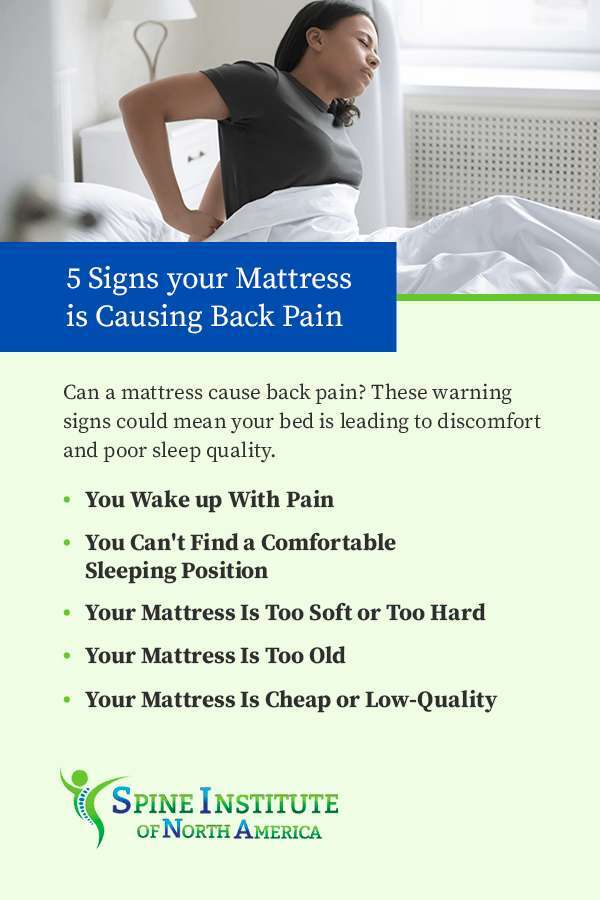
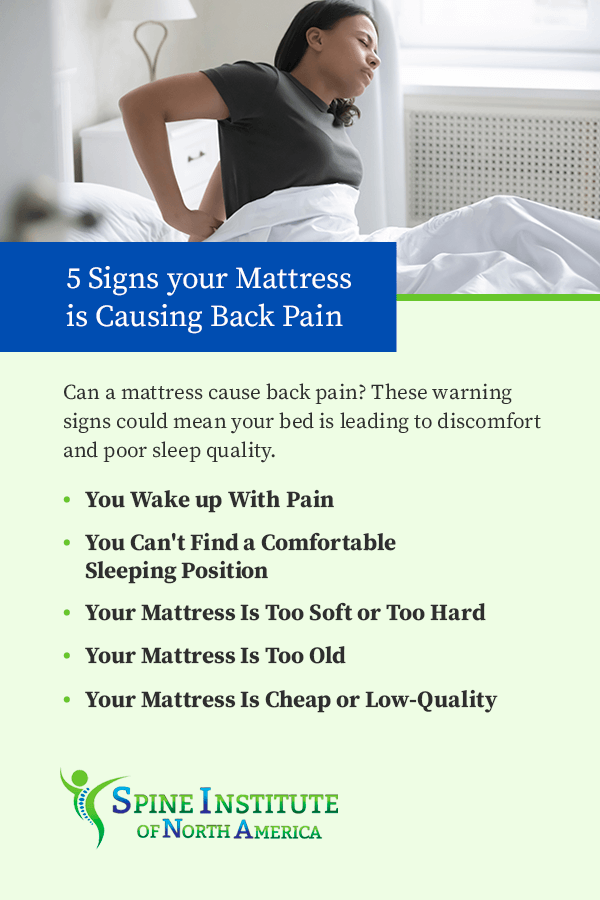
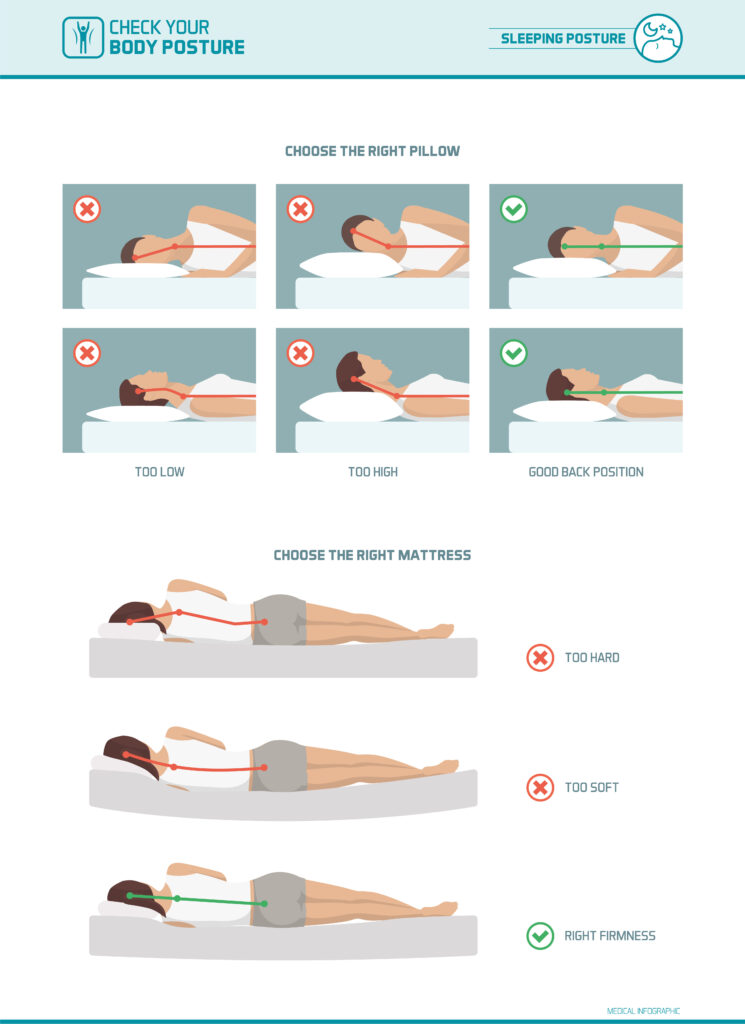
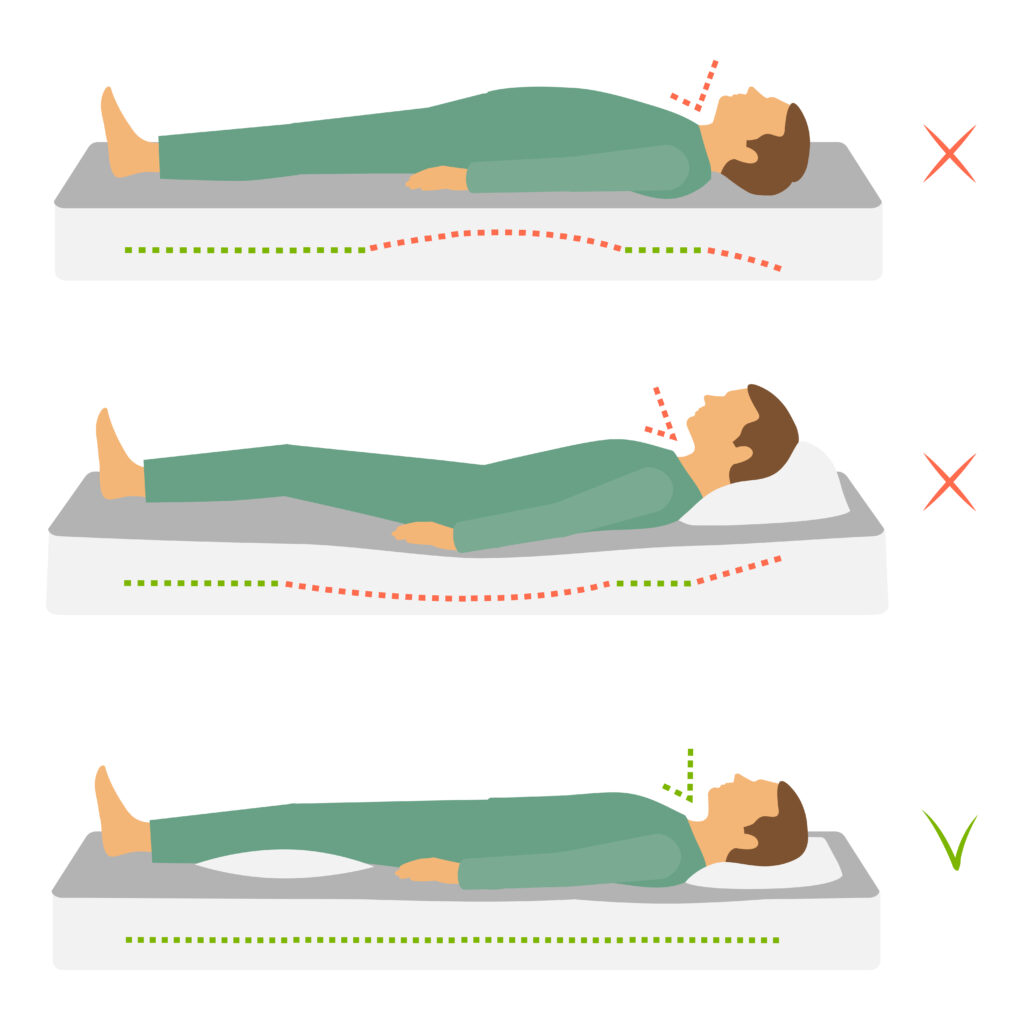
A mattress that is too soft may let your hips drop too far. This can pull the spine out of line and strain the lower back. A mattress that is too hard can press against the body and force the spine into an awkward position.
The best mattress usually feels medium-firm rather than rock-hard. In one well-known randomized trial, people with chronic lower back pain reported better results on medium-firm mattresses than on firm mattresses. This does not mean one firmness level suits everyone, but it does challenge the idea that harder is always healthier.
Think of your mattress like a supportive pair of shoes. A shoe that is too soft may lack stability. A shoe that is too stiff may cause pain. Your back needs the same balance between support and comfort.
What does mattress firmness mean?
Firmness describes how hard or soft a mattress feels when you lie on it. Support describes how well the mattress keeps your spine in a neutral position. These terms are related, but they are not the same.
A very firm mattress can still provide poor support if it does not match your body. Likewise, a softer mattress can support your back well if it keeps your spine level.
Mattress brands often use a firmness scale from 1 to 10:
• 1 to 3 feels soft.
• 4 to 6 feels medium to medium-firm.
• 7 to 10 feels firm to very firm.
These ratings are not fully standardized. A “medium-firm” mattress from one brand may feel firmer than a “medium-firm” mattress from another. Your body weight, sleep position, and the mattress materials also change how firm it feels.
Support matters more than hardness
A supportive mattress helps keep your head, shoulders, hips, and legs in a natural line. It should not allow your pelvis to sink much lower than the rest of your body.
This is why the answer to “is a harder bed better for your back” cannot come from firmness alone. A mattress must spread weight well and reduce pressure while keeping the spine aligned.
How mattress firmness affects back pain
Your spine has a natural shape. When you sleep, a good mattress supports that shape without pushing it into a flat or twisted position.
A mattress that is too soft may cause:
• Sagging in the middle of the mattress
• A dipped lower back
• More strain when turning in bed
• A stiff feeling after waking
A mattress that is too hard may cause:
• Pressure in the hips and shoulders
• Numbness or tingling
• More tossing and turning
• Pain that feels worse on one side
• Poor sleep due to discomfort
Back pain is not caused by a mattress alone. Muscle strain, arthritis, disc problems, stress, poor posture, and limited movement can all play a role. Still, your bed affects your sleep for about one third of your day, so it can strongly affect how your body feels.
From practical mattress comparisons, one lesson stands out: people often mistake pressure for support. A hard surface may feel strong when you first lie down, but that first impression does not prove it is good for your back.
The best firmness for different sleep positions
Your sleep position changes how much pressure your body places on the mattress. It also changes how much cushioning you need.
Side sleepers
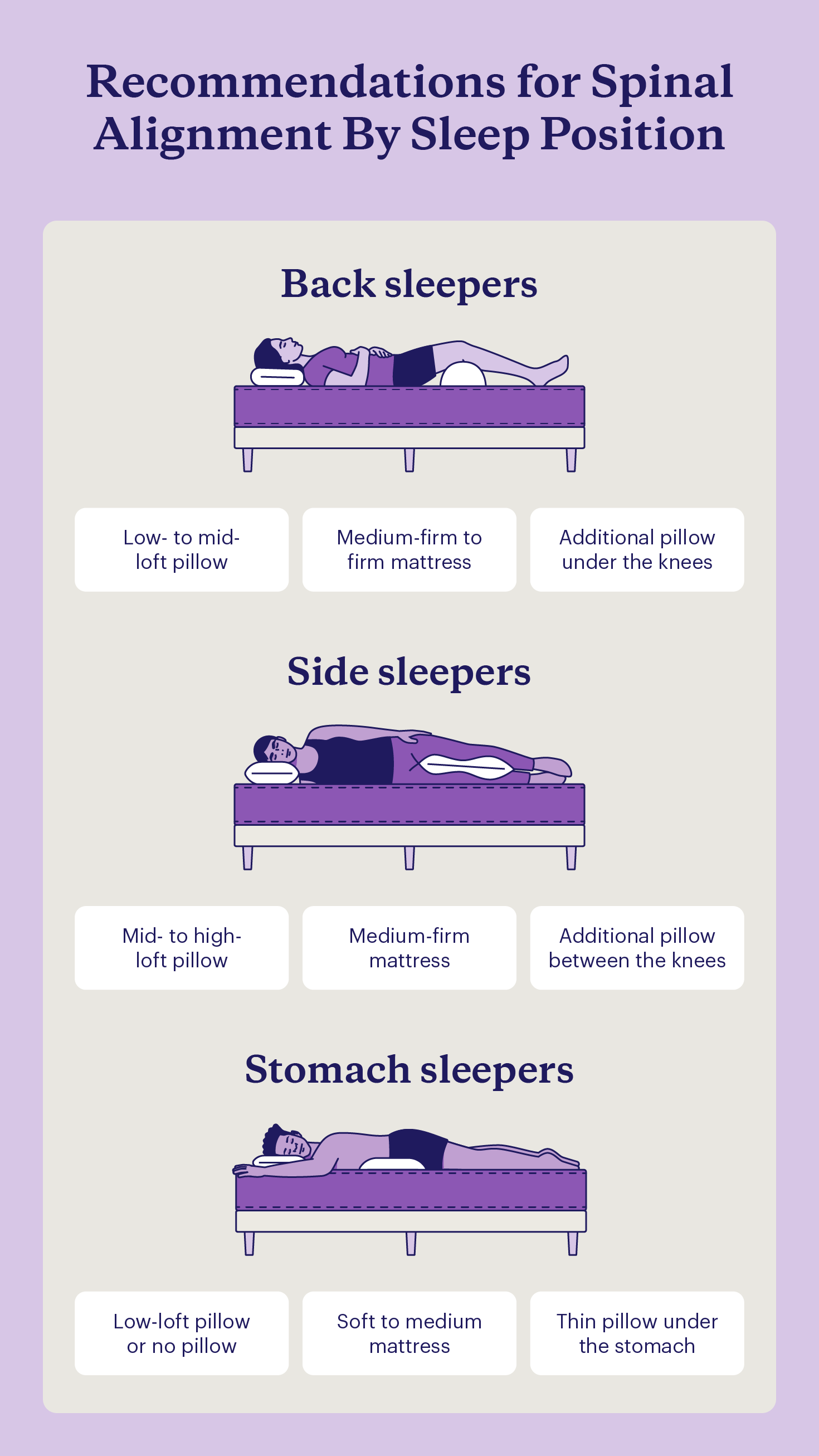
Side sleepers often need a medium or medium-soft comfort layer. This allows the shoulders and hips to sink enough to keep the spine straight.
A very hard mattress may leave a gap between the waist and the mattress. It can also press into the shoulder and hip. Over time, this may cause soreness or numbness.
If you sleep on your side, look for:
• Cushioning around the shoulder and hip
• Strong support beneath the waist
• A pillow that fills the space between your head and the mattress
Back sleepers
Back sleepers often do well with a medium-firm mattress. The surface should support the lower back without forcing the pelvis upward.
If the mattress is too soft, your hips may sink. If it is too firm, the lower back may not receive enough gentle cushioning.
A pillow beneath the knees can reduce pressure on the lower back. A pillow that is too tall can push the head forward and strain the neck.
Stomach sleepers
Stomach sleeping can place stress on the neck and lower back. A firmer mattress may reduce hip sinking, but it should not feel like a hard floor.
If you sleep on your stomach, choose:
• A supportive surface that limits sinking
• A thin head pillow or no pillow
• A mattress that does not create pressure at the ribs or hips
Changing to side or back sleeping may also help some people. Place a pillow beside your body to make the change easier.
Combination sleepers
Combination sleepers move between positions during the night. A medium-firm mattress often offers a useful balance of cushioning and support.
The mattress should allow easy movement without trapping your body. Responsive foam, latex, or pocketed coils may work well for this sleep style.
How body weight changes mattress feel
A mattress does not feel the same to every person. A heavier person may sink more deeply into the same mattress than a lighter person. This can make a medium mattress feel soft and less supportive.
People with a lighter body weight may experience the opposite. A firm mattress may feel extra hard because their body does not sink into the comfort layers.
This does not mean body weight determines the perfect mattress. It simply explains why online ratings can be confusing.
When considering whether a harder bed is better for your back, think about how deeply you sink into the mattress. Your spine should remain level, and you should not feel trapped or pushed upward.

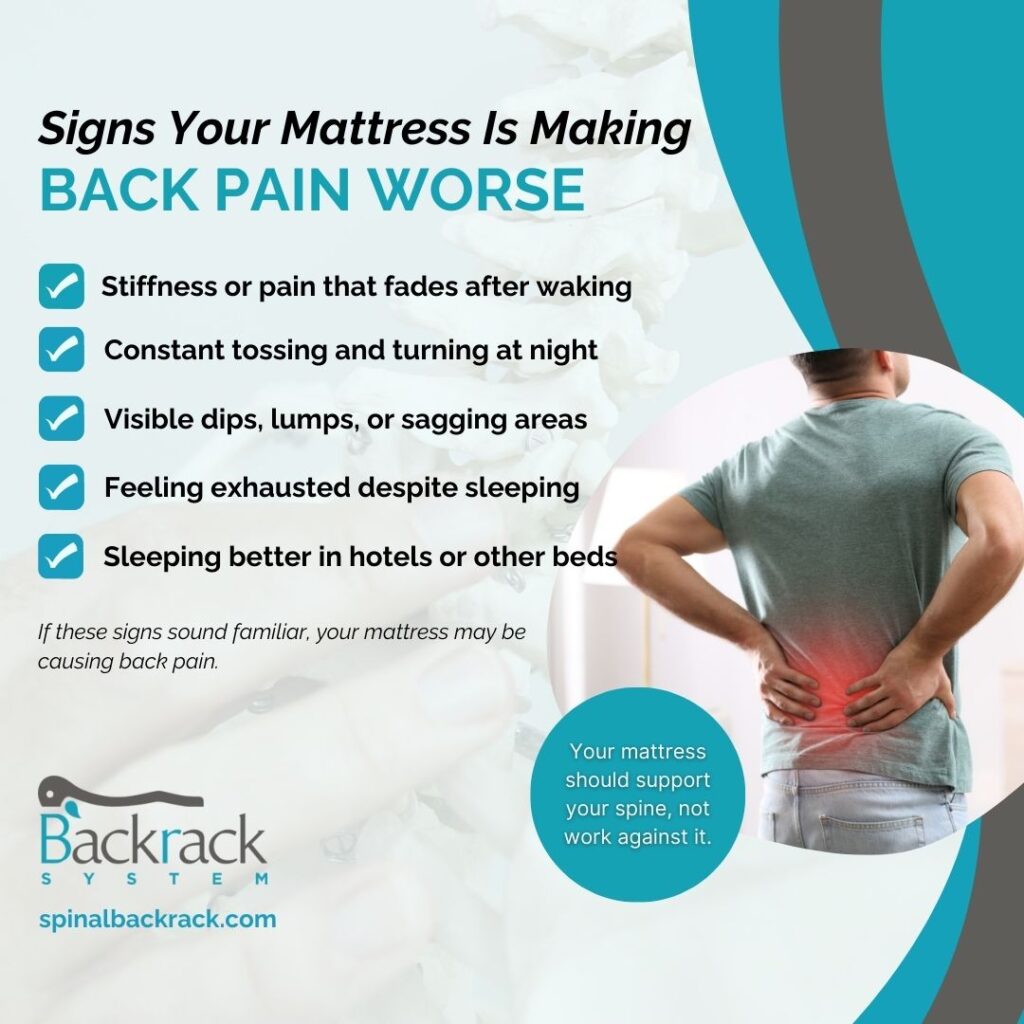
Signs your mattress may be too hard
A mattress may be too hard if you notice these signs:
• Your shoulders or hips hurt in the morning
• You wake with numbness or tingling
• You keep changing positions to find relief
• Your lower back feels tight after sleeping
• You feel better on a sofa, guest bed, or hotel mattress
• There is a clear gap beneath your waist when lying on your side
Pain that improves after you get out of bed can be a useful clue. It does not prove the mattress is the cause, but it is worth testing another sleep surface.
Some people confuse a brief adjustment period with a poor mattress. Mild soreness during the first few nights can happen after a major change. Sharp pain, numbness, or lasting discomfort should not be ignored.
Signs your mattress may be too soft
A mattress may be too soft if:
• Your hips sink lower than your shoulders
• You feel as if you are sleeping in a dip
• Turning over takes effort
• Your lower back aches after several hours
• The mattress sags when you sit or lie down
• You wake up stiff but feel better after moving
Softness becomes more concerning when the mattress has visible sagging. A worn mattress may no longer support the body evenly, even if it once felt comfortable.
A mattress topper can sometimes change the surface feel. However, a topper will not fully fix a damaged support core or deep sag.

How to test a mattress for back support
Do not judge a mattress after sitting on its edge for two minutes. Test it as you would use it at home.
Follow these steps:
-
Lie in your usual sleep position for at least 10 to 15 minutes.
-
Notice whether your hips or shoulders sink too far.
-
Ask someone to check whether your spine looks straight.
-
Roll from your back to your side and see whether movement feels easy.
-
Pay attention to pressure, not just the feeling of firmness.
-
Test the mattress again later in the day if possible.
Many mattress companies offer home trials. Use the trial for several weeks unless the mattress causes clear pain. Your body may need time to adjust, but you should not force yourself to tolerate severe discomfort.
One mistake I often see in mattress shopping is choosing the hardest model because it feels “orthopedic.” Medical terms in mattress marketing do not guarantee medical benefit. Comfort, alignment, and sustained sleep matter more than a hard label.

Tips for making a firm mattress more comfortable
If your mattress is slightly too firm, you may be able to improve it without replacing the whole bed.
Try these options:
• Add a pressure-relieving topper made from latex or foam.
• Use a pillow between your knees when side sleeping.
• Place a pillow beneath your knees when back sleeping.
• Check whether your head pillow keeps your neck level.
• Rotate the mattress if the manufacturer allows it.
• Confirm that the bed frame provides proper support.
A topper between 2 and 3 inches thick can change surface comfort. A thicker topper may feel softer, but it may also reduce stability if it allows too much sinking.
Your pillow matters more than many people expect. A mattress can be well suited to your back, yet the wrong pillow may leave your neck and upper spine twisted for hours.

How to choose a mattress for lower back pain
If you have lower back pain, focus on these features:
Neutral spinal alignment
Your spine should stay close to its natural shape. The mattress should not push your back into an arch or allow your hips to collapse.
Balanced pressure relief
Your shoulders and hips need some cushioning. This is especially important for side sleepers and people with joint pain.
Stable edge support
Strong edges make it easier to sit down, stand up, and change position. This can help people with limited mobility.
Low motion transfer
If a partner moves often, a mattress with good motion isolation may reduce sleep disruption. Better sleep can make pain easier to manage.
Durable materials
Foam density, coil design, latex quality, and construction affect how long a mattress keeps its shape. A mattress that sags after a short time may create new problems.
There is no universal “best mattress for back pain.” Research supports medium-firm options for many adults, but individual needs still matter. People with spinal conditions, recent injuries, or major pain should ask a health professional for personal guidance.
Common mistakes to avoid
The question “is a harder bed better for your back” often leads people toward simple but costly choices. Avoid these common mistakes:
• Choosing firmness based only on a store label
• Buying a mattress without checking the return policy
• Ignoring shoulder and hip pressure
• Keeping a sagging mattress because it was expensive
• Using a thick pillow with a firm mattress
• Expecting a mattress to cure a medical condition
• Testing a bed for only a few minutes
• Assuming pain always means the mattress is too soft
A hard mattress may reduce sinking, but it cannot correct every cause of back pain. Your daily movement, work setup, exercise habits, stress, and sleep position also matter.
Seek medical care for back pain after an injury, pain that travels down the leg, weakness, loss of bladder or bowel control, fever, or unexplained weight loss. These symptoms need more than a mattress change.
Frequently asked questions about whether a harder bed is better for your back
Is a firm mattress good for lower back pain?
A firm mattress may help if your current mattress is too soft and allows your hips to sink. However, medium-firm mattresses often provide a better balance of support and pressure relief than very firm beds.
Is a harder bed better for your back if you sleep on your side?
Usually, side sleepers need some cushioning for the shoulders and hips. A very hard bed may create pressure and misalign the spine, so a medium or medium-firm mattress may work better.
Can a soft mattress cause back pain?
Yes, a soft or worn mattress can allow the pelvis to sink too far. This may strain the lower back, especially when the mattress has visible sagging.
How long does it take to adjust to a new mattress?
Many people adjust within a few nights to a few weeks. Severe pain, numbness, or worsening symptoms are not normal adjustment signs and should prompt you to stop using the mattress and seek advice.
Should I use a mattress topper on a hard bed?
A topper can add cushioning and reduce pressure on the shoulders and hips. It will not repair a sagging or damaged mattress, so replacement may be needed in that case.
What mattress is best for back and hip pain?
A medium-firm mattress with good pressure relief may suit many people with back and hip pain. The right choice still depends on sleep position, body shape, pain source, and personal comfort.
Conclusion
So, is a harder bed better for your back? Usually, no. The goal is not maximum firmness but balanced support, steady spinal alignment, and enough cushioning for your pressure points.
For many adults, a medium-firm mattress is a sensible starting point. Test it in your normal sleep position, use the return period, and pay attention to morning pain, pressure, and alignment. If back pain continues or includes warning signs, consult a qualified health professional rather than relying on a new mattress alone.
Use these tips to review your current bed this week, then share your experience or explore trusted sleep and back-care resources to make a confident choice.

Appliance Review Expert
Lucas Ramirez is a trusted voice at HomeFixGrid.com, known for his clear, practical, and creatively written guides that simplify appliance care for everyday homeowners. With a strong focus on hands-on testing and real-world problem-solving, Lucas brings expert insight into appliance reviews and troubleshooting techniques. Her work empowers readers to confidently maintain, repair, and choose the right appliances for their homes.