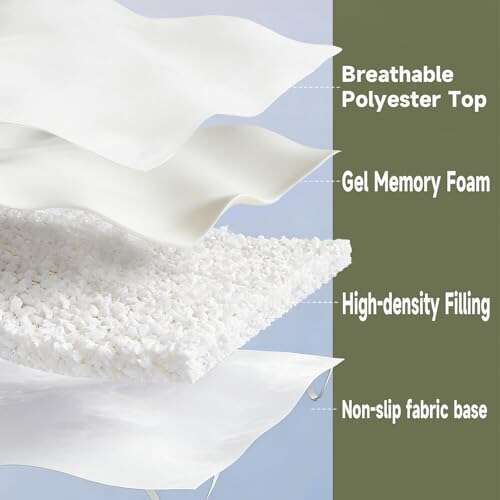
What Is The Bottom Mattress Called: Complete Guide
The mattress on the lower level of a bunk bed is usually called the bottom bunk mattress or lower bunk mattress. In the United States, retailers may also describe it as a bunk bed mattress if the mattress is made for either bunk.
The exact name depends on the bed design:
- Bottom bunk mattress: The mattress on the lower level of a standard bunk bed.
- Lower bunk mattress: Another common name for the same mattress.
- Trundle mattress: A mattress stored in a pull-out bed beneath another bed.
- Mattress for a loft bed: A mattress placed on the raised platform of a loft bed. It is not a bottom mattress because the bed has no lower sleeping level.
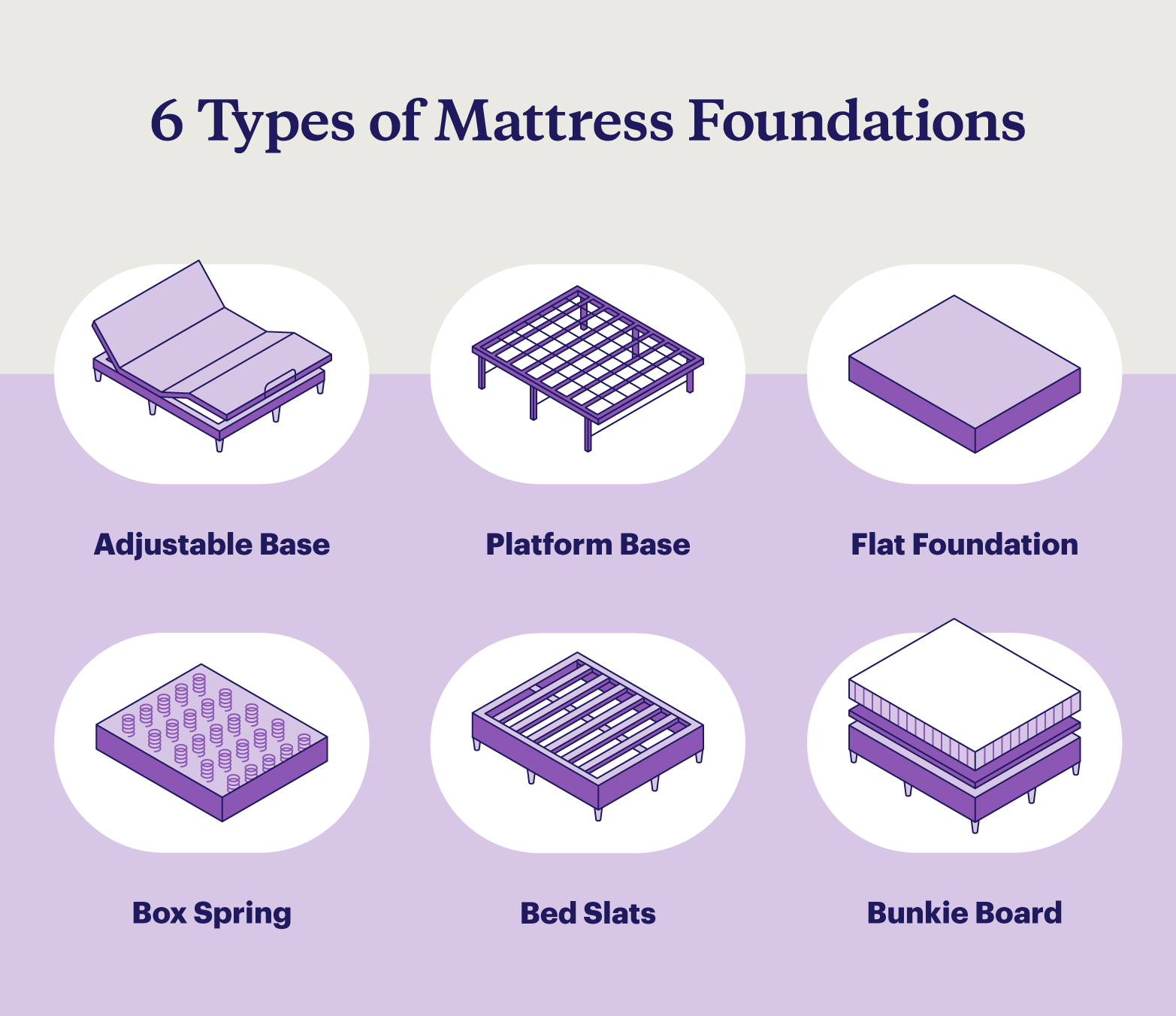
- Mattress foundation or box spring: The support beneath a mattress. It is not another mattress.
The most useful term to use when shopping is “bottom bunk mattress” or “bunk bed mattress.” Before buying, check the bed maker’s required mattress size, height, and weight limits.


Bottom Bunk Mattress vs. Trundle Mattress
A bottom bunk mattress sits inside the lower frame of a bunk bed. A trundle mattress fits inside a wheeled platform that slides under another bed.
These mattresses may look similar, but they do not always use the same size or thickness. A lower bunk often uses a standard twin mattress, while a trundle may need a thinner mattress so the platform can slide under the main bed.
| Bed type | Common name for the mattress | Typical feature |
|---|---|---|
| Standard bunk bed | Bottom bunk mattress or lower bunk mattress | Rests in the lower bunk frame |
| Bunk bed with a full-size lower bed | Full bottom bunk mattress | Uses the lower frame’s listed size |
| Pull-out bed under another bed | Trundle mattress | Must fit the trundle opening and height limit |
| Loft bed | Loft-bed mattress | Rests on the raised sleeping platform |
| Daybed with a pull-out unit | Trundle mattress | Often uses a twin-size mattress |
Do not assume that every mattress under a bed is a trundle mattress. The key difference is the support system. If the mattress stays in a fixed lower frame, it is a bottom bunk mattress. If the mattress rolls out on a separate platform, it is a trundle mattress.

What Size Is a Bottom Bunk Mattress?
The bottom bunk mattress is often a twin, twin XL, full, or full XL mattress, depending on the bed frame. Twin-size mattresses are common, but the bed’s label or manual is the final authority.
Common U.S. mattress sizes include:
| Mattress size | Approximate mattress dimensions |
|---|---|
| Twin | 38 by 75 inches |
| Twin XL | 38 by 80 inches |
| Full | 54 by 75 inches |
| Full XL | 54 by 80 inches |
These dimensions are standard U.S. size categories, but actual mattress measurements can vary slightly by brand. A mattress that is too short or narrow may leave gaps. A mattress that is too large may not fit safely inside the frame.
Before you order, measure:
- The inside length and width of the lower bed frame.
- The maximum mattress height listed by the maker.
- The support slats or platform.
- The space between the lower and upper bunk.
- Any clearance needed for bedding.
Use the bed maker’s listed size when it differs from your measurement. A bunk bed designed for a twin mattress may not safely accept a twin XL mattress, even though both mattresses are about 38 inches wide.

How Thick Should a Bottom Bunk Mattress Be?
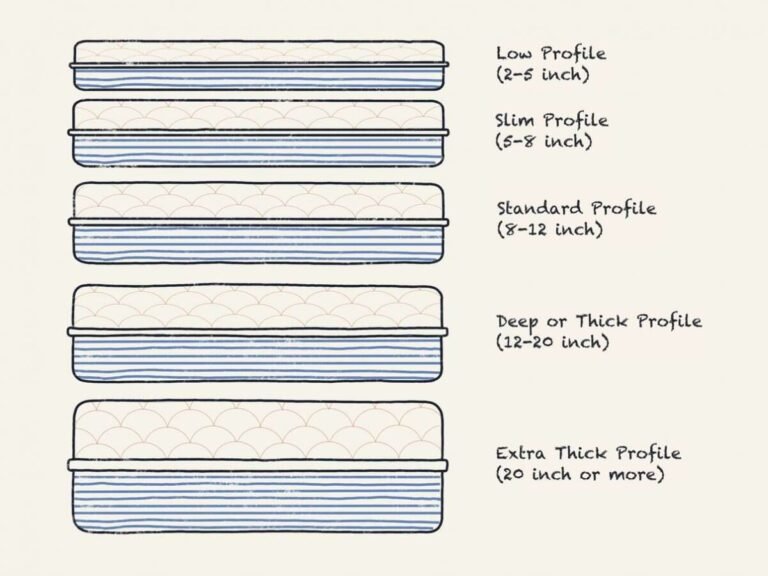
The correct mattress thickness is the maximum height allowed by the bunk bed maker, not a universal number. A thick mattress can raise the sleeper too close to the upper bunk or reduce the height of the guardrail.


For the upper bunk, the U.S. Consumer Product Safety Commission requires the mattress foundation to carry a warning label that marks the maximum mattress thickness. The upper bunk must also have guardrails on both sides, with limited exceptions for the wall side. These rules apply to bunk beds covered by federal requirements under 16 CFR Part 1213.
The lower bunk usually does not have the same fall risk as the upper bunk, but its mattress still needs to fit the frame correctly. A tall lower mattress may:
- Reduce sitting room beneath the top bunk.
- Press against the upper bed frame.
- Make it harder to get in and out.
- Change the way the bed rails or slats support the mattress.
- Create an unsafe fit if the frame was designed for a thinner mattress.
If the manual gives a height limit, measure the mattress from its bottom surface to its highest point without bedding. Do not rely only on the advertised mattress height, since quilting and soft layers may change the final measurement.

What Kind of Mattress Works on the Bottom Bunk?
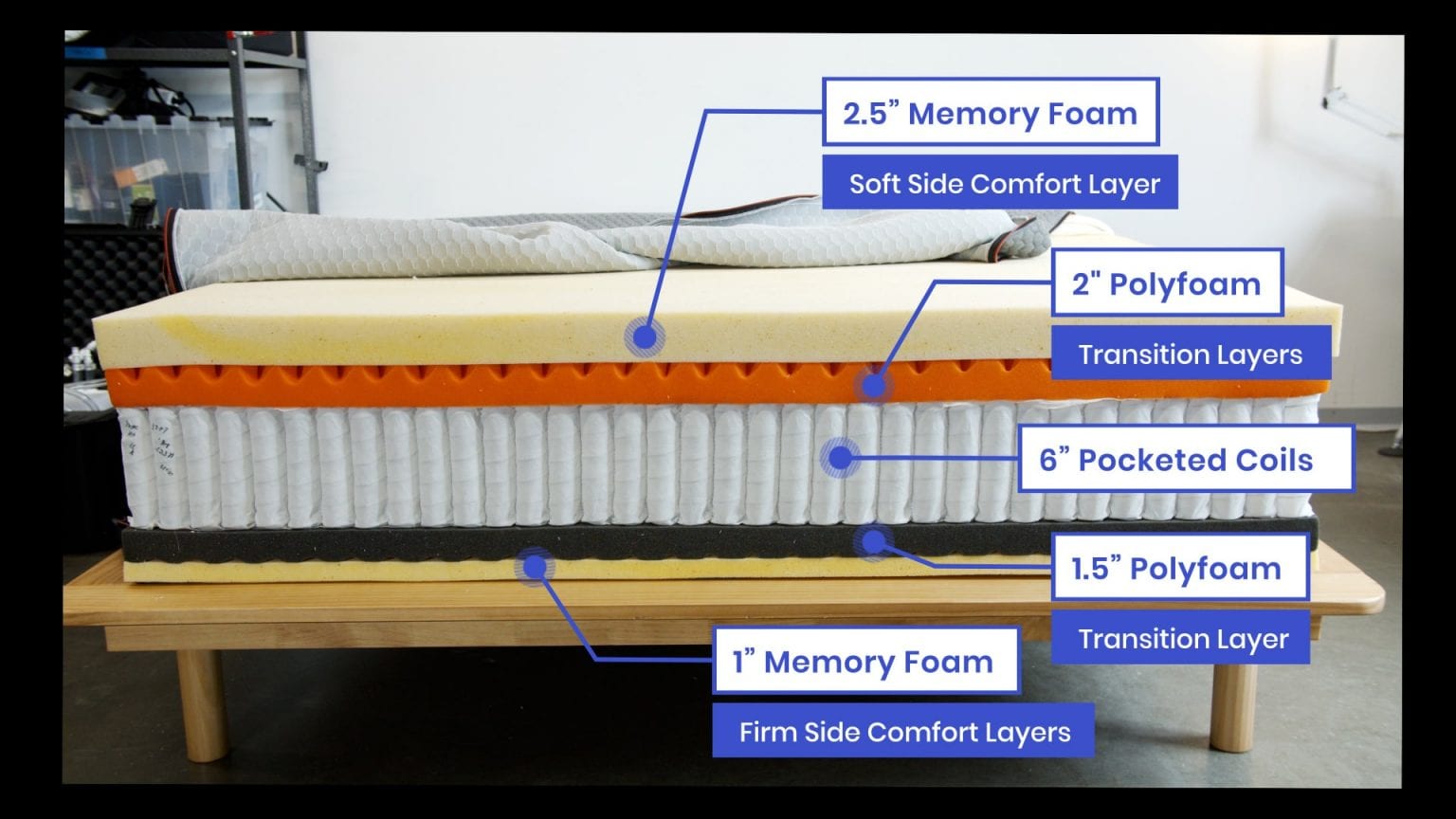
A bottom bunk mattress should match the bed frame’s size, height limit, and support system. In many cases, an innerspring, foam, or hybrid mattress can work if the frame maker allows it.
Foam mattresses
Foam mattresses are often easy to carry into a bedroom. They may also work well when the bed has a strict weight limit or a platform base. Check that the mattress does not exceed the permitted height.
Innerspring mattresses
Innerspring mattresses have coil support and may feel firmer. They can work on bunk beds when the frame has enough support and the mattress fits the listed height limit.
Hybrid mattresses
Hybrid mattresses combine foam with coils. They may be heavier than foam models, so check the bed’s total weight limit. The limit may include the sleeper, mattress, bedding, and any other load placed on the bed.
Low-profile mattresses
A low-profile mattress may help preserve headroom under the top bunk. However, “low profile” does not automatically mean “safe for every bunk bed.” Confirm the exact height and the bed maker’s instructions.
Avoid placing a mattress directly on the floor beneath a bunk bed unless the product instructions specifically allow it. The floor can limit air flow and may expose the mattress to moisture.
How Do You Choose the Right Bottom Bunk Mattress?
Choose the mattress in this order: bed size, mattress height, support compatibility, weight limit, and comfort. Comfort matters, but a comfortable mattress that does not fit the frame is the wrong choice.
1. Identify the bed size
Look for a label on the frame, owner’s manual, or product page. Measure the inside of the frame if the information is missing.
2. Confirm the maximum height
Find the mattress-height warning or specification. For a bunk bed, this is especially important for the upper mattress. The lower mattress must also leave enough room for safe use of the bed.
3. Check the support base
Some bunk beds use wood slats. Others use a solid platform or a metal support system. The mattress must be suitable for that base.


If the instructions give a minimum number of slats or a required spacing, follow those instructions. Do not remove slats to make room for a thicker mattress.
4. Check the total weight limit
The frame’s weight limit may be listed as a total capacity or as a limit for each sleeping level. A heavy mattress can use part of that capacity before anyone lies on the bed.
5. Choose comfort features
After the fit is confirmed, consider:
- Firmness
- Sleeping position
- Heat retention
- Motion transfer
- Edge support
- Ease of lifting
- Mattress cover and cleaning needs
For children, a supportive mattress with a washable, well-fitted cover may be more useful than extra-soft padding. Do not add a loose topper if it makes the mattress too tall or creates a gap.

Can You Use a Regular Mattress on the Bottom Bunk?
You can use a regular mattress on the bottom bunk only when it fits the frame and stays within the bed maker’s limits. “Regular mattress” is not a safety category.
A standard twin mattress may fit a twin lower bunk, but several details still need checking:
- The mattress must not be wider or longer than the frame.
- The mattress should not move freely from side to side.
- The height should not interfere with the upper bunk.
- The mattress must work with the slat or platform design.
- The combined mattress and sleeper weight must stay within the limit.
Do not use two mattresses together to increase comfort. Stacking mattresses can make the top surface unstable and can change the bed’s height. It may also block guardrails or create gaps.
A mattress topper can cause similar problems. Use one only if the manufacturer permits it and the added height remains within the stated limit.

Is the Bottom Bunk Mattress the Same as the Top Bunk Mattress?
The top and bottom mattresses may be the same size, but they do not always need to be identical. The top mattress has stricter height and fall-protection concerns because it sits above the floor.
For example, a bunk bed may use:
- A twin mattress on both levels.
- A full mattress on the lower level and a twin mattress on top.
- A twin mattress on the lower level and a twin XL mattress on top.
- A thinner mattress on top and a thicker mattress below.
Use the measurements listed for each sleeping level. If the bed has a full-size lower bunk, a twin mattress will leave unused space and may shift during use. If a twin XL mattress is placed in a standard twin frame, it may not fit at all.
The upper bunk also requires more attention to the guardrail and the mattress-height warning. The CPSC advises that children younger than 6 should not sleep in the upper bunk. Follow the product instructions and supervise children according to their age and ability.


Safety Checks for a Bottom Bunk Mattress
A bottom bunk mattress is ready to use when it fits securely, does not exceed the stated height, and leaves the frame and hardware in their intended position.
Use this short check:
- The mattress matches the listed length and width.
- No large gap appears between the mattress and frame.
- The mattress does not slide during normal use.
- The slats or platform are intact and properly attached.
- The frame is fully assembled and all fasteners are tight.
- The mattress does not press against the upper bunk.
- The bed remains stable when someone gets in or out.
- The mattress and sleeper stay within the listed weight limit.
Stop using the bed if the frame cracks, a support slat breaks, a guardrail loosens, or the mattress leaves a hazardous gap. Repair or replace the damaged part according to the bed maker’s instructions. Do not improvise with boards, foam blocks, or extra rails unless the maker approves the repair.
For product-specific safety information, check the bed’s instructions and the CPSC’s bunk-bed guidance. Federal bunk-bed requirements are listed in the Electronic Code of Federal Regulations under 16 CFR Part 1213.

Common Mistakes When Buying a Bottom Bunk Mattress
The most common mistake is buying by the word “twin” or “full” alone. Mattress size tells you the general length and width, but it does not tell you whether the mattress height, weight, or support design is right for the bed.
Other mistakes include:
- Buying a trundle mattress for a fixed lower bunk.
- Ignoring the bed’s maximum mattress height.
- Measuring the old mattress instead of the bed frame.
- Adding a thick topper without checking clearance.
- Assuming a heavier mattress is always more supportive.
- Using a box spring when the bunk bed was designed for a mattress only.
- Removing support slats to fit a mattress.
- Placing a second mattress on top of the first.
- Discarding the warning label before recording its information.
A box spring or foundation is not automatically needed. Many bunk beds are designed for a mattress to rest directly on slats or a platform. Adding a foundation can raise the mattress and create a fit or safety problem.

Frequently Asked Questions
What is the mattress under a bunk bed called?
If it sits in a fixed lower bunk, it is called a bottom bunk mattress or lower bunk mattress. If it pulls out from beneath another bed, it is called a trundle mattress.
Is the bottom bunk a twin or full?
It can be either. Many bunk beds use a twin-size lower bunk, but some use a full-size lower bunk. Read the frame label or measure the opening before buying.
Does the bottom bunk need a box spring?
Usually, no. Many bunk beds use slats or a solid platform that supports the mattress directly. Add a box spring only if the bed maker specifically allows or requires it.
Can a mattress be too thick for the bottom bunk?
Yes. A thick mattress can reduce headroom, interfere with the upper bunk, or exceed the bed’s design limits. Check the maximum height in the instructions.
Can a regular twin mattress fit a trundle?
Sometimes, but not always. A trundle may require a thinner mattress than a fixed bunk. Check the trundle’s length, width, and height limits before buying.
Key Takeaways
- The bottom mattress on a bunk bed is usually called a bottom bunk mattress or lower bunk mattress.
- A mattress that pulls out from under another bed is a trundle mattress.
- The bed frame’s size and height limits matter more than the mattress name.
- A regular mattress can work only when it fits securely and stays within the maker’s limits.
- Do not use a box spring, topper, or second mattress unless the instructions allow it.
- For a safe purchase, confirm the mattress size, height, support base, and weight limit.
Conclusion
The clearest name for the mattress on the lower level of a bunk bed is bottom bunk mattress. When shopping in the United States, search for that term or for lower bunk mattress, then confirm the exact mattress size and maximum height in the bed’s manual.
If the mattress slides out from beneath another bed, search for a trundle mattress instead. The next practical step is to measure the bed frame and check the manufacturer’s height and weight requirements before placing an order.

Appliance Review Expert
Lucas Ramirez is a trusted voice at HomeFixGrid.com, known for his clear, practical, and creatively written guides that simplify appliance care for everyday homeowners. With a strong focus on hands-on testing and real-world problem-solving, Lucas brings expert insight into appliance reviews and troubleshooting techniques. Her work empowers readers to confidently maintain, repair, and choose the right appliances for their homes.