Why Does My Fridge Sound Like Running Water: Quick Fixes
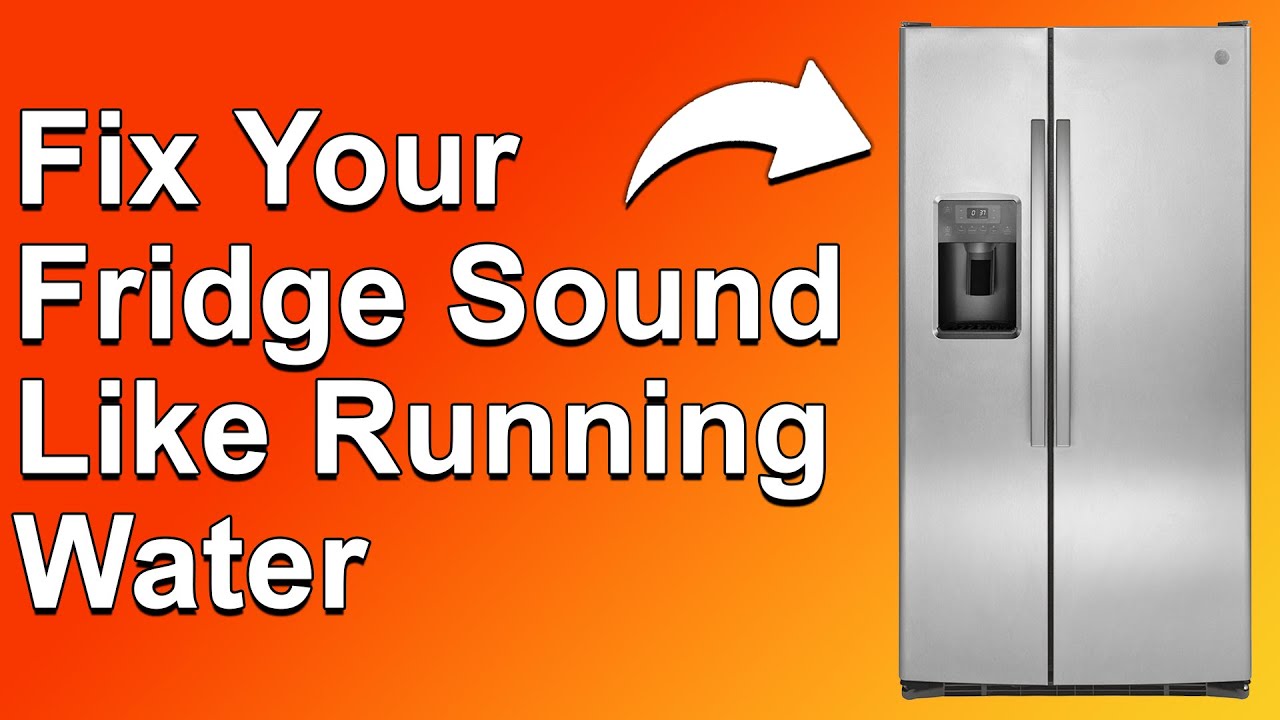
A fridge that sounds like running water is often working normally. In a U.S. refrigerator, the noise may come from refrigerant moving through the cooling lines, water draining during an automatic defrost cycle, or the ice maker filling its tray.
The sound is usually harmless when it is brief, quiet, and the refrigerator keeps food cold. A constant hiss, loud rushing sound, water leak, ice maker problem, or rise in temperature needs closer attention.
The Most Common Reasons a Refrigerator Sounds Like Running Water
The sound usually comes from one of four systems: the sealed cooling system, the automatic defrost system, the ice maker, or the water dispenser.
1. Refrigerant is moving through the cooling lines
Your refrigerator uses refrigerant to move heat from inside the cabinet to the room. As the refrigerant changes pressure and state, it travels through narrow tubes.
This can sound like:
- Water running through a pipe
- A soft hiss
- Bubbling
- Gurgling
- A brief trickling sound
This noise often starts after the compressor turns on. It may also happen just after you close the door or after the refrigerator has been opened several times.
A soft, short sound with normal cooling is usually not a fault. Refrigerant flow can be heard even when the refrigerator is new and working as designed.
2. Water is draining during automatic defrost
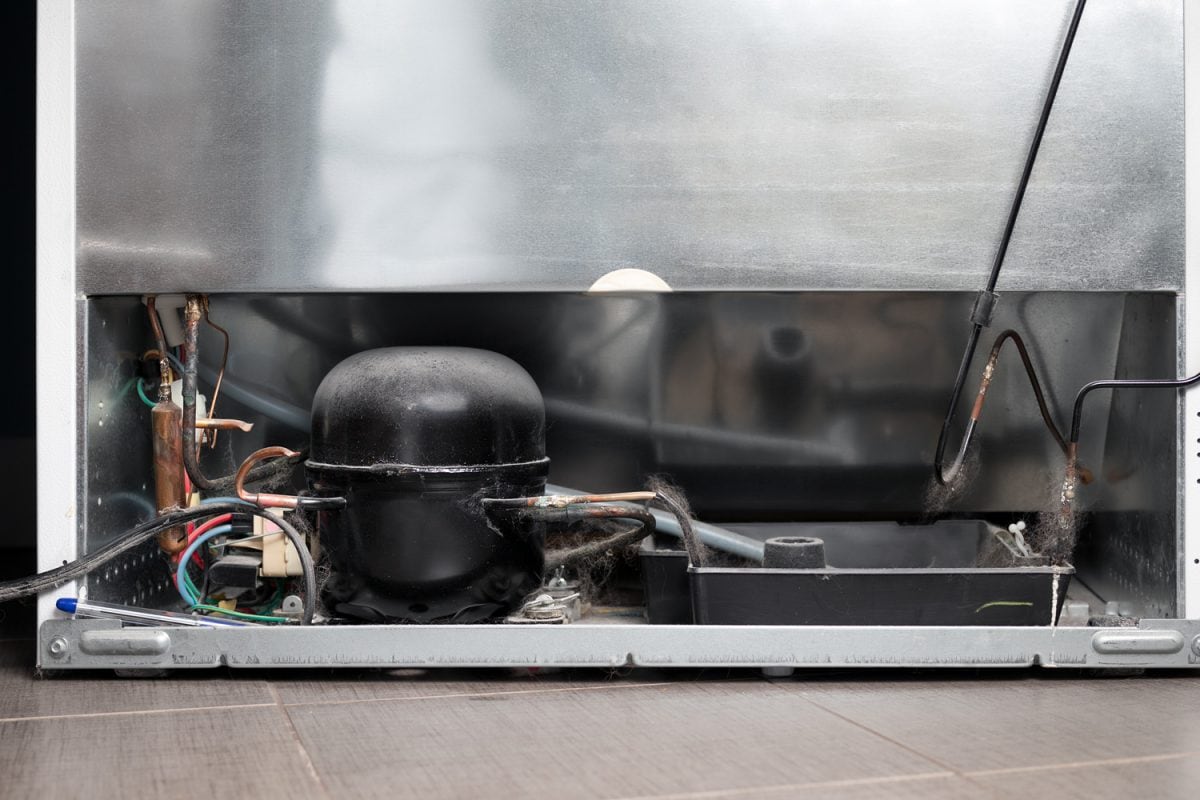
Most modern refrigerators run an automatic defrost cycle. The appliance briefly warms the evaporator coil to melt frost. The melted water then flows into a drain pan under or behind the refrigerator.
That water may sound like:
- Dripping
- Trickling
- Light splashing
- Water falling into a shallow pan
The cycle may happen without any clear warning. You may hear the noise even when no one has used the water dispenser.
The sound should stop once the melted frost has drained. A blocked drain can make the sound last longer or cause water to collect inside the refrigerator or freezer.
3. The ice maker is filling
When the ice maker completes a harvest cycle, an electric water valve opens for a short time. Water flows into the ice maker mold.
This may sound like:
- A quick rush of water
- A click followed by filling
- A short hiss
- Water entering a plastic tray
A normal fill cycle usually lasts only a few seconds. The sound may occur at any time because the ice maker works on its own schedule.
If the sound continues for much longer, the ice maker may be stuck, the water pressure may be low, or the water valve may not be closing fully.
4. The water dispenser valve or tubing is vibrating
A refrigerator with a water dispenser has a supply line, filter, valve, and internal tubing. If the tubing touches the cabinet, the valve may create a vibration that sounds like running water.
This is more likely when:
- The noise starts after dispensing water
- The noise changes when you move the refrigerator slightly
- The dispenser drips
- The water filter was recently replaced
- The water supply line is bent or loose
Do not pull the refrigerator far from the wall while the water line is connected. A stretched or kinked line can leak.

How to Tell Whether the Sound Is Normal
A normal refrigerator water sound is usually short, soft, and linked to a clear operating event. An abnormal sound tends to be constant, loud, or paired with a performance problem.
| What you notice | More likely cause | What it means |
|---|---|---|
| Brief trickle every so often | Defrost water | Usually normal |
| Short rush after ice drops | Ice maker fill cycle | Usually normal |
| Soft hiss while cooling | Refrigerant flow | Usually normal |
| Gurgling with poor cooling | Cooling-system problem | Needs service |
| Constant water sound | Valve, drain, or supply issue | Inspect soon |
| Water inside the fridge | Clogged drain or poor leveling | Troubleshoot |
| Water under the appliance | Supply leak or drain-pan issue | Shut off water and inspect |
| Loud buzzing with no water | Fan, valve, or compressor vibration | Needs further testing |
| Sound plus warm food | Cooling failure | Arrange service promptly |
The most useful clues are when the sound happens, how long it lasts, and whether the refrigerator still holds a safe temperature.
For food safety, the U.S. Food and Drug Administration recommends keeping a refrigerator at or below 40°F. Use an appliance thermometer rather than relying on how cold the air feels.
Signs the noise is probably harmless
The sound is less concerning when:
- It lasts a few seconds or minutes
- It happens during cooling or defrost
- There is no visible water
- The freezer makes ice normally
- The refrigerator stays at 40°F or below
- The noise has not suddenly become much louder
Signs you should investigate
Look more closely when:
- The sound is new and continuous
- The refrigerator is not cooling well
- Ice is melting
- Water pools under drawers
- The ice maker keeps trying to fill
- The water dispenser drips
- The noise is paired with a burning smell, repeated clicking, or strong vibration

What to Check First: A Safe Troubleshooting Order
Follow these checks in order. Start with observations that do not require removing covers or touching electrical parts.
1. Check the refrigerator temperature
Place an appliance thermometer in the main refrigerator compartment. The target is 40°F or below. The freezer should generally stay near 0°F for frozen-food storage.
If food is warming, move perishable items to another working refrigerator or a cooler with ice. Do not spend hours troubleshooting while meat, dairy, eggs, or leftovers sit above safe temperatures.
2. Listen for the timing
Stand near the refrigerator for several minutes and note what happens before the sound.
Ask:
- Did the compressor start?
- Did the ice maker drop ice?
- Did someone use the water dispenser?
- Did the sound begin after the door closed?
- Does it occur at regular intervals?
- Does it continue without stopping?
Timing can separate a normal operating sound from a water-supply fault.
3. Look for visible water
Check these areas:
- Under the crisper drawers
- Along the freezer floor
- Around the water filter
- Behind the lower kick plate
- Under the front corners
- Behind the refrigerator
- Inside the ice maker compartment
Use a dry paper towel to find small leaks. Mark the wet area, then check again after the refrigerator runs or the dispenser is used.
4. Check the ice maker
If you do not want to make ice, turn the ice maker off using its switch or control setting. Wait long enough to see whether the sound returns.
If the sound stops, the ice maker or its water valve is a likely source. Check for:
- Ice blocking the ejector arm
- A frozen fill tube
- Ice cubes jammed in the mold
- A water line that is kinked
- A filter that was installed incorrectly
Do not force a stuck ice maker by hand. Use the instructions for your exact model.
5. Inspect the water filter
A filter that is loose, incorrectly installed, or not compatible with the refrigerator can cause air, dripping, or unusual valve noise.
Remove and reinstall the filter according to the owner’s manual. If the refrigerator has a filter bypass plug, the manual may allow you to use it briefly for testing.
A filter bypass test is not a permanent substitute for required filtration. It is only useful if the model supports it.
6. Check the water supply line
If your refrigerator connects to a household water supply, inspect the line without pulling hard on it.
Look for:
- Kinks
- Cracks
- Loose fittings
- A wet shutoff valve
- A line pressed against the cabinet
- A line that vibrates against the wall
If water is leaking, close the refrigerator’s water shutoff valve if you can reach it safely. If you cannot identify the valve, use the home’s main water shutoff only if necessary and practical.
7. Inspect the defrost drain area
Water inside the freezer, under drawers, or near the front of the refrigerator may point to a blocked defrost drain.
A small amount of ice can block the drain opening. The defrost water then backs up instead of reaching the drain pan.
Do not chip ice with a knife or other sharp tool. Do not use a heat gun. These actions can damage the liner, wiring, or sealed cooling parts.
If the drain is frozen or blocked behind an interior panel, a qualified appliance technician should handle the repair.

Why the Sound May Get Louder at Certain Times
Refrigerator noise changes with the cooling load. A refrigerator may sound louder after a large grocery trip, during hot weather, or after the door has been open for a long time.
After loading warm groceries
Warm food adds heat to the cabinet. The compressor and fans may run longer. Longer cooling cycles can make refrigerant sounds more noticeable.
During hot weather
A refrigerator works harder when the room is hot. Poor airflow around the cabinet can make the compressor and condenser fan run more often.
Follow the clearance instructions in the owner’s manual. Do not push the refrigerator tightly against the wall if the manual requires space for ventilation.
After a power outage
The refrigerator may run for a long time after power returns. It may also make more sounds as the ice maker resets and the freezer returns to its normal temperature.
Check the food temperature. If perishable food has been above 40°F for too long, discard it rather than relying on smell or taste.
When the refrigerator is not level
An uneven refrigerator can cause doors to seal poorly. It can also make water move poorly through the drain system or cause vibration between the cabinet and nearby surfaces.
Use the adjustable front feet to level the appliance according to the manual. The exact adjustment method varies by model.

When a Running-Water Sound Means a Repair Is Needed
A water-like sound deserves service when it comes with poor cooling, a leak, or a part that runs continuously.
The sound does not stop
A brief refrigerant or defrost sound is different from a constant rush or hiss. Continuous noise may come from:
- A water inlet valve that does not close
- A dispenser valve problem
- A leaking supply connection
- A blocked drain
- A fan touching ice
- A sealed-system issue
Turn off the refrigerator’s water supply if the noise appears to come from the water line and continues when the ice maker and dispenser are not being used.
The refrigerator is warm
Warm food changes the situation. A cooling fault can involve the condenser fan, evaporator fan, compressor, control board, or sealed refrigerant system.
Do not attempt to add refrigerant yourself. Refrigerant work requires specialized tools and must follow applicable U.S. environmental and safety rules.
Water is leaking onto the floor
Shut off the refrigerator’s water supply if the leak involves the dispenser or ice maker line. Unplug the refrigerator only if you can do so without standing in water or touching wet electrical connections.
If water has reached an outlet, power strip, or other electrical equipment, keep away from the area and contact a qualified professional.
You hear electrical or burning noises
Stop using the refrigerator and arrange service if you notice:
- A burning odor
- Smoke
- Sparks
- Repeated electrical arcing
- A hot power cord
- A loud buzz followed by a click
- A breaker that trips repeatedly
Do not remove electrical covers unless you are qualified and the manufacturer’s instructions allow the work.
Common Mistakes to Avoid
Some quick fixes can create a larger problem.
Do not use a knife to remove ice
A sharp tool can puncture the evaporator coil or damage hidden wiring. A damaged sealed system may require major repair or replacement.
Do not ignore a small leak
A slow leak can damage flooring, cabinets, and the refrigerator’s electrical parts. Find the source before assuming the water sound is normal.
Do not test by disconnecting random parts
Unplugging a fan, valve, or sensor can create error codes or damage the appliance. Use the model-specific service instructions instead.
Do not judge food safety by smell
Food can be unsafe even when it looks and smells normal. Use temperature and time guidance from the FDA or USDA.
Do not move the refrigerator by the water line
Have another person help move the appliance. Protect the flooring and keep the supply line from bending sharply.
Quick Decision Guide
Use this short guide to choose your next step:
-
The sound is brief, and the refrigerator is cold.
Monitor it. It is likely refrigerant flow, defrost drainage, or a normal ice maker cycle. -
The sound happens after ice drops or water is dispensed.
Check the ice maker, filter, dispenser, and water line. -
The sound lasts a long time or happens constantly.
Turn off the ice maker. If the noise continues, shut off the refrigerator water supply and arrange service if needed. -
There is water inside the cabinet.
Check the defrost drain area and level of the refrigerator. Avoid sharp tools and heat guns. -
The refrigerator is warm or food is thawing.
Protect the food first, then contact an appliance technician. -
There is a leak, burning smell, or electrical issue.
Stop troubleshooting and address the water or electrical hazard safely.

Frequently Asked Questions
Is it normal for a refrigerator to sound like water is running?
Yes, often. Refrigerant can make a soft rushing or gurgling sound, and defrost water can trickle into the drain pan. The noise is usually normal when it is brief and the refrigerator maintains a safe temperature.
Why does my fridge sound like water when the water dispenser is not running?
The sound may come from refrigerant flow, defrost drainage, or the ice maker filling automatically. A refrigerator does not need active dispenser use to move water or produce water-like sounds.
Why does my refrigerator make a trickling sound at night?
The house is quieter at night, so normal sounds are easier to notice. The refrigerator may also begin a cooling or defrost cycle at that time. If the sound is new, constant, or paired with a leak, inspect it rather than assuming it is normal.
Why does my fridge sound like running water but no water is leaking?
Refrigerant flow is the most likely explanation when cooling is normal and there is no visible water. A defrost drain may also be carrying water into the drain pan without producing an external leak.
Should I unplug my refrigerator if it sounds like water?
Not usually. Unplug it only when you need to perform a safe inspection and the area is dry, or when the owner’s manual directs you to do so. Do not unplug or touch the appliance while standing in water.
How long should a refrigerator water sound last?
There is no single time limit for every model. A short sound during ice making, defrost, or cooling is common. A sound that continues for many minutes, repeats constantly, or becomes louder should be investigated.
Final Answer
A fridge that sounds like running water is usually making a normal operating noise from refrigerant flow, defrost water, or the ice maker. Check the sound’s timing, look for leaks, confirm the refrigerator is at 40°F or below, and inspect the filter and water line if your model has a dispenser or ice maker.
If the noise is constant, the refrigerator is warm, water is leaking, or you notice an electrical smell, stop using the affected function and arrange qualified appliance service. Always follow the owner’s manual for your exact refrigerator model.

Appliance Review Expert
Lucas Ramirez is a trusted voice at HomeFixGrid.com, known for his clear, practical, and creatively written guides that simplify appliance care for everyday homeowners. With a strong focus on hands-on testing and real-world problem-solving, Lucas brings expert insight into appliance reviews and troubleshooting techniques. Her work empowers readers to confidently maintain, repair, and choose the right appliances for their homes.