Why Is My Refrigerator Leaking From The Bottom: Quick Fixes
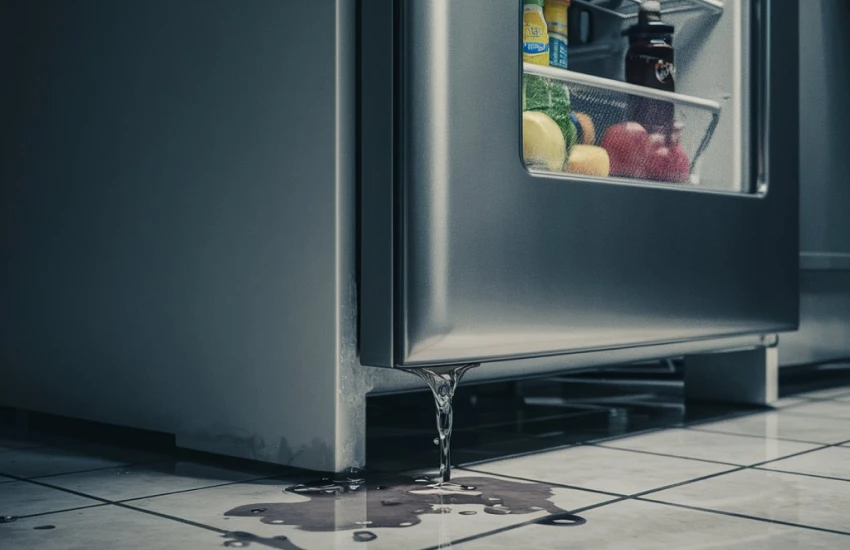
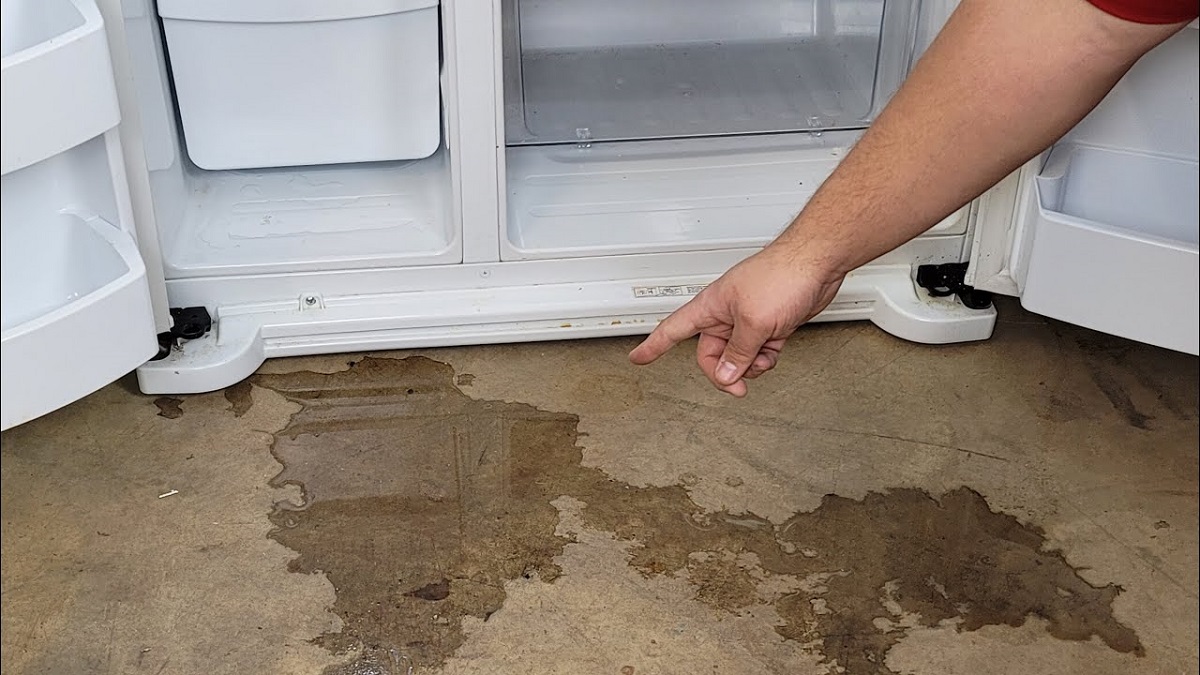
A refrigerator that leaks from the bottom usually has a blocked defrost drain, a full drain pan, or a leaking water line. In U.S. homes, the source may be inside the fresh-food area, under the crisper drawers, behind the kick plate, or on the floor near the back of the appliance.
Start by wiping up the water. Then check where it first appears. That detail often points to the cause:
- Water inside the refrigerator: A blocked defrost drain is likely.
- Water under the front: Check the drain pan, refrigerator level, and door seal.
- Water near the back: Inspect the ice maker supply line and water filter housing.
- Water only after using the dispenser: Check the dispenser tubing and connections.
- A puddle with no water feature: A clogged drain or cracked drain pan may be the cause.
Do not ignore the leak. Water can damage flooring, cabinets, wiring, and the refrigerator itself.

First, Find Where the Water Starts
The best way to diagnose a refrigerator leak is to trace the water to its highest visible point. Dry the floor and shelves, then check the refrigerator from top to bottom.
Water inside the refrigerator
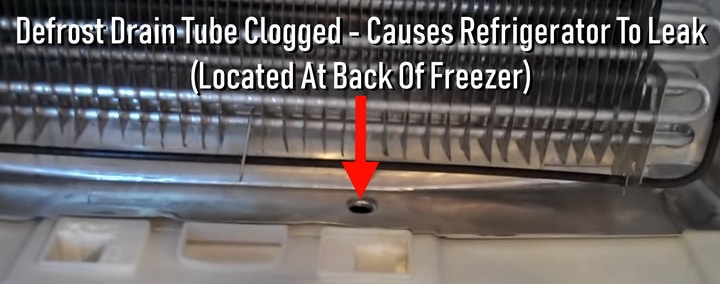
If water collects under the crisper drawers, the defrost drain is the main suspect. During a normal defrost cycle, melted ice should flow through this drain into a pan below the refrigerator. A blocked drain makes the water back up into the cabinet.
Food crumbs, ice, labels, and frozen water can block the opening. A damaged drain tube can also send water into the refrigerator instead of the drain pan.
Water under the front
A puddle near the front may come from the drain pan. The pan sits below the refrigerator and catches water from the defrost cycle. It usually dries through normal airflow.
The pan may leak if it is:
- Cracked
- Rusted through
- Out of position
- Filled with too much water
- Hit during cleaning or moving
A refrigerator that tilts forward can also let water run toward the front instead of toward the drain pan.
Water near the back
Water at the back often comes from a supply line, filter, valve, or ice maker. This applies to refrigerators connected to a household water supply.
Look for moisture around:
- The wall shutoff valve
- The plastic or copper supply tube
- The refrigerator inlet valve
- The water filter housing
- The ice maker fill tube
- The dispenser tubing
A loose fitting may drip slowly. A split tube can create a larger puddle.
Water near the freezer door
A blocked freezer defrost drain can cause water to freeze on the freezer floor. Later, the ice may melt and run out onto the floor.
A freezer door that does not seal can also create excess frost. That frost may melt during a defrost cycle and overwhelm the drain system.
Common Causes of a Refrigerator Leaking From the Bottom
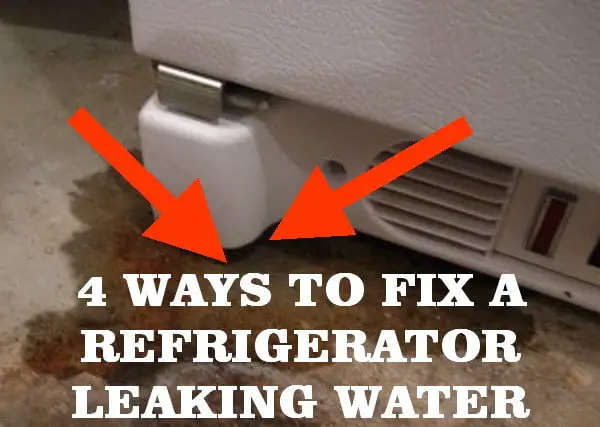
The same symptom can have several causes. Use the table below to narrow the list before taking anything apart.
| Visible symptom | Likely cause | First check |
|---|---|---|
| Water under crisper drawers | Clogged defrost drain | Find the drain opening at the rear of the refrigerator compartment |
| Ice on the freezer floor | Frozen or blocked defrost drain | Look for ice around the lower freezer wall |
| Water behind the refrigerator | Supply line or inlet valve leak | Inspect the line and shutoff valve |
| Water from the front corner | Drain pan, poor leveling, or door gasket | Check the pan and door seal |
| Water after using the dispenser | Dispenser tube or filter seal | Check the filter and tubing |
| Water only when the ice maker runs | Ice maker fill tube or valve | Inspect the ice maker area |
| Repeated leaks after cleaning | Cracked pan or damaged drain tube | Examine parts for splits or rust |
1. A clogged or frozen defrost drain
This is one of the most common causes. Frost melts during the automatic defrost cycle. The water should pass through the drain and collect in the pan below.
If the drain is blocked, water may:
- Pool under food drawers
- Freeze on the freezer floor
- Run from the bottom of the refrigerator
- Reappear every few days
A drain may be blocked by ice near the drain opening or by debris farther down the tube.
2. A damaged or misplaced drain pan
The drain pan is often hidden behind the front grille or under the cabinet. Some models allow easy access. Others require service access.
A pan can crack from age, heat, impact, or repeated removal. If the pan is not seated correctly, water may miss it and reach the floor.
3. A leaking water supply line
A refrigerator water line may leak at the wall, behind the unit, or where it connects to the refrigerator. Plastic tubing can become brittle. Compression fittings can loosen when the appliance moves.
Do not pull the refrigerator forward by the water line. It may kink or break.
4. A loose or damaged water filter
Many refrigerators use a water filter inside the cabinet. If the filter is not fully seated, water may leak from the filter housing.
A damaged O-ring, wrong filter type, or broken filter cap can also cause a leak. Use the filter listed for the exact refrigerator model. Some designs need the filter to click, twist, or lock into place.
5. A door gasket that does not seal
The rubber gasket around the door keeps warm, moist air out. If it is dirty, folded, torn, or loose, frost can build up inside the freezer.
That frost can later melt and create excess water. A poor seal may also make the refrigerator run longer and raise energy use.
6. A refrigerator that is not level
A refrigerator should sit firmly on the floor. Most models are designed to tilt slightly toward the back, but the correct adjustment depends on the model.
If the cabinet leans too far forward, doors may not close well and water may not flow as intended. Check the owner’s manual before adjusting the leveling feet.

How to Fix a Refrigerator Leak Safely
Use the least invasive checks first. You do not need to remove sealed panels or handle refrigerant to diagnose most water leaks.
Step 1: Protect the floor and food
Move food away from the leak. Place towels or a shallow pan under the water. Clean the floor to prevent slipping and reduce damage to wood or laminate.
If the refrigerator has electrical parts near the water, unplug it before inspecting those areas. Pull the plug by the plug body, not the cord.
If the refrigerator must stay off, keep the doors closed. The U.S. Department of Agriculture says a refrigerator generally keeps food cold for about four hours if unopened. Check food safety guidance before keeping perishable food after a longer outage.
Step 2: Turn off the water supply if needed
If you see water near a supply line, shut off the refrigerator’s water valve. In many U.S. homes, the valve is behind the refrigerator or under the nearby sink.
If the valve will not close, or water sprays from the line, turn off the appropriate household water supply and call a plumber or appliance technician.
Step 3: Check the water filter
Remove and reinstall the filter according to the owner’s manual. Do not force it.
Check for:
- A cracked filter
- A missing seal
- A wet filter housing
- A filter that does not lock
- Water that appears after dispenser use
If the leak stops after the filter is correctly installed, the filter or housing was likely the source.
Step 4: Inspect the defrost drain
Look inside the refrigerator and freezer for the drain opening. The location varies by model. It may be behind a small cover or near the rear wall.
If the drain is covered with ice, let the freezer thaw naturally. Keep towels nearby. Do not use a knife, screwdriver, heat gun, or open flame to remove ice.
A hair dryer can damage plastic parts, insulation, or wiring. Some manufacturers allow a low-heat method, but follow the model manual first.
Once the ice is gone, remove only loose debris that you can reach safely. Do not push objects deep into the drain tube.
Step 5: Check the drain pan
Look beneath the refrigerator for the pan. Unplug the appliance first if the pan is close to wiring or the compressor area.
Clean the pan with warm water and mild dish soap. Check for cracks, rust holes, or a pan that sits out of place. Replace a damaged pan with the correct part for the model.
Step 6: Check the door gasket
Clean the gasket with mild soap and water. Dry it well. Look for tears, gaps, folds, or sections that have pulled away from the door.
Close the door on a thin sheet of paper. If the paper slides out with little resistance in several areas, the gasket may not seal well. This is a simple check, not a complete test.
Make sure containers and shelves do not block the door.
Step 7: Watch for the leak to return
Dry all surfaces. Restore power and water only after the area is safe. Check the refrigerator over the next defrost cycle or after using the dispenser and ice maker.
A leak that returns after thawing often points to a blocked drain, damaged drain tube, or failed part below the cabinet.

When to Call an Appliance Technician
Call a qualified appliance technician when the leak continues after basic checks or when access requires removing sealed or electrical components.
Professional help is the safer choice if:
- Water reaches electrical connections
- The compressor area is wet
- The leak comes from a sealed cabinet panel
- The drain freezes again soon after thawing
- The refrigerator will not cool
- You smell burning or see damaged wiring
- The water inlet valve is cracked
- The drain pan is difficult to remove
- You cannot identify the source
- The unit is under warranty
Do not puncture tubing or remove sealed-system parts. Refrigerators contain refrigerant and electrical components that require proper tools and training.
If the refrigerator is still under warranty, check the warranty terms before paying for a repair. Some repairs may require an authorized service provider.
Repair or replace?
A drain blockage, filter seal, or supply line is often worth repairing. A cracked drain pan may also be a simple part replacement.
Replacement may be more practical when the refrigerator has several major problems, such as:
- A repeated leak
- Poor cooling
- A failing compressor
- Heavy rust
- A damaged cabinet
- High repair cost compared with the unit’s age
Get the exact model number before ordering parts. It is usually found inside the refrigerator compartment, on the door frame, or behind the kick plate.

How to Prevent Future Refrigerator Leaks
Simple care can reduce the risk of another leak.
- Keep food and packaging away from drain openings.
- Clean spills before they reach vents or drains.
- Replace water filters on the schedule in the owner’s manual.
- Check the water line after moving the refrigerator.
- Do not kink the supply tube.
- Keep the door gasket clean.
- Make sure doors close fully.
- Avoid overpacking the freezer.
- Check for frost buildup on the freezer floor.
- Clean the drain pan when the model allows access.
- Keep the refrigerator stable and properly adjusted.
Do not pour chemical drain cleaner into a refrigerator drain. It can damage plastic parts and may leave harmful residue near food.
A small amount of water in the drain pan can be normal. A growing puddle, wet floor, or repeated water under the drawers is not.
Quick Diagnosis: What Should You Check First?
Use this order:
- Dry the area and trace the water.
- Check the water filter and supply line.
- Look for a blocked or frozen defrost drain.
- Inspect the drain pan.
- Check the door gasket and refrigerator level.
- Call for service if the leak returns or reaches electrical parts.
The most useful clue is timing. If water appears after a defrost cycle, suspect the drain system. If it appears after dispensing water or making ice, suspect the water system. If it appears without either event, inspect the pan, drain, gasket, and cabinet level.
Frequently Asked Questions
Is it safe to use a refrigerator that is leaking water?
It may be safe if the leak is small and far from electrical parts, but you should fix it soon. Unplug the refrigerator if water reaches the power cord, outlet, wiring, or compressor area. Do not touch electrical components with wet hands.
Why is water leaking from under my refrigerator but the inside looks dry?
The water may come from the drain pan, a rear water line, or a hidden defrost drain. Dry the floor, place paper towels near the back and front edges, and check which area becomes wet first.
Why does my refrigerator leak only at night?
The leak may happen during an automatic defrost cycle. The cycle can occur at different times, so a leak may seem tied to nighttime even when the real cause is a blocked drain or cracked pan.
Can a refrigerator leak if it is too full?
Yes. A packed refrigerator can block vents, prevent the door from closing, or push food against the rear wall. This can lead to frost, poor airflow, and water from a blocked drain. Do not cover vents or force the door closed.
How do I stop a freezer from leaking water onto the floor?
First, check for ice on the freezer floor and a blocked defrost drain. Thaw the ice safely, clean the accessible drain area, and check the door gasket. If ice returns, the drain tube, defrost system, or door seal may need professional service.
Why is my refrigerator leaking brown or dirty water?
Dirty water may come from a drain pan, dust, rust, food residue, or a deteriorating part. Clean the pan if it is accessible. If the water has an oily appearance, a strong odor, or comes from the sealed system, stop using the refrigerator and call a technician.
Conclusion
A refrigerator leaking from the bottom most often has a clogged defrost drain, damaged drain pan, leaking water line, poor door seal, or leveling problem. Find where the water starts before replacing parts.
Dry the area, shut off the water when needed, inspect the filter and drain, and avoid sharp tools or heat near plastic and wiring. If the leak returns, reaches electrical parts, or comes from a sealed area, arrange professional service.

Appliance Review Expert
Lucas Ramirez is a trusted voice at HomeFixGrid.com, known for his clear, practical, and creatively written guides that simplify appliance care for everyday homeowners. With a strong focus on hands-on testing and real-world problem-solving, Lucas brings expert insight into appliance reviews and troubleshooting techniques. Her work empowers readers to confidently maintain, repair, and choose the right appliances for their homes.