How Long Do Warmies Go In The Microwave: Safe Guide
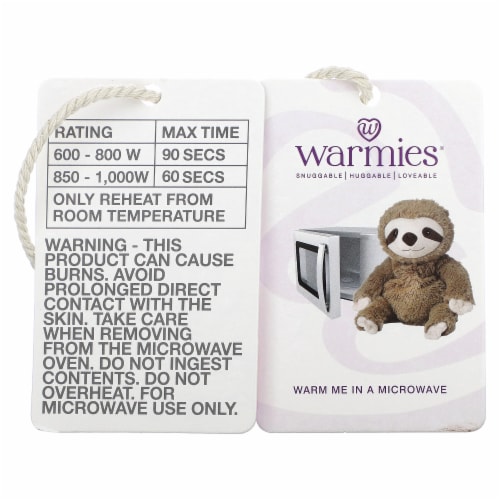
Most standard Warmies are microwaved for up to 90 seconds, but always follow the product’s care label.
Knowing how long Warmies go in the microwave helps you enjoy safe, gentle warmth without overheating the plush, damaging the filling, or creating a fire risk. The right time depends on the Warmies product, microwave wattage, and the manufacturer’s instructions, so this guide explains the safest method in clear steps.
How long do Warmies go in the microwave?
Most full-size Warmies plush toys are designed to heat in the microwave for up to 90 seconds. This time usually applies to a microwave set near 1,000 watts, which is common in many homes.
Smaller products may need less time. Warmies slippers, eye masks, neck wraps, and other accessories can have different heating limits. The label or care tag is the final authority.
If you cannot find the instructions, use a cautious approach:
- Place the Warmies flat on the microwave turntable.
- Heat it for 30 seconds.
- Check the temperature and turn the item.
- Continue in 10 to 15 second steps if needed.
- Never exceed the stated maximum heating time.
The answer to “how long do Warmies go in the microwave” is not always the same for every product. A plush toy, eye mask, and neck wrap may contain different fillings and have different safety limits.

Why Warmies should not be overheated
Warmies contain natural grains, herbs, or other heat-retaining materials. These fillings warm slowly and hold heat for a long time, much like a small heat pack.
Too much microwave time can make the filling dangerously hot. It may also dry the grains, burn the fabric, damage the stitching, or cause a smoky smell. In rare cases, overheated grain-filled products can catch fire.
That is why the question “how long do Warmies go in the microwave” matters more than simply making the toy as hot as possible. Warmth should feel soothing, not sharp, painful, or difficult to hold.
Do not rely only on the microwave timer. Microwave power can vary, and some ovens heat unevenly. A 1,200-watt microwave may heat a Warmies product faster than a 700-watt model.
The safest way to microwave a Warmies
Follow these steps each time you heat a Warmies product.
1. Read the care label first
Look for the heating time, maximum temperature guidance, and any special instructions. Some products may have separate directions for heating and cooling.
If the label says “microwave only,” do not place the product in an oven, toaster oven, air fryer, or on a stove. These appliances can expose the filling to direct or uneven heat.
2. Check the Warmies before heating
Inspect the plush or wrap for damage. Do not microwave it if you notice:
• A torn seam
• Loose stitching
• A split outer cover
• Dampness or stains
• Burn marks
• A damaged heat pack inside
Moisture is especially important. A damp grain-filled item can heat unevenly and may produce steam or hot spots.
3. Place it correctly
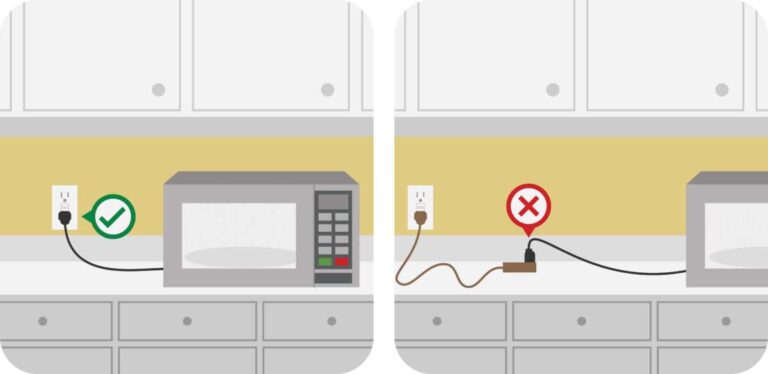
Set the Warmies in the center of a clean microwave turntable. Keep the product away from the microwave walls and ceiling.
If the item is large, arrange it so it can rotate freely. Do not fold a thick plush tightly unless the instructions specifically allow folding.
4. Use a short first heating cycle
For a standard Warmies plush, begin with the recommended time, usually up to 90 seconds. If you are unsure about the microwave’s power, start with 30 seconds.
After each short cycle, gently move the filling around. This helps spread heat and reduces the chance of one area becoming much hotter than the rest.
5. Test the temperature
Hold the Warmies against the inside of your wrist. This area is more sensitive than your palm and can help you notice excessive heat.
The item should feel pleasantly warm. It should never feel painful, scorching, or too hot to hold. Allow it to cool before giving it to a child, baby, older adult, or person with reduced heat sensitivity.

How microwave wattage changes heating time
Microwave wattage affects how quickly a Warmies product heats. A high-wattage microwave can reach the same temperature in less time than a low-wattage microwave.
For example, a product that safely heats for 90 seconds in a 700-watt microwave may become hotter in a 1,200-watt microwave. This does not mean you should automatically double the time in a low-wattage oven.
Use the product’s maximum time as a limit, not a target that must always be reached. If the Warmies feels warm enough after 45 or 60 seconds, stop there.
A useful safety rule is:
• Lower-wattage microwave: Use the labeled time, then add heat only in short steps if allowed.
• Average-wattage microwave: Follow the label closely.
• High-wattage microwave: Start with less time and check often.
The safest answer to “how long do Warmies go in the microwave” always includes both the product instructions and the microwave’s power.
How to heat different Warmies products
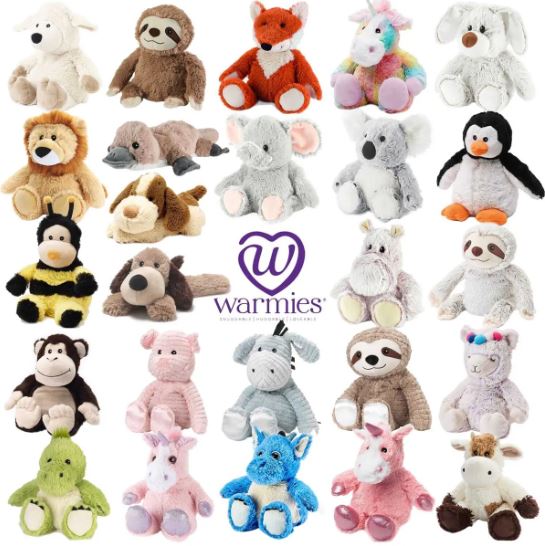
Warmies products are not all the same. Their size, shape, filling, and fabric can change the correct microwave time.
Warmies plush toys
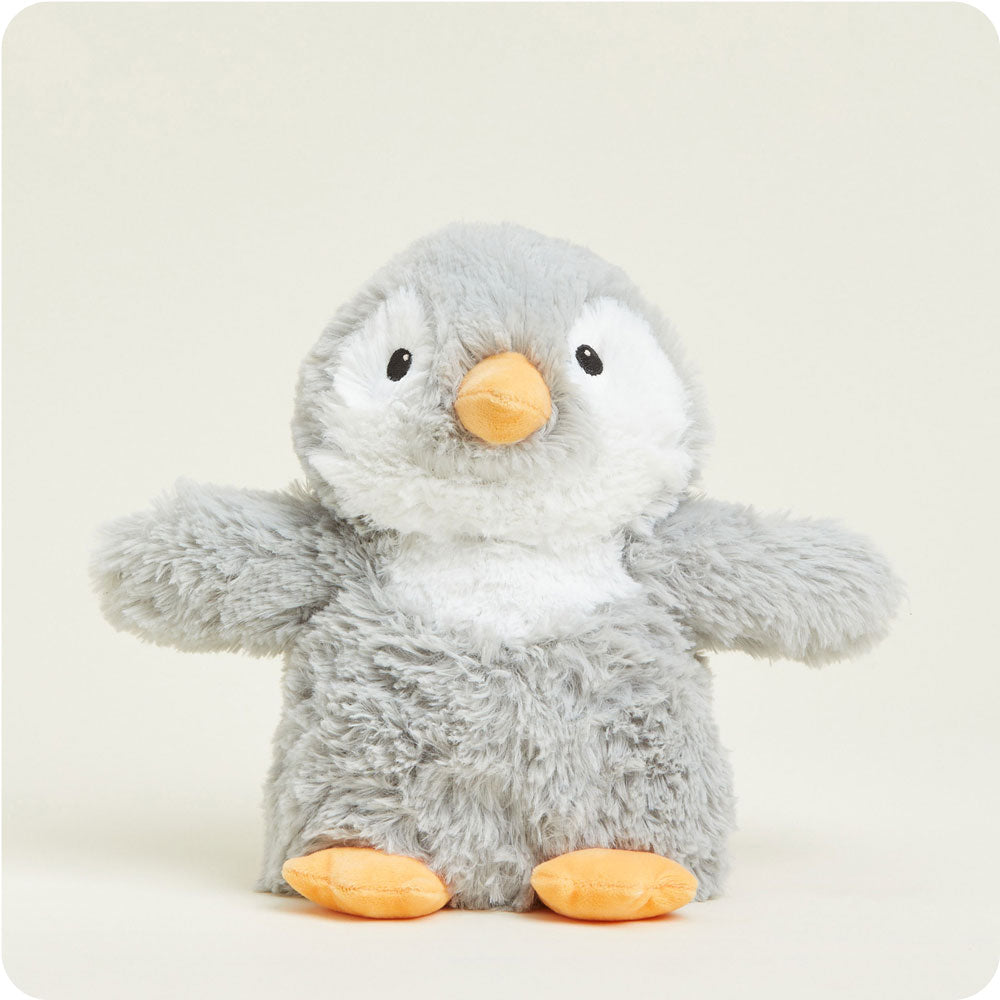
Many standard Warmies plush toys can be heated for up to 90 seconds. Place the plush on its back or side, make sure it rotates freely, and check for hot spots before use.
Do not heat a plush for several minutes just because it feels cool at first. Natural fillings may continue to warm for a short time after the microwave stops.
Warmies eye masks
Eye masks are smaller and usually need less heating than a full-size plush. Follow the eye mask label carefully and use short cycles if the instructions are not available.
Because an eye mask rests near the eyes, it should feel gently warm rather than hot. Test it on your wrist before placing it over your face.
Warmies neck wraps
Neck wraps may have an uneven shape and can contain more filling in some sections. Lay the wrap flat and avoid bunching it during heating.
Check the entire length before use. One end may be warmer than the other if the item did not rotate evenly.
Warmies slippers
Warmies slippers may have specific heating instructions because they are shaped and may contain removable inserts or special materials. Do not assume they use the same time as a plush toy.
If the slippers have inserts, read the label to confirm whether the inserts should be heated inside or outside the slippers.

Common mistakes to avoid
Many problems happen because people treat a Warmies product like a normal heating pad. It is safer to think of it as a dry, scented grain pack that needs careful handling.
Avoid these mistakes:
• Heating it longer than the maximum time
• Leaving it unattended in the microwave
• Microwaving a wet or damp product
• Heating it inside plastic packaging
• Covering it with a towel during heating
• Using a damaged item
• Placing it near metal
• Reheating it immediately several times
• Giving it to a child without checking the temperature
• Storing it while it is still warm
One common mistake is adding another minute because the Warmies does not feel hot right away. The center may be warmer than the outside, and the filling may continue releasing heat after the cycle ends.
If you smell smoke, see discoloration, or notice unusual heat, stop the microwave immediately if it is safe to do so. Keep the microwave door closed until the item cools, then follow local fire safety advice.

How often can you microwave Warmies?
A Warmies product can usually be reheated when needed, provided it remains dry, clean, and undamaged. However, repeated heating can slowly dry the filling and wear down the fabric or seams.
Let the product cool fully before heating it again. Avoid running back-to-back cycles without checking its condition.
For regular use, inspect the item every few weeks. Pay attention to:
• Changes in smell
• Hard or clumped filling
• Brown or dark spots
• Frayed seams
• Loose material
• A burnt or smoky odor
If the product no longer looks or smells normal, replace it. A new Warmies product costs less than the risk created by using a damaged heat pack.
Can Warmies go in the freezer?
Many Warmies products can also be cooled, but you should follow the label before placing one in a freezer. Some products are designed for both warm and cool use, while others may have different instructions.
If the label allows cooling, place the Warmies in a sealed plastic bag first. This protects the fabric from odors, moisture, and freezer frost.
Do not freeze a product that is wet. Moisture can change the texture of the filling and may create problems when the item is later microwaved.
The same safety principle applies in both directions: follow the product instructions, inspect the item, and test the temperature before use.
Is it safe for children and babies?
Warmies products can feel comforting, but hot items require extra care around children. Young children may not recognize that a product is too hot, and babies have more delicate skin.
Always test the Warmies against your wrist before giving it to a child. Do not place a heated item directly against a baby’s skin or leave it in a crib, bassinet, or bed without close supervision.
Children should use Warmies only with an adult nearby. Remove the item if the child becomes sweaty, flushed, uncomfortable, or restless.
People with diabetes, nerve damage, reduced sensation, or circulation problems should also use extra caution. They may not feel excessive heat quickly enough to avoid a burn.

Practical tips for comfortable, even warmth
The goal is gentle warmth that lasts. These simple habits can help:
- Shake or massage the filling lightly after heating.
- Check the center, edges, and seams for hot spots.
- Let the item rest for one or two minutes before use.
- Place it over clothing instead of directly on bare skin.
- Stop using it if the scent changes to a burnt smell.
- Keep it dry between uses.
- Store it in a cool, dry place.
- Follow the label each time, even if you have used the product before.
In real homes, the biggest lesson is that microwaves are not perfectly alike. A time that works well in one kitchen may make the same Warmies product too hot in another. I recommend starting with less time whenever you are using a new microwave or a new Warmies item.
Frequently Asked Questions
How long do Warmies go in the microwave for the first time?
Most standard Warmies plush toys are heated for up to 90 seconds, but the exact limit depends on the product. For a first use, begin with 30 seconds and check the temperature before adding more time.
Can you microwave Warmies for two minutes?
Do not microwave a Warmies for two minutes unless the product’s official instructions clearly permit it. Most standard Warmies products have a lower maximum time, and overheating can damage the filling or create a fire risk.
Can Warmies catch fire in the microwave?
Yes, grain-filled warming products can become a fire hazard if they are overheated, damaged, or heated while damp. Never leave a Warmies unattended, and stop using it if you notice smoke, burning, or discoloration.
How do you know when a Warmies is hot enough?
A Warmies is ready when it feels gently warm and comfortable against your wrist. It should not feel scorching, painful, or too hot to hold.
Can you reheat Warmies more than once?
You can usually reheat a dry, undamaged Warmies product, but let it cool completely between cycles. Use short heating steps and never exceed the maximum time on the care label.
Can you microwave a wet Warmies?
No. Do not microwave a wet or damp Warmies product because moisture can cause uneven heating, steam, or damage. Let it dry completely only if the manufacturer’s care instructions allow continued use.
How long do Warmies stay warm?
A Warmies product often stays warm for several hours, depending on its size, room temperature, and how it is used. The warmth gradually fades rather than stopping all at once.
Conclusion
Most standard Warmies plush toys go in the microwave for up to 90 seconds, but the product label always comes first. Microwave wattage, product size, filling, and condition can change how quickly the item heats.
Use short cycles when unsure, keep the Warmies dry, check for damage, and test the temperature before using it. Treat it like a gentle heat pack, not a toy that needs to become very hot.
Follow these steps each time for safer, more comfortable warmth. If you have a Warmies product with unclear instructions, check its care label or contact the manufacturer before heating it again.

Appliance Review Expert
Lucas Ramirez is a trusted voice at HomeFixGrid.com, known for his clear, practical, and creatively written guides that simplify appliance care for everyday homeowners. With a strong focus on hands-on testing and real-world problem-solving, Lucas brings expert insight into appliance reviews and troubleshooting techniques. Her work empowers readers to confidently maintain, repair, and choose the right appliances for their homes.