
What Does A Mattress Sit On: Best Bed Base Guide
A mattress usually sits on a bed frame, foundation, platform bed, box spring, or adjustable base.
Knowing what does a mattress sit on helps you choose the right support, protect your warranty, and sleep more comfortably. The wrong base can cause sagging, poor airflow, noise, or even damage to the mattress. This guide explains each option, how much support a mattress needs, and how to avoid common setup mistakes.

What does a mattress sit on?
A mattress sits on a firm, stable support surface. The support may be a bed frame with slats, a solid platform, a box spring, a foundation, or an adjustable bed base.
The best choice depends on the mattress type, its weight, your preferred height, and the support rules from the manufacturer. Memory foam, latex, hybrid, and innerspring mattresses can have different base requirements.
In simple terms, the support below your mattress should do four things:
• Hold the mattress evenly across its full width and length
• Keep the mattress from bending or sinking between supports
• Allow safe airflow when the design requires it
• Keep the mattress at a practical height for getting in and out of bed
Think of the base as the mattress’s skeleton. A mattress provides comfort, but the foundation below it provides balance and structure.
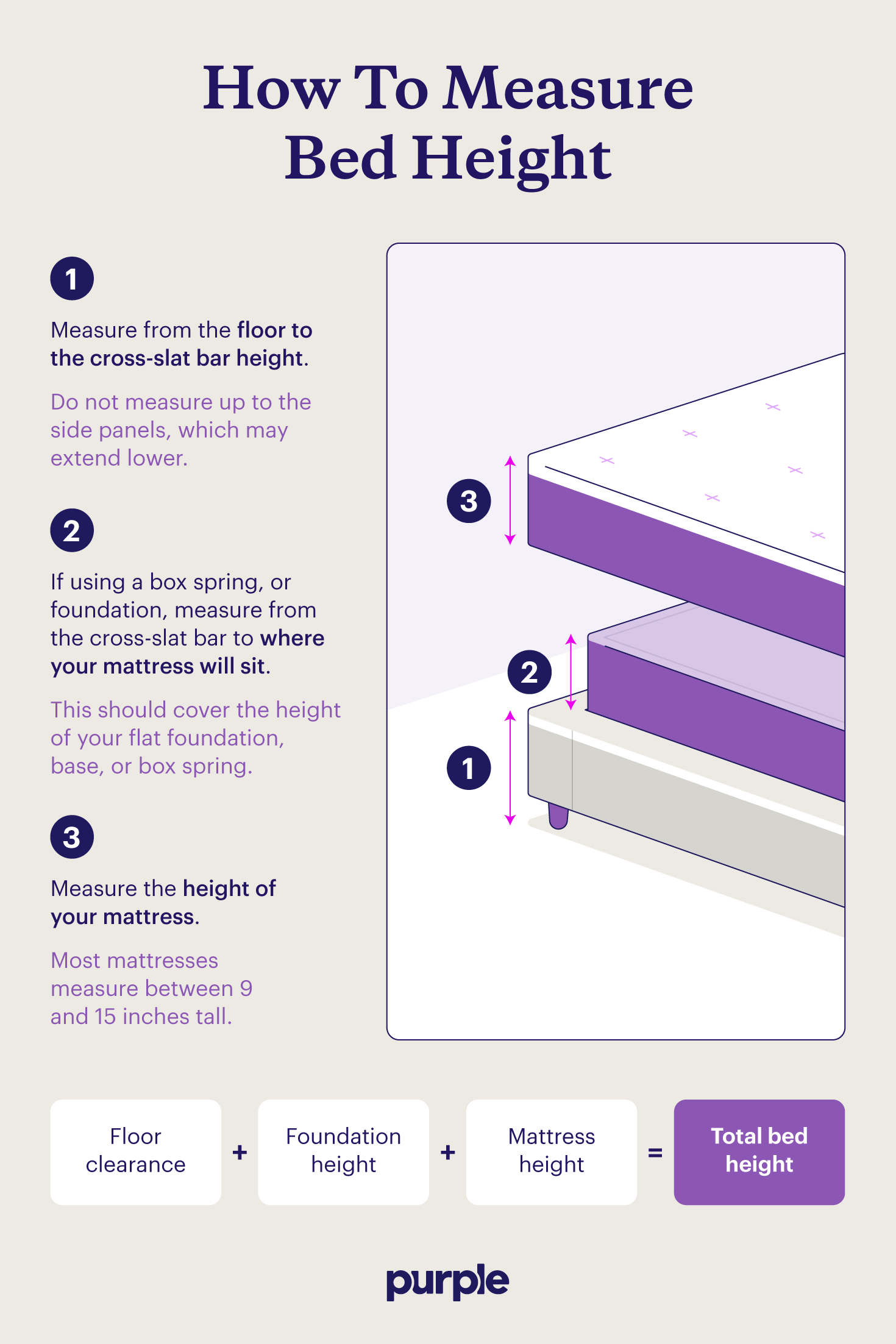
Common surfaces that support a mattress
There is no single answer to what does a mattress sit on. Several support systems work well, but each has different benefits and limits.
Bed frame with slats
A slatted bed frame uses wood or metal boards that run across the frame. The slats support the mattress while leaving open space below for airflow and storage.
Slats should be strong, evenly spaced, and securely attached. Many mattress makers require slats to be no more than 2 to 3 inches apart, but the exact spacing varies by brand.
Wide gaps can let a foam mattress dip between the slats. Over time, this may create uneven wear and reduce comfort.
Platform bed
A platform bed has a built-in support surface. It may use closely spaced slats, a solid deck, or a mix of both.
Platform beds are popular because they do not always need a box spring. They also give the mattress a clean, modern look and often provide useful storage underneath.
Before placing a mattress on a platform bed, check that the platform can support the combined weight of:
• The mattress
• The bed frame
• The sleepers
• Bedding and other items
Box spring
A traditional box spring contains a wooden or metal frame with springs inside. It was designed mainly for older innerspring mattresses.
Modern box springs vary. Some are true spring units, while others are rigid foundations that only look like box springs. A modern foam or hybrid mattress may not work well with a flexible box spring.
Always check the mattress warranty before using one. A flexible base can cause problems if the mattress needs firm, continuous support.
Mattress foundation
A foundation is usually a rigid support frame covered with fabric. It often looks like a box spring but provides firmer support.
Foundations work well with many memory foam, latex, hybrid, and innerspring mattresses. They also raise the mattress to a comfortable sitting height.
A foundation can be used on the floor for short-term use, but a matching bed frame is usually better for long-term airflow, stability, and appearance.
Adjustable bed base
An adjustable base allows you to raise the head, lift the legs, or create other positions. It is often used with foam, latex, and some hybrid mattresses.
Not every mattress can bend safely. An innerspring mattress with rigid coils may not be compatible with an adjustable base.
Look for the phrase “adjustable base compatible” in the product specifications. The base must also match the mattress size and weight.
The floor
A mattress can sit on the floor, but this is usually a temporary solution. The floor gives the mattress a flat surface, yet it can restrict airflow and expose the mattress to dust, moisture, insects, and cold air.
If you use the floor, lift the mattress often and inspect both sides. Let it air out in a dry room, and never place it on a damp floor or carpet.

How a mattress support system works
A mattress support system spreads weight across the entire sleeping surface. It also helps the comfort layers keep their shape.
When you lie down, your weight creates pressure in certain areas. Your shoulders, hips, and knees often press down more than the rest of your body. A strong base spreads that pressure instead of allowing one part of the mattress to sink too far.
A weak base can lead to:
• A dip in the center of the bed
• Uneven edges
• More motion transfer
• Creaking or shifting
• Poor spinal alignment
• Premature wear
The base does not make a poor mattress feel perfect. However, even a high-quality mattress can perform badly on an unsuitable support surface.
For good support, inspect these features:
• Even spacing between slats
• A strong center rail
• Center legs that touch the floor
• Secure joints and fasteners
• A weight rating that exceeds the total load
• No sharp edges or broken boards
The center support matters most on queen, king, and California king beds. Wider mattresses need more support across the middle to prevent bowing.

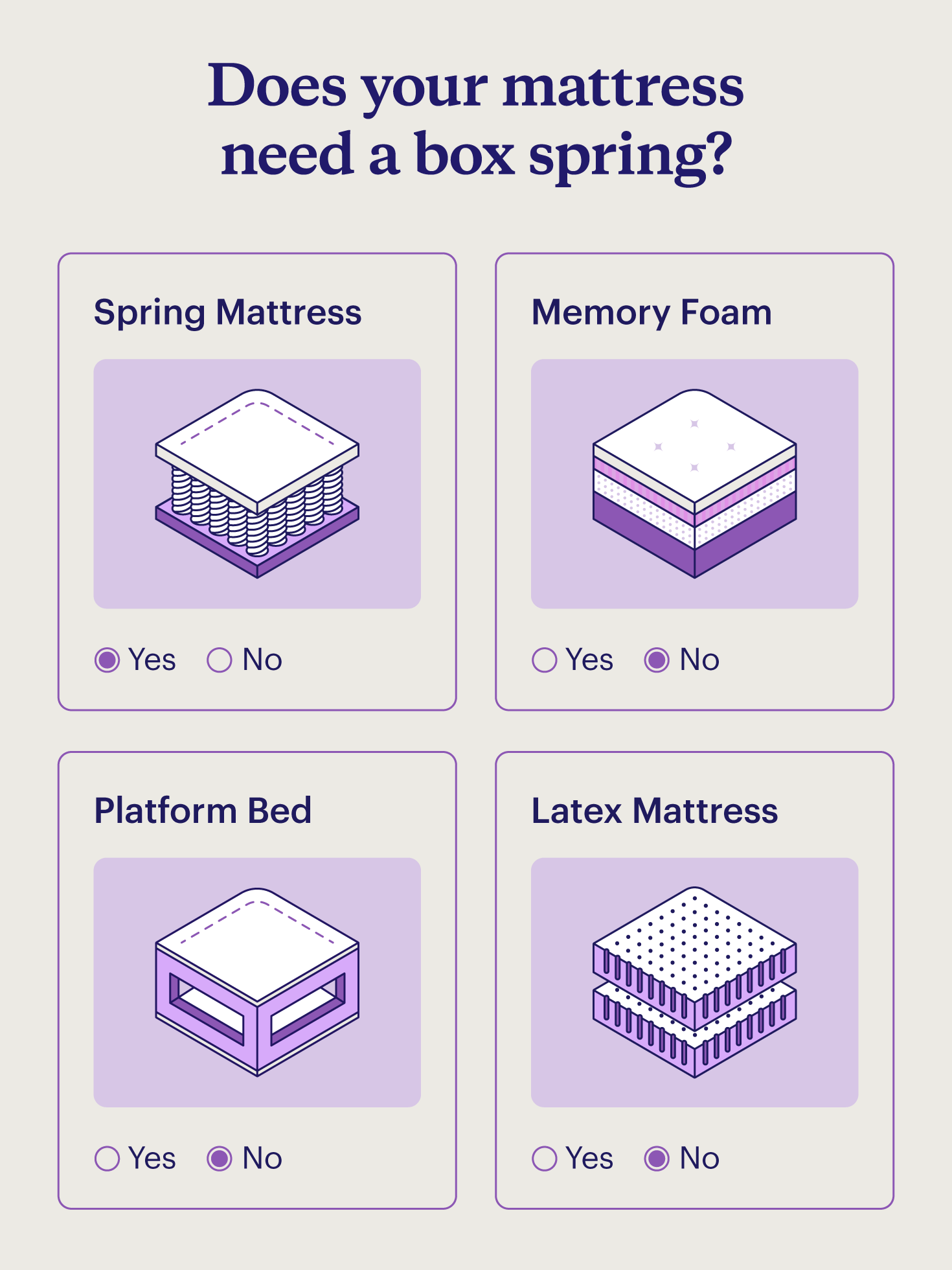
What does a mattress sit on by mattress type?
The best answer to what does a mattress sit on often depends on the mattress construction.
Memory foam mattress
A memory foam mattress usually needs a firm platform, solid foundation, or closely spaced slats. The support must prevent the foam from flexing into large gaps.
Memory foam also benefits from airflow. A solid base may work, but a ventilated platform can help reduce trapped heat and moisture.
Latex mattress
Latex mattresses are heavy and flexible. They need strong support across the full surface.
A solid foundation or sturdy slatted frame usually works well. Slats should be close enough together to prevent the latex from dipping between them.
Hybrid mattress
A hybrid mattress combines foam with coils. It commonly works on a platform bed, rigid foundation, or suitable box spring.
Because hybrids can be heavy, check the base’s weight rating. A weak frame may bow even when the mattress itself is well made.
Innerspring mattress
Traditional innerspring mattresses may work with a box spring, foundation, or slatted frame. Some models need a flexible base, while others need a firm one.
Do not assume every innerspring mattress works with every box spring. Coil design and manufacturer instructions both matter.
Pillow-top mattress
A pillow-top mattress can use the same base as the mattress beneath its comfort layer. The extra padding does not remove the need for firm, even support.
Because pillow-tops are often thick and heavy, make sure the frame is stable and easy to access for rotating the mattress.
Air mattress
An air mattress is different from a regular bed mattress. It usually sits on a clean floor, a camping surface, or a special frame designed for that model.
Keep it away from sharp objects, rough flooring, and excessive heat. Follow the product instructions for inflation and support.
How far apart should bed slats be?
Many mattresses need slats that are spaced 2 to 3 inches apart or less. However, there is no universal rule for every mattress.
The correct spacing depends on the mattress brand, thickness, material, and warranty. Latex and memory foam mattresses often need closer slats than some traditional innerspring models.
Measure the gaps before placing the mattress on the frame. If the gaps are too wide, you may be able to add extra slats or install a bunkie board.
A bunkie board is a thin, firm panel that rests on the bed frame. It can create a more even surface, but it must not block required airflow or exceed the frame’s weight limit.
Never place loose plywood on a frame without checking ventilation and structural safety. Solid wood can trap moisture against the mattress and may create a mold risk in humid rooms.

Can you put a mattress directly on the floor?
Yes, you can put a mattress directly on the floor for a short period. This may help during a move, while waiting for a frame, or when setting up a guest room.
However, floor use has clear limitations. The lower surface receives little airflow, so sweat and humidity can collect beneath the mattress.
A floor setup can also make the bed harder to enter and exit. It may be uncomfortable for people with knee, hip, or back concerns.
If you must use the floor:
- Clean and dry the floor first.
- Use a moisture barrier only if the mattress maker allows it.
- Stand the mattress on its side regularly.
- Inspect for dampness, odors, or discoloration.
- Keep pets and clutter away from the sleeping area.
- Move to a proper foundation when possible.
The floor is not always unsafe, but it is rarely the best long-term answer to what does a mattress sit on.

What happens when a mattress has poor support?
Poor support can affect comfort, mattress life, and sleep posture. A mattress may feel softer in one area and firmer in another because the support below it is uneven.
You may notice a dip in the center, a rolling feeling toward the edge, or a ridge where two support zones meet. These symptoms can look like a mattress problem when the real issue is the frame.
In my experience helping people troubleshoot uncomfortable beds, one common mistake is replacing the mattress before checking the foundation. A quick inspection under the bed often reveals a cracked slat, missing center leg, or loose corner joint.
Try this simple test:
• Remove all bedding from the mattress.
• Check whether the frame is level.
• Look for bowed, cracked, or missing slats.
• Press down on several areas of the mattress.
• Listen for movement or creaking from the frame.
• Confirm that the center rail touches the floor.
If the mattress looks normal on a firm surface but sags on the frame, the support system may be the cause.
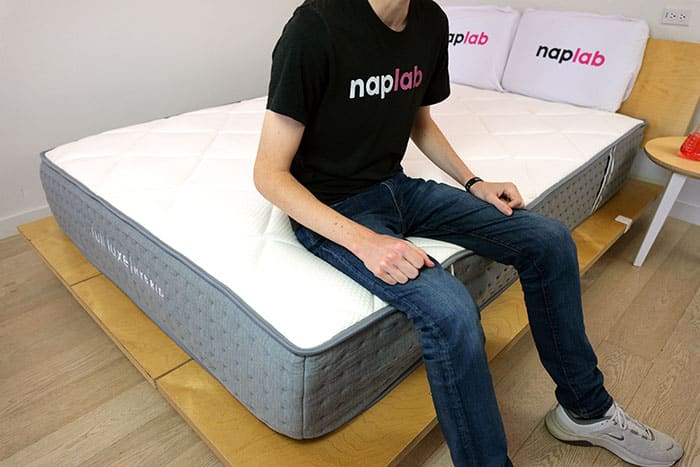
How to choose the right mattress foundation
Start by reading the mattress care guide. The manufacturer’s support requirements are more reliable than general advice.
Then compare the foundation with your room, body, and daily needs.
Consider these points:
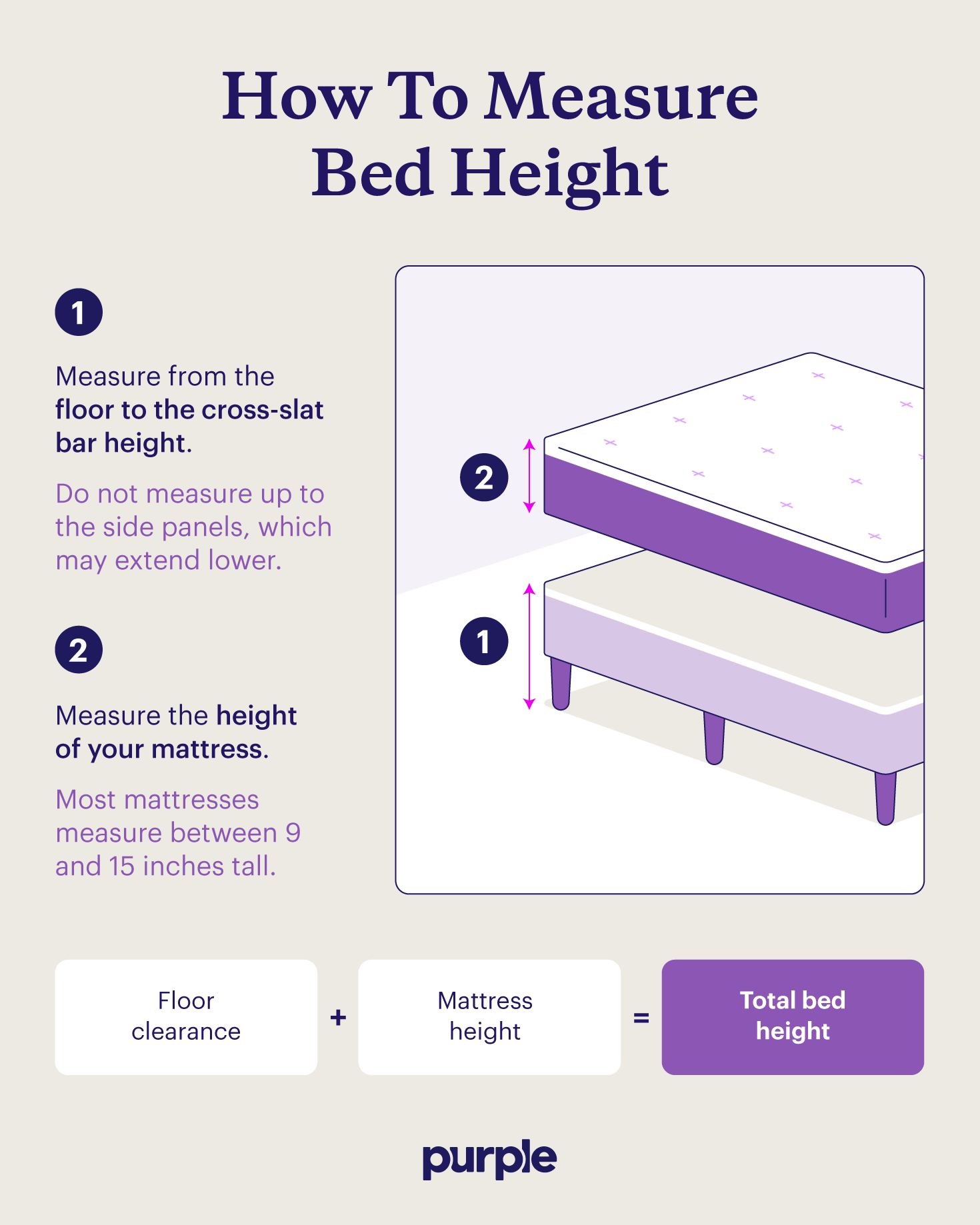
• Height: A taller foundation may make it hard to sit on the edge.
• Weight: Heavy mattresses need strong frames and center support.
• Storage: A platform frame may offer space beneath the bed.
• Airflow: Open designs may help in warm or humid rooms.
• Movement: An adjustable base can help with reading or sitting up.
• Noise: Tight joints and solid materials usually reduce squeaks.
• Access: A low bed may be difficult for some sleepers to use.
• Warranty: The base must meet the mattress maker’s conditions.
For most sleepers, a sturdy platform bed or rigid foundation is a practical choice. It provides even support, works with many mattress types, and is easy to maintain.
Mattress foundation mistakes to avoid
Small setup errors can create large comfort problems. Avoid these common mistakes when deciding what does a mattress sit on.
• Using broken or widely spaced slats
• Placing a heavy mattress on a weak metal frame
• Skipping the center support on a queen or king bed
• Using an old box spring with a modern foam mattress
• Covering the mattress underside with plastic for long periods
• Ignoring the manufacturer’s warranty rules
• Using an adjustable base with an incompatible mattress
• Assuming a low price means the frame is strong enough
• Forgetting to tighten bolts after the frame settles
• Placing the mattress on a damp floor
One lesson worth remembering is that the frame and mattress work as a team. Buying an expensive mattress and pairing it with a weak base is like putting a fine rug over a wet floor. The top may look good, but the foundation still causes trouble.
How to improve an existing bed frame
You may not need to replace your entire bed. In many cases, a few changes can improve support.
First, tighten every bolt, screw, and bracket. Then inspect the center rail and legs. Add properly sized support legs if the frame bows or moves.
If the slats are too far apart, add more slats made from strong, straight boards. Secure them so they cannot slide during sleep.
A bunkie board may help create a flatter surface, but confirm that the board fits the frame and allows enough airflow. Do not use a damaged panel or one that bends under pressure.
For a noisy frame, place felt pads between rubbing parts. Avoid placing thick, soft materials under the mattress because they can create uneven support.
How to keep the mattress base clean and safe
The space beneath the mattress collects dust, hair, and moisture. Clean the frame during regular bedroom cleaning.
Use a vacuum attachment on fabric foundations and slatted frames. Wipe metal or wood with a dry or lightly damp cloth, then allow the surface to dry completely.
Keep the area under the bed clear if airflow is important. Storage bins can block ventilation and make it harder to spot pests or moisture.
Rotate the mattress only if the manufacturer permits it. Many modern mattresses are designed to stay in one position, while some can be rotated from head to foot.
Frequently Asked Questions
What does a mattress sit on without a box spring?
A mattress can sit on a platform bed, solid foundation, closely spaced slats, or an adjustable base. Many modern foam and hybrid mattresses do not need a traditional box spring.
Can a mattress sit directly on a bed frame?
Yes, if the bed frame has a firm, even support surface or properly spaced slats. Check the mattress warranty for the required slat spacing and center support.
Is it bad to put a mattress on the floor?
It is not always harmful for short-term use, but long-term floor placement can reduce airflow and increase exposure to moisture, dust, and pests. Lift and inspect the mattress often if you use this setup.
Does a memory foam mattress need a foundation?
Most memory foam mattresses need a firm platform, foundation, or slatted frame. The support gaps should be small enough to prevent the foam from sinking between them.
Can you use a box spring under any mattress?
No. Some modern mattresses need a rigid foundation, while older box springs may flex too much. Check the mattress maker’s instructions before using a box spring.
What does a mattress sit on for an adjustable bed?
A compatible adjustable base supports the mattress and changes its position. The mattress must be designed to bend safely, and the base must match its size and weight.
How many slats should be under a mattress?
The number depends on the bed size, slat width, and spacing rule from the mattress maker. The key point is even support with no large gaps, not a specific number of slats.
Does a mattress need airflow underneath?
Airflow is helpful because it allows moisture to escape from the underside. A ventilated platform or slatted frame can support better air movement than a mattress placed directly on the floor.
Conclusion
A mattress usually sits on a platform bed, foundation, box spring, slatted frame, or adjustable base. The right choice depends on the mattress material, slat spacing, weight capacity, airflow, and warranty rules.
Before setting up your bed, inspect the frame, add strong center support, and confirm the manufacturer’s requirements. A stable foundation can improve comfort, reduce wear, and help your mattress last longer.
Check your current bed base today, fix any weak points, and choose support that matches your mattress. For more practical sleep advice, explore related mattress guides or share your setup and questions in the comments.

Appliance Review Expert
Lucas Ramirez is a trusted voice at HomeFixGrid.com, known for his clear, practical, and creatively written guides that simplify appliance care for everyday homeowners. With a strong focus on hands-on testing and real-world problem-solving, Lucas brings expert insight into appliance reviews and troubleshooting techniques. Her work empowers readers to confidently maintain, repair, and choose the right appliances for their homes.
