
What Mattress Is Smaller Than A Twin: Best Small Bed Sizes
Introduction
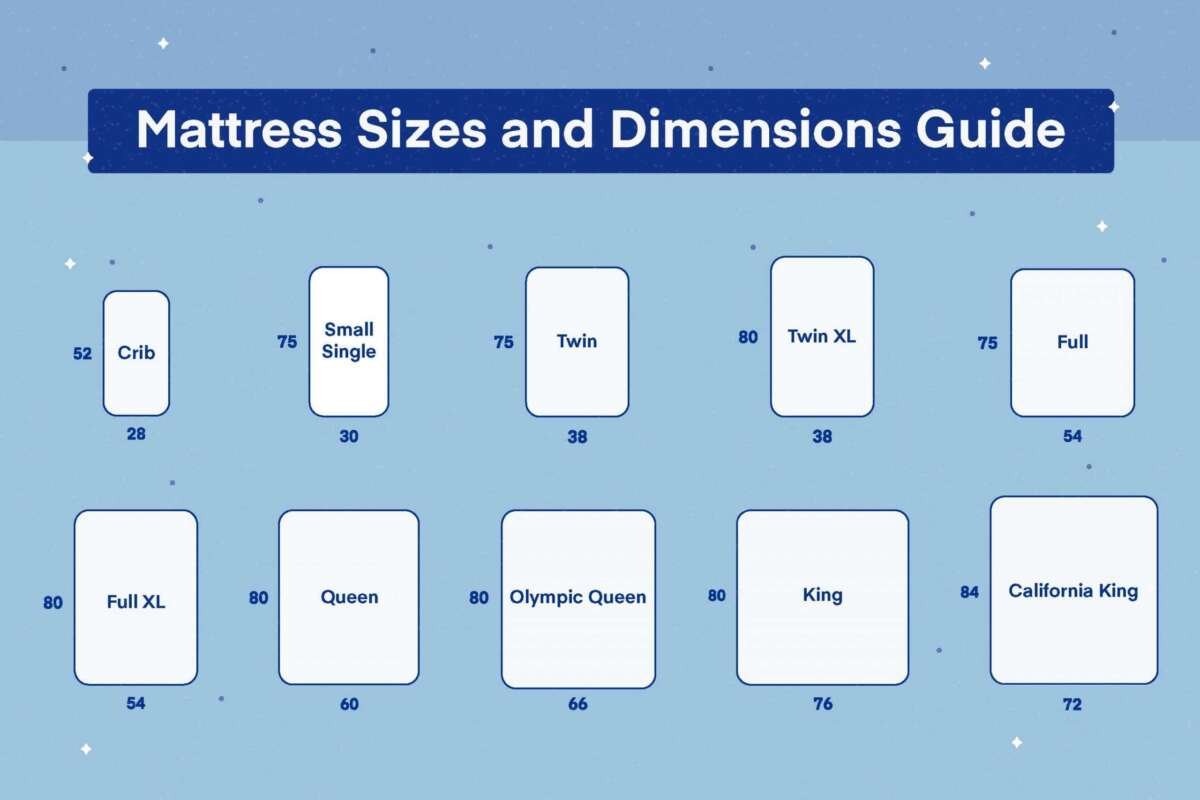
In the United States, the most common mattress smaller than a twin is a crib mattress. A standard twin mattress is about 38 inches wide by 75 inches long. A full-size crib mattress is usually about 28 inches wide by 52 inches long, so it is much shorter and narrower.
Other small mattress options include mini-crib mattresses, toddler mattresses, cot pads, narrow twin mattresses, and custom-size mattresses. The right choice depends on who will use it, the bed frame, and the space available.

What Is Smaller Than a Twin Mattress?
A crib mattress is the clearest answer. It is smaller than a twin in both length and width.


Here are the main mattress sizes below a standard U.S. twin:
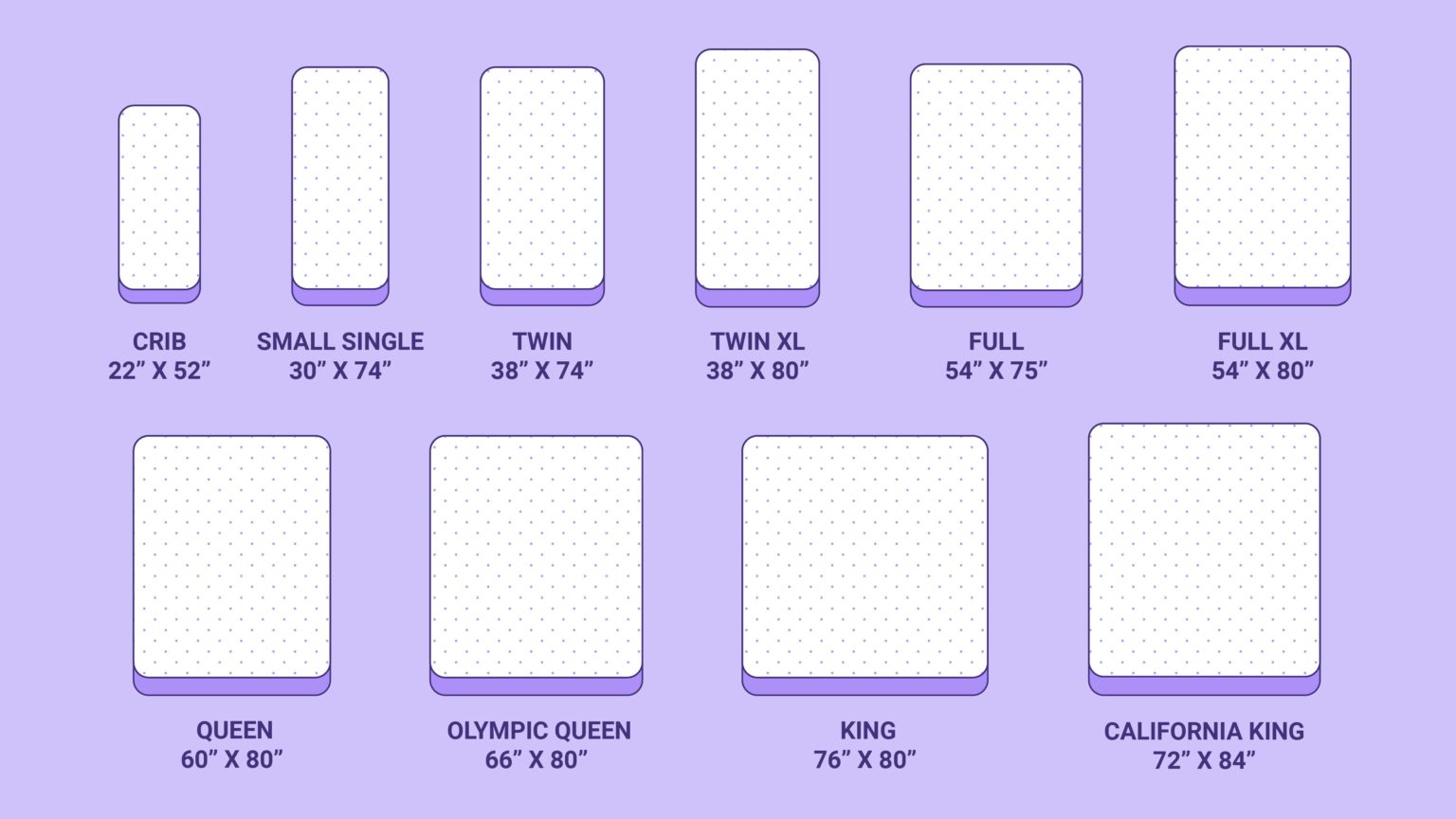
| Mattress type | Typical size in the U.S. | How it compares with a twin |
|---|---|---|
| Standard twin | 38 x 75 inches | Baseline size |
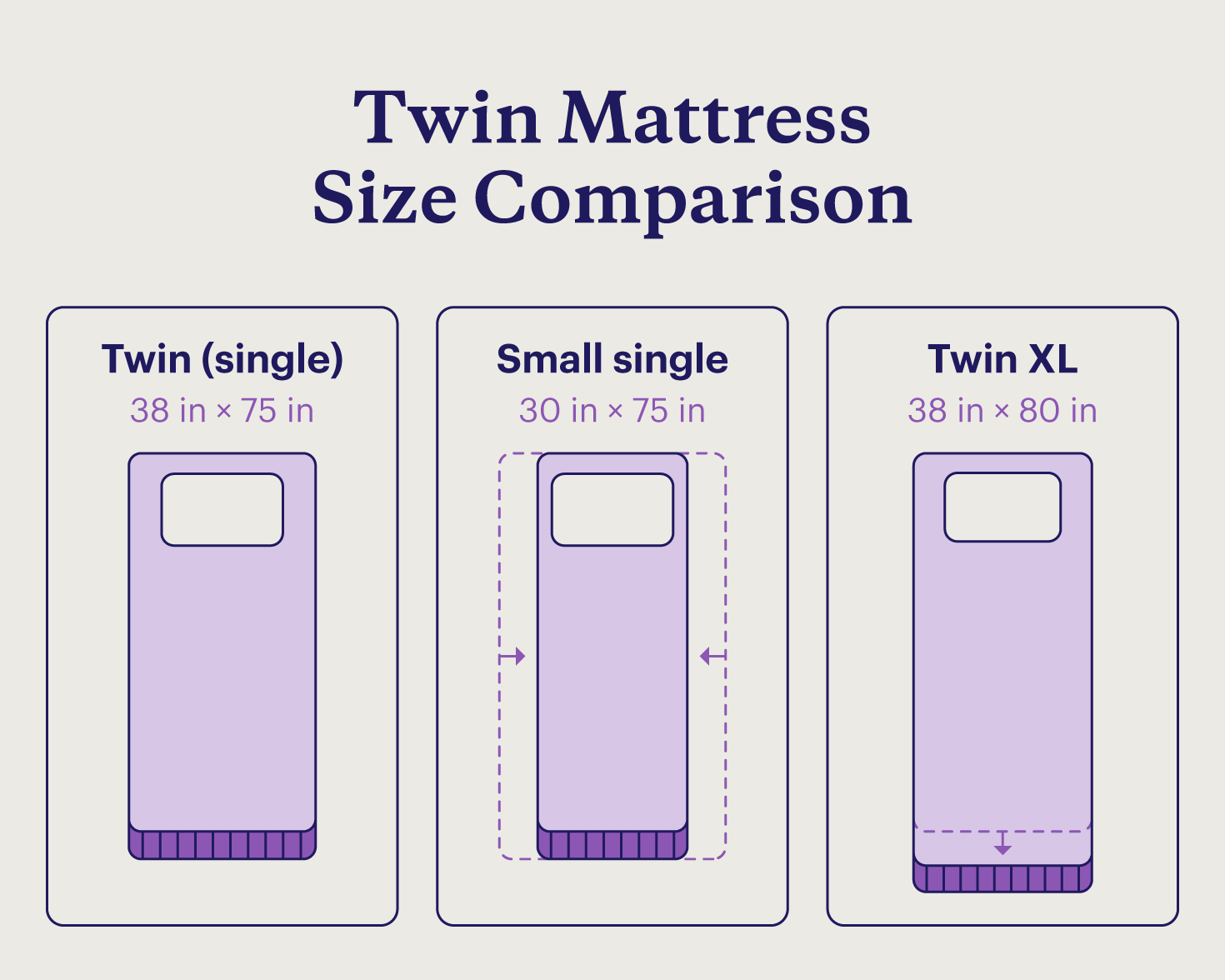
| Narrow twin or cot mattress | About 30 x 75 inches | Same length, less width |
| Youth mattress | About 33 x 66 inches | Shorter and narrower |
| Full-size crib mattress | About 28 x 52 inches | Much shorter and narrower |
| Mini-crib mattress | About 24 x 38 inches | Smaller than a full-size crib mattress |
| Custom mattress | Varies | Made for a specific frame or space |
Mattress sizes can vary by brand. Always measure the mattress opening, not just the old mattress, before buying a replacement.
The Main Mattress Types Smaller Than a Twin
1. Crib mattress
A standard crib mattress is made for a full-size crib. In the United States, federal rules define a full-size crib mattress within set length and width limits. Many mattresses sold for full-size cribs measure close to 28 x 52 inches.
A crib mattress is firm and usually thinner than an adult mattress. It is designed to fit tightly inside a compatible crib. A gap between the mattress and crib frame can create a serious safety risk for an infant.
The U.S. Consumer Product Safety Commission advises using a firm, flat sleep surface with a fitted sheet for infants. The CPSC also advises keeping pillows, blankets, bumpers, and soft items out of the crib.
A crib mattress is a good choice for:
- A full-size crib
- A toddler bed that accepts a standard crib mattress
- A replacement mattress for a compatible crib frame
- A small floor bed designed for a crib-size mattress
It is not a suitable replacement for an adult bed. It is too short for most teens and adults and may not offer the support or comfort they need.
2. Toddler mattress
A toddler mattress is often the same size as a full-size crib mattress. The difference is usually the product label and intended use, not the outside dimensions.
Many convertible cribs change into toddler beds. These beds often use the same mattress that fit the crib. Check the crib manual before buying, because some toddler frames use a different size.
A toddler mattress may have:
- A firm infant side
- A slightly softer side for a young child
- A waterproof cover
- Rounded edges or reinforced sides
- Low-chemical or certified materials, depending on the model
Do not assume that every “toddler mattress” fits every toddler bed. Measure the inside length and width of the frame and confirm the allowed mattress thickness.


3. Mini-crib mattress
A mini-crib mattress is smaller than a standard crib mattress. Common sizes are around 24 x 38 inches, but mini-crib dimensions are not all the same.
Mini cribs are useful in small rooms, apartments, and shared bedrooms. They can also work as a temporary sleep space for a baby. Their smaller footprint makes them easier to place, but the child may outgrow the crib sooner.
Use only the mattress size approved for the mini crib. A standard crib mattress will not fit safely in most mini cribs.
4. Narrow twin or cot mattress
A narrow twin mattress is less common than a standard twin. It may measure around 30 inches wide and 75 inches long, although sizes differ by manufacturer.
This type of mattress can suit:
- Narrow bunk beds
- Daybeds
- Camp beds
- Dorm-style frames
- Small guest rooms
- Certain RV or cabin beds
A narrow twin is often the best option when you need twin length but do not have room for the full 38-inch width. It is still long enough for many older children and adults, but it may feel tight for two people.
Because “narrow twin” is not one universal size, check the exact product dimensions before ordering sheets or a frame.
5. Youth mattress
A youth mattress is shorter than a twin and is made for children. It may measure about 33 x 66 inches, but the size is not standardized across all brands.
Youth mattresses can fit small beds, starter beds, and some low-profile frames. They may be a useful middle step between a crib mattress and a twin.
The main drawback is replacement. Youth-size bedding and frames are less common than twin-size products. A child may also outgrow the mattress quickly.
6. Cot, camp, and folding mattresses
Cot and folding mattresses are often smaller than a twin. They come in many sizes because they are made for portable frames, guest beds, camping cots, and emergency sleeping areas.
These mattresses are not always suitable for nightly use. Some are thin pads rather than full support mattresses. Others have hinges or folds that can create uneven surfaces.
Before using one every night, check:
- Its weight limit
- Its frame support
- Its unfolded size
- Its thickness
- Its safety instructions
- Whether sheets fit securely
Which Mattress Is Smaller Than a Twin but Still Long?
A narrow twin or cot mattress is usually the closest option. It may keep the standard twin length of about 75 inches while reducing the width.
This can help when a room is too narrow for a standard twin. For example, a bed that is 30 inches wide may fit beside a desk, while a 38-inch twin may block a door or walkway.


The trade-off is comfort. A narrow mattress gives one sleeper less room to turn and stretch. It may work for a child, teen, or occasional guest, but many adults will find it restrictive.
Measure three things before choosing:
- The inside width of the bed frame
- The inside length of the bed frame
- The space around the frame, including doors and drawers
A mattress should not be forced into a smaller frame. Compression can damage the mattress and may create an unsafe fit.
Which Mattress Is Best for a Small Child?
For a baby, use the mattress made for the specific crib. For a toddler, use the original crib mattress if the convertible bed allows it. For an older child, a youth mattress or twin mattress may be more practical.
The safest choice depends on the bed, not just the child's age.
For infants
Use a firm, flat mattress that fits the crib tightly. The mattress should not leave a visible gap around the edges. Use a fitted sheet made for that mattress.
The American Academy of Pediatrics recommends placing babies on their backs on a firm, flat sleep surface. Do not add mattress toppers, pillows, positioners, or loose bedding to make a crib mattress softer.
For toddlers
A toddler bed often uses a standard crib mattress. Check whether the bed has a low height and guardrails. A low frame can reduce injury risk from falls, but it does not eliminate the need for supervision and a safe room.
For older children
A twin mattress is often the easiest long-term choice. A narrow twin or youth mattress may save floor space, but it can be harder to replace later.
Choose a smaller mattress only if:
- The frame is designed for it
- The child has enough room to sleep safely
- Replacement sheets are easy to find
- The mattress has a suitable weight limit
- The child is unlikely to outgrow it soon

How to Measure for a Mattress Smaller Than a Twin
Measure the bed frame before shopping. A mattress label alone does not prove that it will fit your bed.
Step 1: Remove the old mattress
Take out the old mattress, bedding, and any loose boards. Look for the actual sleeping platform.
Step 2: Measure the inside opening
Measure the inside width from side to side. Then measure the inside length from head to foot.


If the frame has rails, measure between the rails. Do not measure the outside of the frame.
Step 3: Check the depth
Measure from the support surface to the top of the side rail. A mattress that is too thick may sit too high. This matters for cribs, bunk beds, toddler beds, and guardrails.
Step 4: Check the support system
Some frames use slats. Others use a solid platform or a special support board. Follow the frame maker's instructions for slat spacing and mattress thickness.
Step 5: Compare the measurements with the mattress label
A small mismatch can cause problems. If the mattress is too large, it may bend or bulge. If it is too small, a gap may form.
For an infant crib, do not rely on a mattress pad or blanket to fill a gap. Use the correct mattress.
What Is the Smallest Mattress Size?
There is no single smallest mattress size in the U.S. Custom mattresses can be made in very small dimensions.
Among common retail sizes, a mini-crib mattress is one of the smallest. Many mini-crib mattresses measure near 24 x 38 inches. Portable crib and play-yard mattresses may be similar, but their sizes vary.
The smallest practical mattress depends on the sleeper:
- Baby: A mattress made for the crib or portable crib
- Toddler: A crib-size mattress
- Child: A youth, narrow twin, or twin mattress
- Adult: Usually a twin or larger, unless the use is temporary
- Camping: A cot pad or sleeping pad sized for the cot
A very small mattress may save space but reduce comfort and shorten the useful life of the bed.

Can an Adult Sleep on a Mattress Smaller Than a Twin?
An adult can sleep on a smaller mattress for a short time, but comfort and support may be limited. A crib mattress is too short for most adults. A narrow twin may work for one adult who does not need much room, but it is not a full substitute for a standard twin.
Consider these limits:
- Shorter mattresses may not support the full body
- Narrow mattresses leave less room to change position
- Thin pads may cause pressure at the hips and shoulders
- Portable mattresses may have low weight limits
- Some folding pads are not made for nightly use
For regular adult sleep, a standard twin is usually the smallest widely available adult mattress. It provides about 38 x 75 inches of sleeping space.
A twin XL is longer at about 38 x 80 inches, but it is not narrower. It is useful for tall sleepers, not for saving width.
Can You Put a Smaller Mattress on a Twin Bed Frame?
Usually, no. A smaller mattress on a twin frame leaves open space around the edges.
That gap can allow the mattress to shift. It can also cause a sleeper to fall between the mattress and frame. This is especially dangerous for babies and young children.
A smaller mattress should go on a frame built for that exact size. If you need to place a small mattress inside a larger structure, use a properly designed platform or conversion kit. Do not fill the extra space with pillows, blankets, foam scraps, or loose boards.
For a crib or toddler bed, follow the frame maker's instructions. If the mattress does not fit tightly, do not use it.

Crib Mattress vs. Twin Mattress
The two mattresses serve different users and beds.
| Feature | Crib mattress | Twin mattress |
|---|---|---|
| Typical size | About 28 x 52 inches | About 38 x 75 inches |
| Main user | Infant or toddler | Child, teen, or adult |
| Typical firmness | Firm | Varies |
| Main use | Crib or toddler bed | Twin bed, bunk, or daybed |
| Bedding | Crib sheets | Twin sheets |
| Infant safety design | Yes, when correctly fitted | No |
| Adult use | Usually unsuitable | Common option |
A twin mattress offers much more room. A crib mattress offers the compact size and firm fit needed for a compatible crib.
Do not use a twin mattress in a crib. It is too large. Do not use a crib mattress on a twin frame without a properly designed, size-matched structure.
Common Mistakes to Avoid
Buying by name instead of dimensions
“Mini crib,” “youth,” and “narrow twin” do not always describe one exact size. Read the listed measurements.
Measuring the old mattress only
An old mattress may have changed shape or may not be the correct original size. Measure the frame opening too.
Ignoring mattress thickness
A mattress can have the right length and width but still be too thick for a crib, bunk, or toddler bed.
Using loose material to fill gaps
Do not use foam, towels, pillows, or blankets to close a gap around a crib mattress. Replace the mattress or frame with a correctly sized product.
Assuming a portable mattress is for daily sleep
Some portable mattresses are made for travel or occasional use. Check the manufacturer’s instructions before using one every night.
Forgetting to check sheet size
A nonstandard mattress may need special sheets. Loose sheets can bunch up and create a safety problem in a crib or toddler bed.
Mattress Size Decision Guide
Use this quick guide to narrow down your choice:
- Need a mattress for a full-size crib? Choose a full-size crib mattress.
- Need a mattress for a mini crib? Choose the size listed by the mini-crib maker.
- Need a mattress for a toddler bed? Confirm whether it takes a standard crib mattress.
- Need twin length with less width? Look for a narrow twin or cot mattress.
- Need a shorter mattress for a child? Consider a youth mattress.
- Need a portable sleeping surface? Check cot or folding mattress measurements.
- Need a long-term adult mattress? A standard twin is usually the smallest practical choice.
- Need a custom fit? Order from a maker that uses your exact measurements.
The safest choice is the mattress that fits the frame without force, gaps, or overhang.

Frequently Asked Questions
Is a toddler mattress smaller than a twin?
Yes. A toddler mattress is commonly the same size as a full-size crib mattress, which is much smaller than a twin. Many toddler mattresses are about 28 x 52 inches, while a twin is about 38 x 75 inches.
Is a crib mattress the smallest standard mattress?
It is one of the smallest common retail mattress sizes in the United States. Mini-crib mattresses and some portable-crib mattresses are smaller.
Is a narrow twin smaller than a twin?
Yes. A narrow twin is usually less wide than a standard twin but may have the same length. Exact measurements vary, so check the product dimensions.
Can a crib mattress fit a toddler bed?
Often, yes. Many toddler beds are designed for a standard crib mattress. Confirm the size in the bed manual before buying or reusing a mattress.
What mattress is smaller than a twin for an adult?
A narrow twin or cot mattress may work for temporary adult use. A crib or youth mattress is usually too short for regular adult sleep. For long-term use, a standard twin is generally more practical.
Are all crib mattresses the same size?
No. Full-size crib mattresses follow federal size limits, but mini cribs, portable cribs, and nonstandard cribs can use different sizes. Measure the crib and check its instructions.
Final Answer
The most common mattress smaller than a twin is a crib mattress, usually close to 28 x 52 inches. A mini-crib mattress is smaller still. If you need a mattress that is almost as long as a twin but narrower, look for a narrow twin or cot mattress.
Before you buy, measure the frame’s inside dimensions, check the required thickness, and confirm the mattress type approved for that bed. For infants, use a firm mattress that fits tightly in the correct crib. For adults, a standard twin is usually the smallest practical long-term option.
Sources and Standards
- U.S. Consumer Product Safety Commission: Cribs and Infant Sleep
- U.S. Consumer Product Safety Commission: Full-Size Cribs and Crib Mattresses
- Electronic Code of Federal Regulations, 16 CFR Part 1632: Mattress Flammability
- Electronic Code of Federal Regulations, 16 CFR Part 1633: Mattress Sets
- American Academy of Pediatrics: Safe Sleep Recommendations

Appliance Review Expert
Lucas Ramirez is a trusted voice at HomeFixGrid.com, known for his clear, practical, and creatively written guides that simplify appliance care for everyday homeowners. With a strong focus on hands-on testing and real-world problem-solving, Lucas brings expert insight into appliance reviews and troubleshooting techniques. Her work empowers readers to confidently maintain, repair, and choose the right appliances for their homes.


