Can I Flip Mattress Upside Down: Safe Guide
Usually, no—you should not flip a modern mattress upside down unless the manufacturer says it is designed for two-sided use. In the United States, most memory foam, hybrid, and pillow-top mattresses have one intended sleeping side. Turning one of these mattresses over can make it feel hard, uneven, or poorly supported.
You may be able to flip a mattress if it is labeled two-sided, double-sided, or flippable. If the care label or owner’s guide is unclear, rotate the mattress 180 degrees from head to foot instead of turning it upside down.

What “flipping a mattress upside down” means
Flipping a mattress upside down means turning it over so the surface you sleep on faces the bed frame. This is different from rotating a mattress, which means turning it 180 degrees while keeping the same sleeping surface on top.
These actions have different purposes:
| Action | What you do | Is it usually safe? |
|---|---|---|
| Rotate | Turn the head of the mattress toward the foot of the bed | Often, if the maker allows it |
| Flip | Turn the mattress over so the other side faces up | Only for two-sided mattresses |
| Turn upside down | Place the normal sleeping surface against the foundation | Usually not recommended |
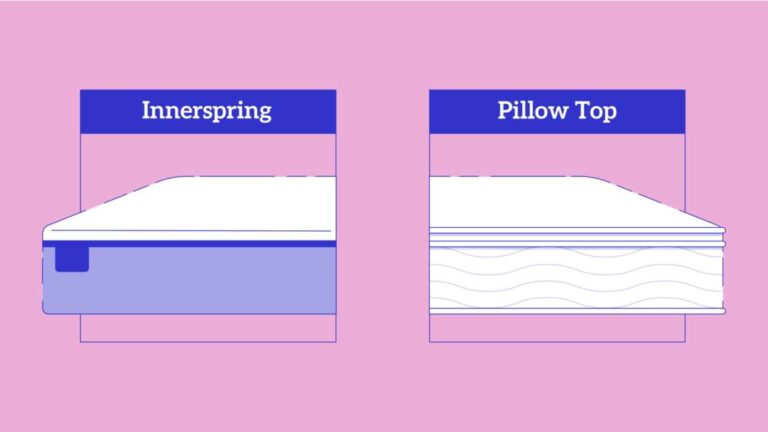
Many older innerspring mattresses were made with usable padding on both sides. Most newer mattresses use layered construction. The top may contain memory foam, latex, quilted fabric, or comfort foam, while the bottom may contain a thin cover and a support layer.
The bottom of a one-sided mattress is not a backup sleeping surface. It may lack the padding, fabric, fire barrier arrangement, and pressure relief needed for normal use.
How to tell whether your mattress is flippable
Check the manufacturer’s instructions before moving the mattress. Look for the model name, law label, warranty card, or care page on the maker’s website.
A mattress is more likely to be flippable when:
- The label says two-sided or flippable.
- The owner’s guide gives instructions for flipping.
- Both sides have similar quilting or padding.
- The manufacturer recommends a regular flip-and-rotate schedule.
- The mattress has a traditional design with comfort layers on both sides.
A mattress is usually one-sided when:
- One side has a clear sleeping surface and the other has a rough or plain base.
- The top includes a pillow top, euro top, or thick quilted panel.
- The bottom has a non-slip panel, handles, or exposed support fabric.
- The care instructions say to rotate but not flip.
- The mattress uses a zoned or layered foam design with a specific top and bottom.
Do not rely only on appearance. Some two-sided mattresses have different firmness levels on each side, while some one-sided mattresses look similar on both surfaces.
The law tag does not answer the question
The white law label attached to a mattress lists materials and required product information. It usually does not tell you whether the mattress can be flipped.
Use the model number on that label to find the correct care instructions. A general guide for a similar mattress may not apply to your exact model.
What can happen if you flip a one-sided mattress?
Flipping a one-sided mattress may cause poor comfort, weak support, and premature wear. The result depends on the mattress design and the condition of the lower side.
The mattress may feel too firm
The bottom of a foam or hybrid mattress often has little or no comfort padding. When placed on top, it can create a hard sleeping surface that does not cushion the shoulders, hips, or lower back.
Side sleepers may notice this first. The pressure can make it harder to sleep and may leave the body feeling sore in the morning.
The mattress may not support your body correctly
Mattress layers work together in a planned order. A typical design may place soft comfort foam above firmer transition foam and a support core. Turning the mattress changes that order.
The support core may feel too close to your body. Or a thin base layer may bend in ways it was not designed to handle. This can change spinal alignment and create an uneven sleep surface.
The cover or bottom panel may wear out
The underside may use fabric meant to rest on a foundation, not to support a person. It may snag, stretch, or develop tears when exposed to body weight and movement.
A damaged cover can also make it harder to protect the internal foam from moisture, dust, and normal wear.
The warranty may not cover the damage
Many mattress warranties require the owner to use the product as directed. Using the wrong side for sleeping may be treated as misuse, especially if it causes visible damage or abnormal wear.
Warranty rules vary by brand and model. Read the written warranty before you flip the mattress, particularly if it is still within its trial or warranty period.
Heat and moisture may become a problem
Some mattress bases include breathable fabric or ventilation features. Placing the wrong side up may reduce airflow through the cover.
This does not mean flipping a mattress automatically causes mold. However, trapped moisture, a damp room, poor ventilation, and a wet mattress can create conditions that damage bedding and foam. Keep the mattress dry and follow the maker’s instructions.
How to flip a two-sided mattress safely
If the manufacturer confirms that the mattress is two-sided, use the following method. A queen or king mattress is heavy and awkward, so ask another adult to help.
- Clear the area. Remove bedding, pillows, pets, and objects near the bed.
- Check the care guide. Confirm whether the mattress should be flipped, rotated, or both.
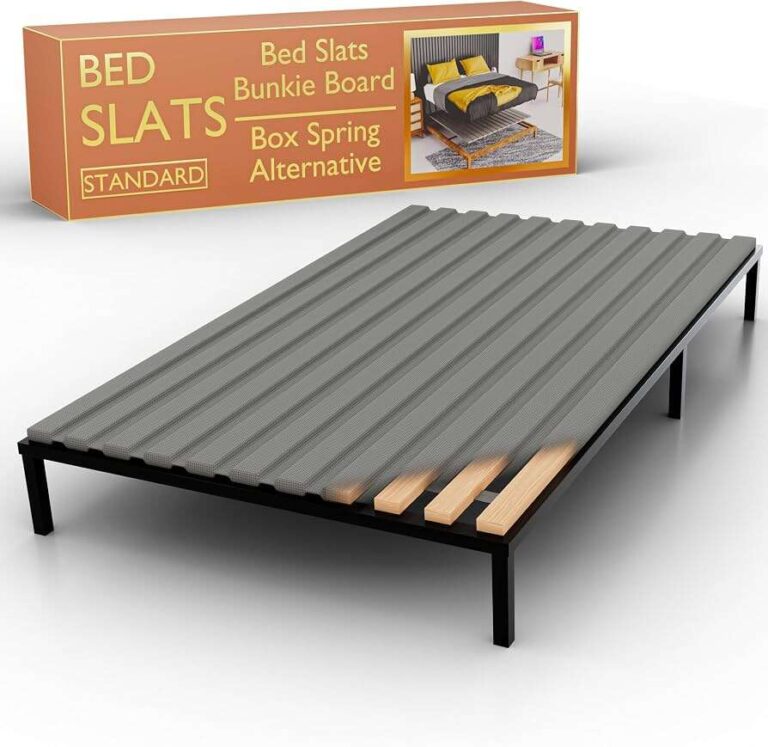
- Inspect the base. Make sure the bed frame, slats, platform, or foundation is secure and properly spaced.
- Use two people. Stand on opposite sides of the mattress and agree on the direction of movement.
- Lift and turn slowly. Avoid dragging the mattress across the floor or bending it sharply.
- Center it on the foundation. Align the edges with the bed frame.
- Check the surface. Make sure the mattress lies flat and no corner is folded under.
- Add clean bedding. Use a mattress protector that fits without pulling the cover out of shape.
Some two-sided mattresses have a soft side and a firm side. In that case, choose the side that matches the maker’s description and your comfort needs. Do not assume both sides have the same firmness.
Do not flip a mattress in these situations
Wait or ask for help if:
- You are recovering from an injury or surgery.
- You cannot lift or control the mattress safely.
- The mattress is wet, torn, or contaminated.
- The bed frame is unstable.
- The mattress contains an adjustable or specialty component that the manual says not to turn.
- You are alone with a heavy king-size mattress.
A mattress can bend suddenly and cause a fall or back strain. Safety matters more than completing the task quickly.
Should you rotate your mattress instead?
For many one-sided mattresses, rotation is the correct maintenance step. Rotation spreads normal body impressions across a larger area instead of placing the same body weight in the same spot every night.
A common rotation method is:
- Turn the mattress 180 degrees.
- Keep the same sleeping surface facing up.
- Move the head end toward the foot of the bed.
- Check the manufacturer’s instructions for timing.
Do not rotate automatically if the mattress has a fixed head or foot design, special zones, handles that restrict movement, or a shape that makes one direction necessary. Some mattresses also have a designated top and bottom.
Rotation cannot repair a sagging mattress. It may make wear less noticeable for a time, but deep impressions usually point to a worn comfort layer, poor support, or an unsuitable foundation.
Check the bed base before blaming the mattress
A weak or unsuitable foundation can make a mattress feel uncomfortable even when the mattress itself is in good condition.
Inspect the bed for:
- Broken or bowed slats.
- A loose center support beam.
- Missing legs or feet.
- A foundation that does not match the manufacturer’s requirements.
- Gaps between slats that are wider than the instructions allow.
- A frame that moves when you sit or lie down.
Use the support system specified for your mattress. Do not place a mattress directly on the floor for long-term use unless the manufacturer permits it. Floor use can reduce airflow and may expose the mattress to moisture.
What to do if you already flipped the mattress
If you already turned the mattress upside down, you usually do not need to panic. Return it to the correct side and inspect it for damage.
Follow these steps:
- Check the manufacturer’s care instructions.
- Turn the mattress back if it is a one-sided model.
- Look for tears, crushed corners, bent edges, or uneven areas.
- Check whether the mattress still lies flat.
- Inspect the frame and foundation.
- Sleep on it for several nights after correcting the position.
- Contact the manufacturer if the mattress remains uneven or uncomfortable.
A brief period upside down will not always cause permanent damage. The risk is greater if the mattress was used that way for weeks or months, if it was folded, or if a heavy object was placed on it.
Keep photos and purchase records if you need to ask about a warranty claim. Be honest about how the mattress was used. The brand can give the most accurate answer for that specific model.
Can flipping a mattress fix a sag?
No. Flipping may hide a dip for a short time, but it does not restore worn foam, broken coils, or a damaged foundation.
First, measure the dip when nobody is on the bed. A straight edge, such as a long level or firm board, can help show whether the surface has a lasting depression. Avoid pressing the straight edge into the mattress.
Then inspect the foundation. If the base is weak, replacing or repairing it may improve support. If the mattress has a deep or permanent sag and is still under warranty, contact the manufacturer before attempting repairs.
Do not cut open the cover, add plywood without checking the instructions, or place random padding under the mattress. These changes can affect airflow, comfort, and warranty coverage.
One-sided vs. two-sided mattresses
The table below shows the main difference between the two designs.
| Mattress type | Can you flip it? | Best maintenance step | Main caution |
|---|---|---|---|
| One-sided memory foam | Usually no | Rotate if allowed | Bottom is not made for sleeping |
| One-sided hybrid | Usually no | Rotate if allowed | Coil and foam layers have a set order |
| Pillow-top mattress | Usually no | Rotate only if allowed | The top can be permanently damaged |
| Two-sided innerspring | Often yes | Flip and rotate as directed | Sides may have different firmness |
| Two-sided foam mattress | Yes, if documented | Flip or rotate on the stated schedule | Each side may use different foam |
| Latex mattress | Model-dependent | Follow the maker’s guide | Latex layers may have specific top and bottom sides |
| Adjustable or specialty mattress | Model-dependent | Follow the product manual | Some parts may not tolerate turning |
The word “hybrid” does not mean “flippable.” It describes a mattress that combines materials, often foam and coils. The construction can still be one-sided.
Likewise, a mattress with handles is not automatically designed to be flipped. Handles may exist only to help position the mattress during setup.
Common mistakes to avoid
The most common mistake is treating every mattress like an older double-sided innerspring model. Mattress construction has changed, so the care rule must come from the specific product.
Avoid these errors:
- Flipping the mattress because one side feels worn.
- Assuming a plain bottom is a firm comfort side.
- Using a generic rotation schedule without checking the manual.
- Dragging a mattress by its handles.
- Placing it on a damaged or poorly supported base.
- Washing a non-removable mattress cover.
- Using a wet mattress or covering moisture with sheets.
- Ignoring pain that begins after changing the mattress position.
- Assuming rotation will repair a permanent sag.
If a new position causes back, neck, hip, or shoulder pain, stop using that position. Persistent or severe pain may need medical advice, especially after an injury.
Quick decision guide
Use this short guide when you need an answer right now:
- The label says two-sided: You can flip it as directed.
- The label says rotate only: Rotate it; do not flip it.
- The top has a pillow top or euro top: Do not flip it unless the maker confirms that you can.
- The bottom looks like a support panel: Do not sleep on that side.
- You cannot find the instructions: Look up the model number or contact the manufacturer.
- The mattress is sagging: Inspect the base and review the warranty instead of flipping it.
- You already flipped it: Return it to the correct side and check for damage.
The safest default is simple: if you cannot confirm that the mattress is two-sided, keep the known sleeping surface on top and rotate only when the manufacturer allows it.
FAQs
Can I sleep on the bottom of a memory foam mattress?
Usually not. Most memory foam mattresses have a specific top-to-bottom layer order. The bottom may have a thin cover or base fabric rather than a comfort layer. Check the model’s care guide before using it.
How often should I rotate my mattress?
There is no single schedule for every mattress. Follow the manufacturer’s instructions. If the maker allows rotation but gives no timing, periodic rotation may help spread wear, but rotating cannot fix a damaged mattress.
Can I flip a pillow-top mattress?
Most pillow-top mattresses are one-sided and should not be flipped. The pillow-top layer is intended to remain on top. Rotate it only if the manufacturer permits rotation.
Why does my mattress feel different after I turned it around?
You may have changed the direction of a zoned design, exposed a different firmness area, or placed the mattress on an uneven foundation. Return it to the recommended position and inspect the bed base.
Is a flippable mattress the same on both sides?
Not always. Some two-sided mattresses have a soft side and a firm side. Others use different materials or firmness levels on each surface. Read the product instructions before choosing which side to use.
Can I flip my mattress to make it last longer?
Only if it was designed to be flipped. For a one-sided mattress, rotating it as directed, using the correct foundation, keeping it dry, and using a fitted protector are safer ways to support normal service life.
Conclusion
You can flip a mattress upside down only when the manufacturer identifies it as two-sided or flippable. Most modern mattresses sold in the United States are one-sided, so turning them over is more likely to reduce comfort and support than extend their life.
Check the model number and care guide first. If the mattress is one-sided, keep the sleeping surface on top and rotate it only when permitted. If it is sagging, inspect the foundation and review the warranty rather than using the wrong side as a quick fix.

Appliance Review Expert
Lucas Ramirez is a trusted voice at HomeFixGrid.com, known for his clear, practical, and creatively written guides that simplify appliance care for everyday homeowners. With a strong focus on hands-on testing and real-world problem-solving, Lucas brings expert insight into appliance reviews and troubleshooting techniques. Her work empowers readers to confidently maintain, repair, and choose the right appliances for their homes.