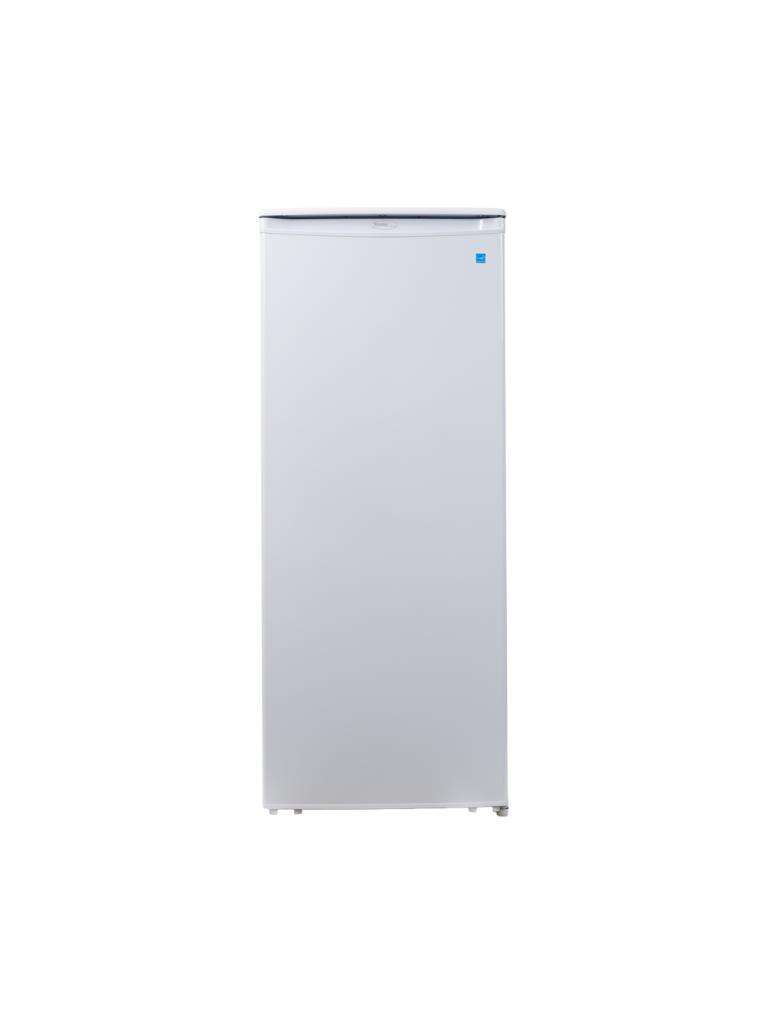
How To Keep Refrigerator Door Closed: Easy Fixes
A refrigerator door that will not stay closed can waste energy, spoil food, and strain the appliance. In U.S. homes, the safest fix is to find the cause first: a dirty or damaged door gasket, an overloaded shelf, an unlevel refrigerator, a weak hinge, or a door that children keep opening.
Start by removing anything that blocks the door, cleaning the gasket, and checking that the refrigerator is level. If the door still pops open, inspect the hinges and gasket. Replace damaged parts rather than using tape, rope, or other makeshift restraints.

Why a Refrigerator Door May Not Stay Closed
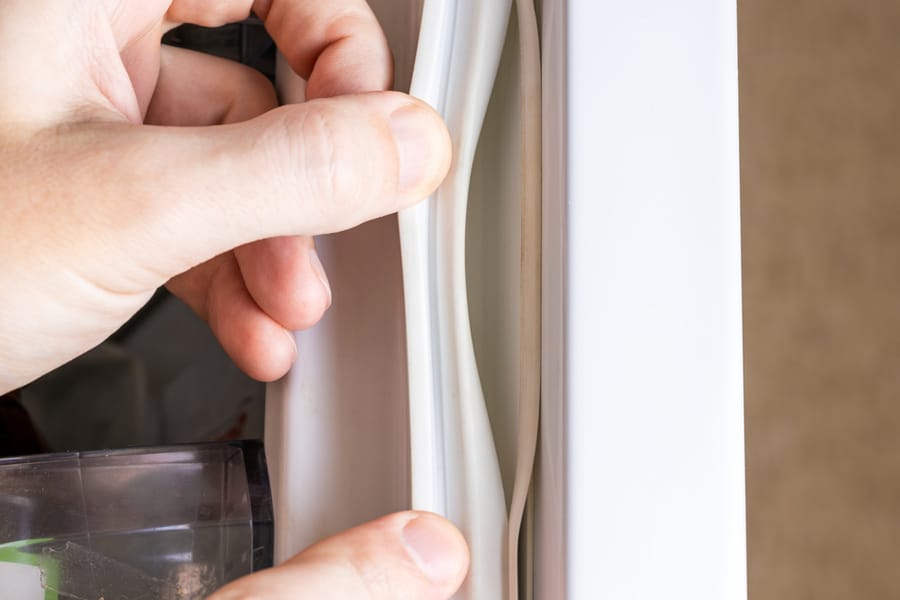
The most common cause is a poor seal around the door. The flexible rubber strip around the edge is called the door gasket or door seal. It uses magnetic force to hold the door against the refrigerator cabinet and keep warm air out.


Other common causes include:
- Food containers pushing against the door
- Door shelves loaded with heavy bottles
- A refrigerator that tilts forward
- A damaged, loose, or twisted gasket
- Dirty surfaces between the gasket and cabinet
- Loose hinges or missing hinge parts
- A bent door
- A full freezer drawer or shelf
- Ice or frost blocking the door
- A child or pet pulling the door open
- A weak or broken door-closing mechanism
A refrigerator door often needs a slight backward tilt so gravity helps it close. If the appliance leans forward, the door may stop before it reaches the magnetic seal.
The exact design varies by brand and model. French-door refrigerators, side-by-side models, top-freezer units, and bottom-freezer units may use different hinges and closing systems. Check the owner’s manual before removing hinge covers or adjusting hardware.

Quick Answer: How to Keep the Door Closed
Follow these steps in order:
- Remove food or containers that touch the door or frame.
- Clean the gasket and the cabinet surface it touches.
- Check for frost, ice, or spilled food around the seal.
- Test whether the refrigerator rocks or leans forward.
- Adjust the leveling feet according to the manual.
- Inspect the gasket for gaps, tears, hard spots, or warping.
- Check for loose hinges and heavy door shelves.
- Replace a damaged gasket or arrange appliance service.
- Use a child lock or door alarm if the main problem is repeated opening.
Do not tie the door shut or block the seal with tape. These methods can damage the gasket, prevent a proper seal, or create a food-safety problem if the door cannot open quickly during an emergency.

Step-by-Step Fixes for a Refrigerator Door That Pops Open
1. Check for obstructions
Open the refrigerator and look at the door shelves, drawers, and front edge of each shelf. Large bottles, wide containers, pizza boxes, and food bags can extend just far enough to stop the door.
Move tall items away from the front. Close the door slowly and watch for contact. Do the same with the freezer section. A drawer that is not fully closed can push against the door or prevent the door from lining up.
Keep food from touching the gasket. A small object trapped under the seal can create a gap around the whole door.
2. Clean the gasket
food residue and grease can keep the gasket from making full contact. Wipe the gasket with warm water and mild dish soap. Clean the matching surface on the refrigerator cabinet, then dry both areas with a soft cloth.


Avoid sharp tools, abrasive pads, bleach, and strong solvents unless the manufacturer specifically allows them. These products can damage the rubber or its coating.
Close the door after cleaning. The gasket should sit flat against the cabinet with no crumbs, folds, or visible gaps.
3. Look for ice or frost
Frost near the door can act like a wedge. Check the edge of the freezer compartment, the drawer tracks, and the gasket channel.
If you see heavy frost, follow the defrost instructions for your model. Do not chip ice with a knife or heat the area with a hair dryer. A sharp tool can puncture a refrigerant line, while uncontrolled heat can damage plastic parts or create an electrical hazard.
If frost returns soon after defrosting, the refrigerator may have a seal, defrost, or temperature-control problem. A qualified appliance technician can test it safely.
4. Test the refrigerator’s position
Place a small level on a stable shelf or the top of the cabinet. The refrigerator should not rock. Many models are designed to be slightly higher in front, but the correct amount depends on the model.
If the unit rocks, adjust the front leveling feet. Remove the grille only if the owner’s manual explains how. Turn one foot at a time and check the door after each small adjustment.
The goal is not to create a steep slope. The door should close by itself from a small opening without sliding shelves or bottles forward.
5. Check the gasket for damage
Inspect the entire seal. Look for:
- Tears or cuts
- Flattened sections
- Hard or brittle rubber
- Corners that pull away
- A gasket that has come out of its track
- Gaps between the gasket and cabinet
- Wrinkles that remain after the door closes
A simple paper test can help. Place a sheet of paper between the gasket and cabinet, then close the door. Pull the paper gently. It should offer some resistance at several points around the door.
This test is only a quick check. A refrigerator may hold paper in one spot and still leak air elsewhere. If the gasket has a tear or stays badly deformed, replacement is usually more reliable than trying to glue it.
6. Inspect hinges and door alignment
Look at the gap between the door and cabinet. The gap should be fairly even from top to bottom. A door that sits low, high, or at an angle may have a loose hinge, worn bushing, or damaged support.
Do not tighten or remove hinges while the door is unsupported. Refrigerator doors can be heavy, especially on French-door and bottom-freezer models. Use the service instructions for your model or call an appliance technician.
If the door has a water line, electrical cable, or ice-maker connection, extra care is needed. Do not pull on those parts or disconnect them without following the manual.
7. Reduce weight on the door
Heavy gallon jugs and large glass bottles can pull the door downward over time. Move the heaviest items to a main shelf or a lower drawer.


This matters most when the door is already misaligned. Reducing weight may improve closing, but it will not repair a bent hinge or worn gasket.

How to Keep Children From Leaving the Refrigerator Open
If the refrigerator works well but a child keeps opening it, use a purpose-built refrigerator lock or latch. Choose a model made for appliances, and install it according to the product instructions.
Before using a lock, consider who needs access. A lock should not prevent adults from opening the refrigerator quickly, and children should know how to get help if someone is trapped or hurt.
A door alarm can be a better choice for many households. Some refrigerator models include an alarm that sounds after the door stays open for a set time. Stand-alone alarms are also available, but check their battery life, mounting method, and compatibility with the door surface.
Simple habits can help:
- Store snacks in one easy-to-reach area.
- Ask children to take all needed items at once.
- Teach them to check that the light turns off or the door is fully shut.
- Keep pets away from the door handle if they pull it open.
- Avoid placing tempting items where children must hold the door open.
Never use a cord, belt, or rope around the refrigerator door. It can create a trip hazard and may stop someone from opening the door during a power problem or medical emergency.

How to Keep a Refrigerator Door Closed During an RV or Move
A refrigerator in an RV, moving truck, or temporary storage space needs special care. Movement can make the door swing open even when the gasket works correctly.
Before transport:
- Remove loose food and glass containers.
- Empty door shelves if the manufacturer recommends it.
- Defrost the freezer if the appliance will be unplugged.
- Clean and dry the interior.
- Secure shelves and drawers.
- Use the transport latch supplied by the manufacturer.
- Keep the appliance upright unless the manual gives another instruction.
Do not use adhesive tape directly on a painted surface or rubber gasket unless the manufacturer approves it. Tape can leave residue or pull off the gasket.
If the refrigerator is in an RV, use the approved travel latch. A normal household refrigerator may not be designed to remain closed during vehicle movement.

Door Problems and the Most Likely Cause
| Symptom | Likely cause | Best first check |
|---|---|---|
| Door opens by itself | Refrigerator leans forward | Check leveling feet |
| Door closes but warm air enters | Gasket is dirty or damaged | Clean and test the seal |
| Door hits something | Food or shelf obstruction | Rearrange contents |
| Door sits lower on one side | Hinge or alignment problem | Inspect hinge area |
| Freezer door will not shut | Frost or drawer obstruction | Check tracks and ice buildup |
| Door opens after loading bottles | Excess weight | Move heavy items |
| Door alarm keeps sounding | Door is not fully sealed | Check gasket and alignment |
| Child leaves door open | Repeated manual opening | Use an alarm or appliance lock |
This table helps narrow the problem, but one issue can have more than one cause. For example, a heavy door shelf and an unlevel refrigerator may combine to create a seal problem.


What Temperature Should the Refrigerator Maintain?
The U.S. Department of Agriculture recommends keeping the refrigerator at 40°F or below and the freezer at 0°F. A refrigerator thermometer can show the actual temperature because the number on the control dial is not always the interior temperature.
Keep the door closed as much as possible. Each opening allows warm air into the cabinet, and a door that remains open can raise the temperature of perishable food.
If perishable food has been above 40°F for more than two hours, the USDA advises discarding it. The limit is one hour when the surrounding temperature is above 90°F, such as during a hot summer outage or in a vehicle.
When in doubt, do not taste food to judge whether it is safe. Smell and appearance cannot reliably show whether harmful bacteria are present.

When to Replace the Gasket or Call for Service
Replace the gasket when it is torn, brittle, badly warped, or unable to seal after cleaning and alignment. Order the part using the exact refrigerator model number. Similar-looking gaskets may not fit correctly.
Service is a good choice when:
- The door is sagging or rubbing the cabinet.
- A hinge is bent or broken.
- The cabinet is damaged.
- Frost returns quickly after defrosting.
- The refrigerator will not maintain 40°F or below.
- You see oil, hear unusual hissing, or suspect a refrigerant leak.
- Electrical wires or a water line run through the hinge.
- The door needs to be removed.
Unplug the refrigerator before working near electrical parts, but do not unplug a full refrigerator for long without a plan for keeping food cold. Do not repair refrigerant systems yourself. Those systems require specialized tools and trained service.

Common Mistakes to Avoid
Using tape as a permanent fix
Tape may hold the door for a short transport period, but it is not a repair. It can damage paint, leave adhesive, and hide a failing gasket.
Overloading the door shelves
The door is a moving part. Extra weight can worsen sagging and alignment problems.
Forcing a misaligned door
Pushing hard on the handle can damage hinges, shelves, or the door liner. Find the point of contact instead.
Setting the temperature control too cold
A colder setting will not fix a leaking seal. It may increase energy use and cause food to freeze near the back wall.
Ignoring a repeated alarm
If the door alarm sounds often, check the actual seal. The alarm may reveal a problem before food becomes unsafe.

FAQs About Keeping a Refrigerator Door Closed
Will a refrigerator door close by itself?
Many refrigerators are designed to close from a small opening when the appliance is level and the hinges work properly. A door that stays open may need leveling, cleaning, realignment, or a new gasket.
Can I use petroleum jelly on the refrigerator gasket?
Do not apply petroleum jelly unless the refrigerator manufacturer specifically recommends it. It may soften or damage some gasket materials. Cleaning with warm water and mild soap is the safer first step.
How can I tell if the refrigerator gasket is leaking?
Check for visible gaps, tears, folds, or hard spots. You can also use the paper test at several points around the door. A thermometer is useful for checking the result: the refrigerator should stay at 40°F or below.
Is a refrigerator door lock safe?
A purpose-built appliance lock can help stop repeated opening, but it must not create a hazard or prevent quick access. Follow the instructions and consider the needs of children, older adults, and anyone who may need the refrigerator during an emergency.
Why does my refrigerator door pop open after I close the freezer?
Air pressure can briefly push a door back open after another compartment closes. This may happen when the door seals are very tight or when air moves between compartments. If the door remains open or the problem is frequent, check the gasket, leveling, and obstructions.
Final Recommendation
Start with the simplest checks: clear the shelves, clean the gasket, remove ice, and confirm that the refrigerator is stable and slightly higher in front if the manual allows it. If the door still will not stay closed, inspect the gasket and hinges rather than using a makeshift restraint.
Keep the refrigerator at 40°F or below, and discard perishable food that has been too warm for too long. Replace damaged seals and call a qualified appliance technician for hinge, wiring, refrigerant, or repeated temperature problems.
Sources and Further Reading
- U.S. Department of Agriculture: Keep Food Safe! Food Safety Basics
- U.S. Food and Drug Administration: Refrigerator and Freezer Storage Chart
- ENERGY STAR: Refrigerators and Freezers
- Your refrigerator’s owner’s manual and manufacturer service documentation for leveling, hinge adjustment, gasket replacement, and transport instructions

Appliance Review Expert
Lucas Ramirez is a trusted voice at HomeFixGrid.com, known for his clear, practical, and creatively written guides that simplify appliance care for everyday homeowners. With a strong focus on hands-on testing and real-world problem-solving, Lucas brings expert insight into appliance reviews and troubleshooting techniques. Her work empowers readers to confidently maintain, repair, and choose the right appliances for their homes.