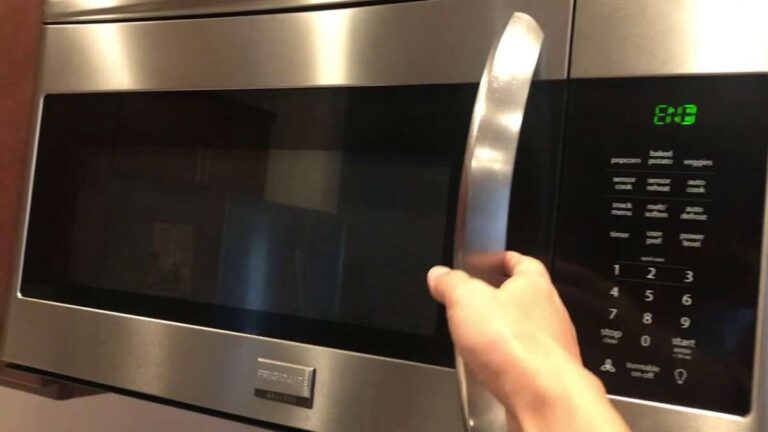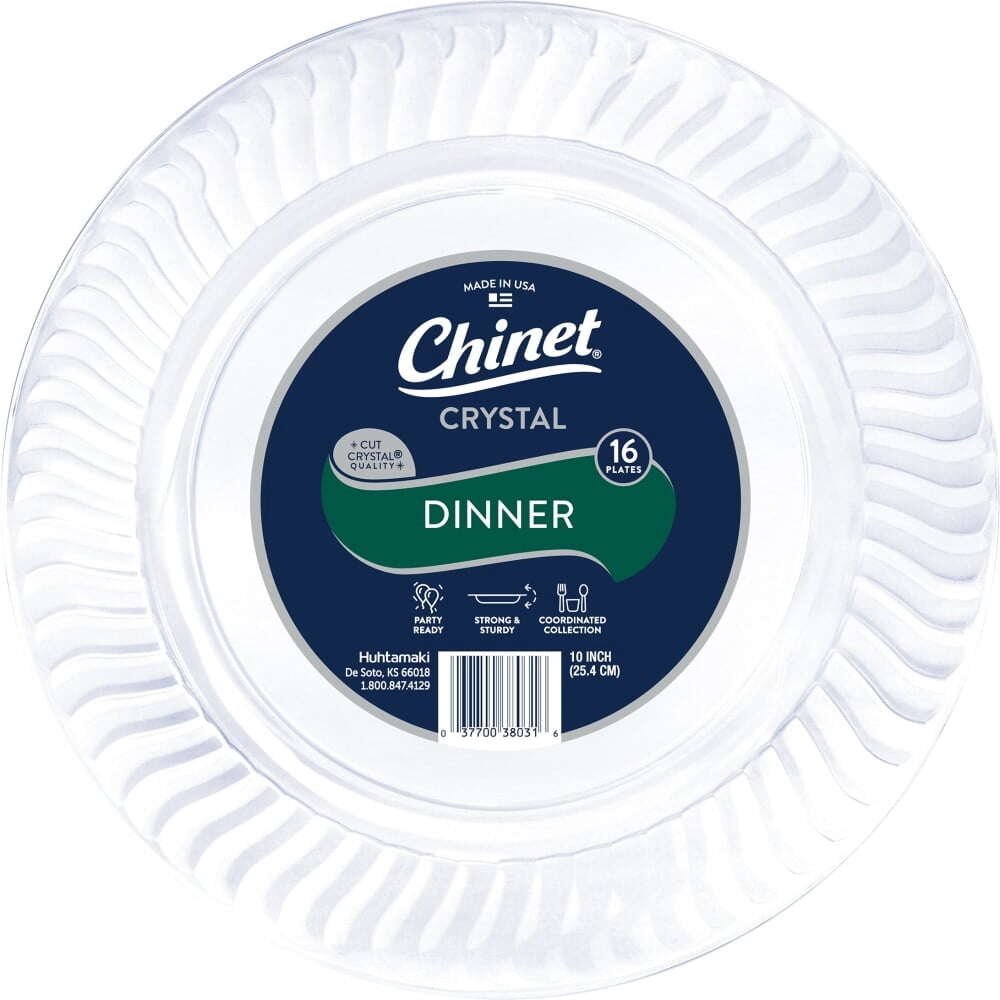
Are Chinet Crystal Plates Microwavable: Safe Microwave Guide
No. Chinet Crystal plates, often sold as Chinet Cut Crystal plates, should not be used in a microwave. They are made for serving food, not for heating it.
If you need to microwave food, move it to a microwave-safe glass or ceramic dish first. Always check the package for the exact product name and instructions, since Chinet sells several types of disposable plates.
Introduction
For families, hosts, and event planners in the United States, Chinet Crystal plates can make cleanup quick and easy. Their clear, rigid design looks more like glass than a paper plate, which can make it tempting to use one for reheating leftovers.
That is not a safe shortcut. Unless the package clearly says a specific Chinet plate is microwave-safe, do not put a Chinet Crystal plate in the microwave.


Why Chinet Crystal Plates Should Not Go in the Microwave
Chinet Crystal plates are clear disposable plastic plates. Plastic products can soften, warp, or melt when exposed to microwave heat, especially when they hold hot or oily food.
A plate may also become very hot even when it looks unchanged. Heat from the food can transfer into the plastic. Oils, sauces, and foods with high fat or sugar content may become much hotter than the surrounding food.
The key point is simple:
Chinet Crystal plates are intended for serving food. They are not the right dish for microwave cooking or reheating.
A plate that says “disposable,” “clear,” or “crystal” is not automatically microwave-safe. The word “crystal” describes the plate’s appearance. It does not mean the plate is made of glass.
Chinet’s product instructions and package label should be treated as the final authority for a particular product. If the label does not state that the plate is microwave-safe, use another container for heating.

What Should You Use Instead?
Use a container marked microwave-safe. Good choices include:
- Microwave-safe glass
- Plain ceramic without metallic trim
- Microwave-safe stoneware
- A plastic container with a microwave-safe label
Glass is often the easiest option. It does not usually absorb food odors, and it can handle many common reheating tasks. Ceramic also works well, but avoid dishes with gold, silver, or metallic decoration.
Do not use metal containers or aluminum foil in a microwave unless your microwave manufacturer gives specific instructions for that use. Metal can cause sparks and may damage the oven.


A simple reheating method
- Remove the food from the Chinet Crystal plate.
- Put the food in a microwave-safe container.
- Cover it loosely with a microwave-safe lid or vented cover.
- Heat the food in short intervals.
- Stir or turn the food when possible.
- Check that the center is hot before serving.
This method also helps prevent cold spots. Food may heat unevenly, even when the container is safe.
| Container | Microwave use |
|---|---|
| Chinet Crystal or Cut Crystal plate | Do not use unless the package clearly allows it |
| Microwave-safe glass | Generally suitable |
| Plain ceramic | Generally suitable if it has no metal |
| Metal tray | Do not use |
| Foam plate or tray | Do not use unless specifically labeled for microwave use |
| Plastic container with a microwave-safe label | Follow the product instructions |

What If You Already Microwaved a Chinet Crystal Plate?
If the plate was heated briefly and looks normal, remove it carefully because it may be hot. Do not continue using it in the microwave.
Check the plate for:
- Warping
- Soft spots
- Cracks
- Melting
- A strong plastic odor
- A change in color or texture
If the plate melted, changed shape, or stuck to the food, discard the plate. As a cautious step, discard food that came into direct contact with melted or damaged plastic. Do not try to scrape melted plastic off and eat the food.
If the plate only held food after the food was microwaved in another container, it can usually be used for serving as intended. Still, follow the package directions and discard any plate that becomes damaged.
Why oily foods need extra care
Foods such as cheese, gravy, bacon, butter, and fried meals can become very hot. They may heat the plate more than a low-moisture or cool food would.
That does not make every plastic plate unsafe to touch, but it increases the chance of warping or heat damage when the plate is used in a microwave. Moving the food to glass or ceramic removes that uncertainty.

How to Tell Which Chinet Plate You Have
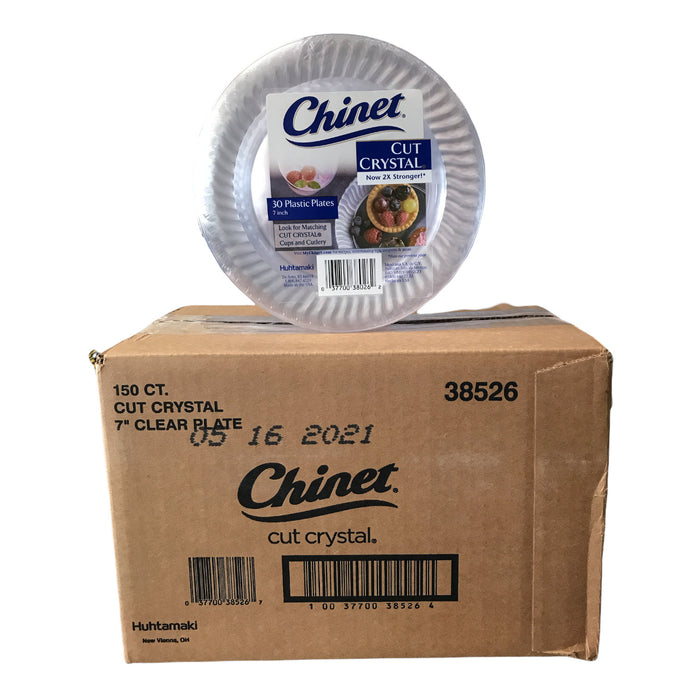
Chinet sells different disposable plate lines. The name on the package matters.
Look for:
- The full product name
- The material description
- A microwave-safe symbol or statement
- Care instructions on the back or bottom of the package
- Any warning about heating
“Chinet Crystal” may refer to a clear plastic product, while Chinet also sells paper plates under other product names. Do not assume that instructions for one Chinet line apply to another.
If you no longer have the package, the safest choice is to treat a clear disposable Chinet plate as not microwave-safe. Use a labeled microwave-safe dish instead.
Chinet Crystal Plates vs. Chinet Paper Plates
Chinet paper plates and Chinet Crystal plastic plates are different products. Their materials and heating instructions may not be the same.
Some paper plates are labeled for microwave use. That does not mean a clear plastic plate from the same brand has the same approval.


| Product type | Main material | What to do |
|---|---|---|
| Chinet Crystal or Cut Crystal plate | Clear disposable plastic | Do not microwave unless clearly labeled safe |
| Chinet paper plate | Paper-based material | Check the package for microwave instructions |
| Reusable plastic dish | Plastic made for repeated use | Use only if marked microwave-safe |
| Glass or ceramic dish | Glass or ceramic | Use if labeled or otherwise suitable and free of metal |
The safest habit is to check the exact package rather than rely on the brand name alone.
Common Mistakes to Avoid
Assuming clear plastic is microwave-safe
Clear plastic can look strong and glass-like. Appearance does not show how the material will react to microwave heat.
Using a plate because it survived once
A plate may survive a short heating cycle without visible damage. That does not prove it was designed for microwave use.
Heating the plate with oily food
High-fat foods can reach high temperatures. They may cause more heat stress than a cool sandwich or a small serving of fruit.
Covering the plate with plastic wrap
Plastic wrap is not a substitute for a microwave-safe container. Use only wrap labeled for microwave use, and keep it from touching the food when the instructions require that.
Putting the plate under the broiler or in an oven
Microwave safety and conventional oven safety are different. A disposable plastic plate should not go in a conventional oven, toaster oven, air fryer, or under a broiler unless the package specifically allows that use.

Frequently Asked Questions
Can you microwave food on Chinet Crystal plates?
No. Do not microwave food on a Chinet Crystal plate unless the exact package clearly states that the product is microwave-safe. For normal use, transfer the food to glass, ceramic, or another labeled microwave-safe dish.
Are Chinet Cut Crystal plates made of glass?
No. The clear “crystal” look does not mean the plate is glass. Chinet Cut Crystal products are disposable clear plastic tableware.
Can Chinet Crystal plates go in the oven?
No. Do not use them in a conventional oven, toaster oven, air fryer, or under a broiler. They are designed for serving food, not oven heating.
Can you put hot food on a Chinet Crystal plate?
Yes, they are designed for serving food. However, very hot, oily, or heavy food can make the plate hot and harder to handle. Use care when carrying it.
What is the safest microwave container?
A microwave-safe glass or plain ceramic container is a practical choice for most foods. Check that it has no metal trim and follow the container maker’s instructions.
Conclusion
Chinet Crystal plates are generally not microwavable. Use them for serving, then reheat food in a container clearly marked microwave-safe.
If you are unsure about a plate, check the package. When the instructions are missing or unclear, choose glass or plain ceramic instead.



Appliance Review Expert
Lucas Ramirez is a trusted voice at HomeFixGrid.com, known for his clear, practical, and creatively written guides that simplify appliance care for everyday homeowners. With a strong focus on hands-on testing and real-world problem-solving, Lucas brings expert insight into appliance reviews and troubleshooting techniques. Her work empowers readers to confidently maintain, repair, and choose the right appliances for their homes.