Are Burger King Wrappers Microwave Safe: Key Facts
Introduction
Most Burger King wrappers should not go in the microwave unless the package clearly says it is microwave-safe. The safest choice in the United States is to remove the burger, fries, or sandwich from its wrapper and place the food on a microwave-safe plate before reheating it.
Burger King uses more than one type of food packaging. A wrapper may contain paper, coatings, inks, grease barriers, adhesive, plastic film, or metallic material. The exact material can vary by menu item, restaurant, supplier, and packaging update. Because the wrapper may not carry a microwave-use label, you should treat it as not microwave-safe.
Why Burger King wrappers may be unsafe in a microwave
A fast-food wrapper is made to hold food, reduce grease leaks, and keep the meal easy to carry. It is not automatically designed for microwave heating.


Microwave safety depends on the full package, including:
- The paper or cardboard base
- Grease-resistant coatings
- Plastic layers
- Printed ink
- Glue or adhesive
- Metallic film or foil
- The food’s heat, moisture, and oil
A package that looks like plain paper may still have a coating or inner layer. Heating can cause that layer to soften, melt, smoke, or transfer unwanted material to the food.
The U.S. Food and Drug Administration explains that food-contact materials must be suitable for their intended use. That does not mean every food wrapper is safe for every heating method. A package intended to hold a warm burger for a short time may not be suitable for several minutes in a microwave.
The main risks
The most common concerns are fire, damage to the wrapper, and poor food heating.
Fire risk: Metal, foil, or metallic printing can spark. A spark can damage the microwave or start a fire, especially if the wrapper is dry or touches the oven wall.
Melting or scorching: Plastic coatings, grease barriers, and adhesives may break down when heated. Paper can also brown, char, or catch fire if it becomes very hot or dry.
Food contact: If a coating or adhesive softens, it may touch the food. The food may still look normal, but the package was not designed for that use.
Uneven heating: A wrapped burger may heat poorly because the wrapper traps steam in some places and blocks airflow in others. The center may remain cold while the edges become very hot.
The USDA advises consumers to follow package heating directions and to move food from packaging when the packaging is not approved for microwave use. This general rule applies well to restaurant wrappers.

How to reheat a Burger King meal safely
The safest method is simple: remove the wrapper before heating.


For a Burger King burger or sandwich
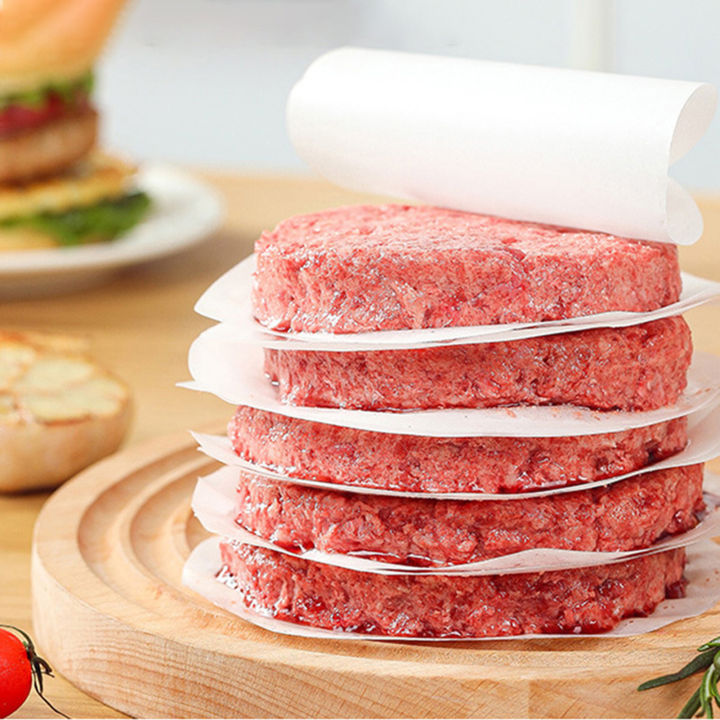
- Remove the burger from all paper, cardboard, plastic, and foil.
- Take off toppings that may not reheat well, such as lettuce, tomato, or pickles.
- Place the burger on a microwave-safe plate.
- Cover it loosely with a microwave-safe cover or a damp paper towel.
- Heat it at medium power for short intervals, such as 15 to 30 seconds.
- Turn or check the burger between intervals.
- Make sure the center is hot before eating.
The exact heating time depends on the burger’s size, starting temperature, and your microwave’s power. A large burger from the refrigerator may need more time than a small sandwich at room temperature.
Do not seal the burger in plastic wrap unless the wrap is specifically labeled for microwave use. Steam needs a way to escape.
For Burger King fries
Fries often become soft in a microwave because microwave heat adds moisture. For the best texture, reheat them in an oven, toaster oven, or air fryer if you have one.
If you use a microwave:
- Remove the fries from the carton or bag.
- Spread them in a single layer on a microwave-safe plate.
- Heat them in short bursts.
- Check them often to prevent drying or overheating.
Never microwave a fry carton or paper bag if it contains a shiny lining, metallic detail, or an unknown coating.
For chicken sandwiches and nuggets
Remove the food from its wrapper, box, or bag before reheating. Place the pieces on a microwave-safe plate and heat them in short intervals.
Chicken can become tough when overheated. Use a loose cover to reduce drying, and check the thickest piece. The USDA recommends reheating leftovers to 165°F for food safety. A food thermometer is the most reliable way to check the temperature.
For breakfast sandwiches
Remove all packaging before heating. Be especially careful with breakfast sandwiches that contain sausage, bacon, egg, or cheese because their centers can heat at different speeds.
Let the sandwich stand for a short time after heating. This allows heat to spread through the center and reduces the chance of biting into a very hot pocket of cheese or egg.
How to tell whether a food package is microwave-safe
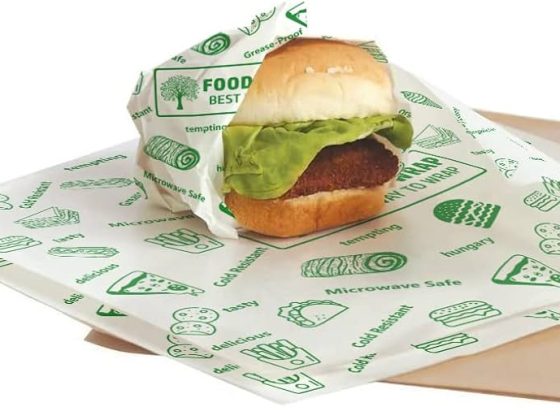
Look for clear instructions on the package itself. A microwave-safe label may include words such as:
- “Microwave safe”
- “Safe for microwave use”
- “Remove lid before microwaving”
- “Vent before heating”
- A microwave symbol with heating instructions
A symbol alone is not always enough if you cannot identify what part of the package it applies to. Check the full label and any printed directions.
Signs you should not microwave the wrapper
Do not microwave a Burger King wrapper if it has any of these features:
- Foil or metal
- A shiny silver layer
- Metallic printing
- A plastic window
- A glossy coating that is not identified
- A waxy or greasy lining
- A staple, twist tie, or metal clip
- No microwave directions
When in doubt, remove the food from the wrapper. The few extra seconds are safer than testing unknown packaging in a microwave.
What about Burger King paper bags?
Do not assume that a Burger King paper bag is microwave-safe. A paper bag may contain ink, glue, coatings, handles, or other materials that are not meant for microwave heating.


Paper itself can sometimes be used in a microwave under the right conditions, but that does not make every paper bag safe. The complete package must be approved for that purpose.

What to do if you already microwaved a Burger King wrapper
If the wrapper was heated briefly and nothing happened, turn off the microwave and inspect the wrapper and food.
Discard the wrapper if it is:
- Burned
- Charred
- Melted
- Smoking
- Stuck to the food
- Covered with melted coating
- Sparking or damaged
If the wrapper sparked, stop the microwave at once. Do not continue heating it to “see if it is okay.” Check the microwave for burn marks or damage before using it again.
If there was smoke or a small flame, keep the microwave door closed and turn off the appliance. Opening the door can feed oxygen to a fire. If the fire does not stop, leave the area and call 911. Follow the microwave manufacturer’s safety instructions.
If the wrapper only warmed slightly and did not burn, melt, or touch the food, the main concern is still that the packaging was used outside its documented purpose. For future reheating, transfer the food to a microwave-safe dish.
Do not eat food that touched melted plastic, burned coating, or unknown material. When the package has visibly changed, throwing away the food is the safer choice.
Microwave-safe alternatives to Burger King wrappers
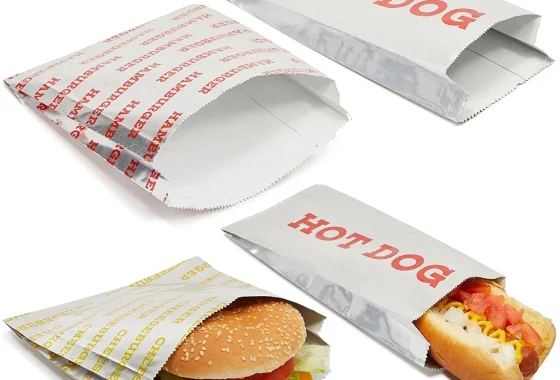
A microwave-safe glass or ceramic plate is usually the simplest option. You can also use a container marked for microwave use.
Good choices include:
- Microwave-safe glass
- Microwave-safe ceramic
- Microwave-safe plastic labeled for microwave use
- A microwave-safe cover
- A plain, unprinted microwave-safe paper towel for short heating
Avoid using:
- Aluminum foil
- Metal plates or utensils
- Foam containers unless clearly labeled for microwave use
- Takeout boxes with unknown coatings
- Plastic containers with no heating label
- Brown paper bags
- Sealed containers without a vent
A microwave-safe label means the item is intended for microwave heating under stated conditions. It does not mean the item can withstand unlimited time, high heat, or direct contact with hot oil.

Burger King wrapper microwave safety: quick decision table
| Packaging or situation | Microwave it? | Safer action |
|---|---|---|
| Wrapper with foil or metallic material | No | Remove all packaging |
| Plain-looking burger wrapper with no label | No | Use a microwave-safe plate |
| Paper bag with unknown coating | No | Transfer the food first |
| Container marked “microwave-safe” | Usually, if directions are followed | Use the stated time and venting method |
| Wrapper that says “remove before heating” | No | Follow the package instruction |
| Food wrapped in a damp, plain paper towel | Only if the towel is suitable for microwave use | Use a loose cover |
| Plastic container without a microwave label | No | Use a labeled microwave-safe container |
| Package that begins smoking or sparking | Stop immediately | Turn off the microwave and assess for damage |
The key distinction is between paper as a material and a complete commercial food wrapper. A plain paper towel and a coated restaurant wrapper are not the same product.


Common questions about microwaving Burger King packaging
Can you microwave a Burger King burger in its wrapper?
You should not do so unless the wrapper has clear microwave-safe instructions. Remove the wrapper and heat the burger on a microwave-safe plate instead.
Can you microwave Burger King fries in the carton?
It is safer to remove the fries from the carton. The carton may contain coatings, glue, ink, or metallic details that are not intended for microwave heating.
Can Burger King wrappers catch fire?
Yes. A wrapper can scorch or catch fire if it becomes dry and overheated. Metal or foil in the wrapper can also create sparks. Never leave a microwave unattended while heating unknown packaging.
Is Burger King wrapper paper toxic when heated?
The answer depends on the exact materials and heating conditions. A wrapper that was not labeled for microwave use has not been documented for that purpose. If it melts, burns, smokes, or sticks to the food, discard the food and wrapper.
How long should you microwave a Burger King burger?
There is no single safe time for every burger or microwave. Start with 15 to 30 seconds at medium power, check the center, and repeat as needed. For refrigerated leftovers, heat until the center reaches 165°F when checked with a food thermometer.
Key takeaways
- Do not microwave a Burger King wrapper unless it clearly says it is microwave-safe.
- Remove foil, paper, plastic, and unknown packaging before reheating.
- Use a microwave-safe glass, ceramic, or labeled plastic dish.
- Heat in short intervals to avoid drying or overheating the food.
- Stop the microwave if you see sparks, smoke, melting, or flames.
- Discard food that touches melted or burned packaging.
- For refrigerated leftovers, reheat the food to 165°F.
Conclusion
Burger King wrappers are not automatically microwave-safe, and many will not be labeled for microwave use. Since packaging can vary, the safest U.S. practice is to remove the wrapper and reheat the food on a microwave-safe plate.
If you already heated the wrapper, check for sparks, smoke, melting, scorching, or changes in the food. When the packaging is damaged or has touched the food after melting or burning, discard the meal and do not reuse that wrapper.

Appliance Review Expert
Lucas Ramirez is a trusted voice at HomeFixGrid.com, known for his clear, practical, and creatively written guides that simplify appliance care for everyday homeowners. With a strong focus on hands-on testing and real-world problem-solving, Lucas brings expert insight into appliance reviews and troubleshooting techniques. Her work empowers readers to confidently maintain, repair, and choose the right appliances for their homes.